
Sailfish Fishing: Complete Guide for Anglers (2026)
Everything you need to know about sailfish fishing — species ID, top destinations, peak seasons, proven tactics, and gear setup. Plan your trip today.
By Ian Arango11 min read

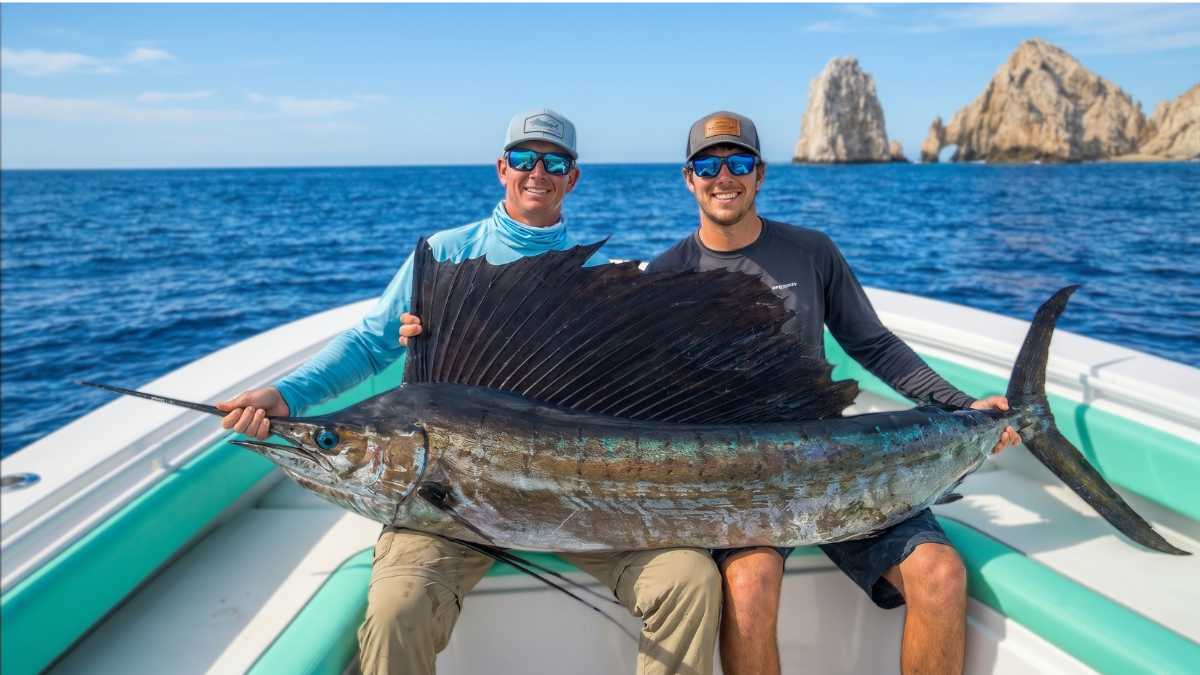
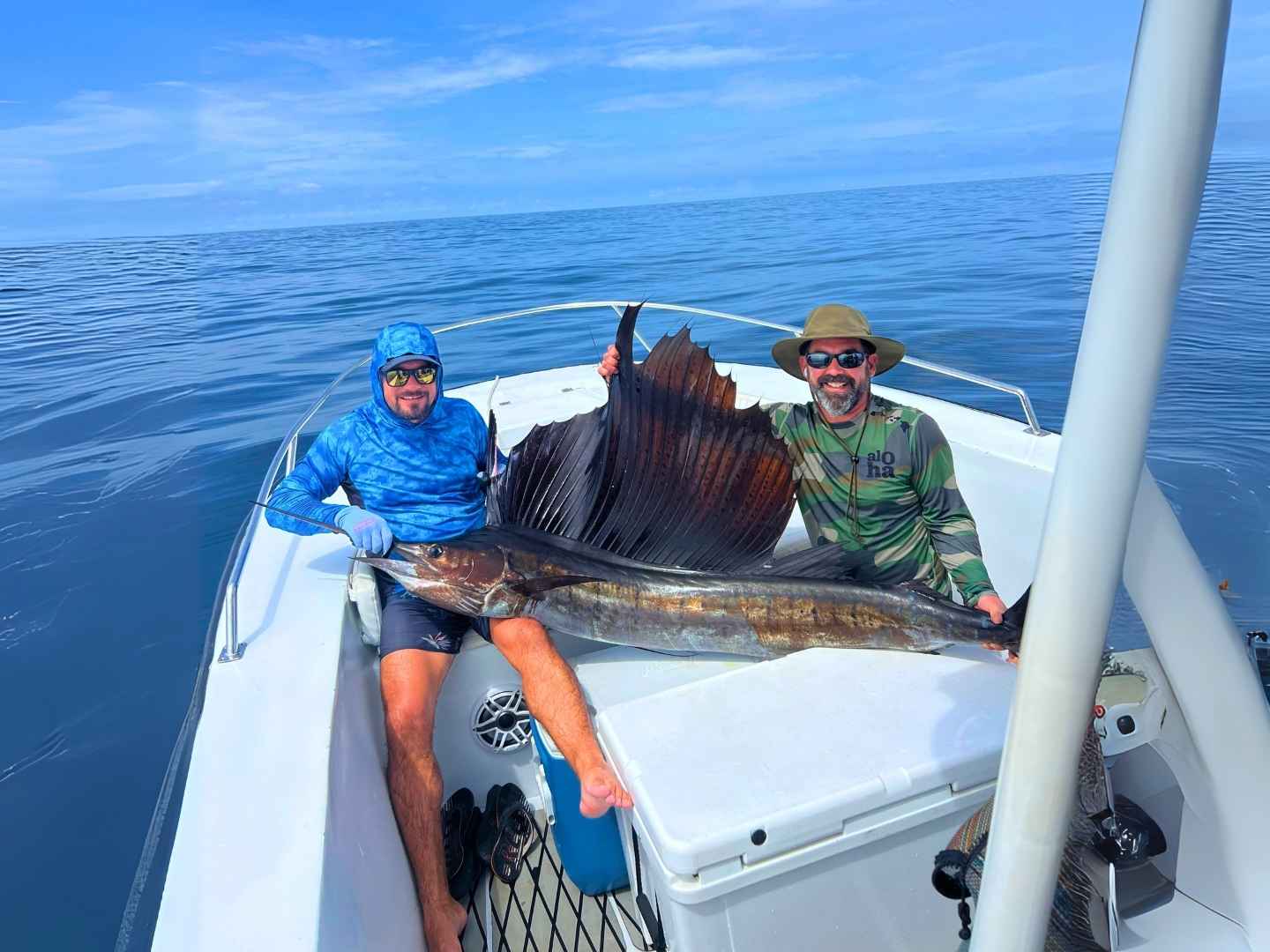
The bite comes out of nowhere. One second the teaser is working the spread behind the boat, and the next a massive cobalt-blue sail rises from the depths, lights up in electric blue and purple, and hammers your bait. Then it launches — six, seven feet of pure muscle clearing the surface in a series of acrobatic leaps that make your heart stop.
That's sailfish fishing. There's nothing quite like it in saltwater angling.
Whether you're planning your first offshore trip or you've been chasing billfish for years, this guide covers everything you need to know — from the biology and behavior that makes sailfish so special, to the top destinations, seasonal windows, proven tactics, and the exact gear setup that works. Let's get into it.
Sailfish chartersBook your sailfish tripPacific charters in Panama, Costa Rica & Mexico · catch and releaseBrowse charters →What Is a Sailfish? Identification & Biology
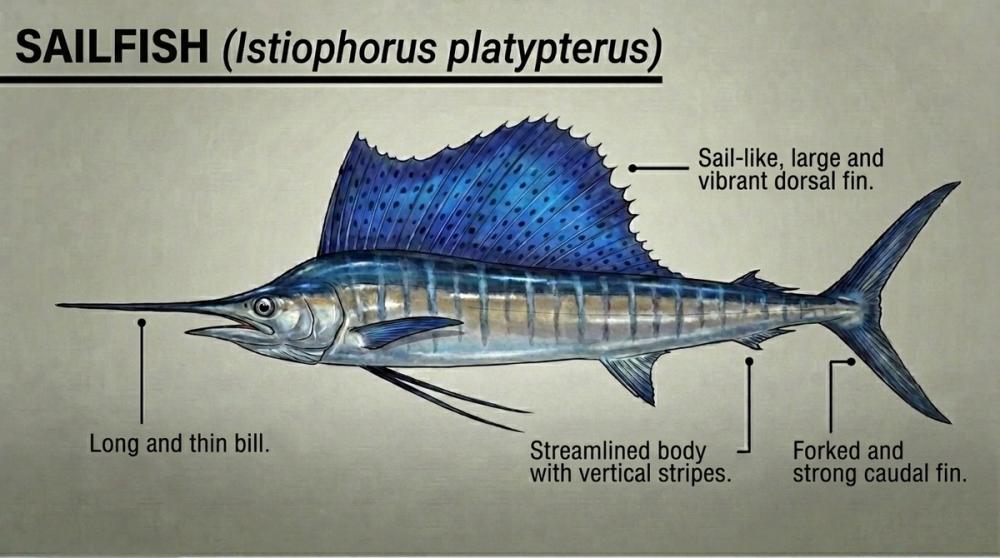
That Iconic Sail
The sailfish's most recognizable feature is its enormous dorsal fin — the "sail" — which can extend the full length of its body and rise well above its back. It's not just for show. Sailfish raise their sails to herd baitfish, corralling them into tight balls that are easier to pick off. When a sailfish is excited or on the feed, the sail flares open and the fish's body pulses with iridescent blues, purples, and silver. It's one of the most visually stunning moments in all of sportfishing.
According to The Billfish Foundation, sailfish (Istiophorus platypterus) display a range of colors — from subdued browns and grays at rest to vibrant blues and silver-spotted patterns when actively feeding. That color shift is an involuntary response tied to excitement and aggression, and it's one of the reasons anglers keep coming back.
Speed, Size, and Fighting Power
Sailfish are widely considered one of the fastest fish in the ocean, with burst speeds estimated at 68 miles per hour. That raw speed is what makes their initial run so electric — one moment the line is taut, and the next your reel is screaming.
Most sailfish caught by sport anglers weigh between 28 and 60 pounds, though Pacific sailfish regularly push past 100 pounds, especially in Panama waters from December through February. The IGFA all-tackle world record stands at 221 lbs. They're not the biggest billfish in the ocean, but pound-for-pound they fight harder and jump more dramatically than almost anything else.
Atlantic vs. Pacific Sailfish
Scientists currently recognize a single species — Istiophorus platypterus — though anglers and captains still refer to Atlantic and Pacific sailfish as distinct fisheries. Pacific sailfish tend to run larger and are found along the coasts of Central and South America, Mexico, and throughout the Indo-Pacific. Atlantic sailfish concentrate heavily in the Florida Keys, the Caribbean, and along the African coasts. The tactics, tackle, and peak seasons differ somewhat between oceans, which we'll cover below.
Sailfish vs. Marlin: What's the Difference?
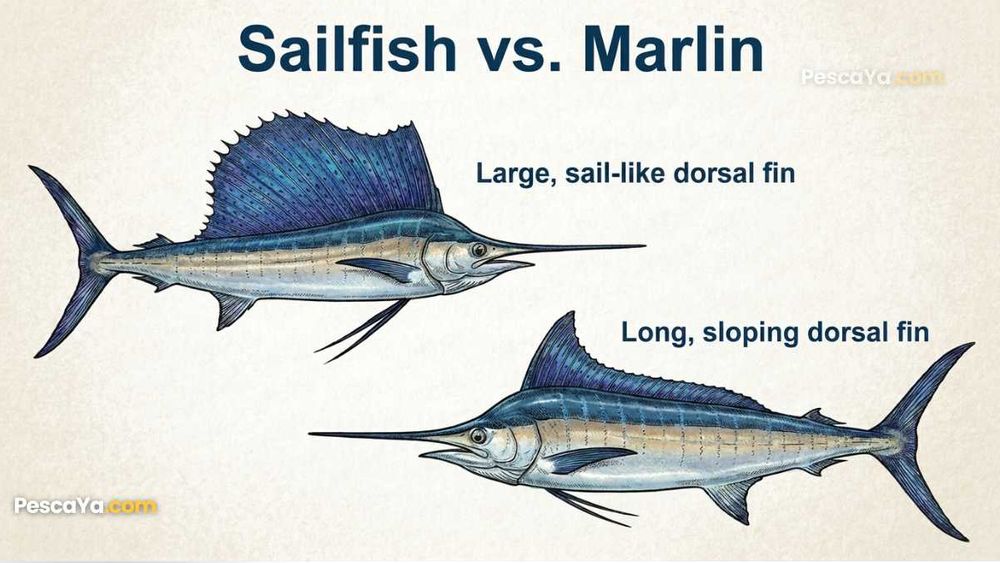
Both are billfish, both are spectacular fighters, and both top the bucket list of serious offshore anglers — but sailfish and marlin are very different fish. Here's how to tell them apart and what to expect from each.
The most obvious difference is size. Sailfish typically weigh between 28 and 60 pounds, while blue marlin regularly exceed 300 pounds and can push past 1,000. If you hook something that peels line like a freight train and barely jumps, you're probably on a marlin.
The sail is the other giveaway. Sailfish have that enormous, body-length dorsal fin that flares dramatically during a fight. Marlin have a much smaller, more rigid dorsal fin that folds back into a groove along the body.
Behavior differs too. Sailfish are social hunters — they herd baitballs in coordinated groups and tend to feed near the surface. Marlin are mostly solitary ambush predators that hunt across a wider range of depths. A sailfish will often tail-walk across the surface; a marlin tends to go deep and bulldoze.
For first-time billfish anglers, sailfish are generally the more accessible starting point — they're more numerous, easier to find in season, and the lighter tackle makes the fight more manageable. Marlin demand heavier gear, longer fights, and more experienced crews. Both are worth chasing. Most anglers who catch one end up planning a trip for the other.
Where to Catch Sailfish: Top Destinations
Sailfish are a warm-water species, thriving in tropical and subtropical seas where surface temperatures hover between 70 and 82°F. They follow the baitfish, and where the bait concentrates, sailfish follow. Here's where the world's best fishing happens.
Panama
Panama punches above its weight for sailfish. The Pacific side — particularly the Gulf of Chiriquí and the waters off Santa Catalina and Pinas Bay — produces outstanding numbers of sailfish from December through February, with another strong push in June. Pacific sails here regularly run over 100 pounds, making Panama a destination for anglers who want size alongside numbers.
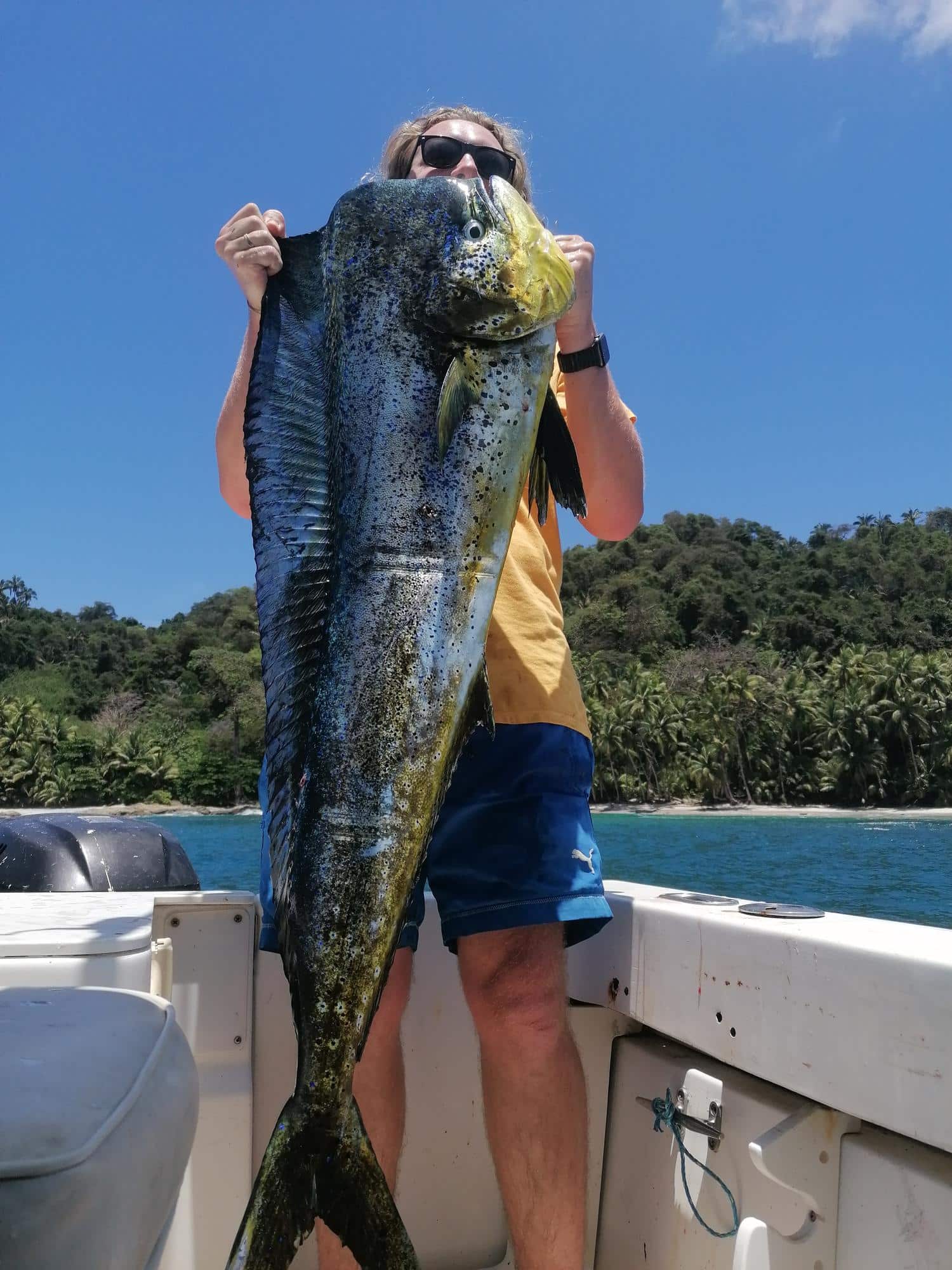
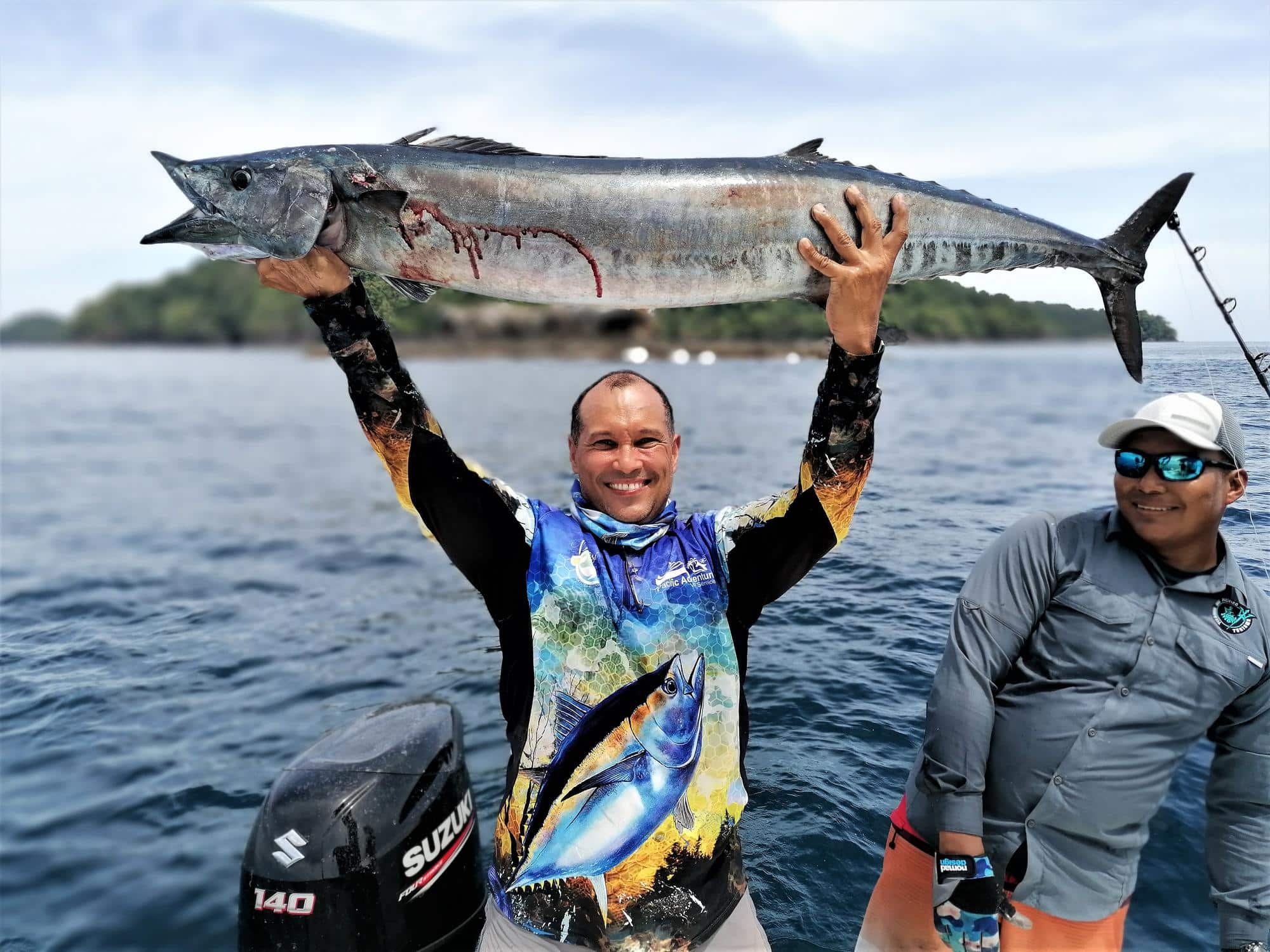
What sets Panama apart is the diversity. A single offshore day can produce sailfish, blue marlin, yellowfin tuna, wahoo, and dorado. For a deeper look at deep-sea fishing in Panama and what to expect offshore, that guide covers the full picture. You can also explore sailfish fishing in Panama specifically, with tour options and seasonal details.
Peak season: December–February, with a secondary window in June.
 Charters · PanamaSailfish Fishing in PanamaPacific side · Coiba, Otoque & Panama BayView Charters →
Costa Rica
Costa Rica is one of the most celebrated sailfish destinations on the planet. The Pacific coast — from Tamarindo in the north down through Quepos, Los Sueños, and Golfito — sits in the path of major seasonal migrations. On prime days off the Central Pacific coast, captains regularly report 20 or more sailfish releases, and multiple-release days are the norm during peak season.
The fishing here is world-class, but plan for offshore runs of one to one-and-a-half hours from most departure ports. Seas are generally calmer during the dry season (December–April), which coincides with peak sailfishing. Browse fishing tours in Costa Rica to see current charter options.
Peak season: December–April. May can slow down; June picks back up.
 Charters · Costa RicaSailfish Fishing in Costa RicaLos Sueños, Quepos & the Osa PeninsulaView Charters →
Mexico — Isla Mujeres
For pure numbers, Isla Mujeres off the Yucatán Peninsula is hard to beat. Charter captains there report 30, 40, even 50 sails in a single day during peak season. The fishing runs from December through late January and targets Atlantic sailfish concentrated by the confluence of currents around the island. Note that fishing live baits is restricted for foreign boats here — most charters troll rigged ballyhoo.
Peak season: December–January.
Florida Keys
The Florida Keys are the Atlantic sailfish capital of the United States. Kite fishing is the primary technique here, and it's devastatingly effective on the sails that stack up on the ledge off the Keys from November through March. This is also a great destination for anglers who want action without the long international travel — Miami to the sailfish grounds is a two-hour drive and a short run offshore.
Peak season: November–March.
When Is Sailfish Season? Month-by-Month Breakdown
Sailfish migrations follow water temperature and baitfish movements. Here's a quick reference:
| Destination | Jan | Feb | Mar | Apr | May | Jun | Jul | Aug | Sep | Oct | Nov | Dec |
|---|---|---|---|---|---|---|---|---|---|---|---|---|
| Panama (Pacific) | Peak | Peak | Good | Slow | Slow | Peak | Slow | Slow | Slow | Slow | Good | Peak |
| Costa Rica (Pacific) | Peak | Peak | Peak | Peak | Slow | Good | Slow | Slow | Slow | Slow | Good | Peak |
| Mexico — Isla Mujeres | Peak | Slow | Slow | Slow | Slow | Slow | Slow | Slow | Slow | Slow | Good | Peak |
| Florida Keys | Peak | Peak | Peak | Good | Slow | Slow | Slow | Slow | Slow | Good | Peak | Peak |
| Guatemala | Peak | Peak | Peak | Peak | Peak | Good | Slow | Slow | Slow | Good | Peak | Peak |
| East Africa (Kenya) | Peak | Peak | Slow | Slow | Slow | Slow | Slow | Slow | Good | Peak | Peak | Peak |
The common thread across all Pacific destinations is the dry season, when consistent winds and calmer seas make offshore runs productive. Sailfish thrive in 70–82°F water, so tracking sea surface temperatures and baitfish concentrations (often visible via birds and current lines) gives you a strong read on where fish will stack up.
How to Catch Sailfish: Proven Tactics
Trolling with Lures and Ballyhoo
Trolling is the bread-and-butter approach in most sailfish fisheries. Boats run a spread of teasers — usually a mix of daisy chains and plastic squid — to draw sailfish to the surface. When a sail charges the spread and tries to eat a teaser, the captain or mate pulls the teaser away and presents a pitch bait instead, usually a rigged ballyhoo, right in the fish's face.
Color is important for lure selection. Purple-red, pink-red-white, and blue-white combinations work well. Troll at around 7–9 knots and keep your spread varied — different sizes and distances give the fish options to key in on.
Live Bait Fishing
When you can get live bait, use it. Mackerel, threadfin herring, and pilchards are the top choices. Live bait triggers aggressive strikes and tends to draw more committed bites than artificials. Many charters in Panama and Costa Rica will have a bait tank running, and a live bait fished on a kite or flat line near the surface is nearly irresistible to a hungry sail.
Tips from professional sailfish guides consistently point to matching bait size to the prevailing forage — if the water is full of small sardines, downsize your bait accordingly.
Kite Fishing
Kite fishing is a specialized but highly effective technique most commonly used in South Florida and parts of the Caribbean. A fishing kite suspends live baits at the surface with the line cutting straight down, so the bait splashes and struggles right in the strike zone — without the weight or boat pressure that usually spooks shallow fish. Sailfish that won't commit to a trolled bait will often hammer a kite-fished pilchard. If you're fishing the Keys, ask your captain about kite options.
Fighting and Releasing a Sailfish
When a sailfish bites, give it a beat before setting the hook — especially on bait, you want the fish to have it. Use circle hooks whenever possible. They dramatically improve hook-up rates and make release much safer for the fish.
Once hooked, the sail will run hard and jump repeatedly. Don't fight it too aggressively; sailfish tire quickly and need to be in good condition for release. Keep steady pressure, gain line when the fish stops running, and be ready for multiple jump sequences. When you bring it boatside, revive it by holding the bill and moving it through the water until it swims off strongly under its own power.
Catch-and-release is the overwhelming norm in sailfish fishing worldwide. These fish are too valuable in the water to keep.
Sailfish Tackle & Gear Setup
Rod & Reel
You don't need heavy tackle for sailfish. Most experienced captains fish 20 to 30-pound class gear — it's sporty, gives the fish a great fight, and is perfectly adequate for sails up to 100+ pounds if your drag is set correctly.
Look for a 7-foot rod with a moderate-fast action and a line rating of 20–40 lbs. Match it with a quality lever-drag conventional reel that holds 300–500 yards of line and has a silky-smooth drag system. Smooth drag is non-negotiable — a sticky drag on a screaming sailfish will cost you fish.
Line, Leader, and Hooks
For main line, 20–30 lb monofilament is classic and still very effective. Many anglers now run 30–50 lb braided line with a monofilament top-shot for stretch and shock absorption.
Leader: 40–80 lb fluorocarbon in a 6–8 foot length. Fluorocarbon is nearly invisible underwater and has excellent abrasion resistance — important when a sailfish's bill and body are rubbing against it. According to J&B Tackle's pro setup guide, dropping to a lighter 30 lb leader when bites are tough can make a real difference.
For hooks, go with in-line circle hooks in size 4/0 to 8/0 depending on bait size. Circle hooks are designed to set in the corner of the mouth, making release much cleaner than J-hooks.
Baits and Lures
- Rigged ballyhoo — the most versatile and widely used bait for trolling
- Live mackerel or pilchards — for pitch baiting or kite fishing
- Plastic lures/skirts — purple-red, pink-red-white, and blue-white color patterns; pair with a Seawitch or similar skirt over your ballyhoo for added action
Charters · Panama
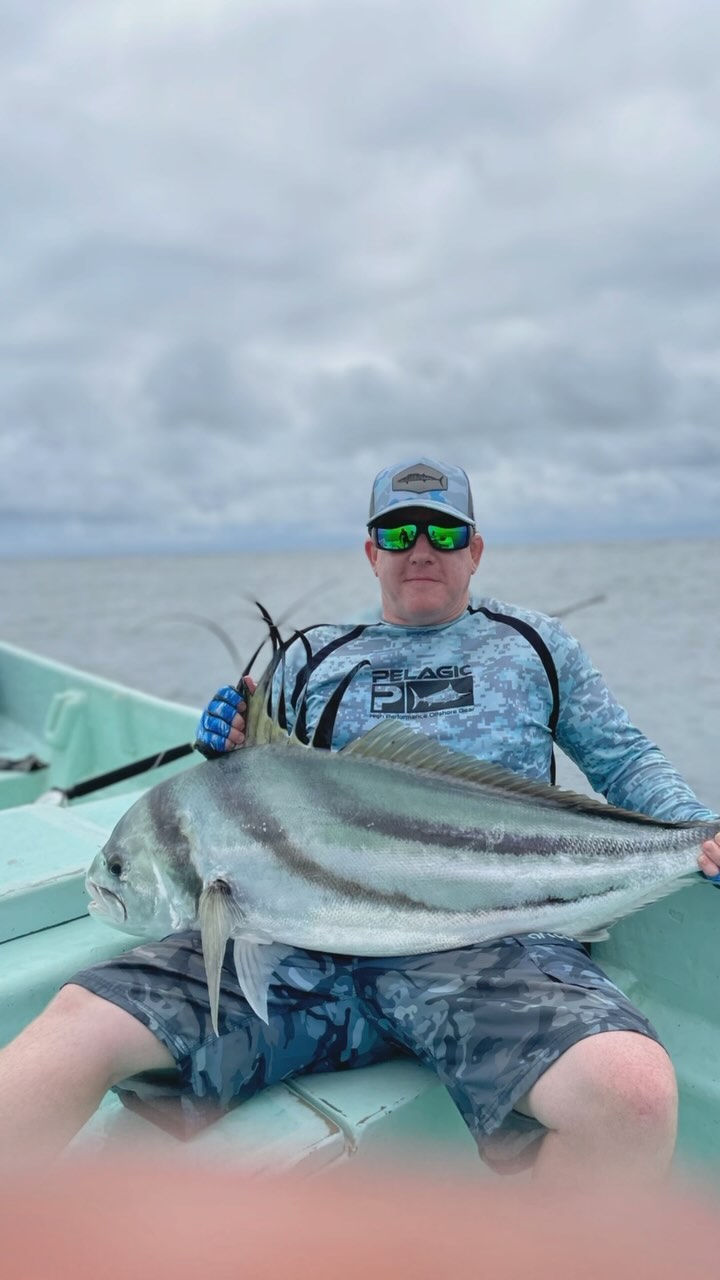
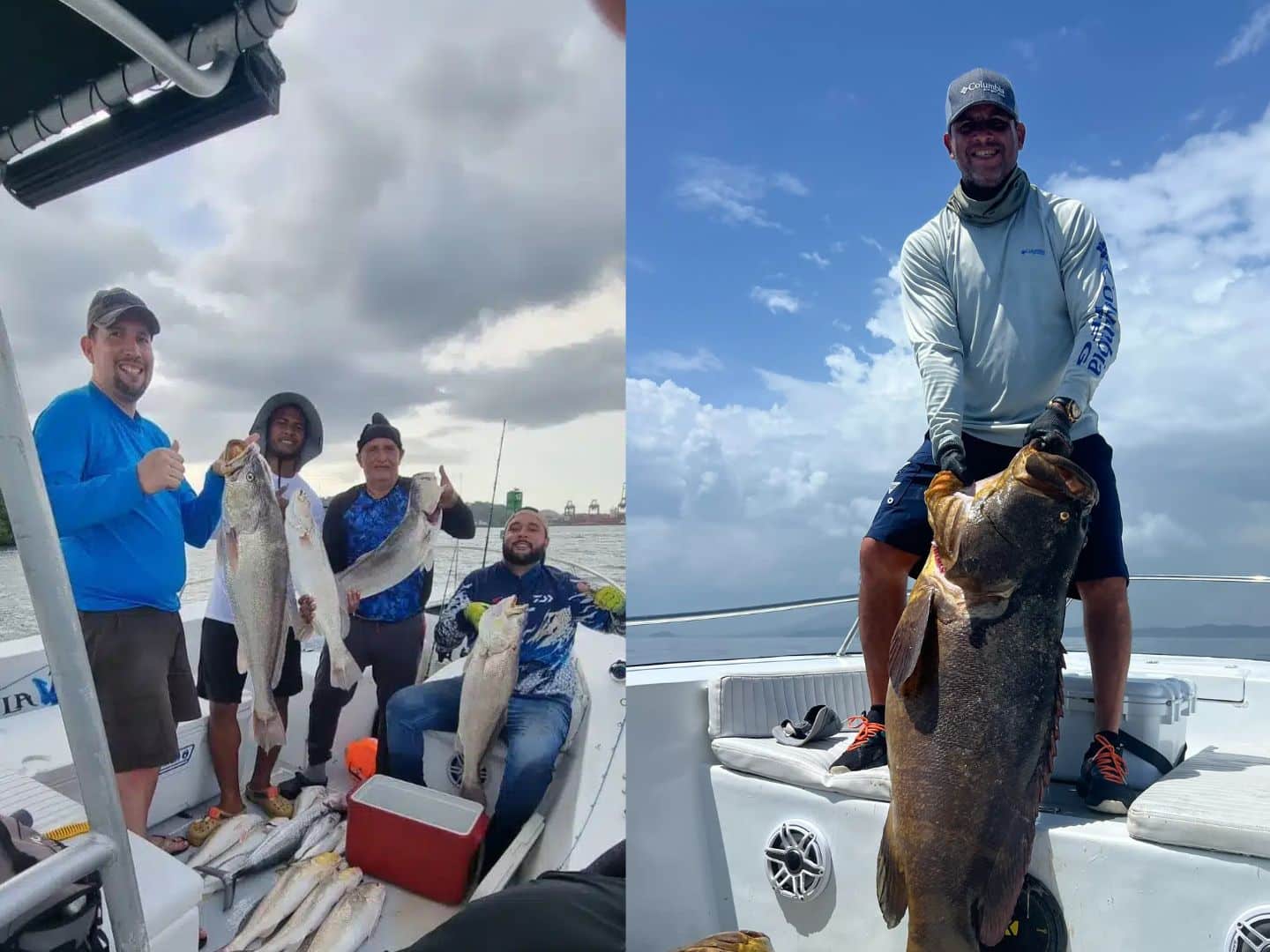
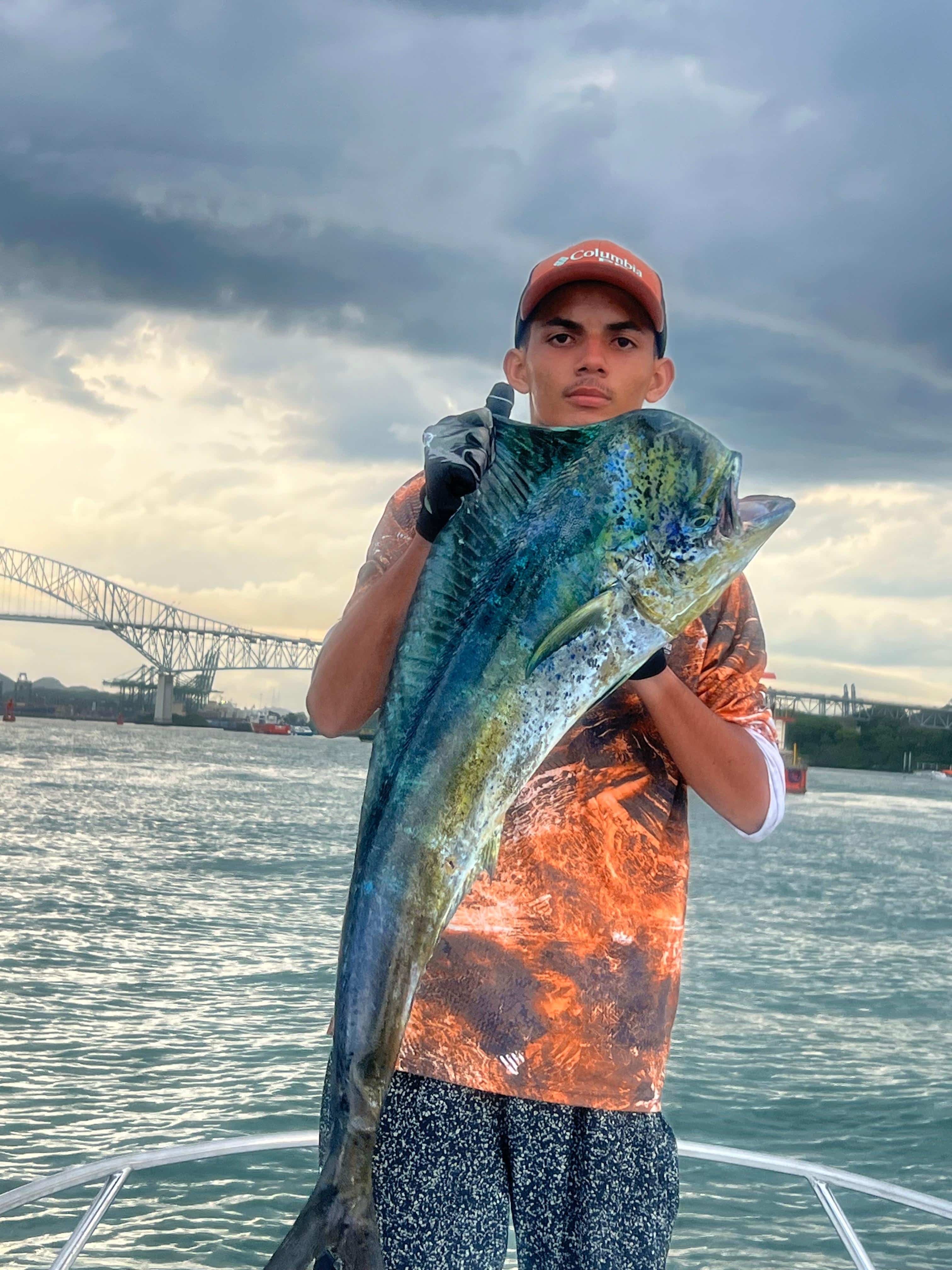
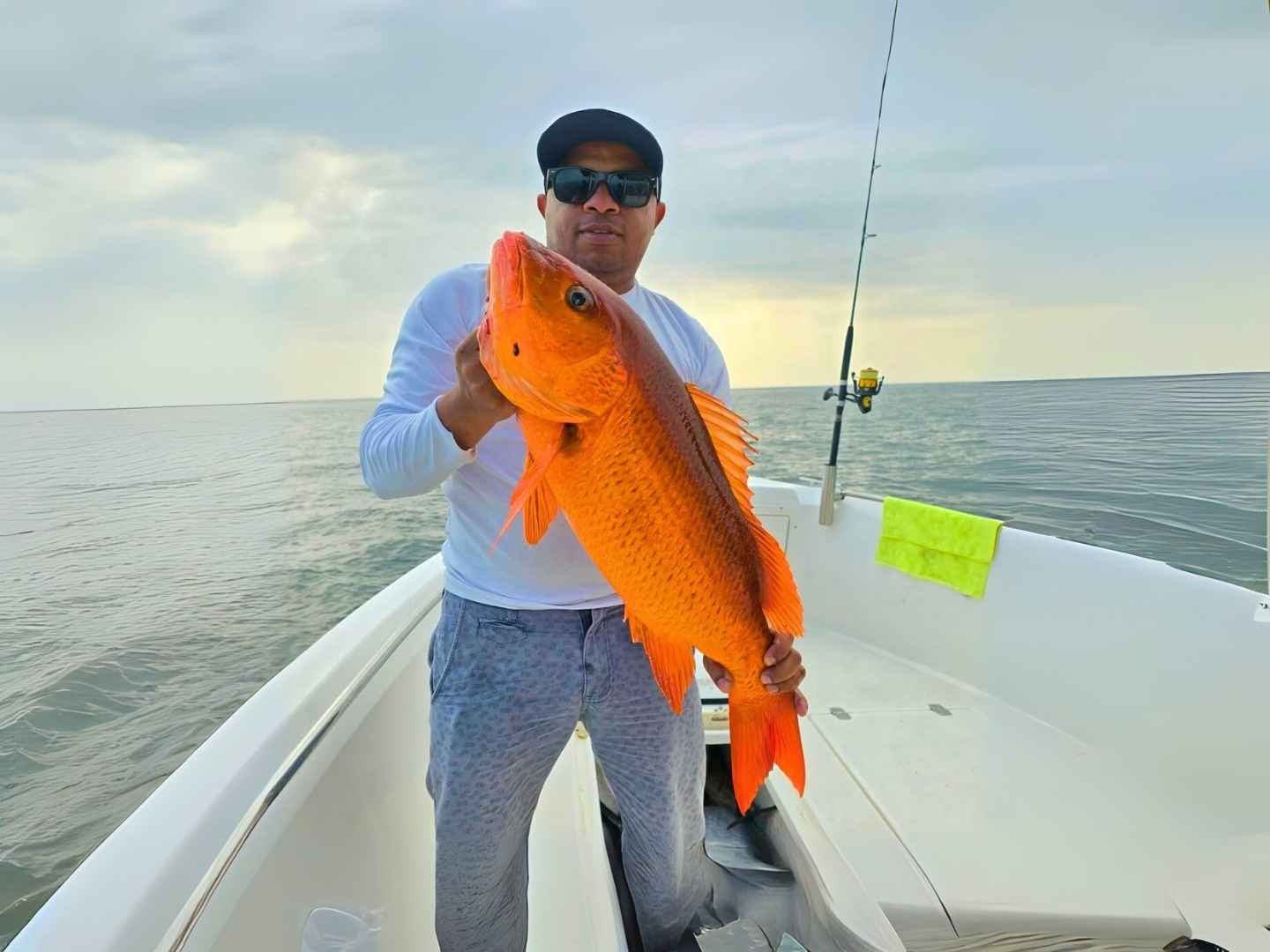
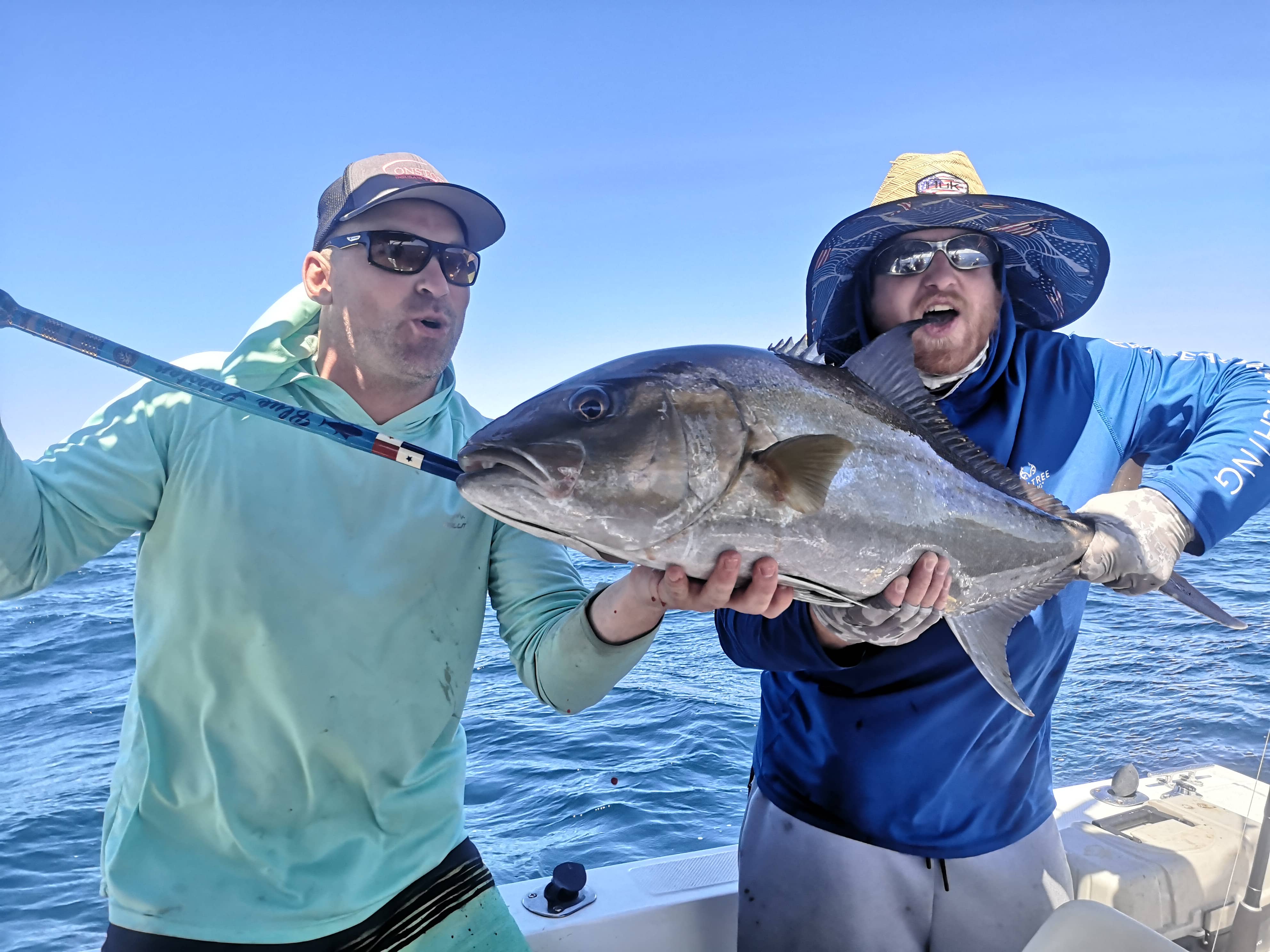
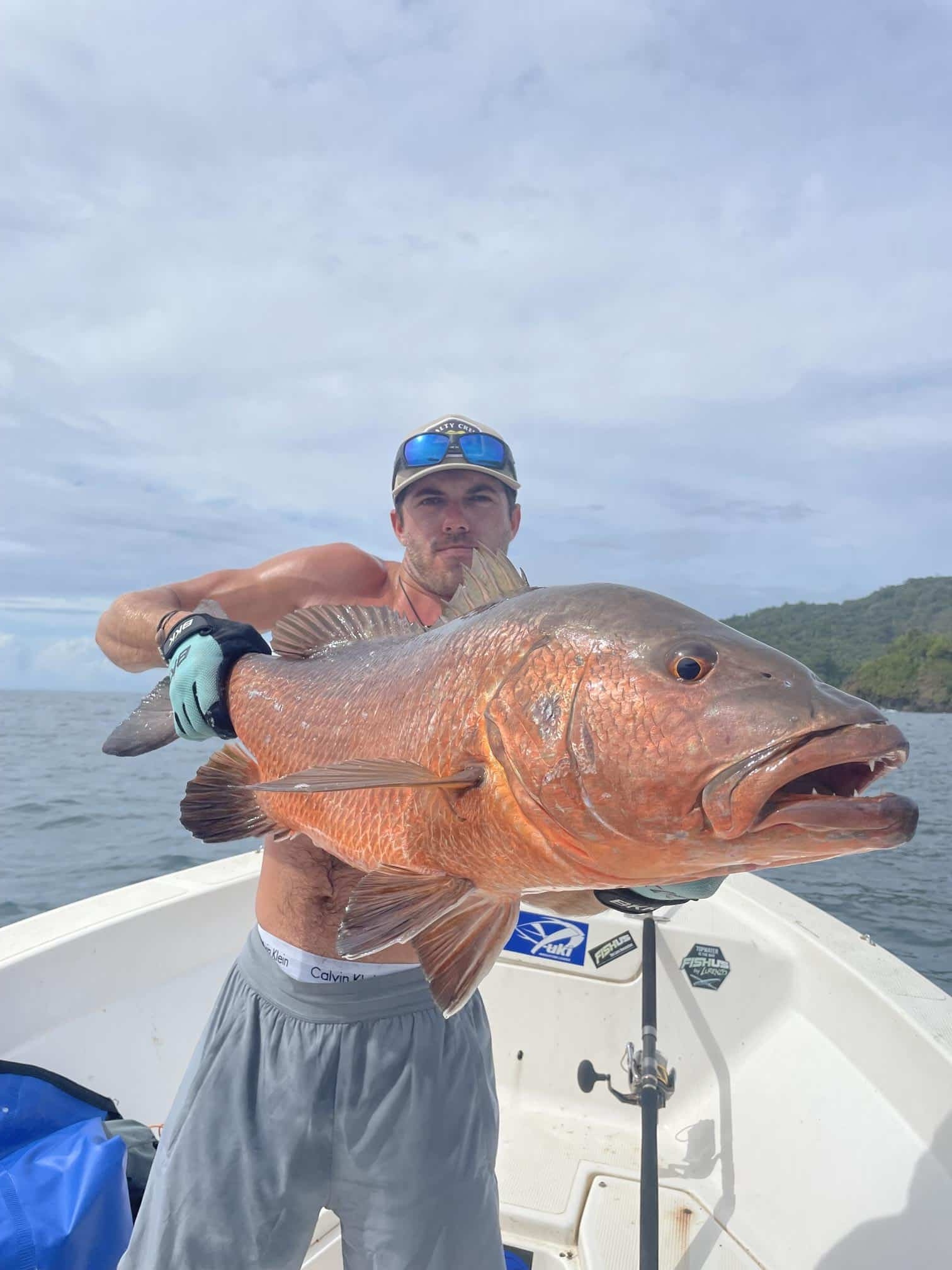
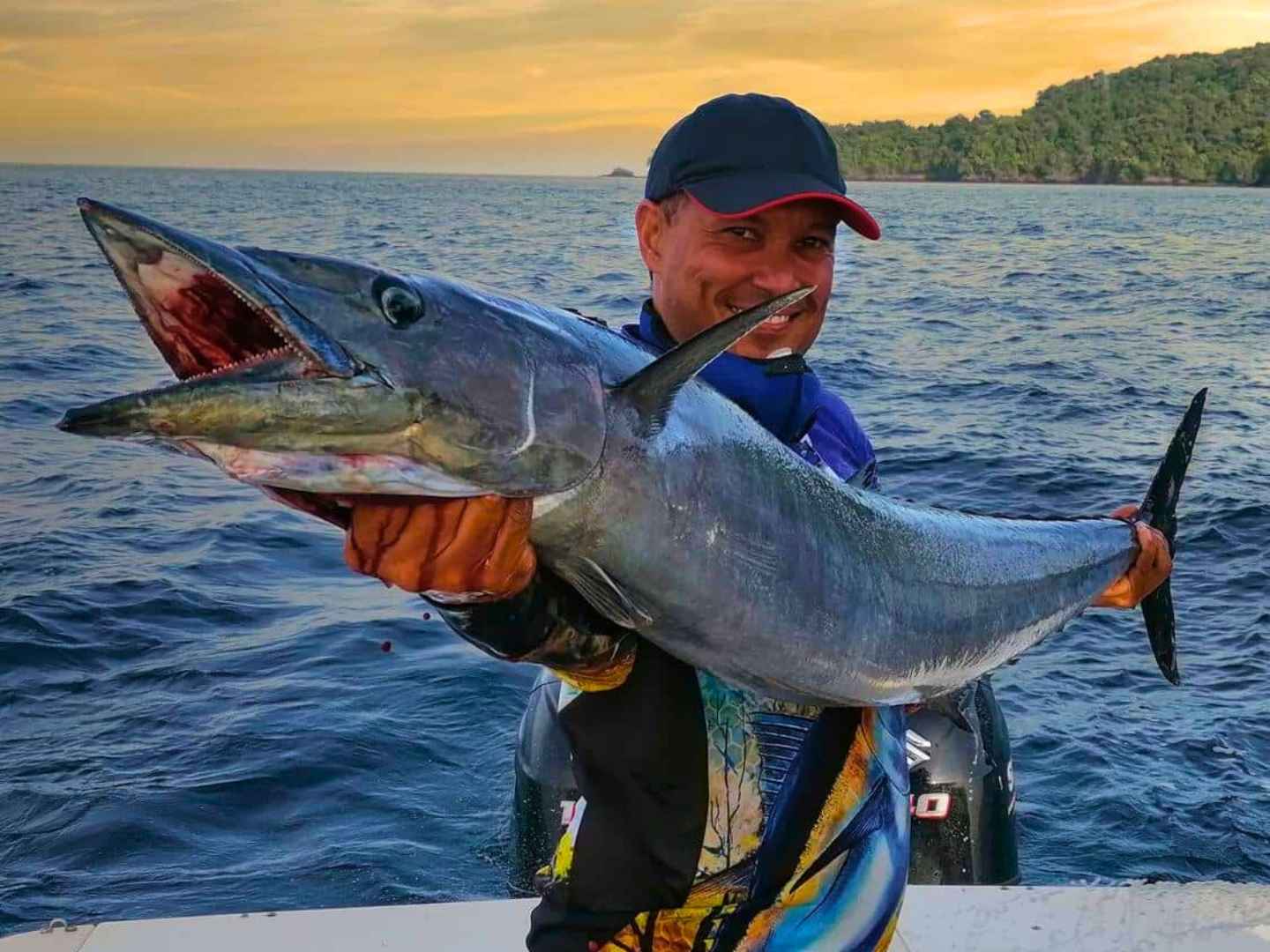
Book a Sailfish Fishing Charter
.png)


 - Blue Lobster Fishing PTY.jpg)
.jpg)
.jpg)

Frequently Asked Questions
Is sailfish good to eat?
Technically yes, but most anglers release them. Sailfish is listed as a "good alternative" seafood choice, but the fishing community has shifted overwhelmingly toward catch-and-release to protect populations. The fight and the moment are the whole point — most serious sailfishermen wouldn't keep one any more than they'd keep a tarpon.
How much does a sailfish charter cost?
It varies by destination. In Costa Rica, full-day offshore charters typically run $1,000–$2,300 for up to 6 anglers. Panama can be slightly more economical depending on the area. That cost includes the boat, captain, mate, tackle, and bait. The per-person cost on a shared or split charter drops significantly — often under $300 per angler for a full day offshore.
What's the best country for sailfish fishing in Central America?
Panama and Costa Rica are both exceptional, and the honest answer depends on what you're after. Costa Rica (particularly Quepos and Tamarindo) is known for the highest release numbers during peak season — it's not unusual to have 10–20+ bites in a day. Panama tends to produce bigger fish and offers incredible multi-species days. Guatemala is the wildcard: if pure sailfish numbers are your obsession, Guatemala's Pacific coast is in a league of its own, with release counts that regularly exceed 40–50 fish per day.
Can beginners catch sailfish?
Absolutely. Sailfish are one of the more accessible billfish species — they're aggressive feeders, they respond well to teasers and pitch baits, and their sheer numbers in peak-season destinations mean there are plenty of chances. A good captain will coach you through the fight. You don't need to be an experienced angler to land your first sail.
What is "Sailfish Alley"?
Sailfish Alley refers to the productive stretch of water running along the eastern coast of Florida, from Palm Beach down through Miami and the Upper Keys. Atlantic sailfish concentrate here in winter, drawn by the warm Gulf Stream waters and baitfish migrations. It's one of the most productive and accessible sailfish fisheries in the Western Hemisphere.
Last Cast
Sailfish are everything great about offshore sportfishing condensed into one spectacular species — the speed, the color show, the aerial acrobatics, and the pure rush of a screaming reel. Whether you chase them in the blue water off Panama's Pacific coast, along Costa Rica's central shores, or in the winter runs off South Florida, a day targeting sailfish is a day you don't forget.
If you're ready to make it happen, explore our sailfish fishing tours and find the charter that fits your timeline. The fish are out there — it's time to go meet them.