
Rainbow Bass Fishing: Complete Guide to Catching Guapote
Rainbow bass (guapote): Central America's most underrated sport fish. Explosive topwater strikes and stunning colors — your complete guide to catching one.
By Charlie Gonzalez10 min read
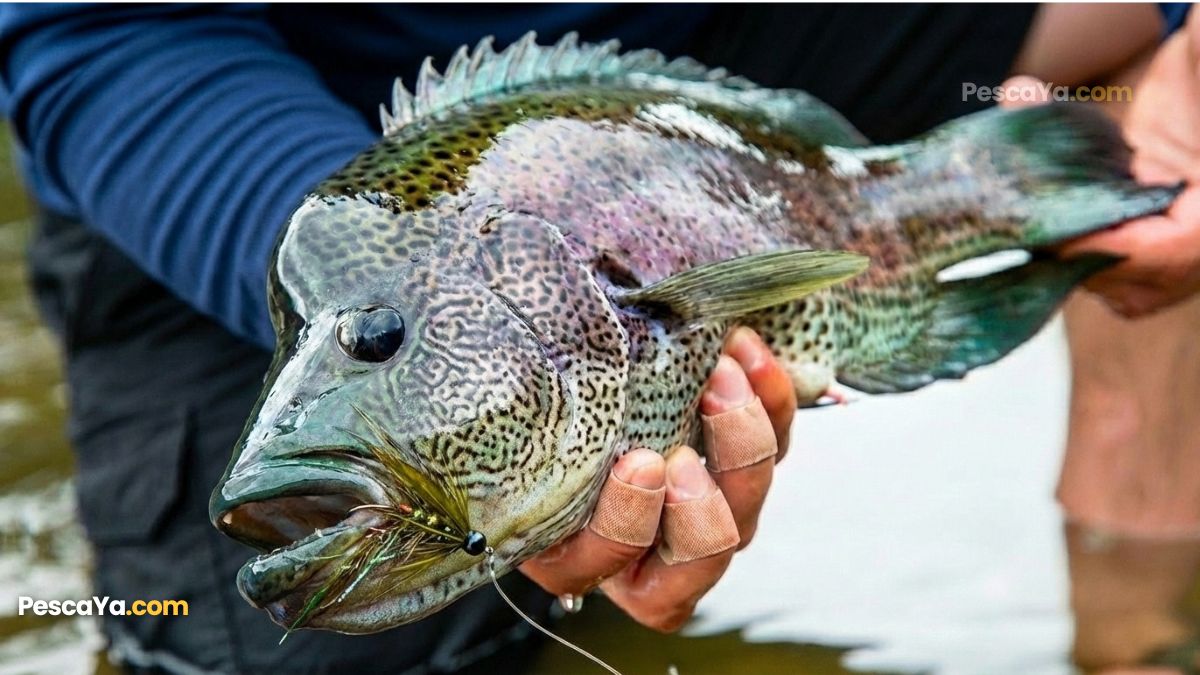
Most anglers have never heard of rainbow bass. They don't appear on bucket lists, they're rarely mentioned in fishing magazines, and they're not marketed to tourists the way marlin or tarpon are. But among the guides who fish Central America's jungle lakes every morning, the guapote has a different kind of reputation.
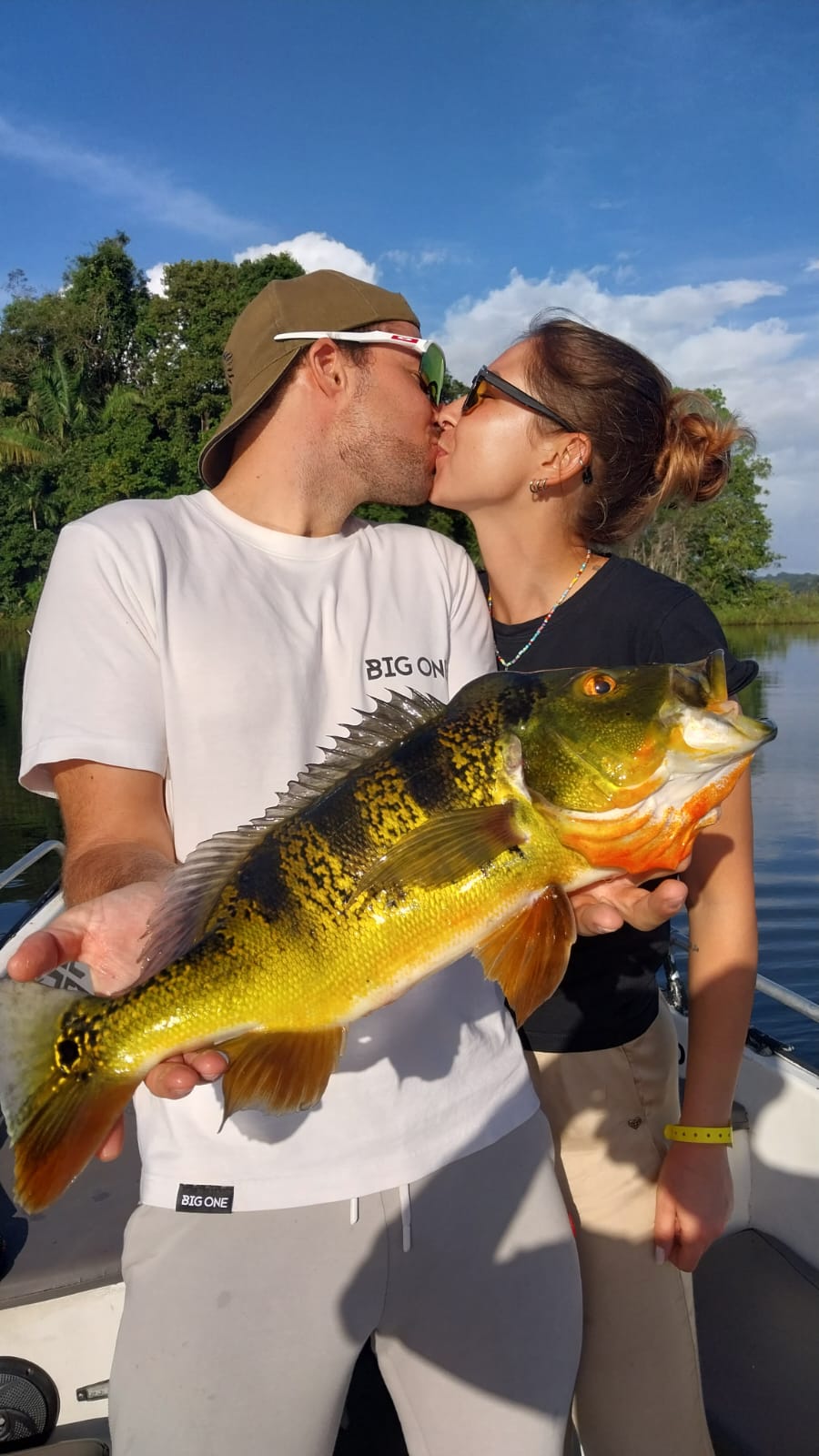
Pound for pound, it fights harder than largemouth bass. It strikes topwater lures with the kind of aggression that makes your heart jump. And it's one of the most visually striking freshwater fish in the Americas — a golden-yellow body flecked with blue, black, and purple markings that almost looks too vivid to be real.
If you're looking for a freshwater fishing experience that most people don't know exists, rainbow bass is it. This guide covers everything you need to know: what they are, where to find them, how to catch them, and where to plan a trip.
Rainbow bass chartersBook your rainbow bass tripLake fishing in Panama & Costa Rica · Gatún & ArenalBrowse charters →What Is Rainbow Bass? (Meet the Guapote)
Species, Names, and How to Identify One
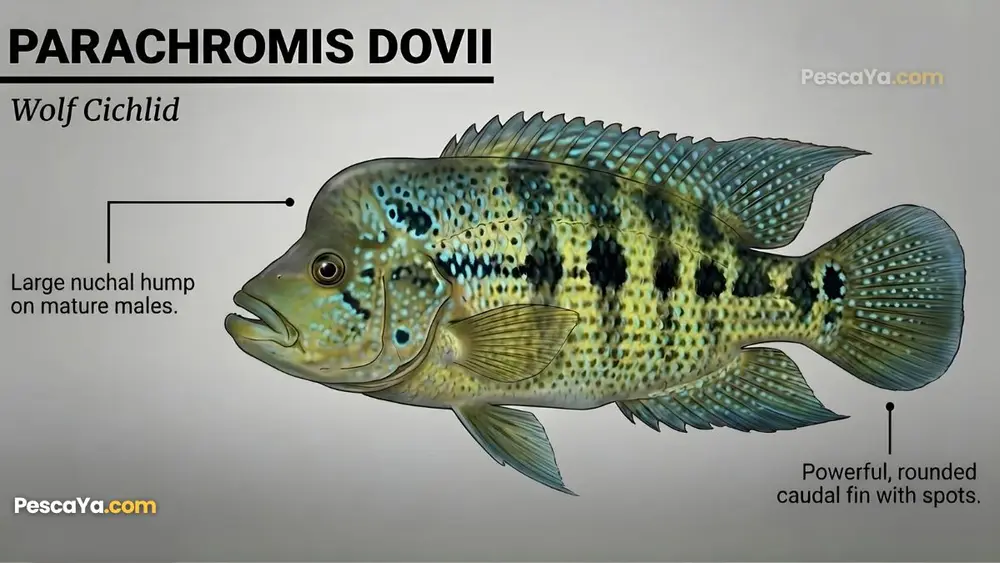
Rainbow bass go by several names — guapote, wolf cichlid, and their scientific name Parachromis dovii — but no matter what you call them, the fish is the same. They're members of the cichlid family, which makes them relatives of peacock bass and tilapia rather than the largemouth or smallmouth bass most anglers are familiar with.
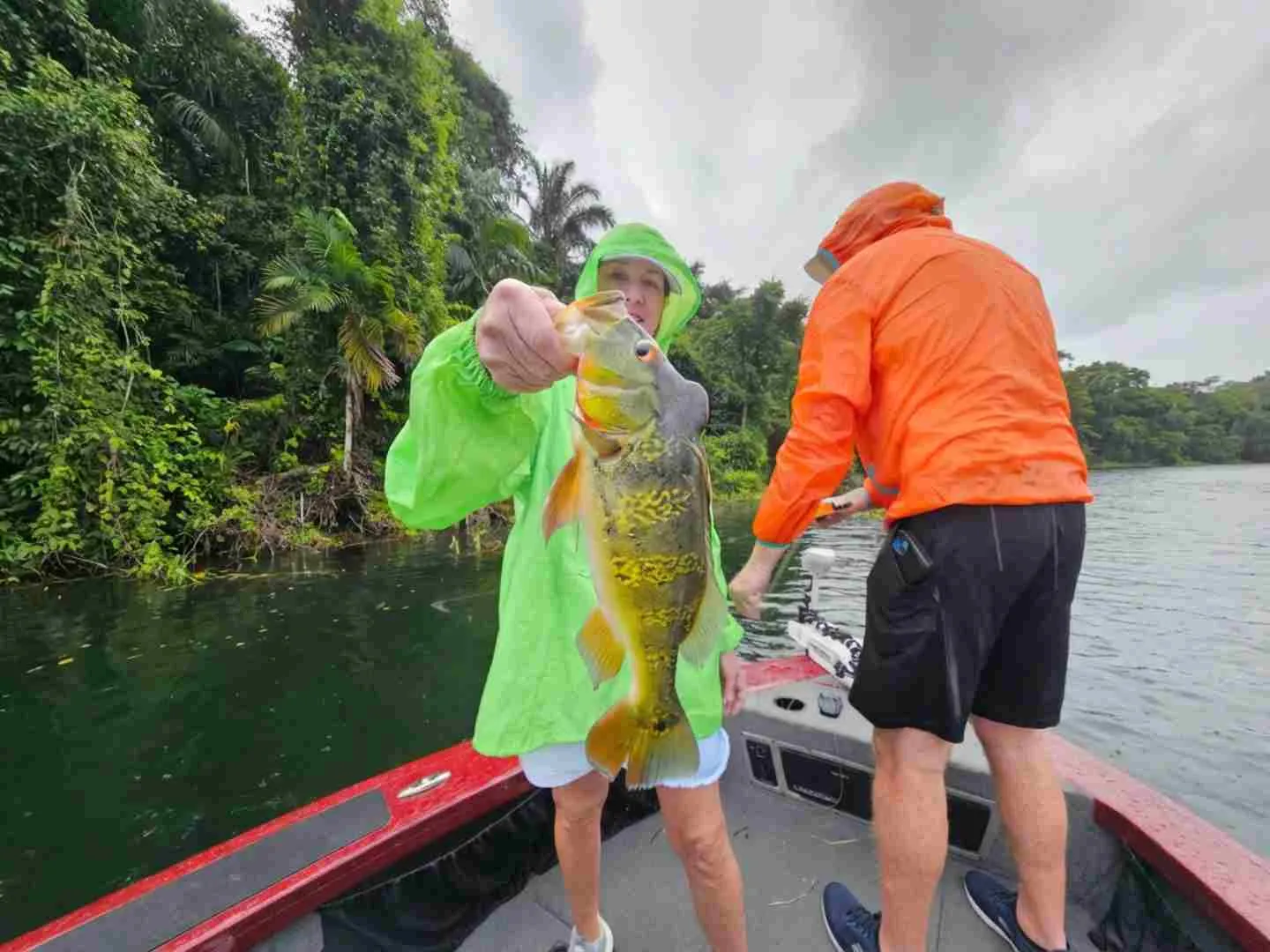
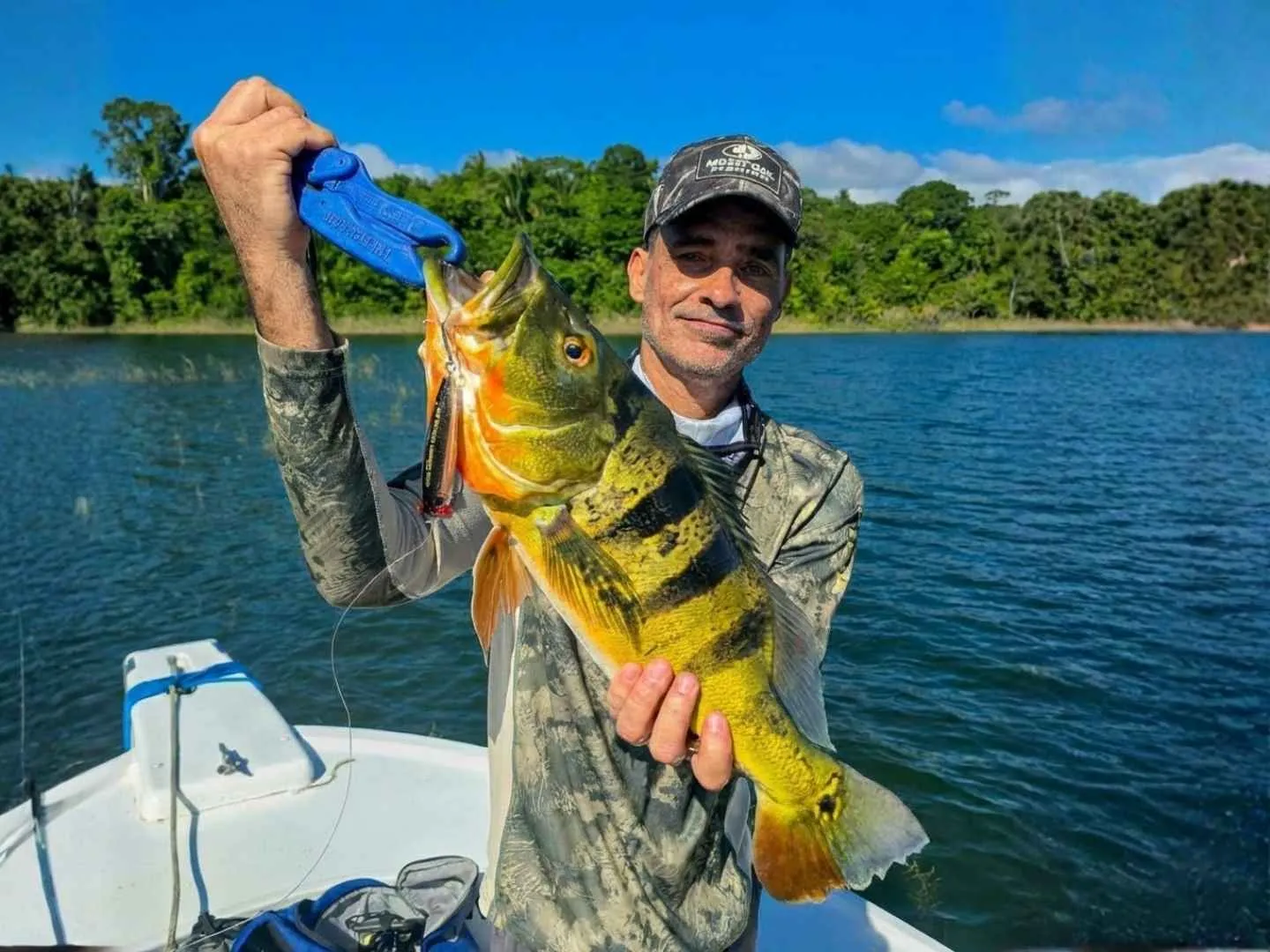
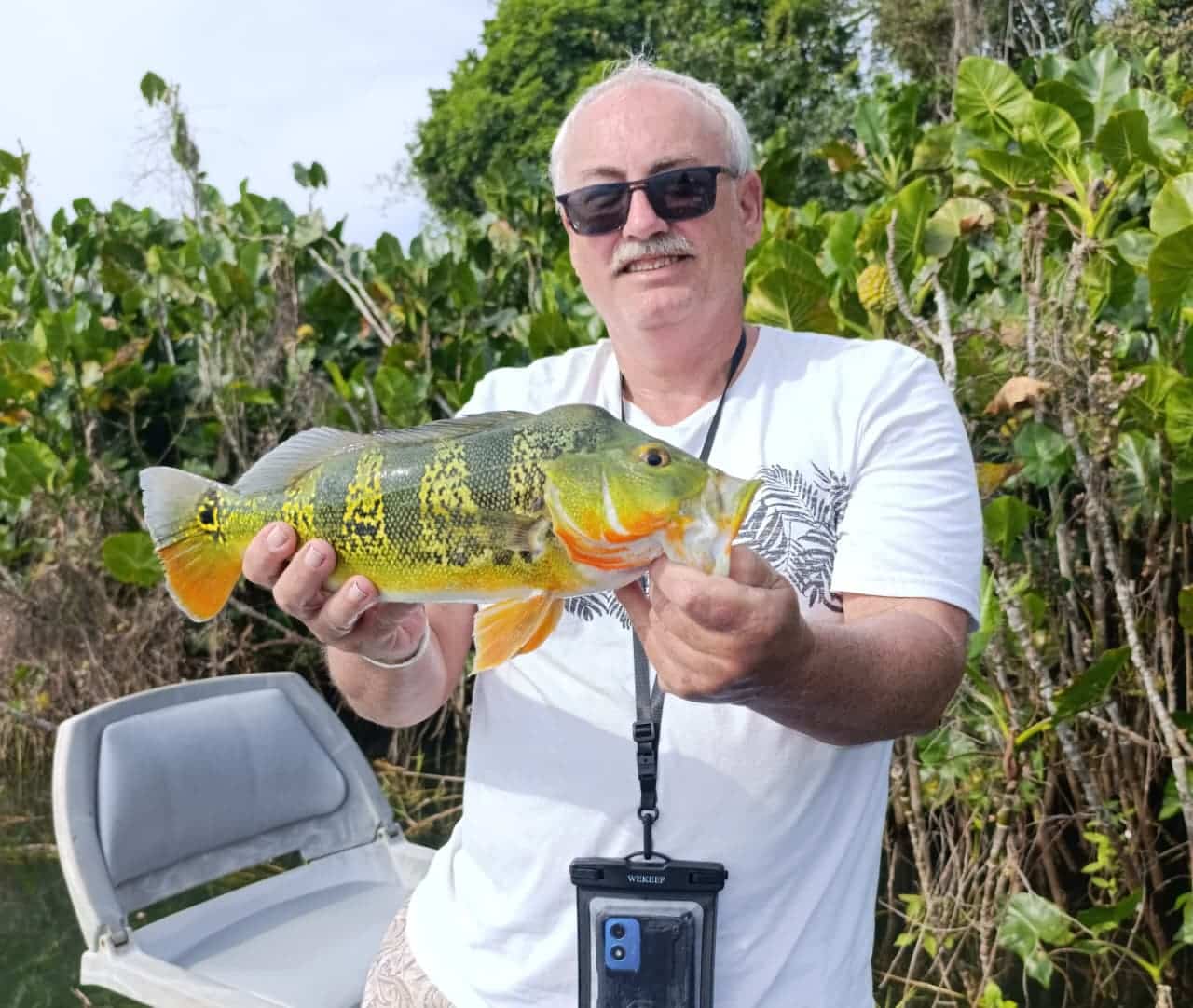
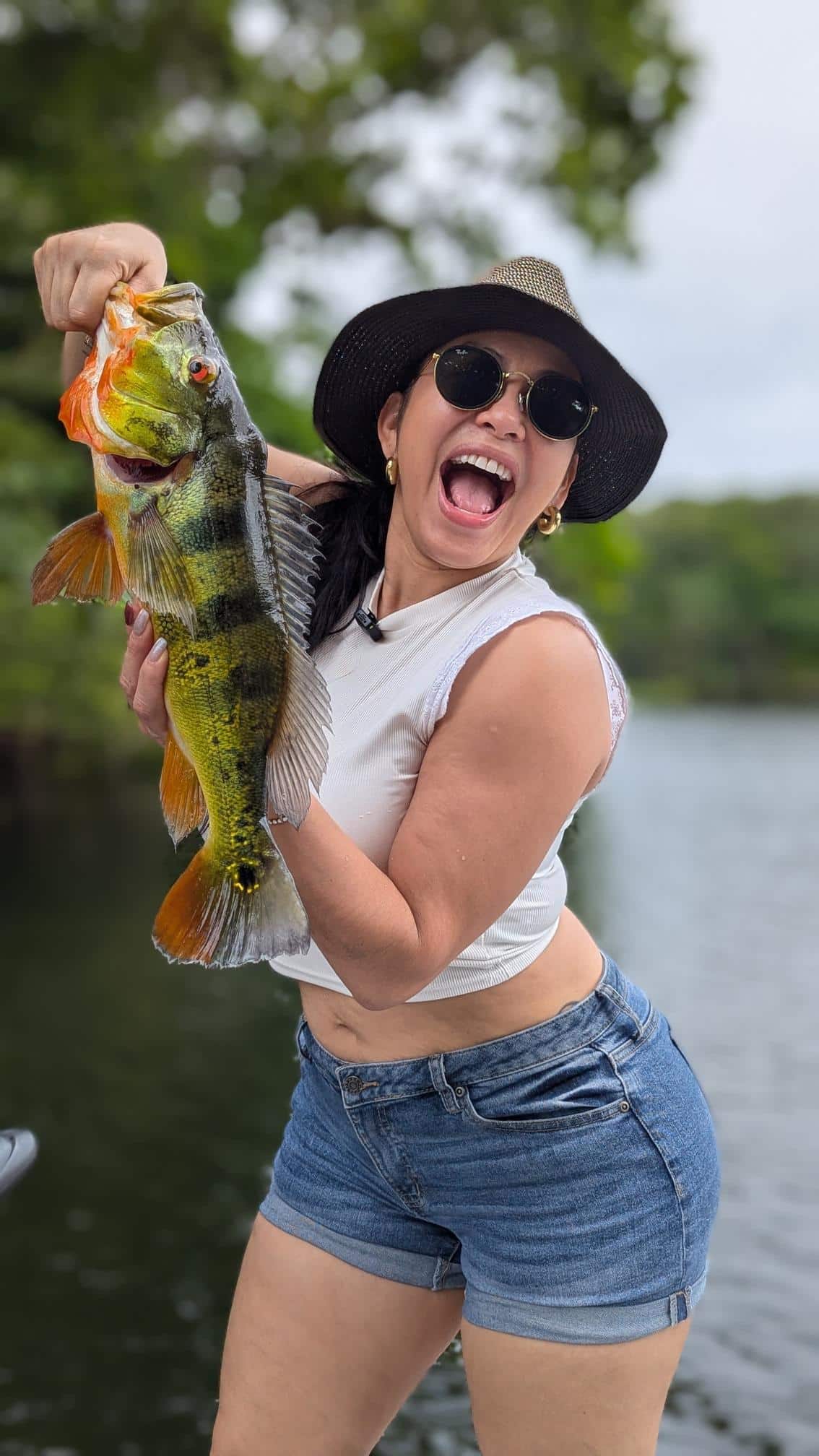
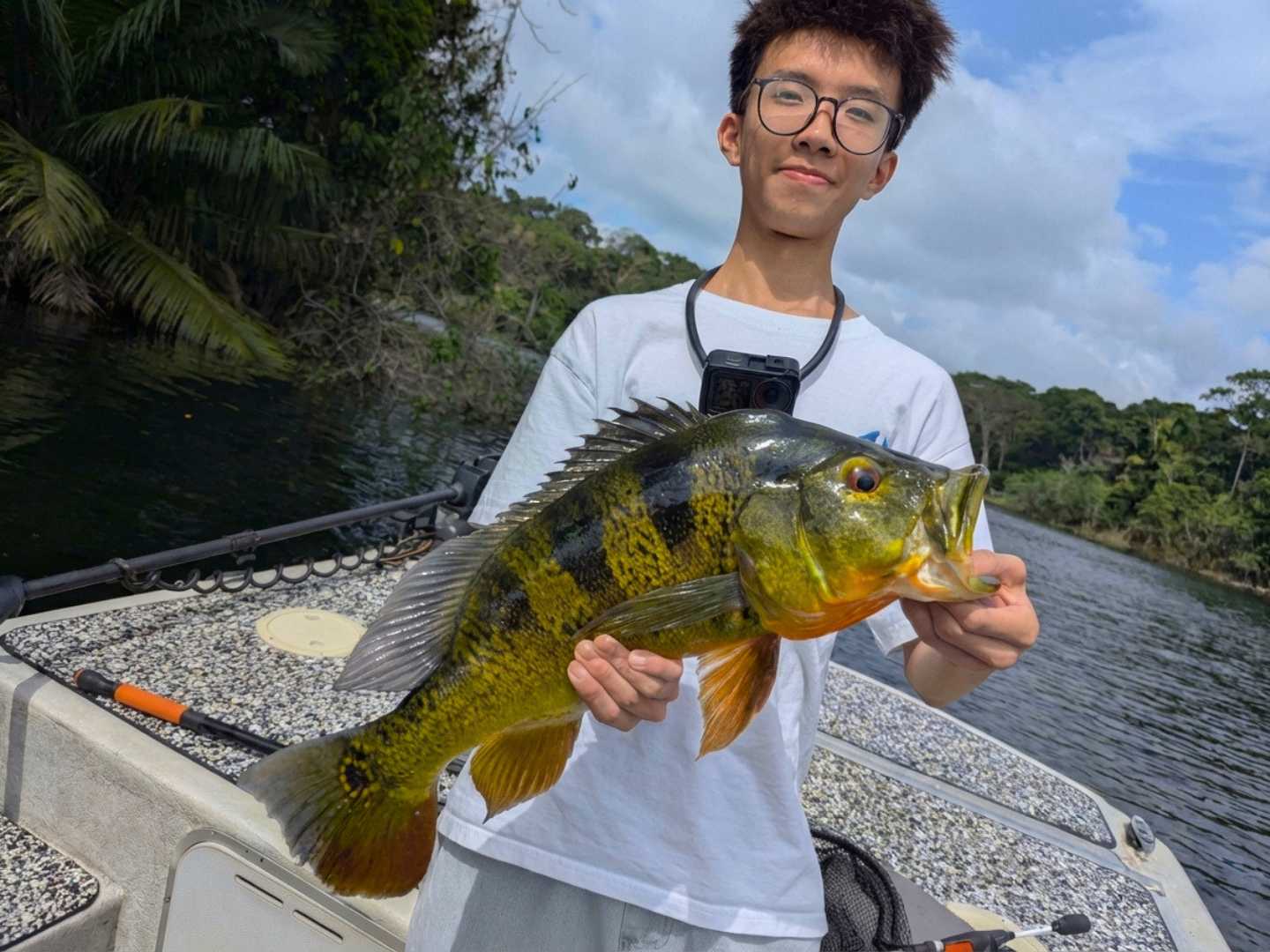
The name guapote comes from the Spanish for "handsome one," and it earns it. Mature males develop a golden-yellow body covered with iridescent blue, black, and purple spots and bold dark vertical bars. Before and during spawning, their heads shift to deep reds and greens. One of the most distinctive features is the pronounced nuchal hump — a forehead bump that develops in large, mature adults. Females are generally smaller, show more prominent gold coloring during courtship, and can occasionally grow as large as the males.
They're ambush predators. They lurk under submerged timber, root tangles, and weed edges, darting out to strike smaller fish, frogs, and freshwater shrimp. When they hit a lure, they hit it hard — and the moment they feel the hook, they immediately try to dive back into the nearest cover. That instinct is what makes them such a demanding target. Sloppy technique and light line will lose you fish.
Rainbow Bass vs. Peacock Bass — Same Lake, Different Fish
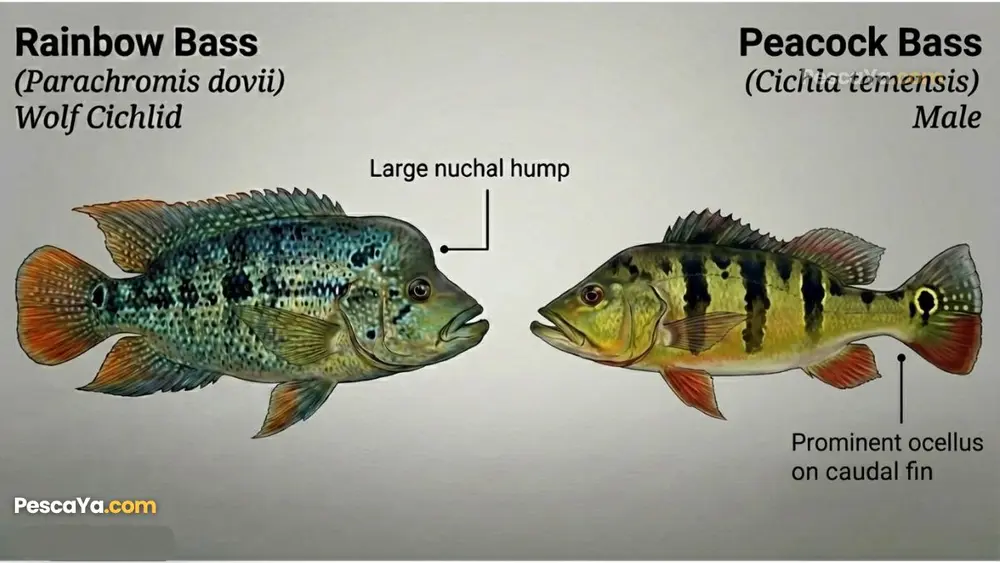
This is the question that confuses most anglers. Both are cichlids, both live in the same Central American lakes, and both are aggressive predators. But they're distinct species with meaningful differences.
Peacock bass (Cichla ocellaris) are South American natives introduced to Panama's Gatun Lake in the 1960s. They're typically larger on average, and they're the dominant freshwater species in Gatun Lake by a wide margin. Rainbow bass (Parachromis dovii) are a native Central American species with a longer natural history in the region's rivers and lakes.
The fishing experience is also different. Peacock bass respond well to jerkbaits, paddletails, and larger profiles. Rainbow bass tend to prefer spinnerbaits, crankbaits, and compact jigs worked tightly to structure — and they need that lure within a foot of their holding spot to trigger a strike. In Gatun Lake, you can target both in the same session, making it one of the few places in the world to catch both species back to back. For more on the other side of that equation, our peacock bass fishing guide covers that species in detail.
Where Do Rainbow Bass Live?
Native Range and Habitat
Rainbow bass are native to the Pacific and Atlantic drainages of Central America — Honduras, Nicaragua, Costa Rica, and Panama. They thrive in lakes, rivers, and lagoons with a mix of muddy, rocky, or sandy bottoms and abundant woody structure.
What they always want is cover. Submerged timber, fallen trees, weed lines, rocky riprap, and river channel edges are all prime holding areas. They're also light-sensitive, which is critical knowledge for anyone planning a trip. On bright, cloudless days, rainbow bass go deep and go quiet. On gray, overcast mornings — the kind where the jungle mist is still sitting on the lake — they come up shallow and are far more willing to feed on the surface.
During the dry season, when water levels drop, guapote burrow nests into exposed mud banks just below the waterline. Those visible nests are essentially a fishing map — find the nests, and you'll find fish holding tight nearby.
Best Rainbow Bass Destinations in Central America
Panama — Gatun Lake
Gatun Lake is the most accessible rainbow bass destination in Central America. The lake sits 45–60 minutes from Panama City, making it a realistic day trip from any Panama City hotel. The main launch point is Gamboa, a small riverside town on the Canal watershed — read more about the fishing options around Gamboa here.
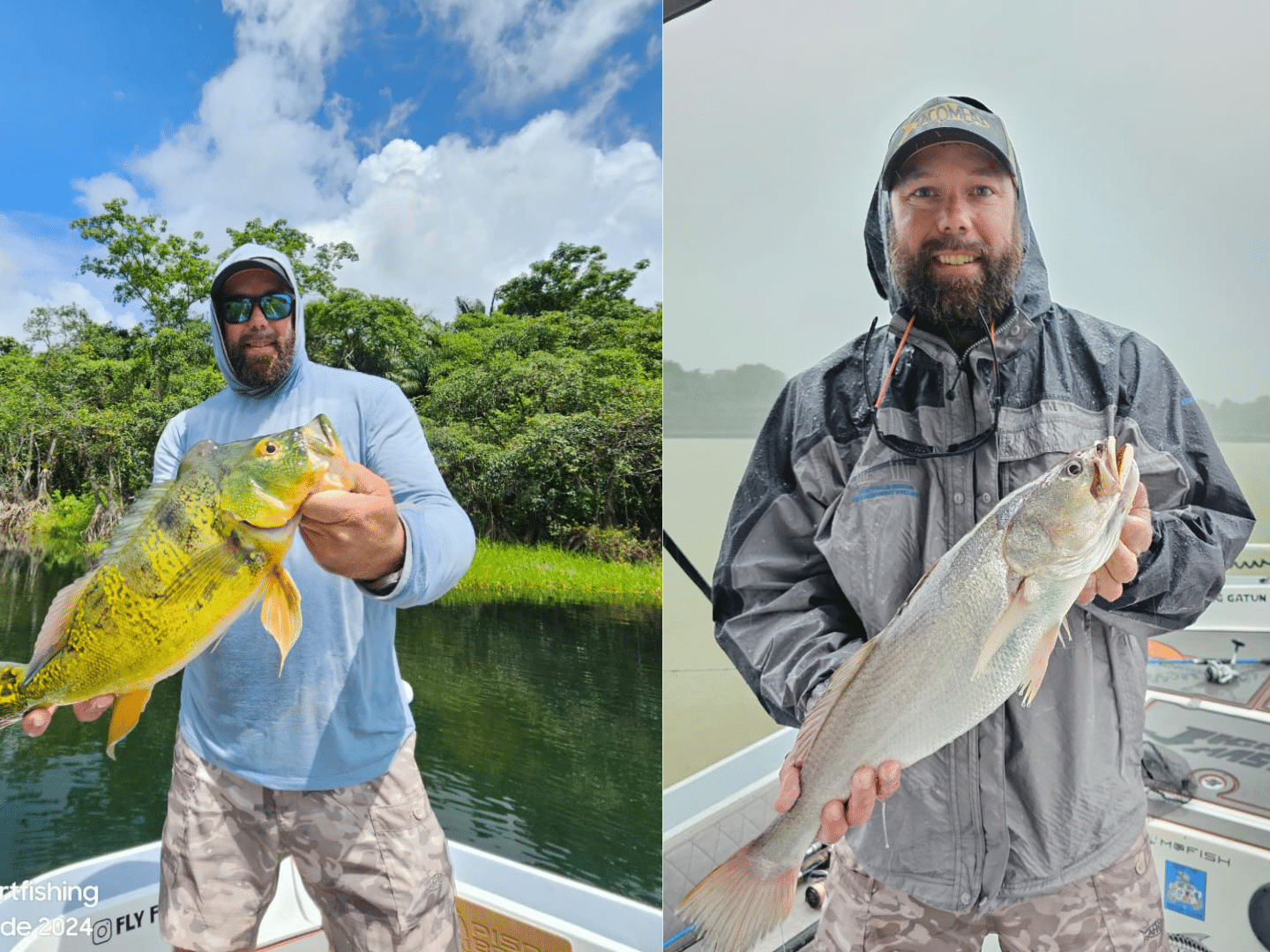
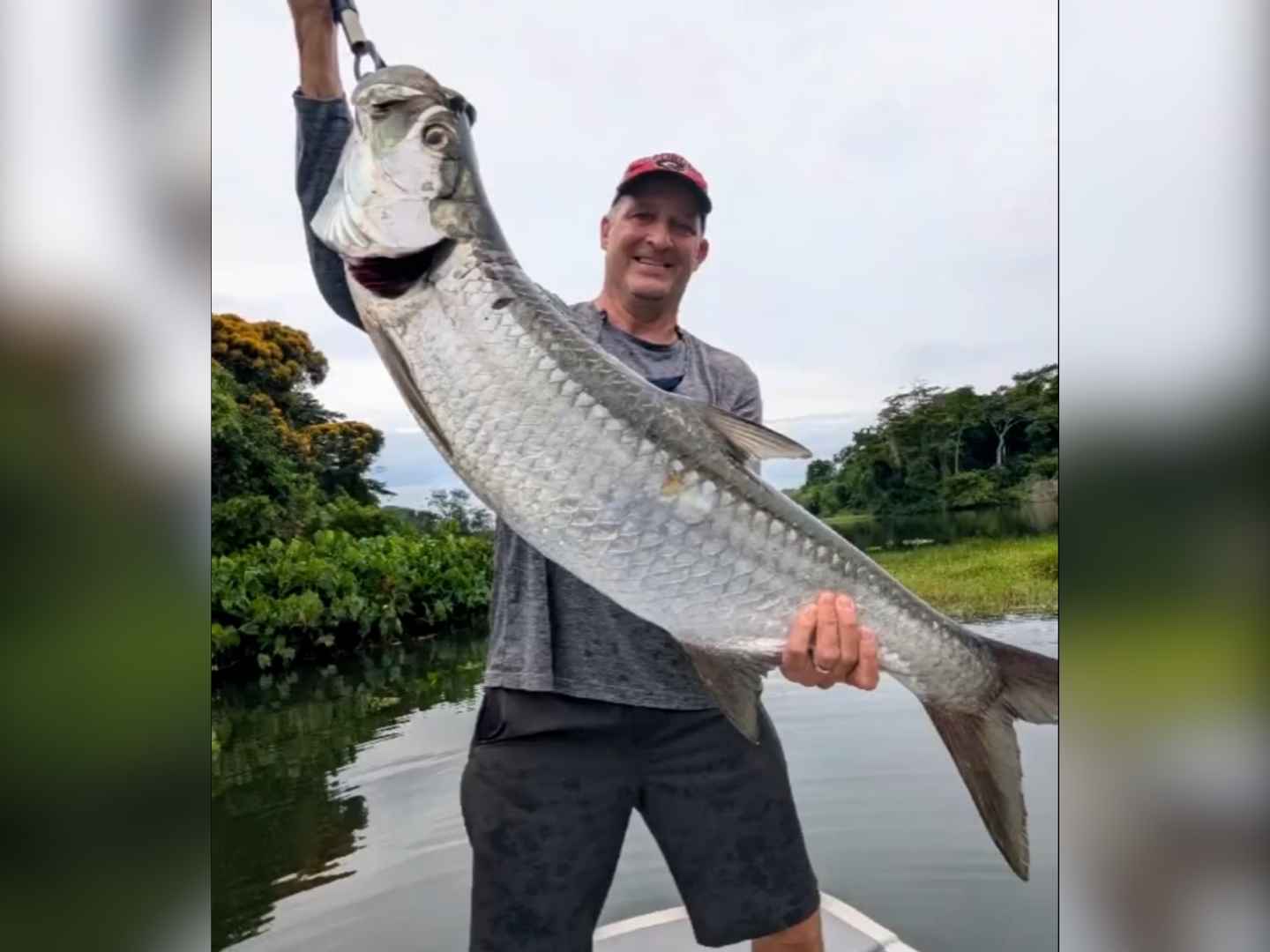
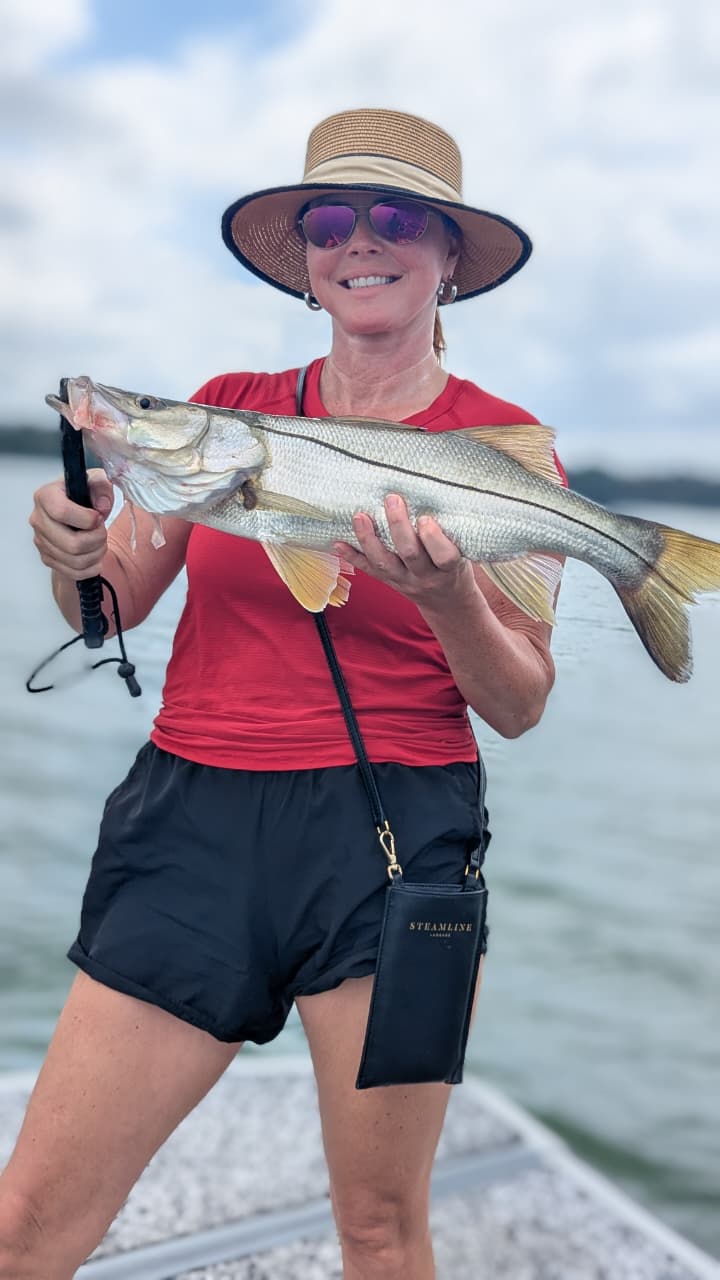
What makes Gatun Lake unique is the combination: it's one of the only fisheries in the world where rainbow bass and peacock bass coexist in the same water. You can target both in a single session, which makes for an exceptionally varied day. Add jack crevalle, snook, and tarpon that push into the lake from the Canal locks, and Gatun may offer more species diversity in a half-day than any other freshwater lake in the Americas. Our Gatun Lake fishing guide breaks down the full picture.
 Charters · PanamaRainbow Bass Fishing in PanamaGatun Lake & Panama Canal waterwaysView Charters →
Costa Rica — Lake Arenal
Lake Arenal is the most iconic rainbow bass fishery in Central America. Situated at the base of Arenal Volcano, the lake offers extraordinary early-morning conditions — glass-calm water, cool mist, and a backdrop that's hard to match. Anglers consistently report landing nine to twelve guapote in a morning session, with fish commonly running 2–5 lbs and the occasional double-digit catch. The dry season (December–April) produces the most concentrated fishing, but Lake Arenal produces year-round.
 Charters · Costa RicaRainbow Bass Fishing in Costa RicaLake Arenal — world-class guapoteView Charters →
Nicaragua — Lake Nicaragua and Río San Juan
Nicaragua holds some of the largest rainbow bass on record — fish from the Solentiname Archipelago in Lake Nicaragua regularly reach 10–14 lbs, and guides describe them as fighting harder than anything else in freshwater. The Río San Juan, which connects Lake Nicaragua to the Caribbean, adds tarpon and snook to the mix. The current IGFA world record — 15 lbs 0 oz — was caught in southern Nicaragua in 1999, breaking the previous record of 12 lbs 9 oz set in Costa Rica in 1991.
Honduras — Lake Yojoa
Honduras's Lake Yojoa and the border lakes along the Nicaraguan lowlands hold solid rainbow bass populations, though guided fishing infrastructure is less developed here than in the other three countries. Best for anglers who want a more remote experience.
How to Catch Rainbow Bass
The Dawn Topwater Window — Don't Miss This
The single most important piece of advice for rainbow bass fishing: be on the water before sunrise. The window from first light to about 8am is when guapote are at their most aggressive and their most accessible. Gray, overcast mornings are even better — the diffused light keeps light-sensitive fish in the shallows longer.
Work poppers, buzzbaits, and walking lures like a Zara Spook along timber edges, weed lines, and shallow structure. The strikes in this window are violent. Guapote don't nudge a lure — they absolutely crush it from below, often completely clearing the water. Once the tropical sun climbs and the surface warms, this bite window shuts quickly. Most experienced guides will tell you the first two hours of light produce more fish than the rest of the day combined.
Working Structure with Spinnerbaits and Crankbaits
After the topwater window closes, it's time to work structure more methodically. Rainbow bass are ambush predators, and their holding positions are precise — cast your lure within one foot of a submerged log or brush pile and you'll get a strike. Cast two feet past it and you might get nothing.
Spinnerbaits and crankbaits in bright yellows, greens, and whites are the go-to presentations. Work them slow and tight to cover, letting the lure pause near structure before the next retrieve. When a guapote commits to the strike, it will immediately try to turn and dive back into cover — this is the moment where your line weight matters most. A 20–30 lb braided main line gives you the leverage to redirect the fish before it gets there.
Midday Deep Tactics
By late morning, most rainbow bass have dropped into deeper, cooler water to escape the heat. Switch to deep-diving plugs in the 16–20 ft range or rubber jigs worked vertically around submerged structure. Trolling deep-diving crankbaits through the coolest, darkest pockets of the lake is one of the best methods for targeting the largest fish, which tend to hold deepest during midday.
Fly Fishing for Rainbow Bass
Guapote are an outstanding fly target. Use a 7–8wt rod with a sinking tip line. In the early morning, poppers and large bug patterns on a floating line will draw explosive topwater strikes. As the sun rises, switch to streamers in yellow, red, and tinsel combinations. In deeper water during midday, shrimp patterns in beige, brown, and gray work well. Precision casting is even more critical on the fly — you need to drop the fly within inches of the target structure. For a deeper look at freshwater fly options in Panama, our fly fishing in Panama guide is a good companion read.
Gear and Tackle for Rainbow Bass
You don't need specialized gear, but a few choices make a real difference:
- Rod: 6'6"–7'6". Shorter rods are preferred in tight jungle environments; a stiffer rod helps you winch fish away from cover.
- Reel: Either spinning or baitcasting. Baitcasters give better precision for tight-target casting; spinning reels are easier for beginners.
- Line: Minimum 12 lb mono, but 20–30 lb braid is strongly recommended. Rainbow bass bend hooks and test knots.
- Top lures: Poppers, buzzbaits, Zara Spook-style walkers, spinnerbaits, crankbaits, rubber jigs, and deep-diving plugs.
Colors: Bright yellows, greens, and whites consistently outperform natural/muted patterns.
Best Time of Year to Fish for Rainbow Bass
Rainbow bass can be caught year-round across Central America, but the dry season (December through May) is the prime window. Lower water levels concentrate fish in predictable holding areas, reduce the amount of flooded vegetation they can hide in, and expose the mud bank nests that act as natural fish finders. Water clarity is also better during the dry season.
During the rainy season (May through November), rising water levels push guapote into flooded jungle vegetation — they disperse widely and require more effort to locate. The fish are still there and still hit lures, but the dry season stacks the odds in your favor.
Regardless of season, early morning (5–8am) and late afternoon (4–6pm) are the most productive windows. If you're planning a half-day trip, choose the morning session every time.
Freshwater Charters · Panama & Costa Rica
Book a Rainbow Bass Fishing Charter
.jpg)

.jpg)
6 Hours of Fishing 6a.m.-12p.m. - All Inclusive VIP

4 Hour Fishing Trip in Panama Canal
.jpeg)

Frequently Asked Questions
Is rainbow bass the same as peacock bass?
No — they're two different cichlid species. Peacock bass (Cichla ocellaris) are from South America and were introduced to Panama's Gatun Lake in the 1960s. Rainbow bass (Parachromis dovii) are a native Central American species. Both can be found in Gatun Lake, making it one of the few places in the world to target both species in a single trip.
What is the IGFA world record for rainbow bass?
The current IGFA all-tackle world record is 15 lbs 0 oz, caught in southern Nicaragua in 1999. It broke the previous record of 12 lbs 9 oz, set in Costa Rica in 1991. Fish over 10 lbs are considered exceptional and are most commonly found in Nicaragua's Solentiname Archipelago.
What size rainbow bass can I expect to catch?
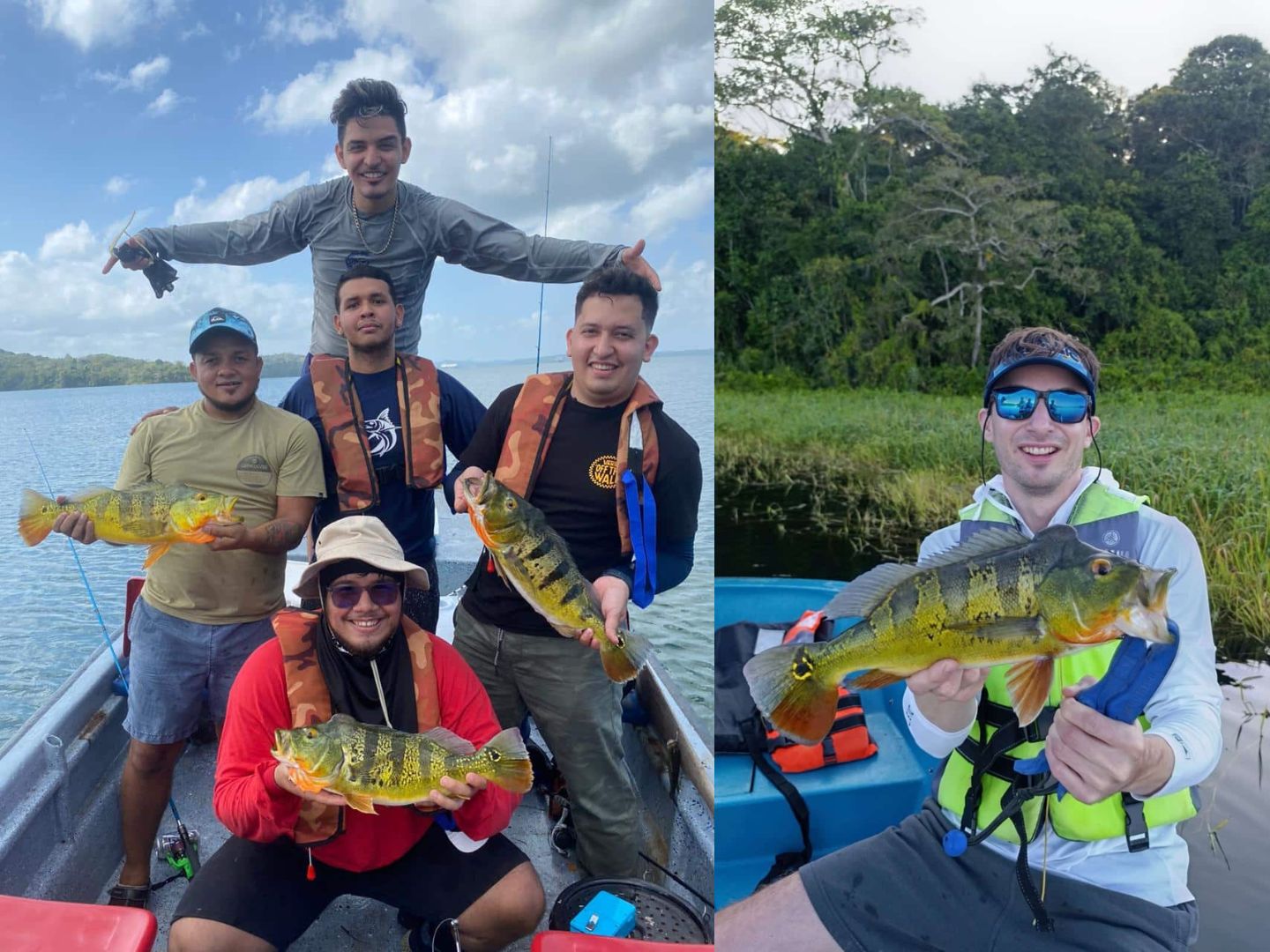
Most anglers catch fish in the 2–6 lb range on a typical day. Fish in the 8–10 lb class exist in all major destinations, and double-digit fish are realistic in Nicaragua. In Gatun Lake, fish commonly run 3–7 lbs.
Are rainbow bass good to eat?
Yes — they have soft white flesh and are considered good table fare. That said, catch-and-release is strongly encouraged. Rainbow bass populations have declined in parts of their native range, and responsible fishing helps protect the fishery for future generations.
Do I need a fishing license to fish for rainbow bass?
Licensing requirements vary by country and destination. In Panama, your guide or charter operator will typically handle the necessary permits — just confirm when booking. Always bring a valid passport or government ID on the water.
Last Cast
Rainbow bass don't get the headlines, but they deserve them. A guapote exploding on a popper at first light — in the middle of a jungle lake, with macaws flying overhead and the mist still on the water — is one of those fishing moments that stays with you.
Panama is the easiest place to start. Gatun Lake puts you on the water in under an hour from Panama City, with the unique bonus of peacock bass, snook, and tarpon all sharing the same fishery. It's one of the most species-diverse freshwater lakes in the hemisphere, and the rainbow bass are a big part of why.
Ready to experience it? Browse our rainbow bass fishing tours in Panama to find the right charter for your trip. Costa Rica and Nicaragua itineraries are coming — stay tuned.