
PanamaWhere to Fish
Fishing in Panama: Best Spots, Species & Seasons
Discover the best fishing in Panama — Hannibal Bank marlin, Gatun Lake peacock bass, Pacific snook and more. Top spots, seasons, species, and booking guide.
By Charlie Gonzalez15 min read
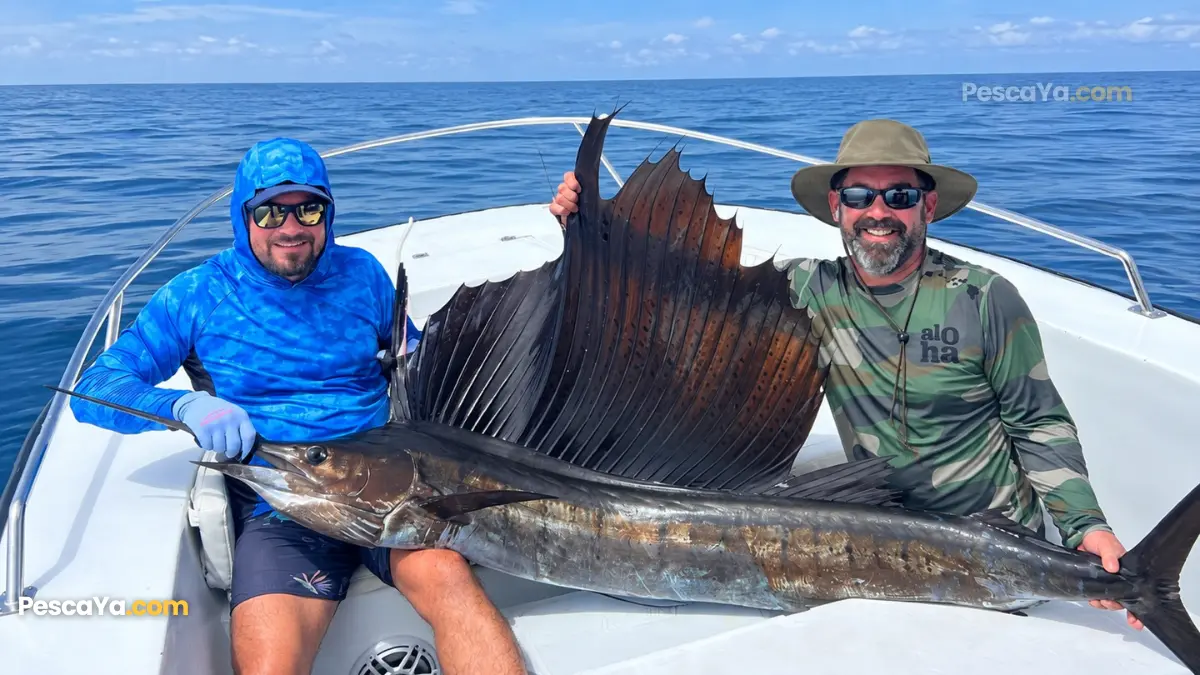
Panama’s very name comes from an indigenous word for “abundance of fish,” a description that still rings true today. Sitting at the crossroads of two oceans and two continents, the country is blessed with world‑class sportfishing, vibrant local fisheries, and some of the toughest conservation rules in the Americas. For anglers and travelers alike, Panama offers everything from 1‑hour city trips in the Panama Canal to multi‑day expeditions to remote islands where world records are broken regularly. So if you're planning to go fishing in Panama, this guide is for you.
Why trust this guide?
As avid fishermen and tour organizers based in Panama, we combine first‑hand experience with data from the International Game Fish Association (IGFA), government tourism reports, and the latest research on sustainable fishing. Panama holds IGFA records for more than 30 different species, including 19 all‑tackle world records and even a hybrid Trevally named after the visiting angler who discovered it. Our goal is to provide practical, trustworthy advice for both seasoned anglers and first-timers and to highlight how you can book trips legally and responsibly through PescaYa, Panama’s home-grown fishing-tour marketplace.
TOP SPOTS IN PANAMA
Panama Fishing Charters
.jpg)
.jpg)

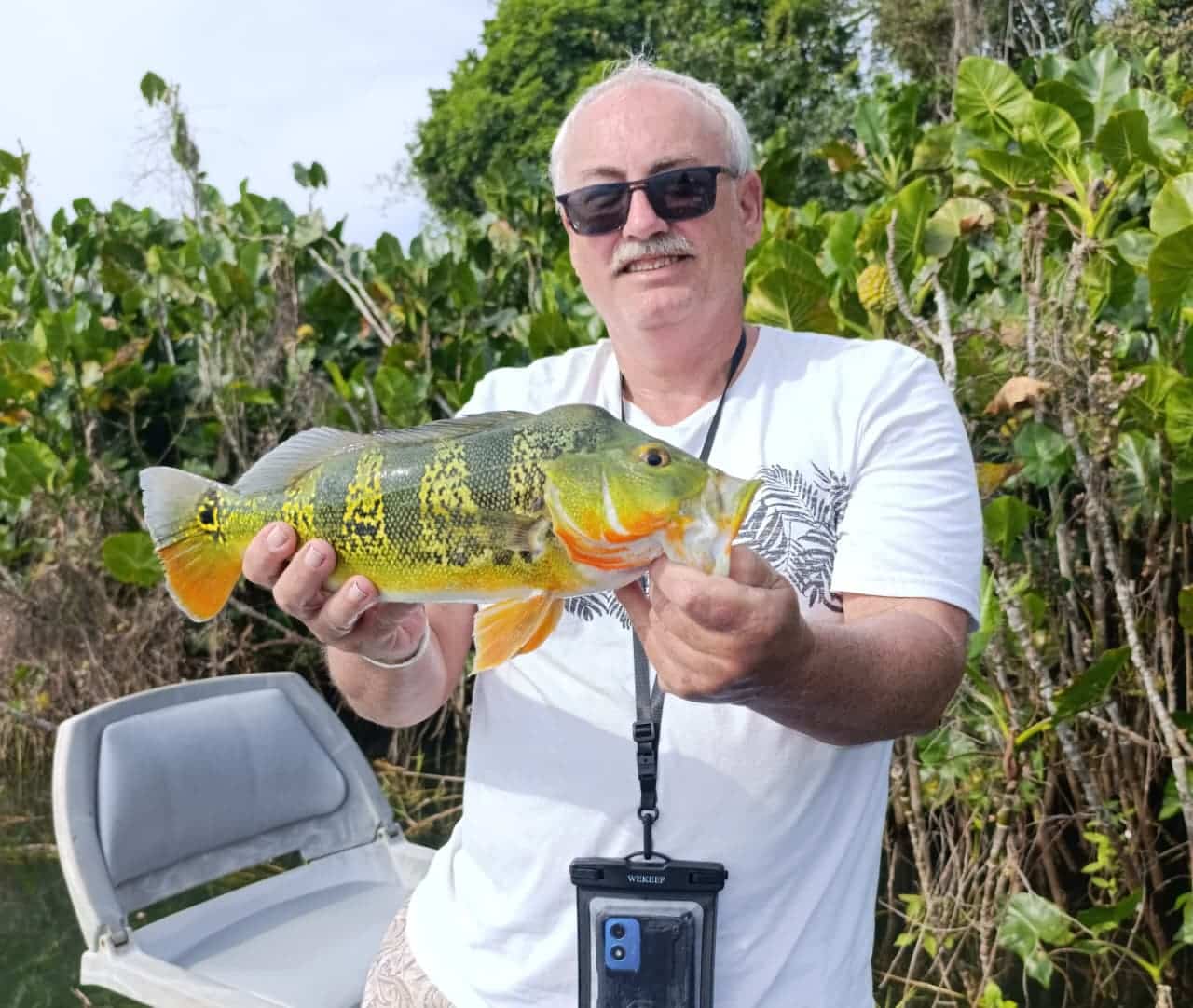
6 Hour Fishing Trip in Panama Canal

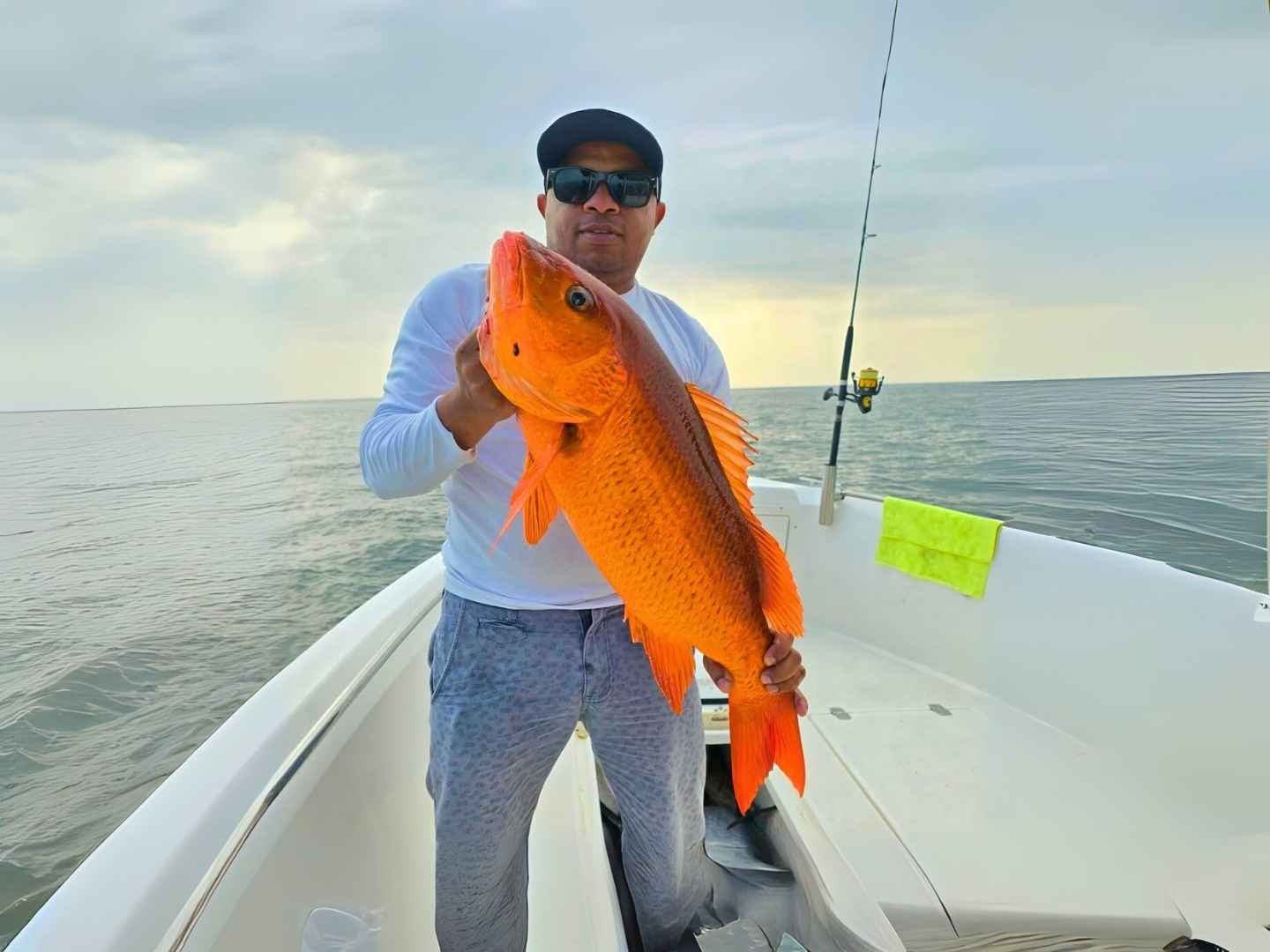
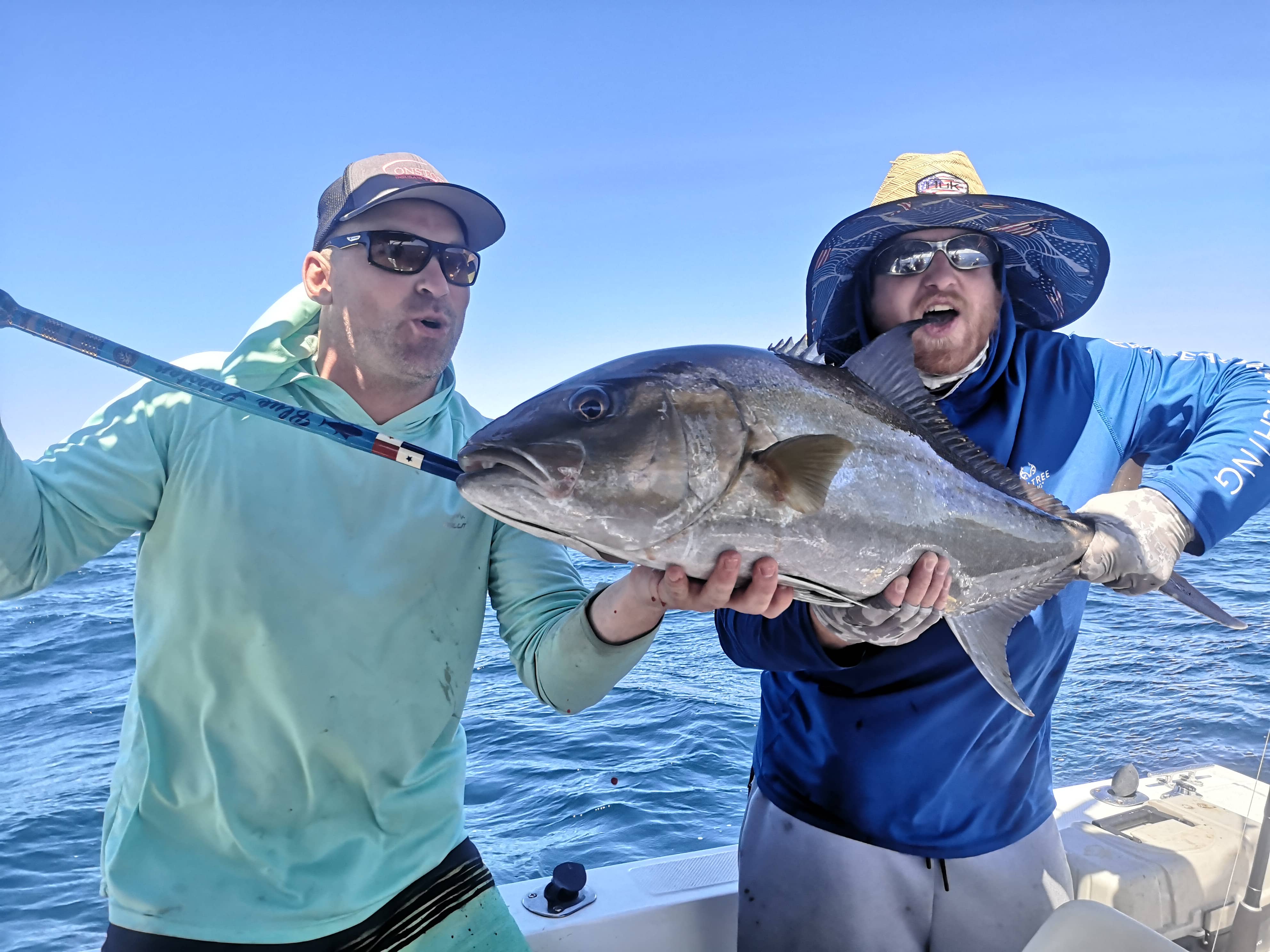
 - Blue Lobster Fishing PTY.jpg)
Pearl Islands - (Contadora, Saboga, Bartolome)
Why Panama is a World‑Class Fishing Destination
Panama is the only country in the world where you can fish the Pacific and Atlantic oceans on the same day.
Two ocean currents — a cold current from Antarctica and a warm current from the south — converge off the Pacific coast. This collision fuels plankton blooms, attracts bait fish, and creates ideal conditions for big game species like marlin, tuna, and sailfish.
The country’s geography also offers every type of fishing environment: deep‑sea blue water, rocky reefs, mangrove estuaries, and freshwater lakes.
The Best Places to Fish in Panama
Panama’s waters divide into four broad zones: the easy-access Panama Bay, Pearl Islands, Gatun Lake and Bayano River near the capital; the Pacific hotspots strung along the Gulf of Chiriquí and the Azuero coast, including the Hannibal Bank seamount, Cambutal, Pedasí and Palo Seco; the remote Darién, where Piñas Bay has produced more deep-sea world records than anywhere on Earth; and the quieter Caribbean around Bocas del Toro. Below, what to expect in each and which species to target. When you’re ready to book, PescaYa makes it easy to compare charters and secure a spot with trusted captains.
Panama City Bay Fishing
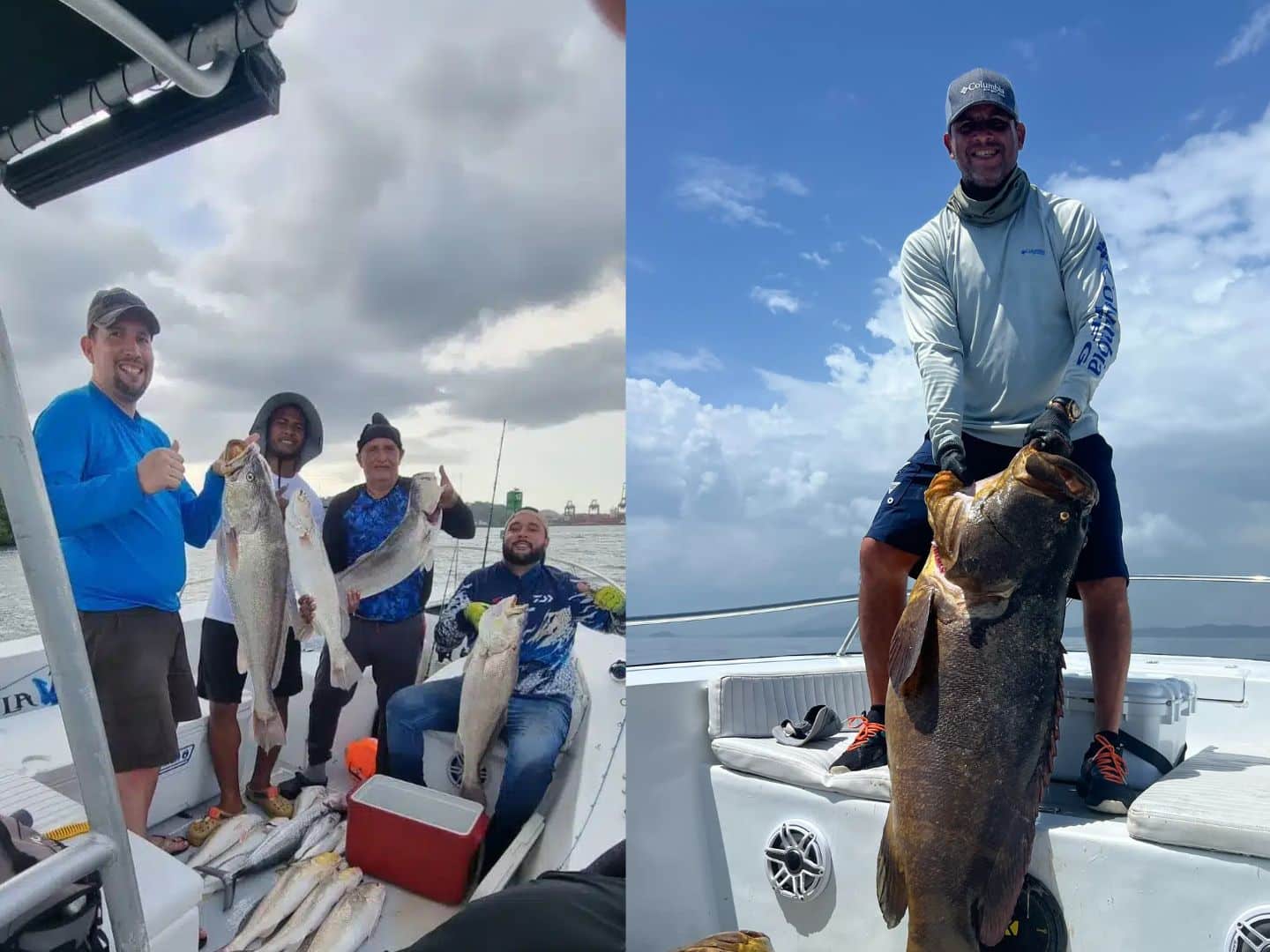
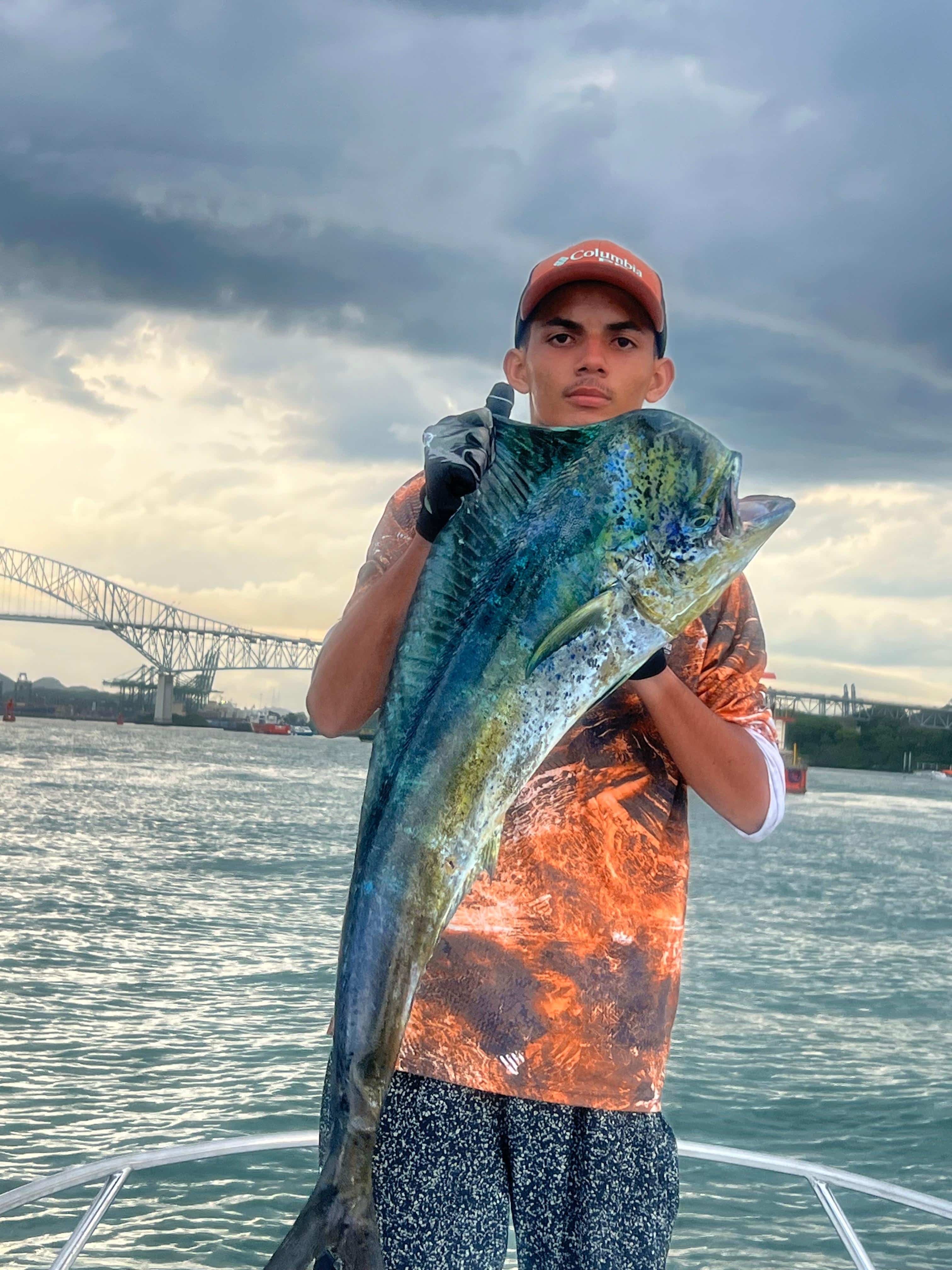
If you're looking for a quick trip while in Panama, fishing in Panama City Bay is just minutes from downtown Panama City. It's one of the most reliable and versatile fishing spots in Panama. Strong tides and nutrient-rich Pacific currents keep the bay loaded with life, making it especially productive for bottom fishing. Anglers regularly target red snapper, corvina, snook, and hard-fighting jacks on reefs, structure, and drop-offs throughout the bay. Panama Bay is also good for trolling spanish mackerel, jacks, and sailfish a bit further out.
Key species & seasons
- Corvina & Snook: Year-round, with fish often topping 30 lbs.
- Sailfish: Dec–Apr offshore.
- Dorado (Mahi): Dec–Apr.
- Red Snapper: Year-round inshore.
Local tip: Very close to the city, and you can mix your charters with fishing and beach time.
PANAMA CITY BAYFishing charters in Panama City BayVerified captains · transparent pricing · free cancellationView chartersGatun Lake Fishing (Panama Canal)
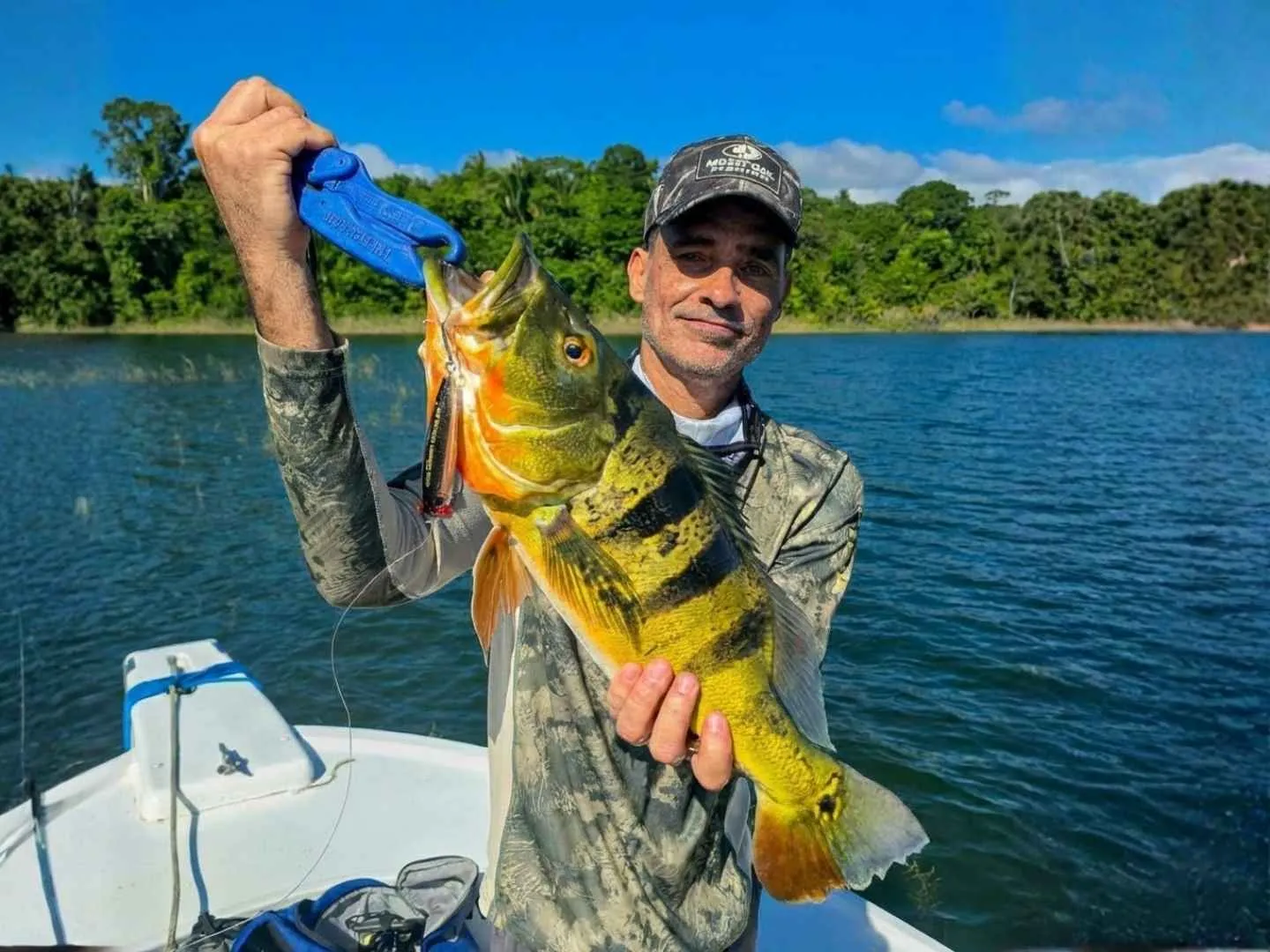
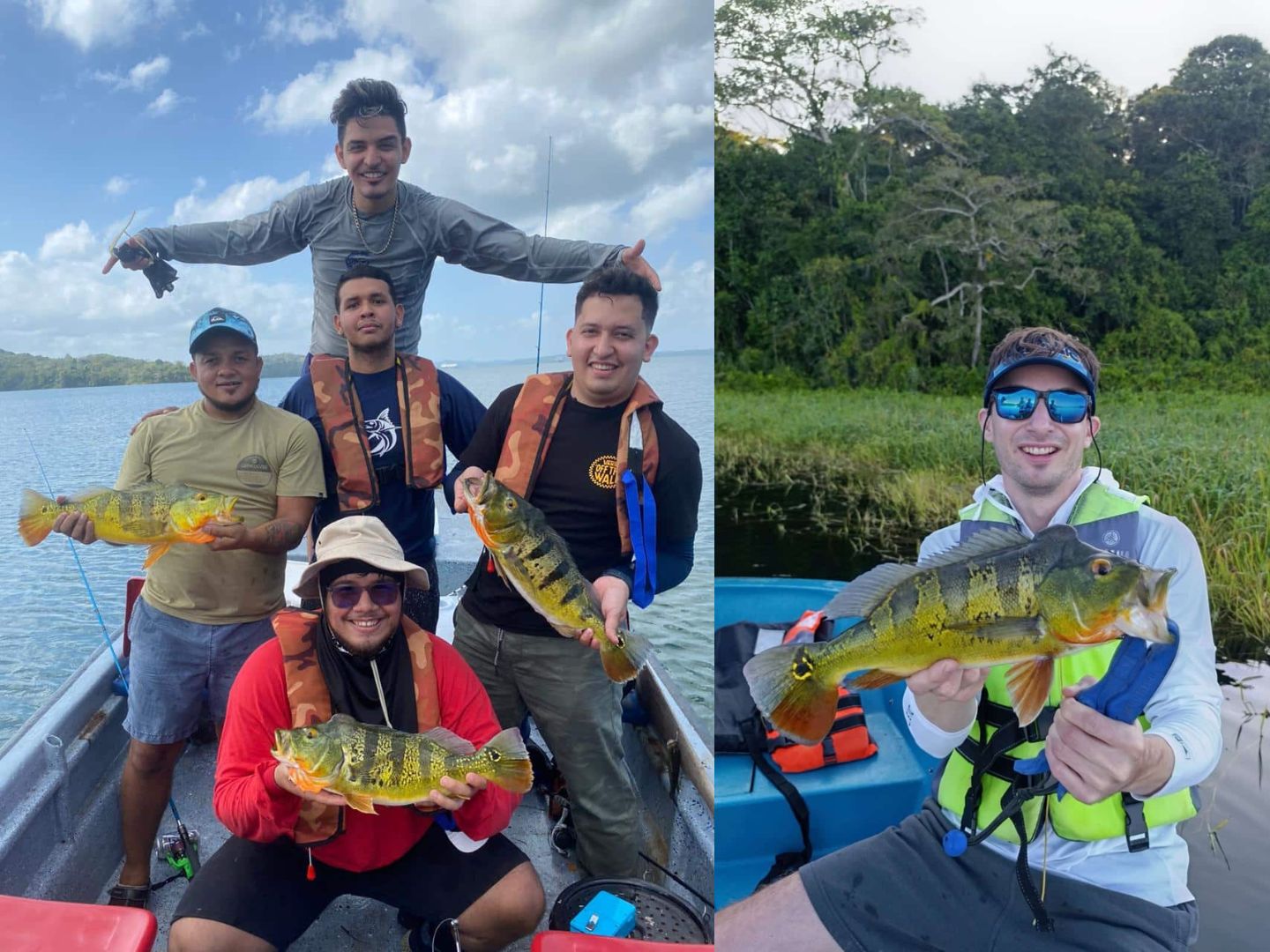
Covering more than 180 square miles, Gatun Lake sits at the heart of the Panama Canal and is best known for its powerful mix of peacock bass, tarpon, snook, and jungle jacks. Peacock bass are the main draw, smashing topwater lures and flies around flooded timber and shorelines, while tarpon and snook move through the canal system and stage near current, structure, and the locks. Jungle jacks add nonstop action, hitting both lures and flies aggressively, which makes Gatun Lake an excellent destination for fly fishing as well as light tackle. It’s one of the few places in Panama where you can realistically target all four species in a single day on the water.
Key species & seasons
- Peacock Bass: Dec–Apr best clarity; trophies reach 10 lbs.
- Tarpon & Snook: Year-round migrants.
- Jack Crevalle: More active in the wet season.
Local insight: Lake Gatun is peacock bass heaven and an excellent spot for conventional or fly fishing.
GATUN LAKE & GAMBOAFishing charters in Gatun Lake & GamboaVerified captains · transparent pricing · free cancellationView chartersPearl Islands Fishing (Las Perlas)
Located about 30–60 miles offshore in the Pacific, the Pearl Islands are one of Panama’s top bluewater fishing destinations, known for consistent action and serious variety. These islands sit along major current lines and bait corridors, making them prime territory for yellowfin tuna, dorado, wahoo, and sailfish, with marlin showing up during peak seasons. Inshore and around the islands themselves, anglers also target cubera snapper, amberjack, roosterfish, and jacks on poppers and jigs. For anyone researching the best fishing places in Panama, the Pearl Islands stand out for their mix of offshore power and island-style action in clear, open water.
Key species & seasons
- Yellowfin Tuna: June–Nov; giants near Isla Contadora & Pacheca.
- Sailfish & Marlin: Dec–Apr offshore.
- Dorado: Dec–Apr.
- Roosterfish & Snappers: Year-round; peak Dec–Apr.
Local tip: Pearl Islands is considered one of the best fishing spots near Panama City.
PEARL ISLANDSFishing charters in Pearl IslandsVerified captains · transparent pricing · free cancellationView chartersBayano River Fishing
The Bayano River estuary is one of Panama’s most underrated fisheries and a true fly-fishing hotspot, where freshwater and saltwater blend to create perfect conditions for snook, tarpon, machaca, and red snapper. Snook are the main draw, cruising mangrove edges, fallen trees, and current seams, while tarpon roll through deeper channels and at the river mouth. Upstream, machaca deliver fast, visual action on flies, and closer to the estuary entrance, red snapper hold around structure and drop-offs. For anglers chasing technical casts, sight-fishing opportunities, and wild jungle scenery, Bayano stands out as one of the best fly-fishing spots in Panama.
Key species & seasons
- Croaker & Machaca: Strong Dec–Apr (dry season).
- Tarpon & Snook: Year-round, with best runs mid-summer.
Local tip: Bayano is one of the best places near Panama City for fly fishing tarpon.
BAYANO RIVERFishing charters in Bayano RiverVerified captains · transparent pricing · free cancellationView chartersGulf of Chiriquí Fishing
The Gulf of Chiriquí is one of Panama’s most diverse and productive fishing regions, packed with islands, reefs, and deep drop-offs that hold fish year-round. Popular areas like Coiba Island, Montuosa Island, the Ladrones Islands, and Islas Paridas are well known for consistent action on yellowfin tuna, dorado, wahoo, and sailfish, with marlin showing up offshore during peak seasons. Closer to the islands and rocky structure, anglers target cubera snapper, roosterfish, amberjack, and jacks on poppers, jigs, and live bait.
Key species & seasons
- Yellowfin Tuna: Feb–Sep, peaking Apr–Jun.
- Blue & Black Marlin: Dec–May.
- Sailfish & Dorado: Dec–May.
- Roosterfish & Snapper: Year-round.
Local tip: If you’re looking to land a massive tuna offshore, the Gulf of Chiriqui is the place to do it.
GULF OF CHIRIQUÍFishing charters in Gulf of ChiriquíVerified captains · transparent pricing · free cancellationView chartersCambutal Fishing
Cambutal, on Panama’s southern Azuero Peninsula, is a raw and lesser-known fishing destination that delivers big rewards for anglers willing to explore. This stretch of coast is exposed to open-ocean currents and rocky structure, creating ideal conditions for roosterfish, cubera snapper, amberjack, and hard-charging jacks close to shore. Just offshore, anglers also run into dorado, yellowfin tuna, and the occasional sailfish without long boat runs.
Key species & seasons
- Marlin & Sailfish: Dec–May offshore.
- Tuna: Mar–Jul nearshore runs.
- Roosterfish & Cubera: Year-round along rocky points.
Local tip: Cambutal is known for great fishing all year round. Great for jigging, popping, and live bait.
CAMBUTALFishing charters in CambutalVerified captains · transparent pricing · free cancellationView chartersPedasí Fishing
Pedasí is one of Panama’s most well-rounded fishing destinations, known for its easy access to both inshore and offshore action. Just minutes from the marina, anglers fish rocky points and reefs for roosterfish, cubera snapper, amberjack, and jacks, while short runs offshore put you on dorado, yellowfin tuna, sailfish, and marlin during the right seasons. The area around Isla Iguana is especially popular for clear water and consistent bites, making it a favorite for both spin and fly fishing, particularly when targeting roosterfish and jacks along the island edges. For anglers looking to fish multiple styles in a single trip, Pedasí consistently ranks among the best fishing spots in Panama.
Key species & seasons
- Yellowfin Tuna: Feb–Sep, with fish 200+ lbs standard.
- Sailfish & Marlin: Dec–May.
- Dorado: Dec–May.
- Roosterfish & Snappers: Year-round.
Local tip: Located on the Tuna Coast and it’s one of the best places to fish pelagics during winter time.
PEDASÍFishing charters in PedasíVerified captains · transparent pricing · free cancellationView chartersPalo Seco Fishing
Palo Seco, Veraguas, is a wild and lesser-fished stretch of Panama’s Pacific coast, known for deep water close to shore and strong currents that keep fish moving through the area year-round. Popular fishing zones around Palo Seco include the rocky coastline and river mouths within the Palo Seco Forest Reserve, as well as nearby areas toward Cebaco Island, Mariato and Punta Caña, where structure and current lines concentrate bait. Anglers target roosterfish, cubera snapper, amberjack, and jacks inshore, while short runs offshore can produce dorado, yellowfin tuna, and sailfish. With minimal boat traffic and untouched scenery, Palo Seco in Veraguas is a solid choice for anglers looking for aggressive fish and uncrowded waters.
Key species & seasons
- Yellowfin Tuna & Marlin: Offshore Dec–May.
- Dorado & Sailfish: Dry season peak.
- Inshore Roosters & Cubera: Consistent year-round.
Local tip: Less traffic than big-name hubs means calmer waters and more untouched reefs — perfect for jigging.
PALO SECOFishing charters in Palo SecoVerified captains · transparent pricing · free cancellationView chartersPiñas Bay & Tropic Star Lodge — The World Record Capital
Deep in the Darién province, Piñas Bay is as remote as it gets in Panama — and the fishing reflects it. With 300+ IGFA world records to its name, this bay has produced more record catches than any other location on Earth. Tropic Star Lodge has been the base camp for serious big-game anglers for decades, hosting world-record black marlin, blue marlin, Pacific sailfish, and yellowfin tuna.
If you're planning a serious big-game trip, Piñas Bay belongs at the top of your list.
Hannibal Bank — Where Tuna Stack
About 45 miles offshore from the Gulf of Chiriquí, Hannibal Bank is an underwater seamount where the Humboldt Current forces cold water upward, fueling a food chain that draws massive concentrations of yellowfin tuna. Fish here regularly push past 200 lbs, and August through September is the peak window.
Black marlin and wahoo are frequent companions on the same grounds. For a detailed breakdown of what to expect, check our deep-sea fishing in Panama guide. The adjacent Gulf of Chiriquí also holds Coiba National Park — a UNESCO World Heritage Site and one of the most biodiverse marine ecosystems in the Eastern Pacific.
SANTA CATALINAFishing charters in Santa CatalinaHannibal Bank trips depart from Santa CatalinaView chartersBocas del Toro — The Caribbean Wild Card
The Caribbean coast is Panama's most underrated fishing destination. Bocas del Toro and the Guna Yala archipelago offer tarpon, bonefish, permit, and snook in relatively untouched flats and lagoons — ideal for fly fishing or light tackle.
Fishing pressure here is a fraction of the Pacific, the setting is spectacular, and October through November is prime time as offshore conditions on the Pacific side slow down. If you're combining a fishing trip with beach time, Bocas del Toro makes a strong case.
BOCAS DEL TOROFishing charters in Bocas del ToroVerified captains · transparent pricing · free cancellationView chartersWhat Can You Catch in Panama?
Below is a quick reference to the most popular game fish in Panama, their sizes, and prime seasons. Remember that many species, such as roosterfish, snappers, and groupers, are available year‑round.
| Fish Species | Typical Size & Notes | Best Season (general) | Primary Regions |
|---|---|---|---|
| Blue & Black Marlin | Among the largest billfish; Panama records exceed 1,000 lbs. Light‑tackle records (6‑16 lb line) were set here. | December–May (Pacific), May–August for light‑tackle marlin. | Hannibal Bank, Isla Coiba, Cambutal, Palo Seco, Pedasí |
| Sailfish | Known for spectacular jumps; strictly catch‑and‑release by law. | December–May | Gulf of Chiriquí, Isla Coiba, Pedasí |
| Yellowfin Tuna | 40–200+ lbs; schooling fish that migrate along Pacific islands. | Feb–Aug, peaking April–June; slows by August. | Hannibal Bank, Pearl Islands, Cambutal, Palo Seco |
| Roosterfish | Strong inshore predator with comb‑like dorsal fin; up to 80+ lbs. Can be targeted from shore or boat. | Year‑round; most active mid‑winter and mid‑summer when seas are calm. | Pacific coast from Pearl Islands to Cambutal |
| Cubera Snapper | Aggressive reef fish; commonly 20–80 lbs. | Year‑round; best during dry season when water is clear. | Coiba, Gulf of Chiriquí, Palo Seco |
| Peacock Bass (Tucunaré) | Introduced cichlid; common at 4 lbs, trophies up to 10 lbs. | Dry season (Dec–Apr). | Gatun Lake, Bayano Lake |
| Tarpon | “Silver king” up to 150+ lbs; found in both Caribbean and freshwater systems. | Year‑round, slightly better mid‑summer. | Bocas del Toro, Río Bayano, Lago Gatún |
| Snook & Corvina | Coastal favorites; 5–30 lbs; great eating. | Best during dry season (Dec–Apr). | Panama Bay, Pedasí, Palo Seco, Bayano |
| Wahoo | Fast predator; 20–60 lbs; peaks in late spring. | Abril–junio. | Offshore reefs near Coiba, Hannibal Bank |
When Is the Best Time to Fish in Panama?
Panama offers year‑round fishing, but the optimal months depend on the species you’re targeting. Use the calendar below as a guideline.
For a species-by-species, month-by-month breakdown, including why Panama's tuna season looks different depending on who you ask, see our Panama fishing calendar.
| Month | Best Targets | Notes |
|---|---|---|
| Jan–Feb | Sailfish, marlin, dorado, roosterfish, snappers, peacock bass | Dry season on the Pacific; calm seas and clear water; great for inshore and offshore trips. Yellowfin tuna action begins to pick up in February. |
| Mar–May | Marlin, sailfish, dorado, yellowfin tuna, wahoo, roosterfish | Peak offshore season; Hannibal Bank and Coiba are bustling with billfish. Wahoo runs in late spring. |
| Jun–Aug | Yellowfin tuna, roosterfish, cubera snapper, tarpon, snook | Tuna migration peaks April–June and slows by August. Mid‑summer provides calm seas for roosterfish. |
| Sep–Nov | Roosterfish, snappers, grouper, tarpon, machaca | Wet season brings higher water levels, improving freshwater fishing in Gatun and Bayano; fewer offshore boats mean less pressure. |
| Dec | Blue and black marlin, sailfish, dorado, roosterfish | Transition back to dry season; excellent mixed‑bag fishing near Cambutal, Pedasí and Panama Bay. |
Dry Season (December–April) — The Classic Big-Game Window
The dry season delivers consistent trade winds, clear skies, and the most reliable offshore conditions. January through March is when the charter calendar fills up fastest — if you have a specific target species, this is your window.
March is the month most experienced guides point to for sheer variety. Black and blue marlin are abundant offshore, yellowfin tuna are active, and the inshore bite for roosterfish and cubera snapper hits its stride. Anglers chasing the 'Pacific Grand Slam' — marlin, sailfish, roosterfish, and tuna in a single day — give themselves the best odds right here.
Wet Season (May–November) — Tuna Season and the Dorado Run
The rainy season gets an unfair reputation. For tuna anglers, it's often better than the dry season. Freshwater runoff creates floating debris lines — locally called trash lines — that attract dorado and yellowfin tuna from May through August.
August and September stand out at Hannibal Bank, where the Humboldt Current delivers a surge of cold, nutrient-rich water that concentrates enormous yellowfin tuna. Trolling and popper fishing here during this window can produce day-after-day action on fish pushing 150–200 lbs.
October is the quietest month offshore, but the Caribbean side comes alive — Bocas del Toro and Guna Yala see excellent tarpon and bonefish action during this same period.
Pacific vs. Caribbean — Which Coast Should You Choose?
Choose the Pacific if you want big-game offshore fishing (marlin, tuna, sailfish), you're targeting species records, or you want the widest variety of fish in a single trip.
Choose the Caribbean if you're a fly angler targeting tarpon, bonefish, or permit, you prefer less-pressured water and a more remote setting, or you're combining fishing with a beach holiday in Bocas del Toro.
The good news: Panama is small enough that a split itinerary — a few days Pacific, a few days Caribbean — is entirely practical.
How to Fish: Methods & Tips
Deep-Sea Trolling
The default for marlin, sailfish, tuna, dorado. Spread lures, rigged baits, and teasers; bump up sizes when specifically hunting blue/black marlin. Many charters run 30–80 lb stand-up or chair gear. Browse trolling charters in Panama
Live-Bait & Jigging
Deadly for snappers, groupers, amberjack, snook. Slow-pitch and speed jigs both have a place. Around seamounts and reefs, be ready for sudden freight-train strikes. Browse jigging charters in Panama
Spinning & Popping
Few things beat a tuna explosion on a surface popper or a rooster charging a stickbait. Use stout leaders, especially near rocks where abrasion will punish mistakes. Browse spinning and popping trips in Panama
Fly Fishing
Salt or fresh, Panama has genuine fly targets: tarpon, snook, jacks in the Caribbean and canal systems; peacock bass and machaca in lakes and rivers; even sailfish and snappers on blue-water fly with the right crew. Browse fly fishing trips in Panama. Our fly fishing in Panama guide breaks down the gear, seasons, and honest pricing for each zone.
Kayak & Shore
Protected bays (Bocas, Azuero coves, Boca Chica) are great for kayak missions. Shore casters score snook, roosters, snappers, blue runners—especially in the dry season when visibility improves. Browse shore fishing trips in Panama
Freshwater Tactics
For peacock bass, work shorelines with small crankbaits, spinnerbaits, and streamers. Machaca crushes topwater; think light tackle and explosive takes.
Regulations & Sustainability
- Licensing: Panama's new sport-fishing decree (Gaceta Oficial Nº 30543 E), taking effect December 10, 2026, requires charter and tourist boats to hold a sport-fishing license and captains a Sport-Fishing Tourism Card — guests aboard are covered without an individual card — and every trip must be reported to the authority.
- Protected species & limits: Marlin, sailfish, and other billfish are catch-and-release (only 1 swordfish and 1 tarpon per boat per day may be kept, never for sale). Sharks and rays cannot be retained, and selling any catch is banned. Daily bag limits are 25 fish per boat for recreational trips and 15 for tourist charters; past that, it's strictly catch-and-release. Sea turtles remain fully protected.
- Seasons & gear: Shrimp/lobster seasons are regulated; parks like Coiba require angling permits and have species/harvest rules.
- Best practices: Circle hooks, quick releases, minimal handling, and staying within the new bag limits. Ask your captain about release protocols and current regulations before you book.
Economic Impact & Tourist Insights
Sport‑fishing tourism supports thousands of jobs. A Billfish Foundation report found that in 2011 roughly 86,250 visitors fished in Panama, spending US $97 million; this generated US $170.4 million in total sales and supported more than 9,500 jobs. The number of anglers doubled between 2001 and 2011, 87% were satisfied with their trips, and 68.5 % chose Panama based on recommendations. Responsible tourism and positive word‑of‑mouth remain crucial drivers of Panama’s fishing economy.
Is Panama fishing sustainable?
Panama has some of the strictest fishing regulations in Central America, and a new 2026 decree (Gaceta Oficial Nº 30543 E) tightens them further. Billfish — marlin, sailfish, and other species — must be released immediately; only one swordfish and one tarpon per boat per day may be kept, and never for sale. Long‑line vessels over six tons are banned. Individual anglers still don't need a personal fishing license, but starting December 10, 2026, charter and tourist boats must hold a sport-fishing license and captains a Sport-Fishing Tourism Card, with every trip reported to the authority. Daily catches are capped at 25 fish per boat for recreational trips and 15 for tourist charters. Protected species such as turtles remain strictly off‑limits, sharks and rays can't be retained, and seasons for shrimp (Feb–Apr and Sept–Oct) and lobster (Mar–Jul) help protect breeding cycles. These measures have helped Panama maintain vibrant fish populations despite growing tourism.
Price Snapshot by Region (Typical Ranges)
| Region / Hub | Typical Targets | Trip Type | Typical Range (USD) |
|---|---|---|---|
| Panama Bay & Pearl Islands | Rooster, snapper, dorado, seasonal tuna/sails | Half/Full-day | 600–1,200 |
| Gulf of Chiriquí (Hannibal/ Montuosa) | Yellowfin, marlin, sails, wahoo | Full-day / Multi-day | 700–1,500 (day); 1,800–4,000+ (packages) |
| Azuero (Pedasí, Cambutal) | Tuna, rooster, cubera, marlin/sails (seasonal) | Half/Full-day | 300–1,000 |
| Isla Coiba | Marlin, sails, tuna, roosters, big reef fish | Day / Multi-day (permit req.) | 350–1,500+ |
| Gatun Lake / Canal | Peacock bass, snook, tarpon | Half-day / Full-day | 200–400 |
| Bayano River & Reservoir | Snook, tarpon, machaca | Full-day | 200–400 |
| Bocas del Toro | Tarpon, snook, reef mix | Half/Full-day | 200–600 |
| Piñas Bay (Darien) | Marlin, sailfish, tuna, wahoo (lodge) | Multi-day packages | más de 3,500 |
Frequently Asked Questions
What is the best fishing destination in Panama?
It depends on what you want to catch. For big game like marlin and tuna, Hannibal Bank, Isla Coiba and the Tuna Coast are top choices. For a variety closer to town, try the Pearl Islands or the Pacific Hotspots, and for freshwater, head to Gatun Lake or the Bayano River.
When is the best time of year to fish in Panama?
The dry season (December–May) offers the best marlin, sailfish and dorado action. Yellowfin tuna peak from April–June, and inshore species such as roosterfish, snappers and snook bite well all year.
What gear should I bring?
For offshore trolling, 30–80 lb rods with high‑speed reels and skirted lures cover marlin, sailfish and tuna. Inshore, 20–50 lb spinning outfits with jigs, poppers and live‑bait rigs work for roosterfish and snapper. Freshwater anglers use lighter 10–20 lb tackle with small crankbaits and flies.
Do I need a permit or fishing license?
If you fish on a charter, no: the boat's license and the captain's card cover you. From 10 December 2026, anyone fishing independently or from shore needs a personal ARAP sport-fishing card. Billfish must always be released. Coiba and Panama's other marine protected areas charge visitors an entry fee (about $20 for foreign visitors under MiAmbiente's current tariff). Ask your operator whether it's included in the trip price.
Why Book with PescaYa?
PescaYa is Panama’s home‑grown platform connecting anglers with fully vetted captains and charter operators. We offer:
- Verified Captains & Boats: Every boat is inspected and captains’ permits are checked to ensure compliance with Panamanian regulations.
- Transparent Pricing: See all costs up front—no hidden fees or brokerage commissions.
- Flexible Options: From half‑day bay trips to multi‑day offshore expeditions, we have tours for every budget and skill level.
- Support & Local Knowledge: Our bilingual team is based in Panama and ready to answer questions about seasons, gear or logistics.
- Sustainable Practices: We partner only with operators who practice catch‑and‑release for billfish and follow best conservation protocols.
Whether you’re a seasoned angler chasing marlin records or a first‑time visitor looking for a fun family adventure, Panama has a fishing experience for you. Book your adventure through PescaYa today and join us on the waters that gave our country its name!
Ready to book your trip? Browse all Panama fishing tours and charters on PescaYa — compare destinations, captains, prices, and availability in one place.