
PanamaSeasons & Reports
Panama Fishing Calendar: Best Months by Species (2026)
Panama's month-by-month fishing calendar: best species per month, Pacific vs. Caribbean vs. Gatún Lake, the science behind the seasons, and real reports.
By Charlie Gonzalez10 min read
Ask three fishing guide services when Panama's yellowfin tuna season peaks and you'll get three different answers: one says March through July, another April through July, and PescaYa's own Panama guide points to June through September. None of them are lying. They're describing different water, driven by two entirely different ocean mechanisms that most calendars never bother to separate.
That's the real problem with most calendar pages: a single verdict per month, no explanation. This guide covers why the Pacific coast, the Caribbean coast, and freshwater Gatún Lake each run on their own clock, the science behind the dry-season bite, a real month-by-month table, and where the sources, including our own, disagree.
TOP SPOTS IN PANAMA
Panama Fishing Charters
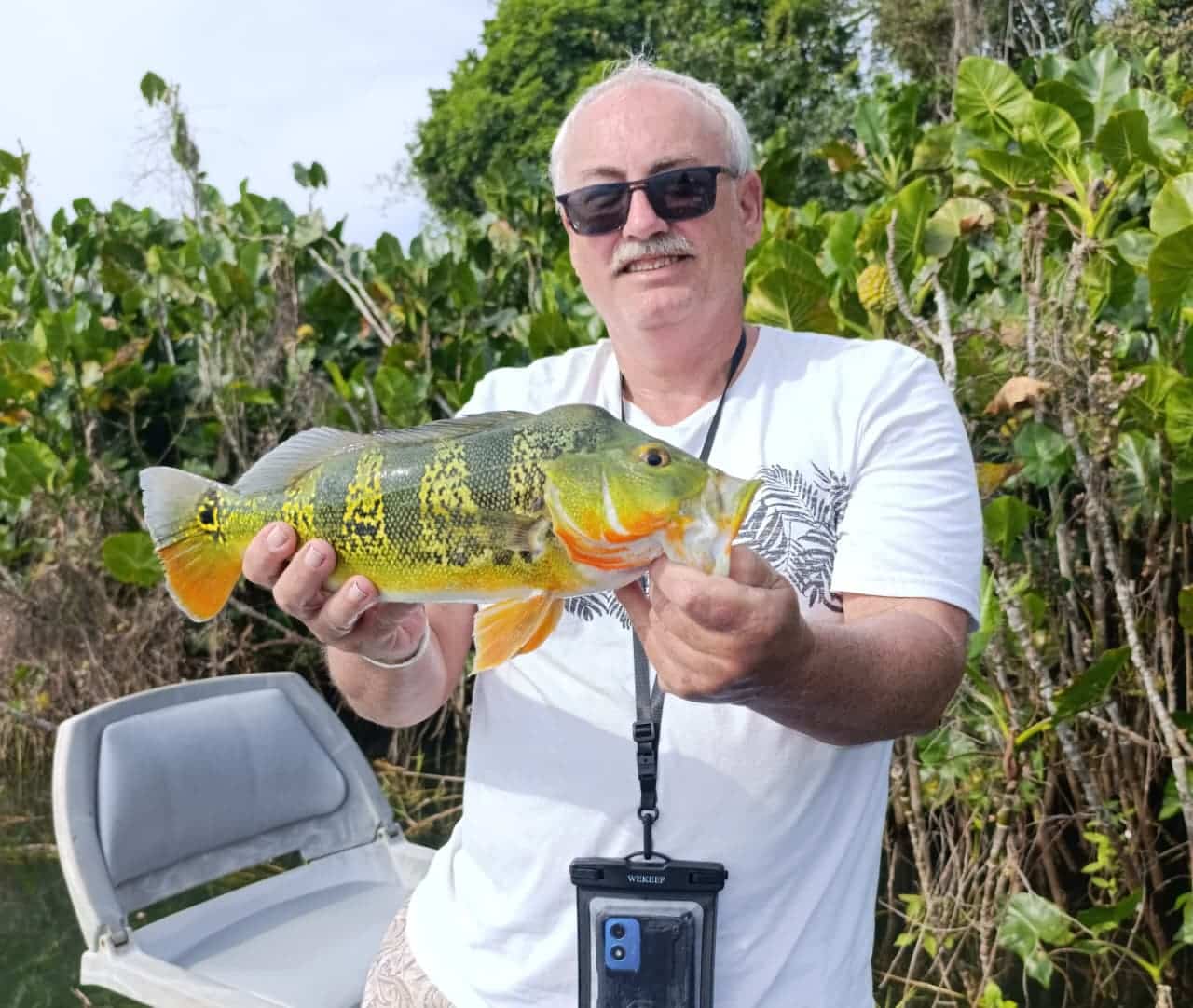
6 Hour Fishing Trip in Panama Canal

8 Hour Live Bait fishing in Panama's Bay

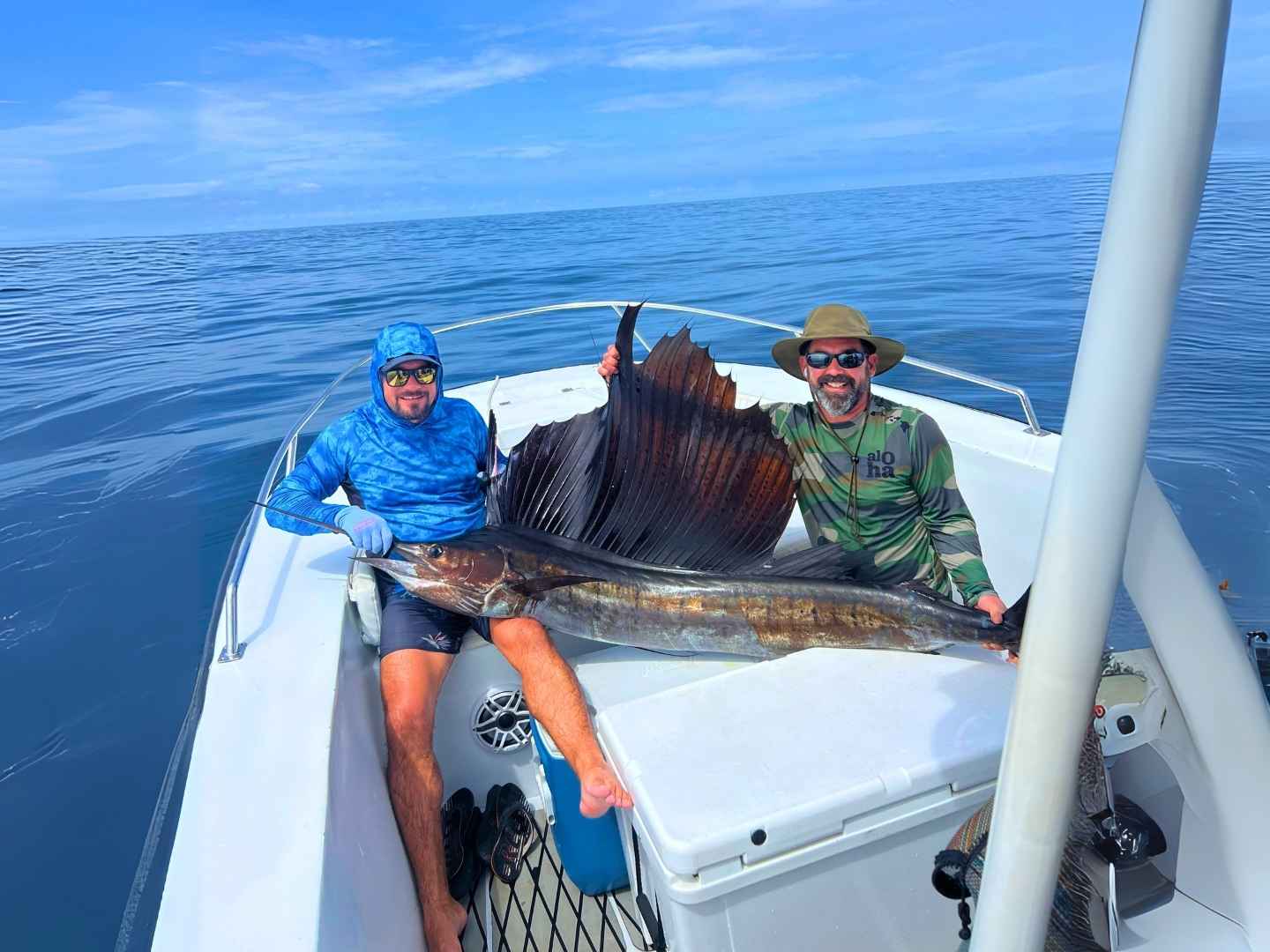
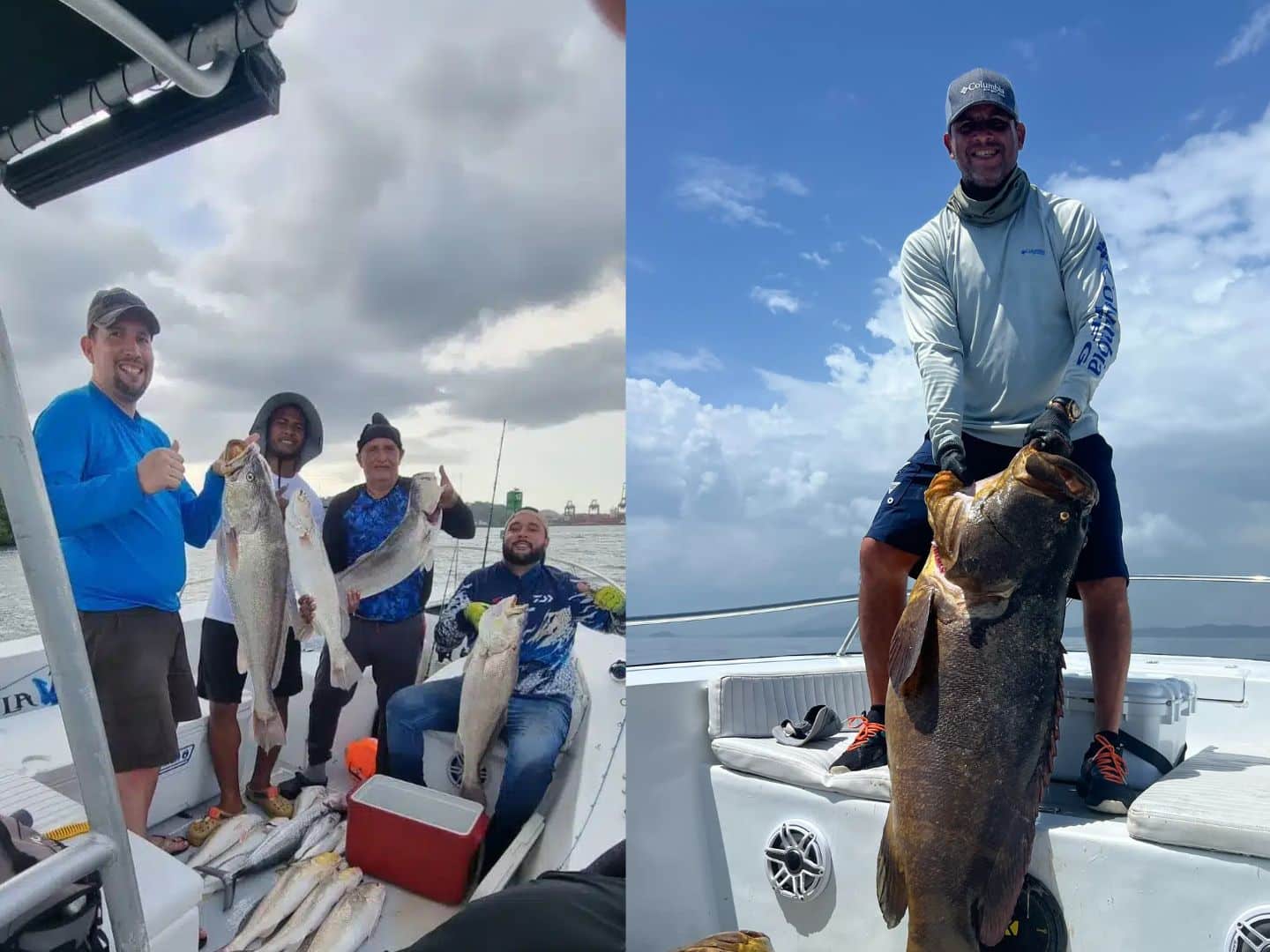
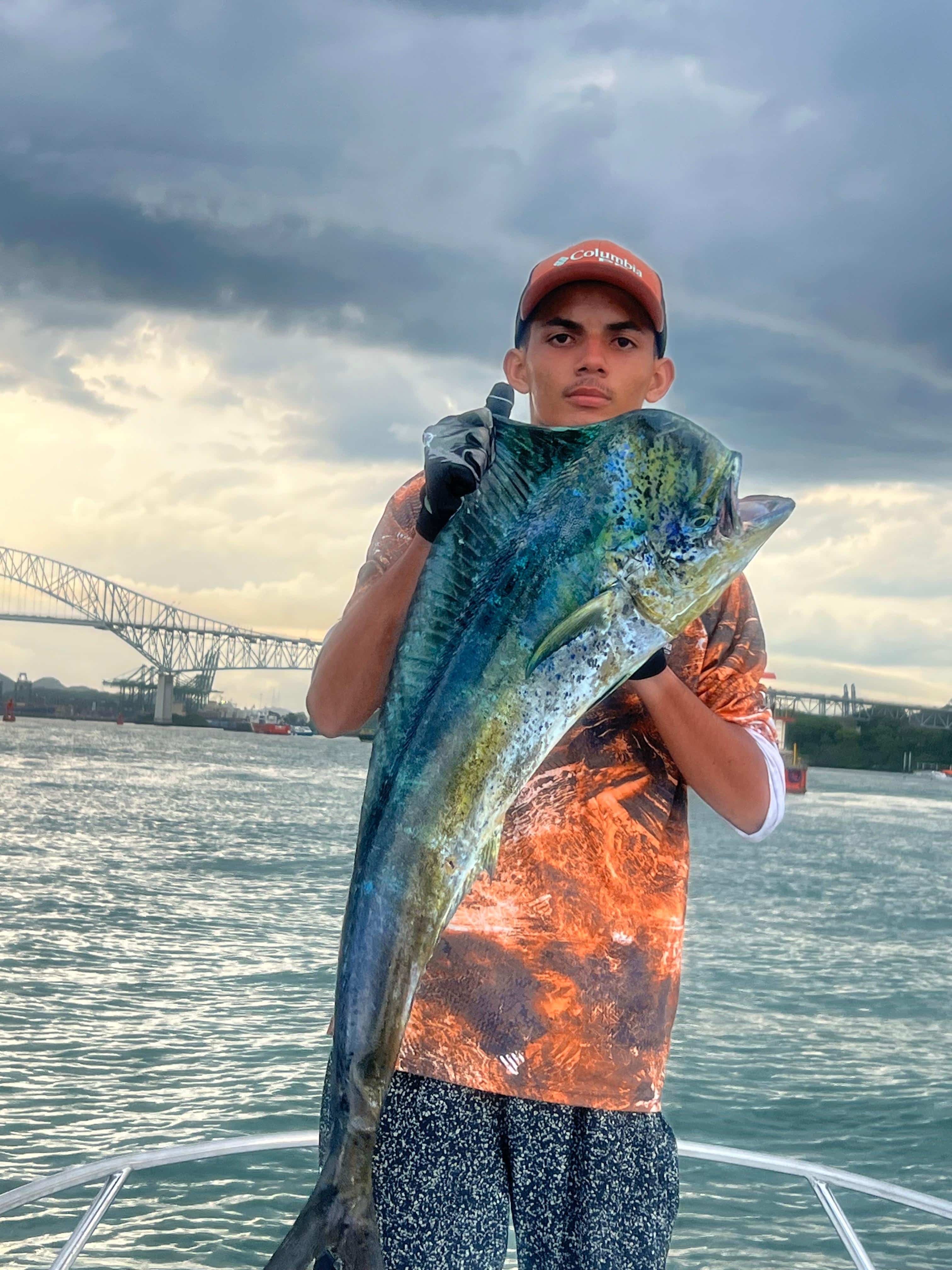
Spanish Mackerel Fishing in Panama

Panama's dry season (December–April) is prime time for marlin and sailfish, driven by a Gulf of Panama upwelling that historically starts around January 20th and runs about 66 days, cooling the water to roughly 19°C, or 66°F. The green season (May–November) favors tuna, dorado, and lower prices, and Gatún Lake, tucked inside the Panama Canal, runs on a freshwater calendar of its own.
Why Panama's Fishing Calendar Is Really Three Calendars
Most calendars treat Panama as one fishery. It isn't. You're really looking at three separate systems: Pacific saltwater, Caribbean saltwater, and freshwater Gatún Lake. Conflating them is exactly why so many "best month" claims contradict each other.
The Pacific Coast: Dry Season vs. Green Season
The Pacific side runs on a classic two-season split. December through April is the dry season: flat, clear water, consistent trade winds, and the best conditions for running offshore after marlin and sailfish. May through November is the green season: afternoon showers, more current-driven bait movement, and a stretch that actually favors tuna, dorado, and inshore species despite its "off-season" reputation. Prices drop too, since fewer travelers plan around rain.
The Caribbean Coast: A Different Clock Entirely
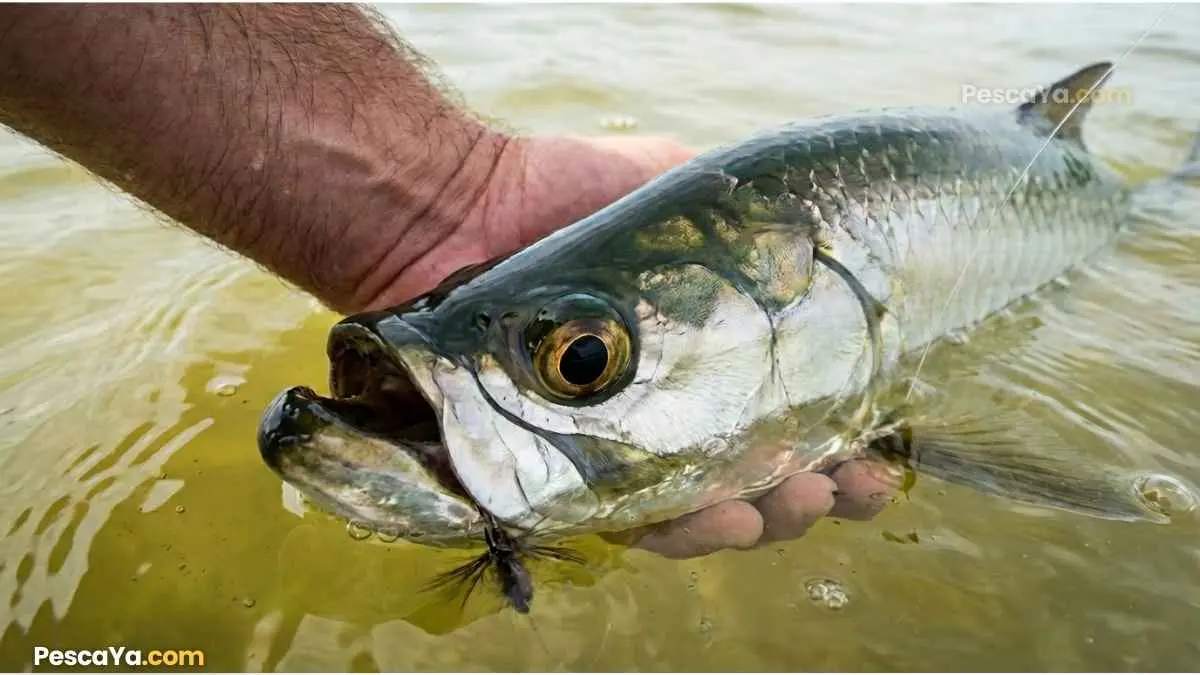
Panama's Caribbean side, around Bocas del Toro and the Chagres River drainage, doesn't follow the Pacific's dry/wet split at all. Tarpon and snook are the headline species here, responding to their own rainfall and river-flow patterns rather than the Pacific trade winds. That's part of why a Pacific-focused calendar leaves Caribbean anglers guessing.
Gatún Lake: Freshwater Runs on Its Own Calendar
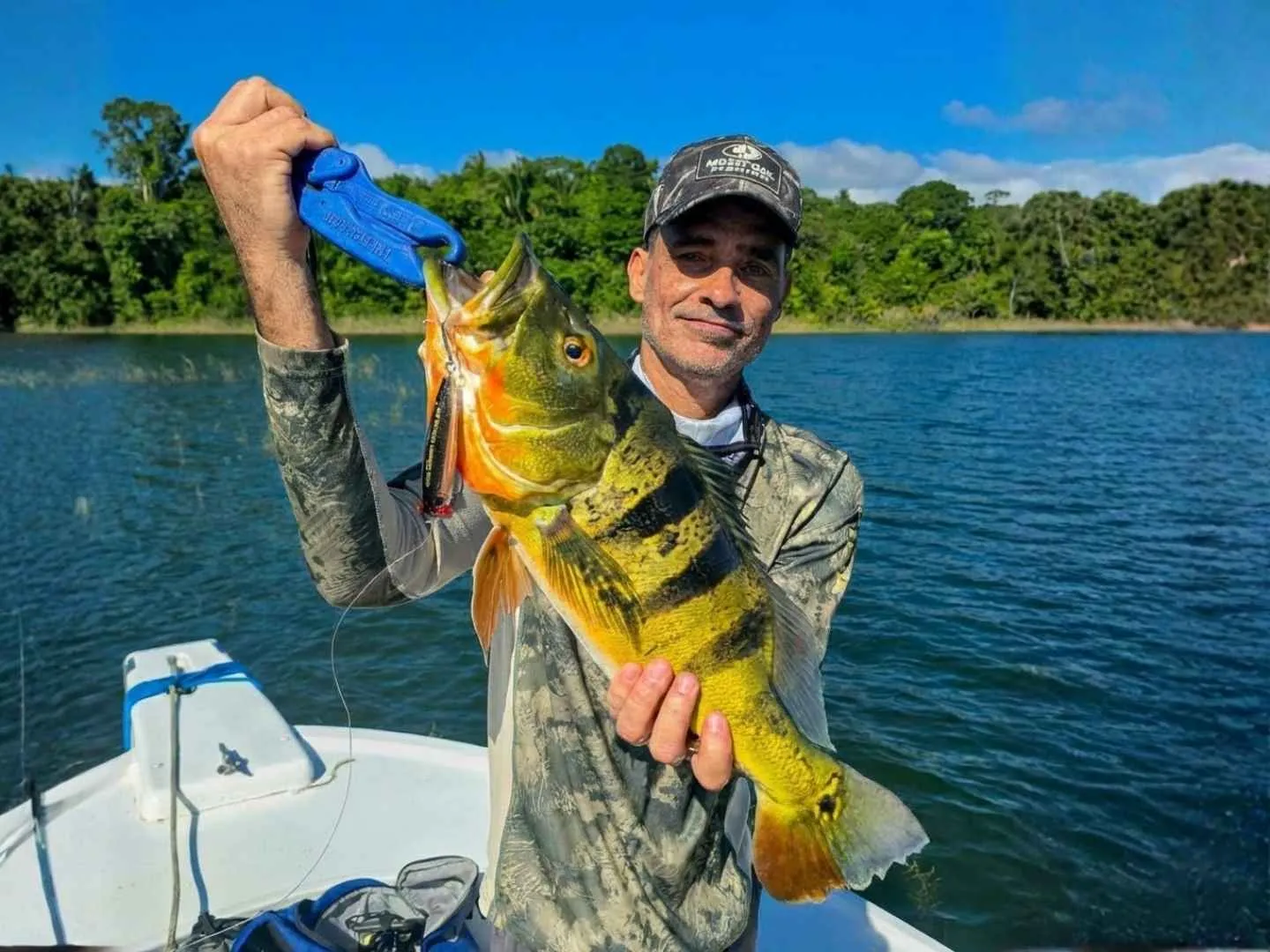
Gatún Lake formed in 1913 when the Chagres River was dammed to build the Panama Canal, and it's freshwater sitting in the middle of a saltwater country, so it ignores the ocean seasons completely. Snook and tarpon are the species PescaYa's Gamboa-based operators actually list as bookable targets here, while peacock bass, the fish most people associate with Gatún, shows up as a common catch on those same trips rather than its own dedicated charter product. More on that distinction below, and in our full Gatún Lake fishing guide.
What Actually Drives Panama's Seasons
Here's what almost no other Panama calendar explains: the "dry season is best" rule isn't just a vibe about sunshine. It's a specific, measurable oceanographic event, and in 2025, for the first time in 40 years, it didn't happen.
The Gulf of Panama Upwelling
Every January through April, northerly trade winds funnel through the low-lying Canal Zone and push warm surface water off the Pacific coast near Panama City, letting cold, nutrient-rich water well up from below. A 2025 study in the Proceedings of the National Academy of Sciences found that, for at least 40 years, this upwelling has reliably begun by January 20th, lasted about 66 days, and cooled surface temperatures to around 19°C (66°F). That nutrient-rich water fuels the plankton-to-baitfish-to-gamefish chain behind the dry season's reputation for great fishing.
Hannibal Bank Runs on a Different Kind of Upwelling
Confusingly, Hannibal Bank, the famous seamount off the Gulf of Chiriquí where most big-tuna fishing happens, isn't driven by this same seasonal system. Its upwelling comes from water forced up the bank's own underwater structure by ocean currents, a more constant effect rather than a strict January–April window. A 2017 trip report on the Bloodydecks forum from a group fishing Hannibal Bank in May describes tuna "breaking everywhere" after a slow start, evidence the bank can turn on well outside the Gulf of Panama's dry-season window. That's a big part of why "when is tuna season" answers vary so much: sources are often describing two different upwelling systems in two different parts of the country.
Why 2025 Broke the Pattern
In 2025, researchers documented something they'd never seen in 40 years of records: the Gulf of Panama upwelling essentially failed. Per Mongabay's coverage of the PNAS study, the cooling that normally starts by January 20th didn't begin until March 4th (42 days late), lasted just 12 days instead of 66, and only reached 23.3°C (73.9°F) instead of the usual 19°C. Researchers writing in ScienceDaily pointed to unusually weak trade winds, and cautioned it's too early to say whether 2025 was a one-off or a preview of a "new normal." The takeaway for planning your trip: this calendar reflects 40 years of reliable pattern, but treat it as a strong guide, not a guarantee, especially in an El Niño or La Niña year.
Panama Fishing Calendar — Month-by-Month
This table pulls together the Pacific dry/green-season pattern, the Caribbean's separate clock, and Gatún Lake's freshwater calendar in one place, something none of the existing Panama fishing calendars online currently do in table form.
| Month | Season | Pacific Offshore | Pacific Inshore | Caribbean | Gatún Lake |
|---|---|---|---|---|---|
| January | Dry | Sailfish and black marlin gathering close to shore; wahoo running | Roosterfish patrolling the beaches | Building toward tarpon season | Snook and tarpon fishing well in clear water |
| February | Dry | Sailfish at their annual peak; marlin building | Roosterfish prime, early light | Tarpon season opens | Snook and tarpon, clear-water conditions |
| March | Dry | Blue marlin push begins; first yellowfin arrive on the banks; dorado around weed lines | Roosterfish still strong | Tarpon active | Snook and tarpon steady |
| April | Transition | Blue marlin, dorado, and yellowfin all active on Hannibal Bank | Multi-species inshore days | Tarpon season continues | Snook, tarpon, peacock bass a common bycatch |
| May | Green | Blue marlin numbers climbing; dorado everywhere; Hannibal Bank tuna can turn on hard | Fewer crowds, steady action | Tarpon still strong | Rains begin; snook and tarpon still productive |
| June | Green | Yellowfin tuna schools building; blue marlin still present; a second sailfish push | Roosterfish over 70 lb reported | Bocas del Toro tarpon firing | Tuna's "textbook" season starts, per some guide services |
| July | Green | Black and blue marlin and sailfish strong off Piñas Bay; tuna pushing 90 kg on the banks | Cubera snapper biting hard | Tarpon active | Locally regarded as peacock bass's best month |
| August | Green | PescaYa's own hub calls this the biggest yellowfin tuna of the year | Snook moving into river mouths; cubera's second peak | Tarpon still good | Warm, stable water |
| September | Green | Tuna run holds strong; dorado productive around current lines | — | Tarpon at its best, per PescaYa's hub | Warm, stable water |
| October | Green | Mahi-mahi and wahoo peak; tuna still active | Snook and tarpon get a last push before the dry season | Tarpon tapering | Steady fishing |
| November | Green | Wahoo arrive in force; marlin fishing stays excellent; mahi-mahi thick | — | Tarpon winding down | Steady fishing |
| December | Dry | Sailfish return in numbers; wahoo biting all day; marlin stacking up | Roosterfish building toward January peak | Off-peak | Snook and tarpon, clearing water |
A dash means that species pairing isn't a defined seasonal highlight for that month in the sources we checked, not that nothing bites.
Best Month to Target Each Species
When Is the Best Time to Catch Marlin in Panama?
Marlin fishing in Panama is close to a true year-round fishery, but December through March is when guide services and PescaYa's Panama hub most consistently flag black and blue marlin, with a real secondary window in July off Piñas Bay. For a genuine shot at a marlin over 400 pounds, December through March gets the most consistent mentions across sources.
When Is Yellowfin Tuna Season in Panama? (The Honest Answer)
This is where the calendars genuinely disagree, and it's worth spelling out rather than picking a side. CentralAmericaFishing's calendar puts the main tuna run at March through July, with a second run June through August. Panama Sport Fishing's seasons page narrows that to April through July. Our own Panama hub says tuna fishing is best June through September, calling out August as producing "the biggest yellowfin tuna of the year."
Then there's the trip report that complicates all three. A Half Past First Cast January 2025 report from a group fishing Sport Fish Panama Island Lodge in the Gulf of Chiriquí describes exactly this assumption: the writer admits he expected January tuna to be "spotty" because he'd assumed April through June was prime. Instead, after a slow morning, the group ran 26 miles to fish a school another boat had found, landing a dozen yellowfin between 40 and 80 pounds in about two hours that afternoon. The same trip produced a three-marlin day (two blue marlin around 250 pounds and a roughly 450-pound black marlin) plus a sailfish, and 16 total species across the week.
The likely explanation, backed by the Bloodydecks Hannibal Bank thread referenced above: the bank's current-driven upwelling keeps tuna present most months, even outside the "textbook" window. It just takes more running and more captain communication off-peak. For the highest odds with the least legwork, June through August is the safest bet by every source's consensus. If you're flexible and willing to run further, January can still produce; this trip is proof, not a guarantee.
When Is the Best Time for Sailfish?
Sailfish peak in February, per our Panama hub and the broader guide-service consensus, with December through February the core window and a smaller secondary push in June. They also show up as bycatch on tuna trips nearly year-round, so a dedicated sailfish trip isn't strictly necessary.
When Is Roosterfish Season?
Roosterfish are available essentially all year, but January through March is when our hub calls the bite "explosive," with fish over 50 pounds realistic. A second strong window shows up around June, with anglers reporting fish over 70 pounds. Roosterfish are among the most consistently tagged inshore species across PescaYa's Panama City and Pedasí listings, so booking around either window is straightforward.
When Is Dorado (Mahi-Mahi) Season?
Dorado build through March and April around weed lines and floating debris, stay strong through the green season, and get a second peak alongside wahoo in October. Targeting weed lines and floating structure from March through October covers the bulk of the activity.
When Is Peacock Bass Season on Gatún Lake?
Peacock bass, locally called sargento, are what Gatún Lake is famous for, and July is generally regarded as the strongest month. Here's the honest caveat: PescaYa's Gamboa-area listings currently tag their species targets as snook, tarpon, corvina, and jack crevalle, not peacock bass as a dedicated target. That doesn't mean you won't catch one. Anglers routinely do on these same trips, and it's the fish most visitors hope to see. The honest way to book is as a snook-and-tarpon trip with our Gamboa-based operators, where peacock bass is a likely bonus rather than a guaranteed target. Full species and season breakdown: our Gatún Lake fishing guide.
Booking Timing — Peak Season, Shoulder Season, and Tournaments
Panama's premier lodges book out the dry season well over a year ahead, and tournament dates are a useful marker for how far ahead the best windows fill. Tropic Star Lodge's 11th Annual Roosterfish Tournament runs May 14th–19th, 2026, a reminder that marquee events aren't confined to the "obvious" December–February peak. Tropic Star also runs an annual Billfish Tournament each November, though at the time of writing the lodge's site still lists last year's November 18th–22nd, 2025 dates and hasn't posted 2026 dates. Worth confirming directly with the lodge if a tournament-week trip is the goal.
On pricing, PescaYa's own current listings are the clearest real-world guide: Gamboa-area Gatún Lake trips run roughly $150–$675, Chiriquí-area inshore and offshore charters run about $210–$980, with a dedicated Hannibal Bank day at about $1,500 per boat, and offshore charters built around marlin or sailfish typically land in the $875–$980-plus range. Green-season trips (May–November) book with far more availability and, in practice, less last-minute price pressure than the December–April rush. That's worth weighing if flexibility matters more than a guaranteed flat-calm day. For more on offshore pricing, see our deep-sea fishing guide; for a side-by-side of Panama's lodges by region and price, our Panama fishing lodge comparison is a useful next stop.
How to Get There
Most Pacific-coast trips connect through Tocumen International Airport (PTY), with Gulf of Chiriquí lodges typically arranging a domestic flight to David (DAV) or a private charter to the lodge's own airstrip. Gatún Lake trips are the exception: Gamboa sits under an hour from Panama City by road, no domestic flight needed. Our best places to fish in Panama guide covers full logistics and regional breakdowns, including Hannibal Bank access out of Chiriquí.
Frequently Asked Questions
When is the best month to go fishing in Panama?
There's no single best month. It depends on the species. December through March is strongest for marlin and sailfish; June through August is the safest bet for yellowfin tuna; and July stands out for peacock bass on Gatún Lake. Use the table above to match your target species to the right window.
What is the rainiest month in Panama?
October and November are typically the wettest months, though rain falls in short afternoon bursts rather than all day. Mornings are usually clear, which is when most charters fish.
Is Panama fishing good in the wet season?
Yes. The green season (May–November) is prime time for tuna and dorado, comes with lower prices and lighter crowds, and, per the January 2025 trip report above, can still produce excellent marlin and tuna days outside its "textbook" peak months.
Do I need a fishing license?
If you fish on a charter, no: the boat's license and the captain's card cover you. From 10 December 2026, anyone fishing independently or from shore needs a personal ARAP sport-fishing card. Billfish must always be released.
Last Cast
There's no single "best month" to fish Panama. There's a best month for whatever you're chasing, and now you've got the table to match it. Dry season for marlin and sailfish, green season for tuna and dorado, Gatún Lake running on its own freshwater clock with peacock bass as the headline draw. One caveat worth remembering: 40 years of pattern is a strong guide, not a guarantee, so build in some flexibility if your dates land outside the "textbook" window.
Ready to put this calendar to work? Browse Panama fishing charters by destination and season and find the trip that matches your target species and travel dates.