
PanamaWhere to Fish
Panama Canal Fishing: Complete Guide 2026
The complete Panama Canal fishing guide — peacock bass, snook, tarpon, and surprising marine species. Best lures, seasons, spots near Panama City, and how to book.
By Charlie Gonzalez10 min read
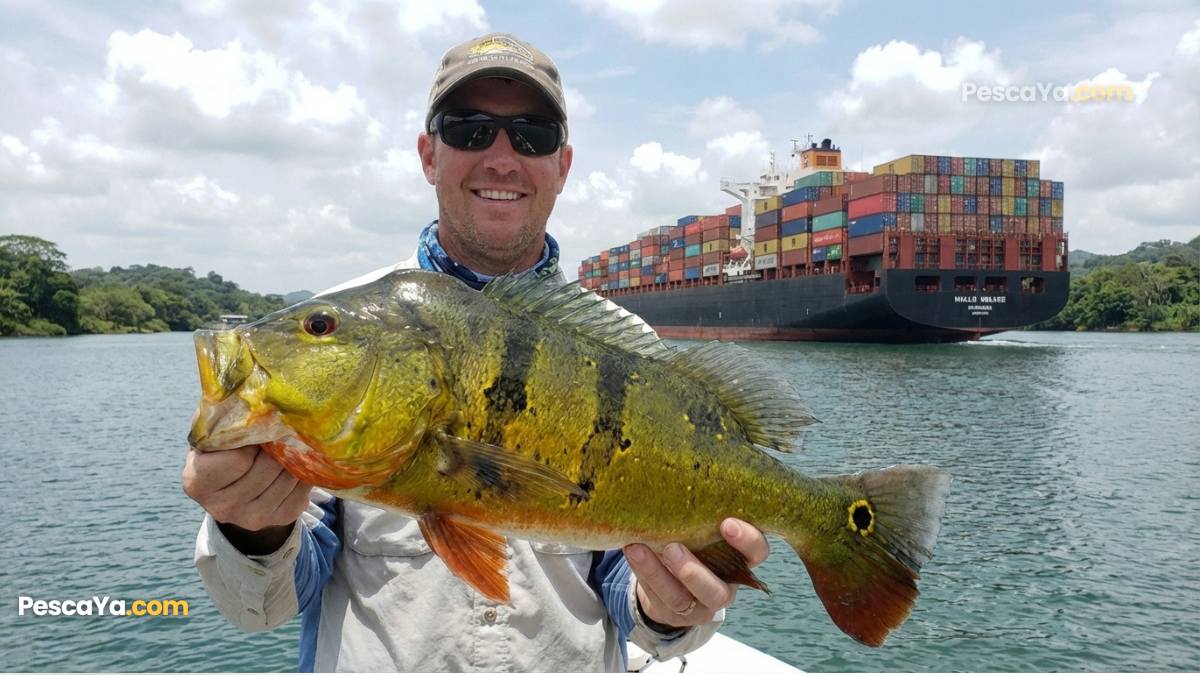
Panama Canal fishing doesn't get the attention it deserves. The Pacific gets all the press — marlin, yellowfin, wahoo — but the Canal itself is where you'll find one of the rarest freshwater fisheries on the planet.
PANAMA CANAL FISHING CHARTERSBook a Panama Canal fishing tripGatún Lake · peacock bass, tarpon & snookView charters →Gatun Lake technically qualifies as freshwater. Someone forgot to tell the jack crevalle, corvina, and red snapper that keep showing up in anglers' nets alongside peacock bass. Since the expanded Cocoí locks opened, marine species have been pushing into the lake — creating fishing that's hard to find anywhere else in Central America.
This guide covers everything: the species you can target, the best seasons, lures and techniques that actually work, and how to book a trip.
What Can You Fish in the Panama Canal?
Gatun Lake is the beating heart of Panama Canal fishing — 166 square miles of flooded rainforest where the species list keeps growing. Here's what you can realistically target.
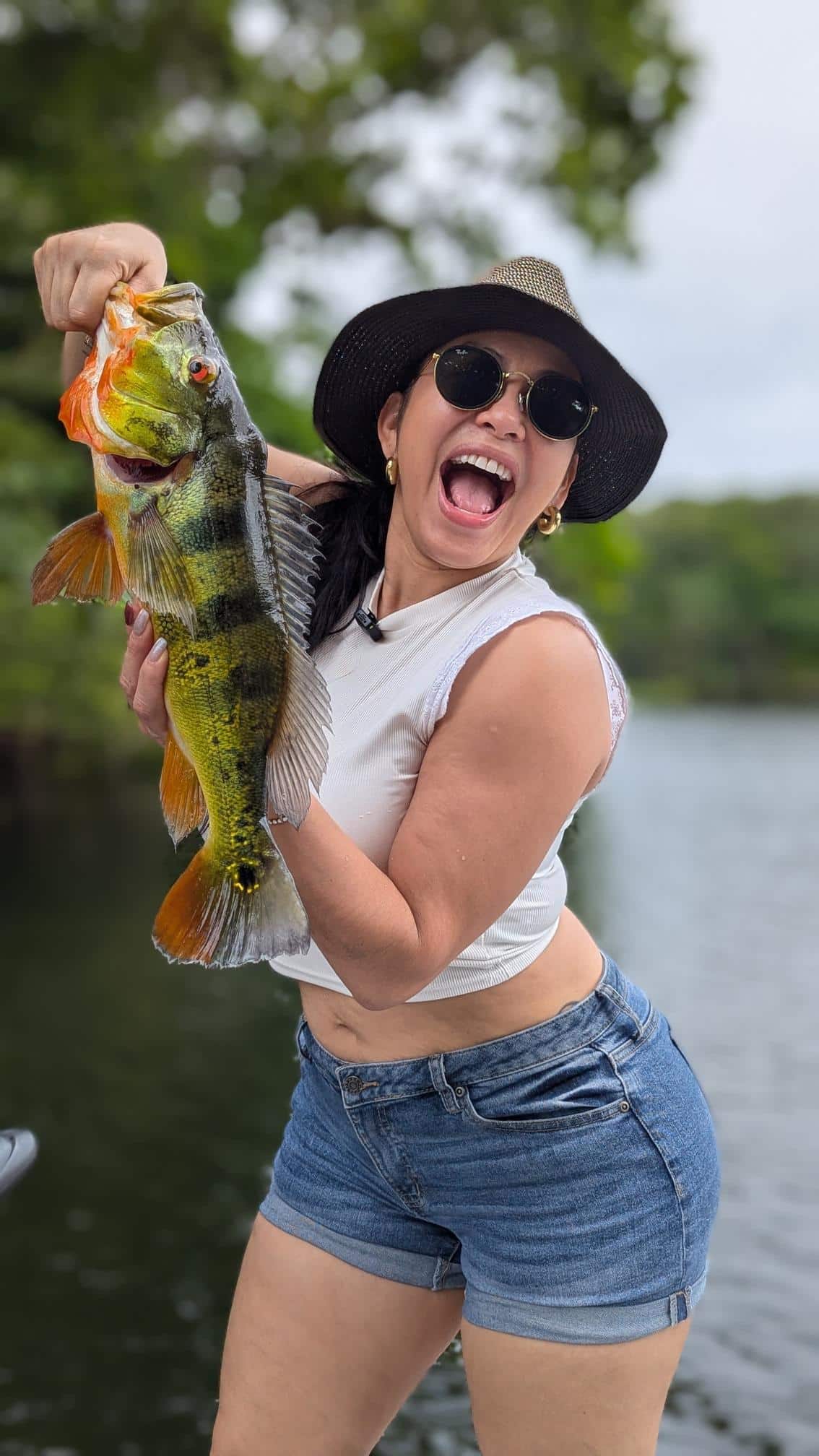
Peacock Bass
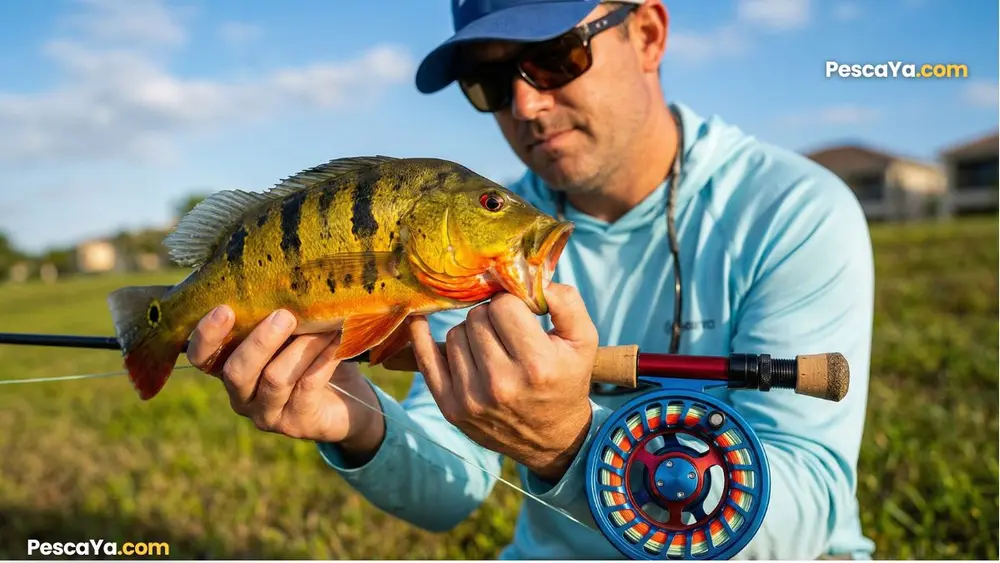
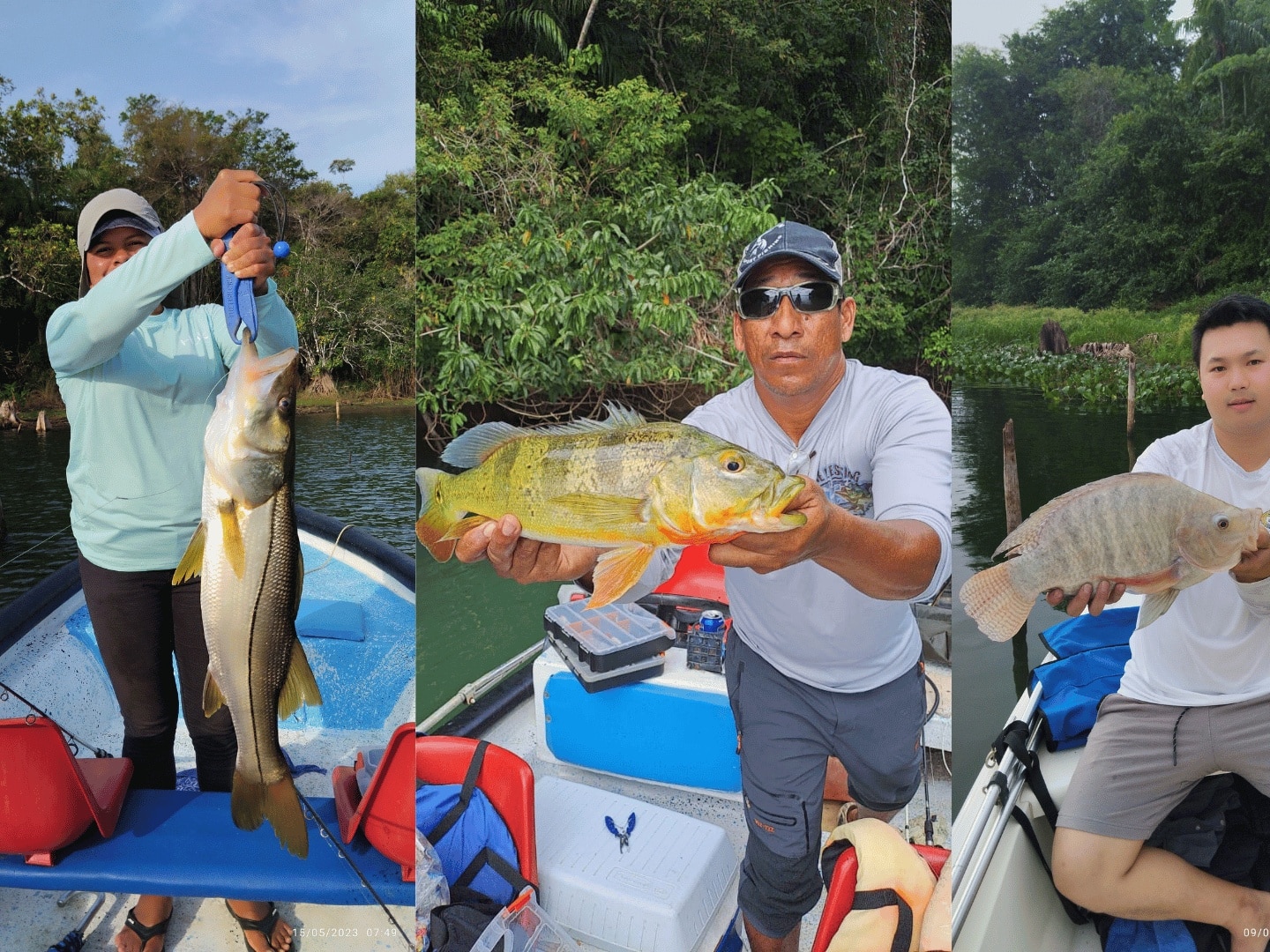
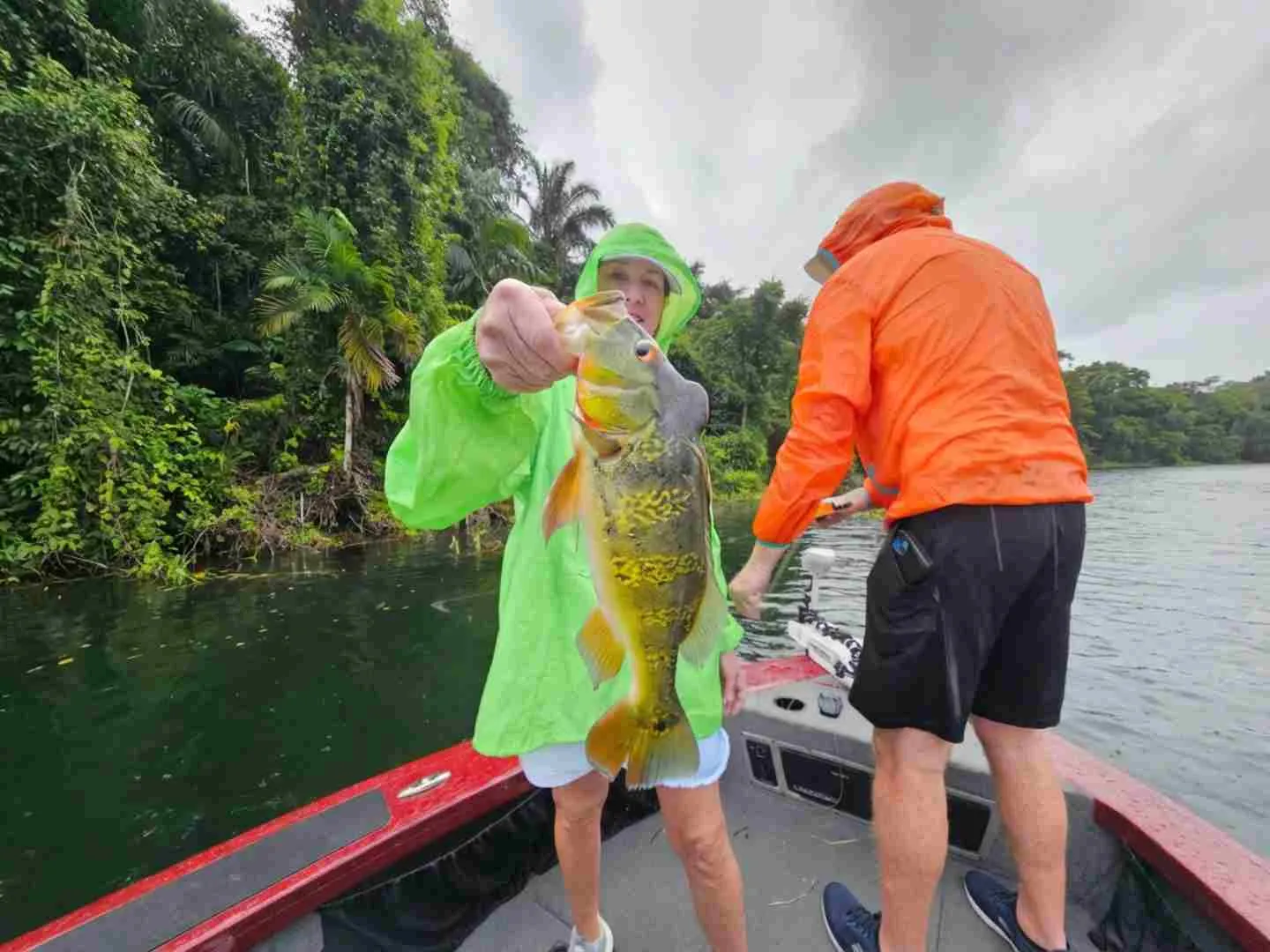
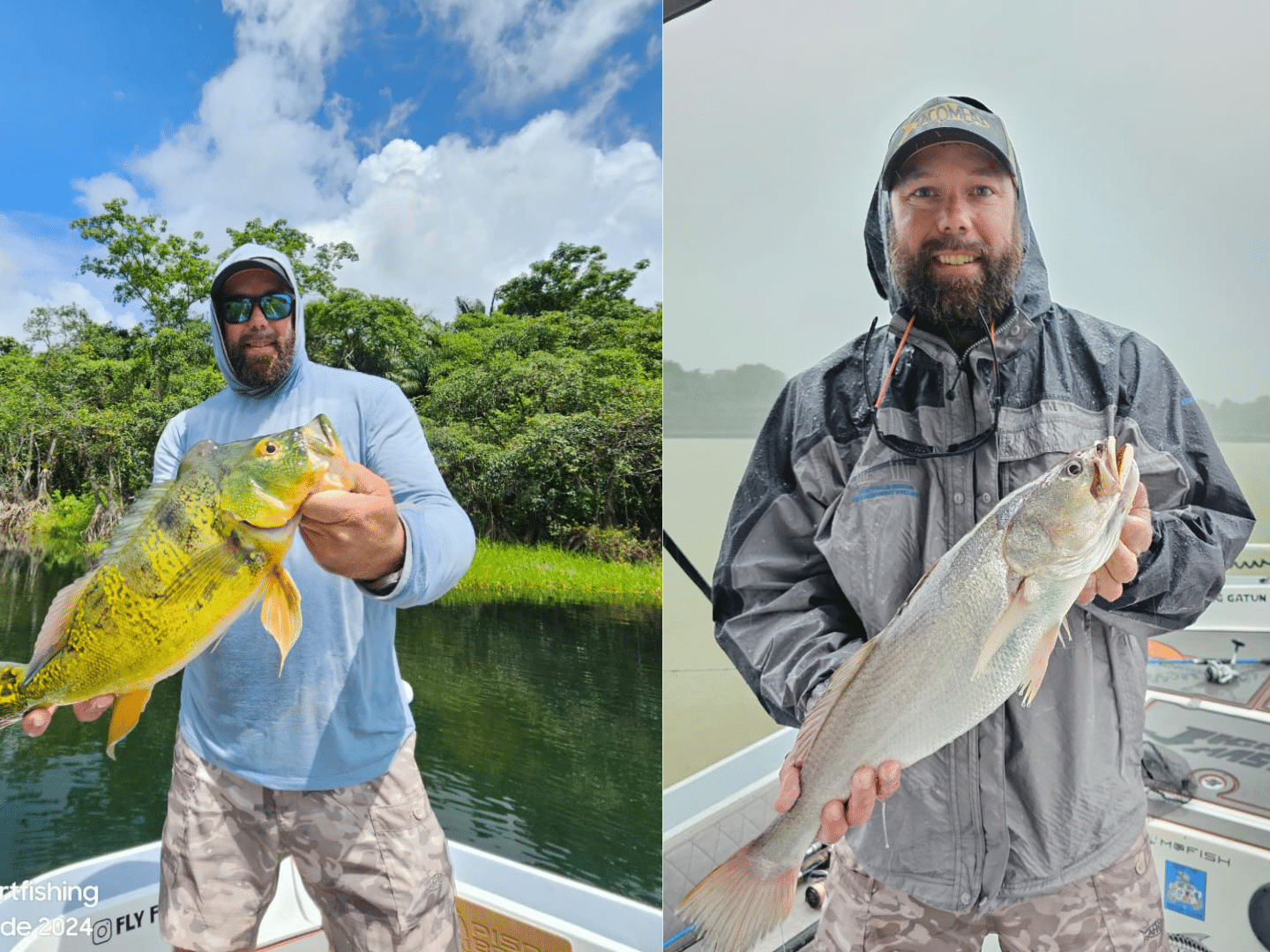
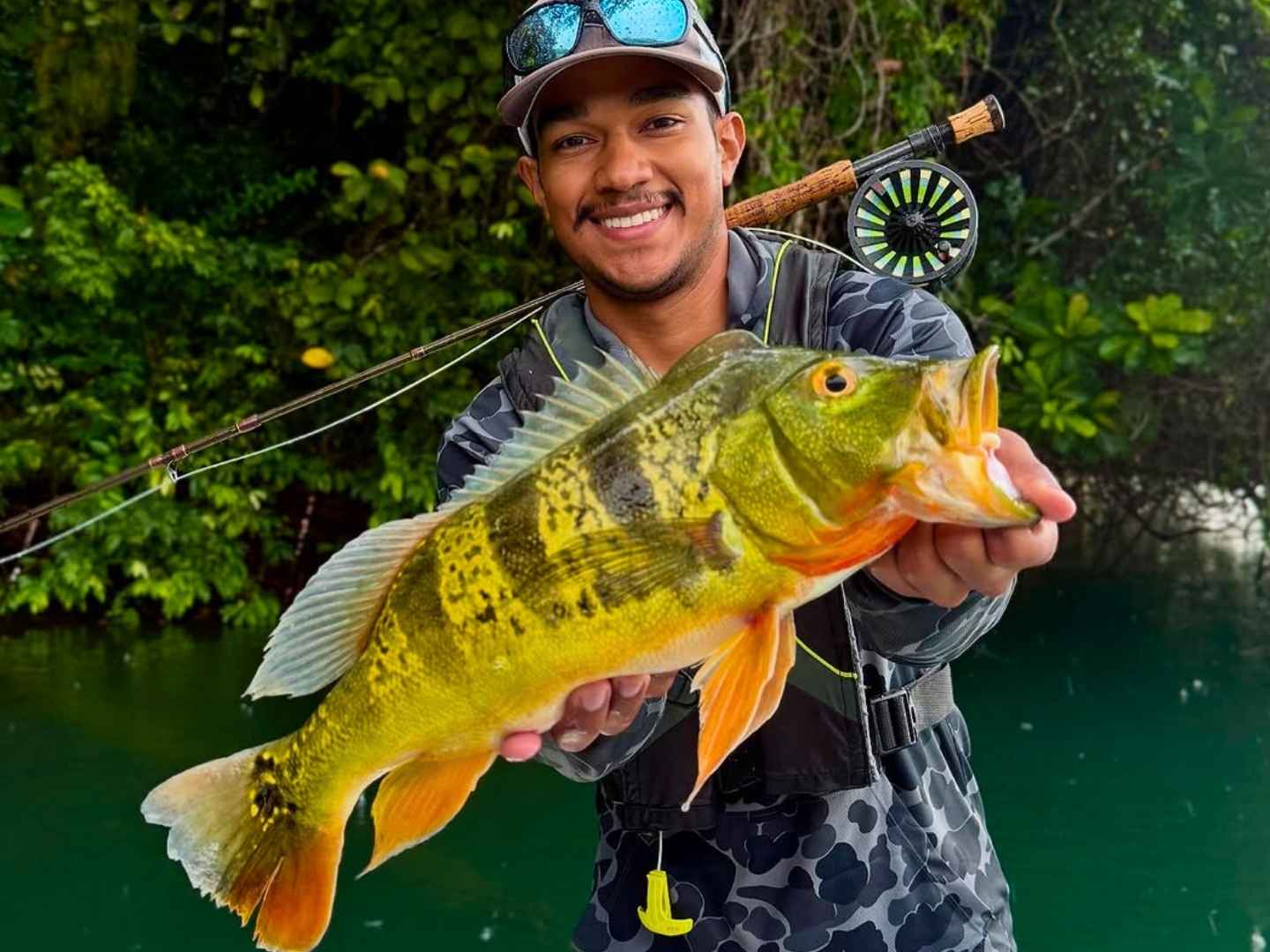
The most popular fish in the Canal by far. Peacock bass were introduced to Gatun Lake in the mid-20th century and took over, thriving in the warm, clear water among submerged timber and flooded vegetation. Average fish run 2–6 lbs, but double-digit fish do get caught — and they hit hard.
The best lures are small to medium jerkbaits, which work well for both casting and trolling along structure. On hot days, fish push deeper and slow down. Switch to jigs and work the bottom — you'll often draw strikes when nothing else is working.
Snook
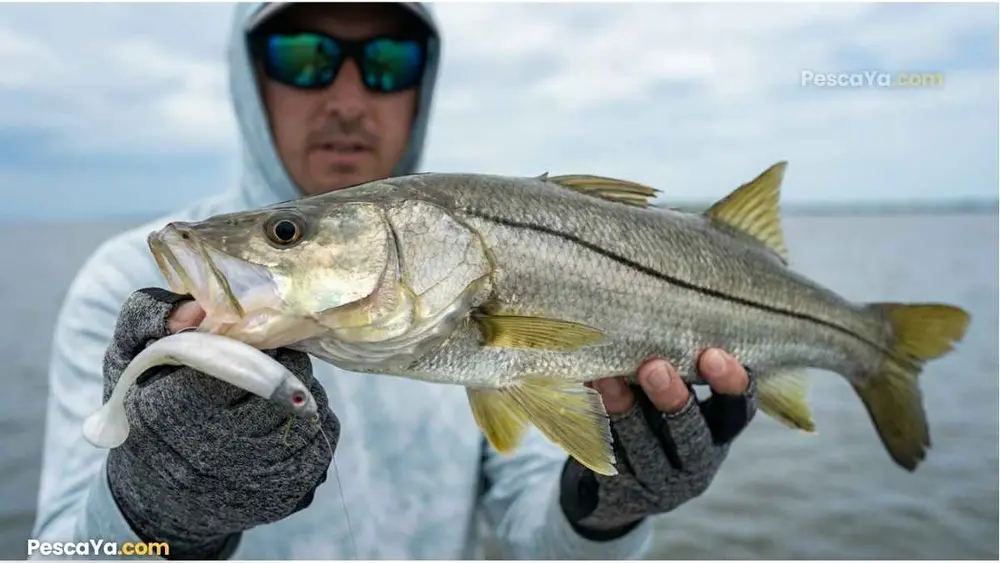
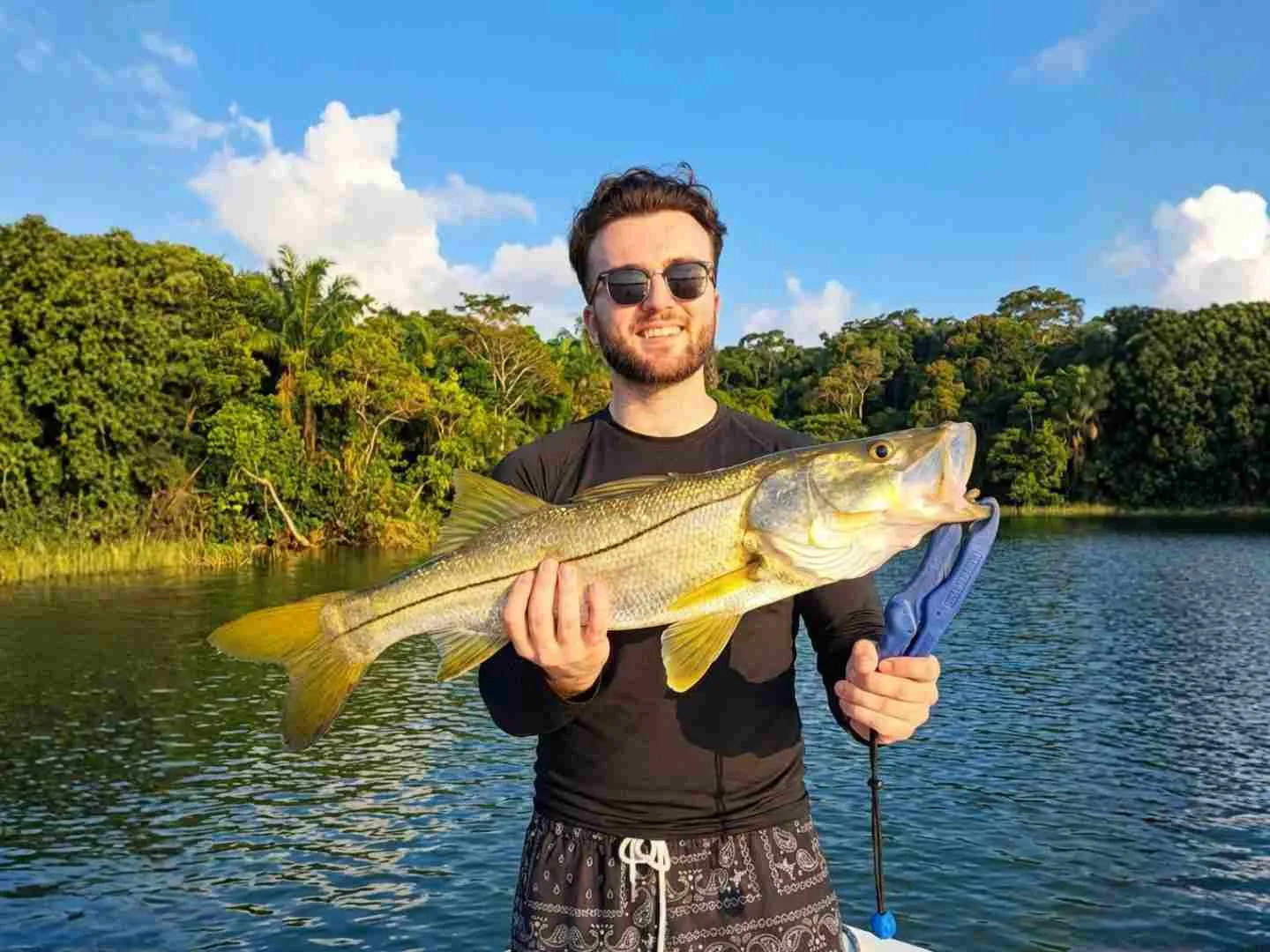
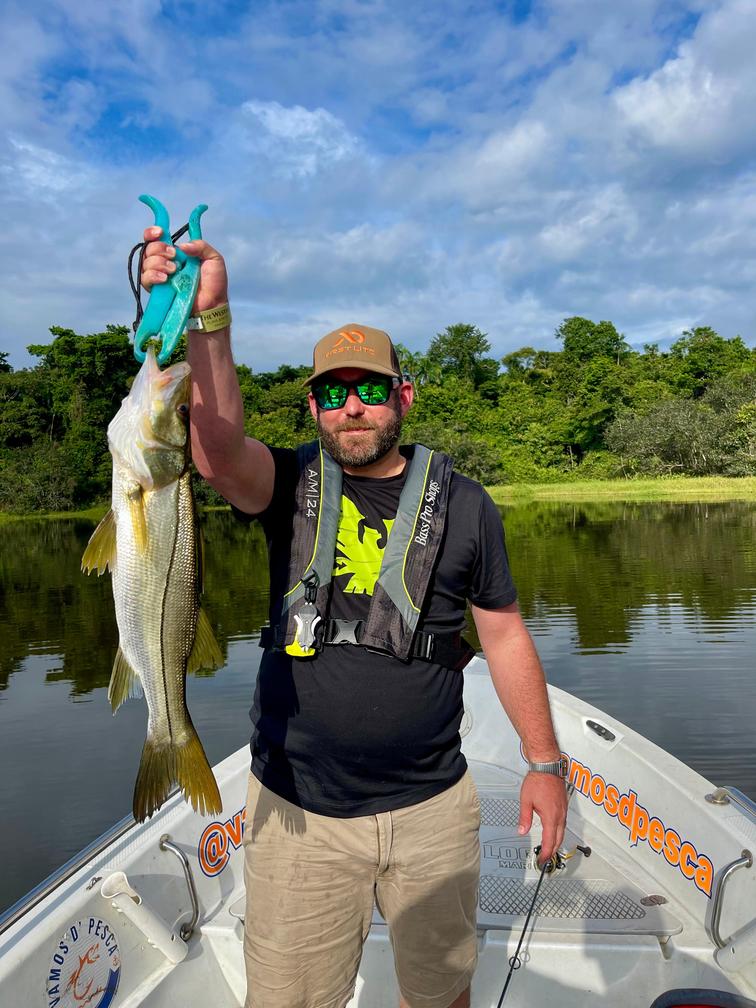
Snook didn't always live in Gatun Lake. After the Canal was built, they migrated up from the Caribbean and adapted perfectly to freshwater — a remarkable evolutionary move. They now reach 25–30 lbs and are one of the most exciting fish in the Canal.
Stealthy, strong, and capable of spectacular jumps when hooked. Fly fishing with poppers and shrimp patterns is increasingly popular for snook, as is live bait. Learn more in our guide to snook fishing in Panama.
Tarpon
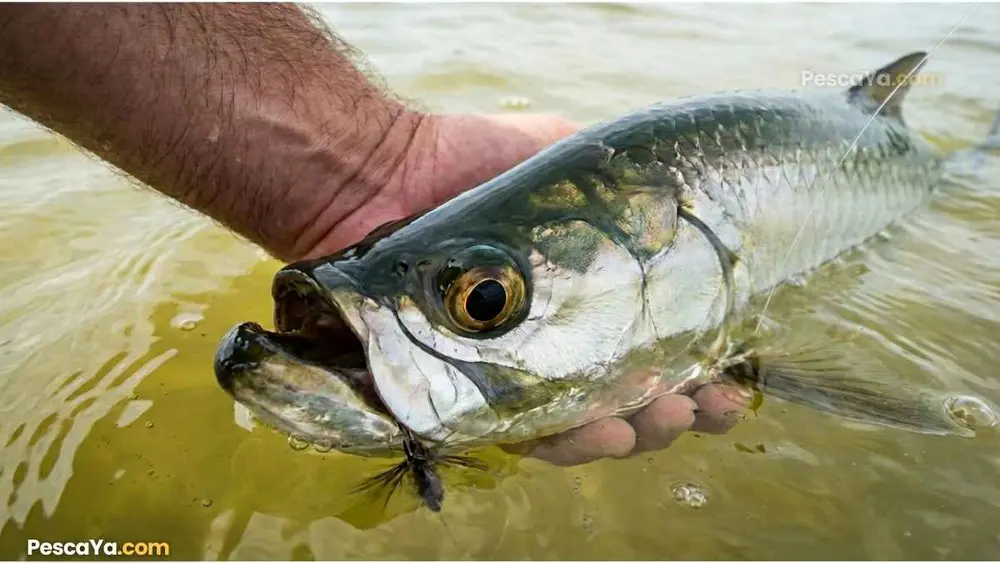
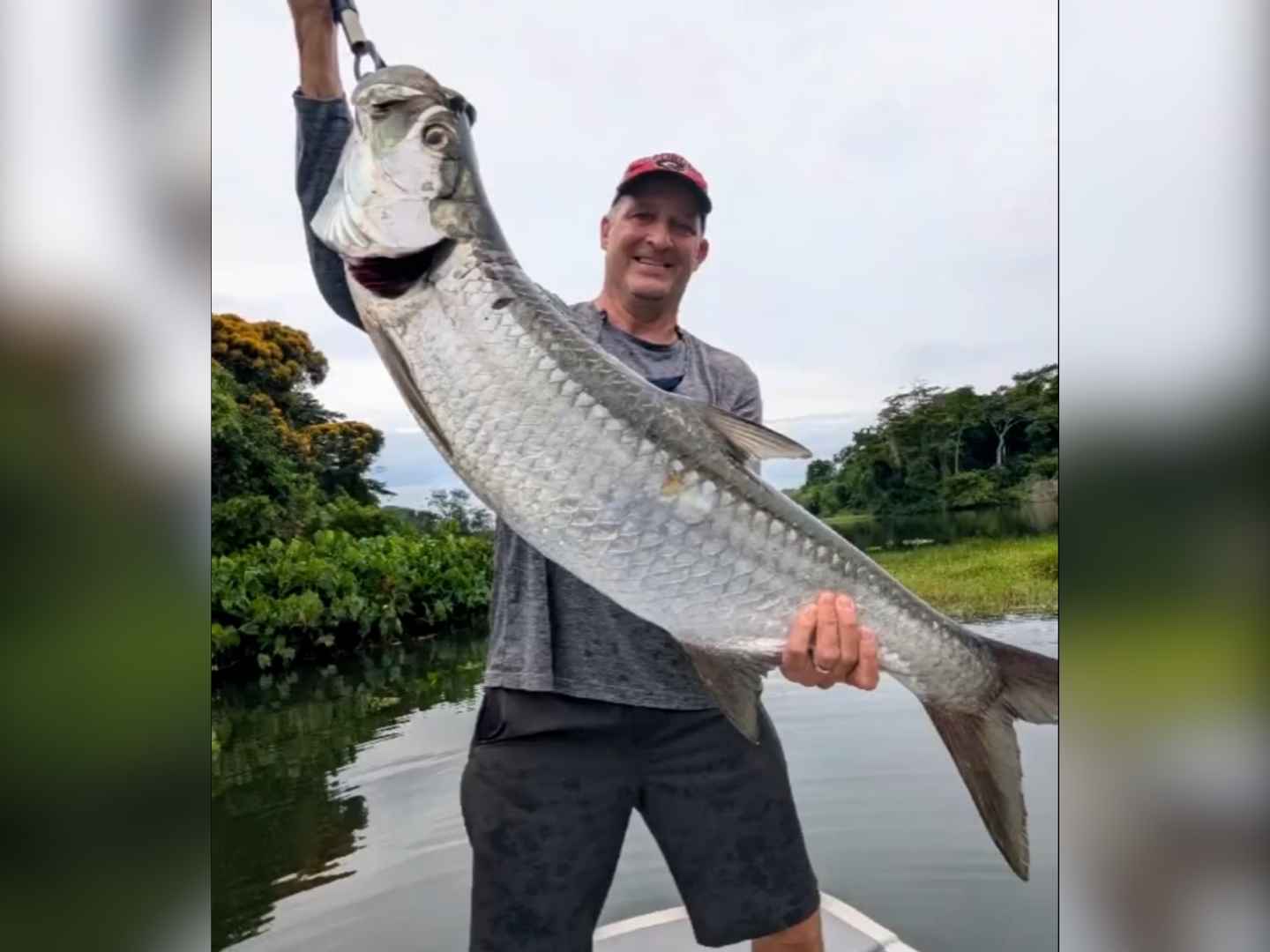
The biggest fish in the lake — and the hardest to catch. Tarpon in Gatun Lake range from 30-lb juveniles to 150-lb monsters, and landing one on any tackle is a serious achievement. Peak season runs April through October when water levels rise with the rains.
Fly fishing for tarpon requires a 10–12 wt rod and a lot of patience. They'll show themselves and refuse your fly more times than they'll eat it. But when one eats and jumps, there's nothing like it. Full breakdown in our tarpon fishing in Panama guide.
The Surprise Species — Marine Life in a Freshwater Lake
Here's where Panama Canal fishing gets genuinely unusual. Since the expanded Cocolí locks opened, marine species have been using the lock system to enter Gatun Lake. Jack crevalle show up in good numbers and are aggressive fighters on light tackle. Corvina and red snapper have also been caught in parts of the lake — saltwater species with no business being in freshwater.
Scientists have also confirmed the presence of juvenile bull sharks in the lake — Pacific-origin fish that entered through the Cocolí locks, identified by DNA analysis. It's an evolving ecological story and a reminder that Gatun Lake's species list is anything but static.
The Panama Canal Grand Slam
Local guides call it the Panama Canal Grand Slam: catching peacock bass, snook, and tarpon in a single day. It's not easy — each species requires different tactics, timing, and water conditions — but it's absolutely achievable, especially during the transition months of April and November when conditions favor all three.
If you're planning specifically around the Grand Slam, book a full-day trip and tell your guide upfront. They'll structure the day around the best windows for each species. See our peacock bass fishing in Panama guide for species-specific tactics.
CANAL ZONE SPORT FISHING
Fishing Charters in the Panama Canal
.jpg)

.jpg)
6 Hours of Fishing 6a.m.-12p.m. - All Inclusive VIP

.jpeg)
Half-Day Fishing on Lake Gatun – 6 Hours

.jpeg)
Best Time to Fish the Panama Canal
Dry Season (December–April)
Panama's dry season brings calm water, clear skies, and predictable conditions — the best window for peacock bass and snook. Lower water levels concentrate fish around structure, and topwater and jerkbait fishing can be exceptional. January through March is widely considered the peak window for Canal fishing.
Rainy Season (May–November)
The rains raise water levels across Gatun Lake, which is when tarpon peak. Fish spread into flooded vegetation and new structure appears. The fishing can be slower for peacock bass but more exciting for anyone targeting tarpon or the marine species pushing in through the locks. Fewer tourists mean more availability and, sometimes, better rates.
A Pro Tip for Hot Days
On hot afternoons, surface temps rise and peacock bass retreat to cooler depths. When the topwater bite dies, switch to jigs and slow down. Work deep structure methodically — the fish are still there, just not chasing surface presentations. Patience pays off.
Where to Fish — Top Spots in the Canal
Gatun Lake
The primary fishing area for the Panama Canal. At 166 square miles, it was the world's largest man-made lake when created in 1913. Submerged forests, river channels, and islands create endless structure — and a genuinely otherworldly landscape. Full guide: Gatun Lake fishing.
Gamboa — The Main Access Point
Gamboa is where almost every Panama Canal fishing trip begins. It is a small former Canal Zone township about 40 minutes from Panama City, sitting exactly where the Chagres River meets the Canal at the northern end of the Gaillard Cut — which makes it the natural gateway to Gatun Lake.
The drive in runs through Soberanía National Park on Gaillard Highway, crossing the Chagres on a one-lane bridge shared with the railway. Most charters meet guests at the public dock; from there you are fishing within fifteen minutes. Gamboa also has the Rainforest Discovery Center and its canopy tower nearby, which is why it works well for groups where not everyone wants to fish.
Gamboa isn't the only way in. La Arenosa, near La Chorrera, is a quieter launch point on the western arm of the lake, and the Atlantic side can be reached from Colón, about an hour and fifteen minutes from the capital.
Monkey Island and the Back Bays
The back bays and island edges within Gatun Lake are where local guides find the best peacock bass action. Monkey Island is famous for wildlife — resident monkeys, crocodiles, toucans, and hawks — and it's surrounded by productive fishing structure. Your guide will know the specific coves and points that hold fish, and the spots that casual visitors never reach.
Fishing Techniques and Gear
Spinning and Baitcasting
For peacock bass, small to medium jerkbaits are the go-to lure. They produce on both casts and trolls along structure and fallen timber. When the bite is slow on hot days, switch to jigs and work the bottom slowly. Medium-heavy spinning or baitcasting gear — a 7 ft rod with 20–30 lb braid — handles everything the Canal can throw at you.
Fly Fishing
Fly fishing on the Canal is growing fast, and for good reason. An 8 wt outfit covers snook and smaller tarpon; a 10–12 wt is essential for big tarpon. Proven patterns include poppers, shrimp imitations, and the black death — a dark streamer that moves well in the tannin-colored water. Bring plenty of flies. The Canal is tough on equipment and the fish are not forgiving of gear failures.
Live Bait
For targeting large snook and tarpon specifically, live bait remains the most consistently productive method. Guides typically use tilapia and mojarra sourced locally. If you want to maximize your chances at a trophy snook or a Canal tarpon, ask your captain to rig live bait for at least part of the day.
Beyond Fishing: Locks, Wildlife & Eco Tours in the Canal
Not everyone in your group has to fish. The Canal Zone is one of Panama's best wildlife and eco-tourism destinations, and most operators are happy to combine a few hours of fishing with a few hours of sightseeing.
Boat Tours & Partial Canal Transits
Want to see the Canal itself in action rather than fish it? Partial transits run from Panama City and take you through the Miraflores and Pedro Miguel locks, lifting your boat the full 26 metres up to Gatun Lake level and back — the same process a container ship goes through, at a scale you can actually take in. Full ocean-to-ocean transits run less frequently and take most of a day.
For a shorter option, the Miraflores Visitor Center has an observation deck right above the locks, and private boat tours from Gamboa run out onto Gatun Lake itself without the lock transit. Half-day lake tours are the easy choice for families: same water, same wildlife, no early start.
If part of your group wants to fish and part wants to sightsee, this is the practical answer — book a Gatun Lake charter and a lake boat tour on the same morning out of the same dock in Gamboa.
Monkey Island and Wildlife
The islands and back bays of Gatun Lake are home to white-faced capuchin, howler, and tamarin monkeys. Most guides can build a stop at Monkey Island into a fishing trip or run it as its own wildlife cruise, often adding crocodile and bird spotting along the shoreline.
Bird Watching
Soberanía National Park and the shores of Gatun Lake have logged over 500 bird species, including toucans, parrots, kingfishers, and herons. Early morning is best for activity — bring binoculars.
Nature & Eco Tours
For a slower pace, kayak trips through quiet backwaters, rainforest hikes in Soberanía National Park, and the canopy tram at the Gamboa Rainforest Reserve — with a good shot at spotting sloths — round out the Canal's non-fishing side.
Panama Canal Fishing FAQ
Are there really fish in the Panama Canal?
Yes — Gatun Lake, which forms the central freshwater section of the Canal, holds an extraordinary mix of species. Peacock bass are the most abundant, but you can also target snook, tarpon, jack crevalle, corvina, red snapper, and more. The lake has been continuously colonized by species adapting to its unique freshwater and estuarine conditions.
Do you need a fishing license for the Panama Canal?
Not if you fish with a guide. Gatún Lake and the other Canal waters sit outside Panama's new sport-fishing decree (in force from 10 December 2026), and your guide handles any Panama Canal Authority requirements. If you plan to fish on your own, confirm the current rules with the Canal Authority before you go.
How far is the Canal from Panama City?
Gamboa, the main fishing hub, is 30–40 minutes from downtown Panama City. It's one of the most accessible world-class freshwater fisheries you'll find anywhere — no remote lodge required.
How much does a Panama Canal fishing tour cost?
Half-day trips typically run $250–$350 USD per person depending on group size and operator. Full-day trips range from $350–$600. Most packages include gear, bait, fishing license, and a guide.
Is Panama Canal fishing good for beginners?
Absolutely. The calm, enclosed waters of Gatun Lake are ideal for first-time anglers, families, and anyone who doesn't want offshore conditions. Guides are experienced with all skill levels, and peacock bass fishing in particular is very accessible — active, visual, and exciting even for people who've never fished before.
Are there sharks in the Panama Canal?
Juvenile bull sharks have been confirmed in Gatun Lake — bull sharks tolerate freshwater better than any other large shark, and the locks give them a route in from both oceans. They are genuinely rare, nobody targets them, and they are not something anglers on a lake charter need to think about. They are, however, a good reason not to swim.
Can you fish the Panama Canal without a boat?
Not practically. The productive water is out on Gatun Lake around submerged timber and drop-offs, shore access is minimal, and the navigation channel is off limits. Every real Panama Canal fishing trip is a boat charter, most of them leaving from the public dock at Gamboa.
What is the best month to fish the Panama Canal?
For the most comfortable conditions and the best peacock bass fishing, aim for the dry season between December and April. If tarpon are your priority, the rainy season from May to November raises water levels across Gatun Lake and pushes them further into the system.
Last Cast
Panama Canal fishing sits in a category of its own. Where else do you cast jerkbaits while cargo ships pass in the background, monkeys cross overhead, and your next bite might be a peacock bass, a snook, a jack crevalle — or something scientists are still trying to explain? The fishery is evolving in real time as marine species push into the lake through the Cocolí locks, and what's possible here keeps expanding.
Whether you're chasing the Grand Slam or just want a half-day adventure 30 minutes from Panama City, the Canal delivers.
Browse our Panama Canal fishing tours to find a charter that fits your schedule and skill level.