
PanamaFish Species
Machaca Fishing in Panama: Complete Guide
Machaca fishing in Panama. Learn where to find them, best techniques, seasonal patterns, and how to book fishing trips.
By Charlie Gonzalez11 min read
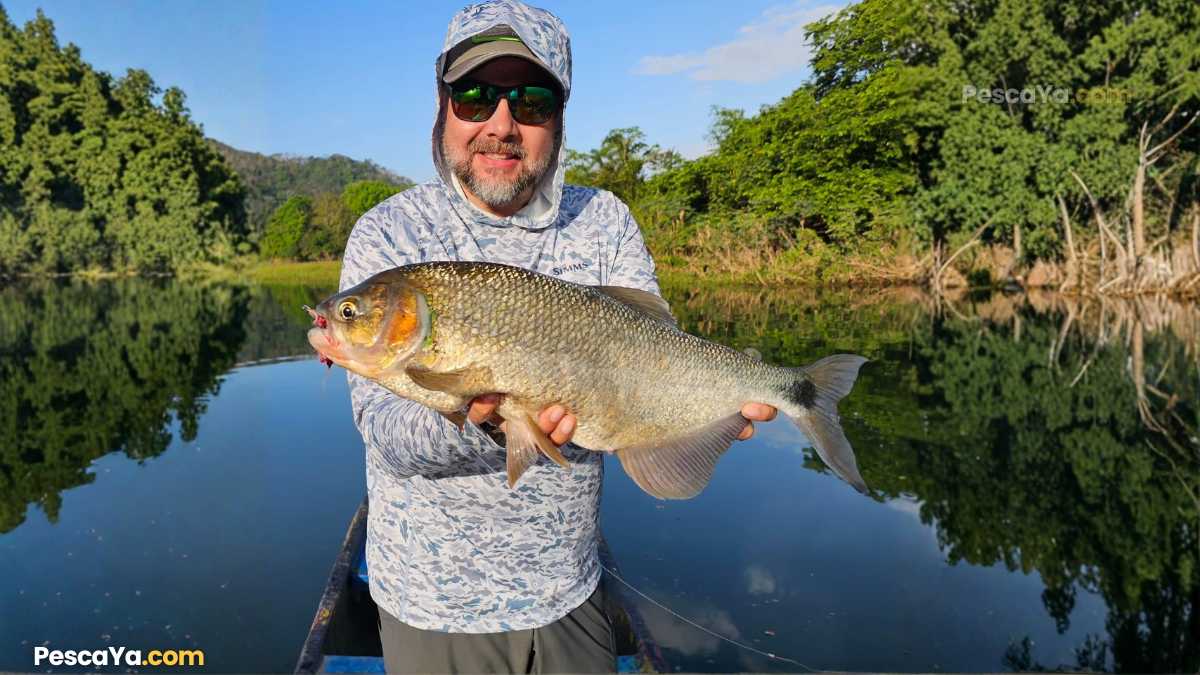
Have you ever heard of the mini tarpon or Machaca? While most anglers come to Panama dreaming of blue marlin or roosterfish, the country's rivers and lakes hold a scrappy little fighter that punches way above its weight class.
PANAMA FISHING CHARTERSBook a Panama fishing tripRivers & estuaries · machaca, snook & tarponView charters →PANAMA FISHING CHARTERSBook a Panama fishing tripRivers & estuaries · machaca, snook & tarponView charters →Machaca are aggressive, acrobatic, and willing to smash topwater lures with reckless abandon. In this guide, you'll learn where to find machaca in Panama, the best techniques and tackle to use, optimal fishing seasons, and how to book a trip that puts you on the water with these explosive fish.
What Are Machaca?
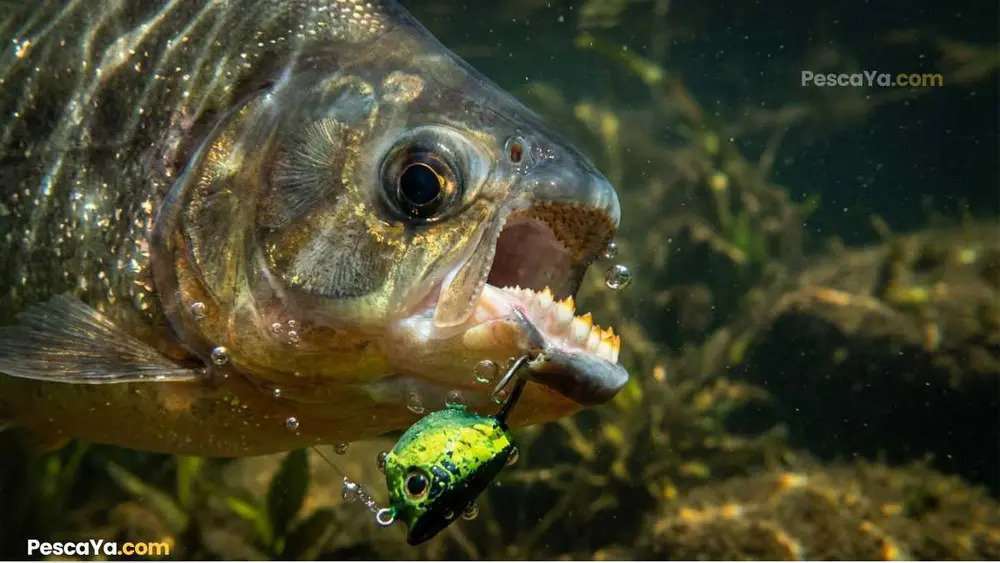
Scientifically known as Brycon guatemalensis, machaca are prized freshwater game fish found in high-elevation rivers across Central America, from southern Mexico to Panama. Despite being relatives of the piranha, machaca have evolved into primarily herbivorous fish as adults, feeding on fruits, seeds, and plant matter that fall into the water from overhanging trees.
These stocky fish have deep, muscular bodies with silver flanks that can take on golden or darker hues around the head. Their most distinctive feature is their impressive set of molarlike teeth, perfectly designed for crushing nuts and seed pods rather than tearing flesh. Most machaca in Panama range from 3 to 6 pounds, though larger specimens approaching 10 pounds have been recorded in the region.
What makes machaca truly special is their aggressive feeding behavior. Unlike many herbivorous fish, they attack surface presentations with explosive strikes that would make any bass angler jealous. They're reactionary feeders, constantly on the lookout for anything that hits the water—whether it's a falling guava or your well-placed popper.
Why They're Called "Mini Tarpon"
The nickname "mini tarpon" isn't just marketing—it's an accurate description of how machaca fight once hooked. The moment a machaca feels the hook, it launches skyward in a series of spectacular jumps, often throwing the lure in the process. This aerial display, combined with their hard runs and dogged determination, makes them feel much larger than their actual size.
The comparison goes beyond just the fight. Like tarpon, machaca have a tendency to jump multiple times during a single battle, often getting airborne three or four times before you bring them to hand. This acrobatic behavior, paired with their surface-feeding habits, creates an incredibly visual and exciting style of fishing that keeps you on your toes from the first cast to the final release.
Where to Find Machaca in Panama
Bayano River System
The Bayano River, located about two hours east of Panama City, stands as one of Panama's premier freshwater fishing destinations and arguably the best spot for targeting machaca in the country. This freshwater and estuarine system winds through thick jungle, creating the perfect habitat for machaca to thrive.
Fishing tours in Bayano give you access to a wild setting where machaca cruise along shorelines, waiting under submerged timber and near rocky points for their next meal. The calm, dark water here is surrounded by rainforest, with overhanging branches dropping fruits and seeds directly into prime feeding zones. This creates ideal conditions for targeting machaca with topwater lures and flies.
Most captains focus on shallow coves, creek mouths, and areas with structure where machaca tend to gather. The explosive topwater hits here can be some of the most memorable moments you'll have freshwater fishing in Panama. Beyond machaca, Bayano also holds juvenile tarpon, snook, and peacock bass, making it an excellent choice for anglers who want variety in their freshwater fishing.
Lake Gatun and the Panama Canal
Lake Gatun, the massive reservoir that forms a crucial part of the Panama Canal, offers another excellent opportunity for machaca fishing. While this man-made lake is more famous for its peacock bass fishing, machaca are a regular catch here and provide a fun alternative target when peacock bass aren't cooperating.
The advantage of Gatun Lake fishing is its accessibility—you can be fishing productive water within 30 minutes of Panama City. The lake's shoreline structure, including flooded timber and creek mouths, attracts machaca looking for feeding opportunities. The fish here respond well to the same surface presentations that work in rivers, and you'll often find them mixed in with peacock bass around similar structure.
Fishing near the islands and points where currents concentrate baitfish can be especially productive. Early morning and late afternoon sessions typically produce the best action, when machaca move into shallower water to feed.
Other Freshwater Spots
While Bayano and Gatun Lake are the most accessible and productive machaca fisheries, Panama's network of rivers and streams offers additional opportunities for adventurous anglers. Smaller tributaries feeding into major river systems often hold good populations of machaca, particularly during the rainy season when water levels rise and food becomes more abundant.
River mouths where freshwater meets estuarine conditions can be particularly productive, as machaca often congregate in these transition zones. These areas require more local knowledge to fish effectively, which is why booking with an experienced guide is recommended if you want to explore beyond the main fisheries.
Best Time for Machaca Fishing in Panama
Dry Season Advantages (December-April)
The dry season in Panama, running from December through April, is traditionally considered the prime time for machaca fishing. During these months, water levels stabilize and clarity improves, making it easier to sight-fish and target specific structure.
December through April also coincides with peak feeding activity for many freshwater species. Machaca and peacock bass are particularly strong during this period, with machaca showing aggressive surface feeding behavior throughout the day. The clear skies and calm conditions of the dry season make for comfortable fishing, and you'll spend more time casting and less time waiting out afternoon thunderstorms.
For anglers combining saltwater and freshwater fishing, the dry season aligns perfectly with excellent offshore and inshore fishing conditions as well, making it easy to build a diverse Panama fishing trip.
Wet Season Opportunities (May-November)
Don't write off the wet season for machaca fishing. From May through November, increased rainfall brings higher water levels and more nutrients into river systems, which can actually trigger excellent feeding activity. Machaca become more active as fruits and seeds fall more frequently from rain-soaked trees, and the fish often move into newly flooded areas to feed.
The key during the wet season is timing your fishing around weather patterns. Mornings are often clear, giving you several productive hours before afternoon rains arrive. Some anglers actually prefer the wet season because fishing pressure is lighter, and the jungle environment feels even more alive and vibrant.
Year-round fishing is possible in Panama, and machaca remain catchable throughout the calendar. If you're flexible with your schedule and don't mind occasional rain, the wet season can offer excellent value and equally productive fishing.
Techniques and Tackle for Machaca in Panama
Fly Fishing for Machaca
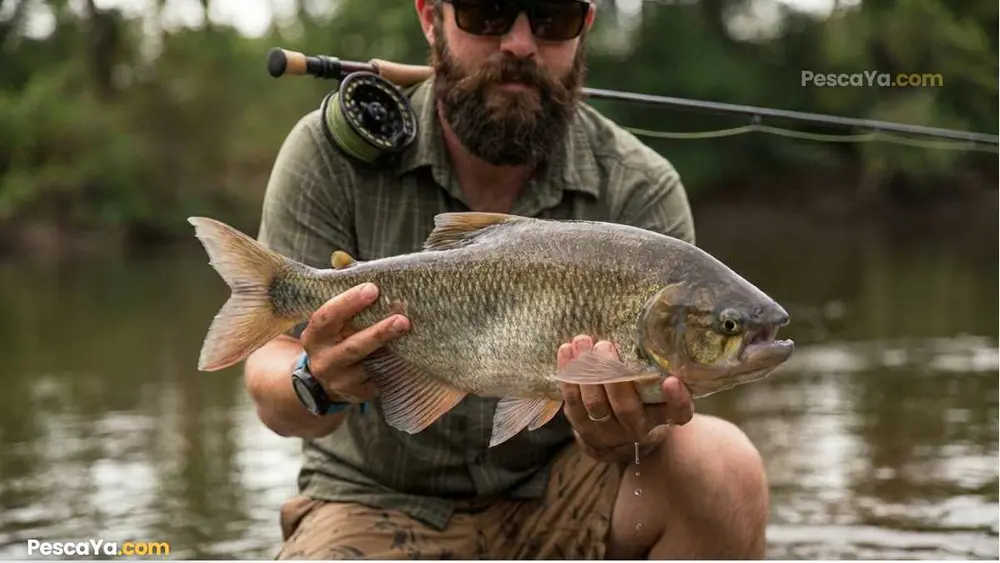
Fly fishing for machaca is an absolute blast, but it requires a slightly different approach than traditional trout or bass tactics. The key to success is making a loud, aggressive presentation that mimics a fruit or seed hitting the water.
Expert fly anglers recommend using an 8-weight rod to give you the backbone needed to turn fish away from structure and to generate the casting power for loud presentations. A weight-forward floating line works perfectly for surface presentations.
The fly selection centers around poppers and fruit-imitating patterns. Cork-bodied poppers work exceptionally well, as they create the loud "plop" sound that attracts machaca from a distance. Some anglers have found success with large, green patterns that mimic the chilamate fruit that machaca love to eat.
Here's the critical technique detail: you need to slam the fly onto the water as hard as possible. This isn't delicate dry fly fishing—you want to make noise and create a disturbance. The aggressive presentation triggers machaca to react immediately, often resulting in explosive surface strikes within seconds of the fly landing.
Leader setup is crucial due to machaca's sharp teeth. A 25-pound fluorocarbon leader prevents cutoffs when those molarlike teeth clamp down. Some anglers use poppers with trailing hooks to improve hookup ratios, as machaca often strike short and miss the main hook.
Be prepared for challenging hookups. Even when you get dozens of strikes, you might only land 15-20 fish in a day. This frustrating but exciting aspect of machaca fishing is part of what makes them so addictive—each successful hookset feels like a victory.
Light Tackle and Spinning Gear
For anglers who prefer spinning gear, machaca fishing offers equally exciting action with slightly better hookup ratios. Light tackle works best—think 6-10 pound test line on a medium-light spinning rod. This gives you the sensitivity to feel subtle takes while still having enough power to control fish.
Small poppers and surface lures are the go-to choices. Work them with sharp, erratic pops to create commotion on the surface. Machaca rarely need much coaxing—if they're there, they'll hit.
Spinners and spoons also produce well, particularly small gold and silver patterns that flash in the water. Small minnow-style crankbaits can be effective when machaca are feeding deeper or when surface action is slow. In murky water conditions, darker colored lures that create vibration often outperform visual presentations.
The retrieve technique is straightforward: keep it moving. Machaca are reactionary feeders, so if you don't get a strike within the first few twitches of your lure, pick it up and cast to a new target. You're better off covering water and searching for active fish than working one spot too long.
Reading the Water and Finding Fish
Successful machaca fishing starts with putting your lure in the right places. Look for overhanging trees, particularly those dropping fruits or seeds into the water. Machaca stage underneath these natural feeding stations, waiting for the next meal to fall.
Rocky points, submerged timber, and creek mouths all concentrate machaca. These fish love current breaks and structure where they can ambush prey while conserving energy. Cast tight to cover—machaca won't travel far to chase a lure, so accuracy matters more than distance.
The best fishing times are early morning and late afternoon when temperatures are cooler and fish are most active. During the heat of midday, focus on shaded areas where machaca retreat from the sun.
Catch Rates and Size Expectations
On a good day in Panama's machaca waters, you can expect 10-30 strikes, with 30-50% hookup rates being typical. This might sound frustrating, but it's part of the game. The fish that you do land will be memorable, and the misses just add to the excitement.
Size-wise, most Panama machaca fall in the 3-6 pound range. These are solid fish that fight well above their weight. Anything over 5 pounds is a quality catch, and fish approaching 8-10 pounds are considered trophies worth celebrating.
The beauty of machaca fishing is that even the smaller fish provide excellent action. A 3-pound machaca on light tackle is an absolute riot, and you'll rarely feel like you're catching "small" fish even when targeting average specimens.
Machaca Fishing Tour Options and Pricing
Machaca fishing trips in Panama are typically offered as half-day (4-5 hours) or full-day (8 hours) excursions. Half-day trips work well if you're combining freshwater fishing with other activities or if you're just looking for a quick taste of machaca action.
Full-day trips give you the best chance at sustained action and allow you to explore multiple spots if fishing is slow in one area. You'll also have time to target other species like peacock bass, snook, or tarpon that share the same waters.
Pricing for machaca fishing trips generally ranges from $250-500 for half-day trips and $400-800 for full-day excursions, depending on the boat size, number of anglers, and included amenities. Most trips include all tackle, bait/lures, water, and lunch on full-day trips.
To book machaca fishing in Panama and explore all available freshwater options, browse fishing tours in Panama to find experienced captains and compare prices.
PANAMA RIVER FISHING
Fishing Charters in Panama
.png)
.jpeg)

5-Hour Fishing Adventure in Panama Bay
Isla Paridas & Areas Nearby – Inshore Sportfishing
PANAMA RIVER FISHING
Fishing Charters in Panama
5-Hour Fishing Adventure in Panama Bay
Isla Paridas & Areas Nearby – Inshore Sportfishing
What size do machaca get in Panama?
Most machaca in Panama range from 3-6 pounds, with fish over 5 pounds considered good catches. The largest machaca can approach 10 pounds, though these trophy-sized fish are rare. Even smaller machaca in the 3-4 pound range provide excellent sport on light tackle due to their aggressive strikes and acrobatic fights.
Do I need a fishing license to fish for machaca in Panama?
If you fish on a charter, no: the boat's license and the captain's card cover you. From 10 December 2026, anyone fishing independently or from shore needs a personal ARAP sport-fishing card. Billfish must always be released.
Can beginners catch machaca?
Absolutely. Machaca are aggressive feeders that readily take lures and flies, making them perfect for anglers of all skill levels. Their willingness to hit topwater presentations means you'll get plenty of visual strikes, which is exciting even for experienced anglers. A good guide will help beginners with casting technique and lure presentation to maximize success.
What's the best lure for machaca?
Small surface poppers are consistently the most effective lures for machaca. Gold and silver spinners, small crankbaits, and fruit-imitating flies also work well. The key is making a loud, aggressive presentation that mimics food hitting the water. For fly fishing, cork-bodied poppers in green, yellow, or natural colors produce the most strikes.
Are machaca good to eat?
While machaca are edible, they're not generally considered excellent table fare and have a lot of small bones. Most anglers practice catch-and-release to preserve the fishery and because machaca don't handle stress well. If you do keep a few, they can be used in soups or prepared whole, but they're not the primary reason people target this species.
One last cast
Machaca fishing in Panama offers an incredible freshwater experience that too few anglers discover. These explosive fighters combine aggressive surface strikes, spectacular aerial displays, and challenging hookups into one exciting package. Whether you're a fly fishing enthusiast looking for a new challenge or a light tackle angler who loves topwater action, machaca deliver the goods.
The combination of accessible locations like Bayano and Gatun Lake, year-round fishing opportunities, and relatively light fishing pressure makes Panama an ideal destination for machaca. You can easily combine a machaca trip with Panama's world-class saltwater fishing, creating a diverse and memorable fishing adventure.
Ready to experience the thrill of machaca fishing firsthand? Browse available fly fishing in Panama trips and book your freshwater adventure today. The jungle rivers are calling, and those surface explosions are waiting.