
PanamaWhere to Fish
Gulf of Chiriquí Fishing & Coiba: Species, Prices (2026)
Fish the Gulf of Chiriquí and Coiba National Park: species by season, real 2026 charter prices, and how to reach Coiba from David, Boca Chica or Santa Catalina.
By Charlie Gonzalez10 min read
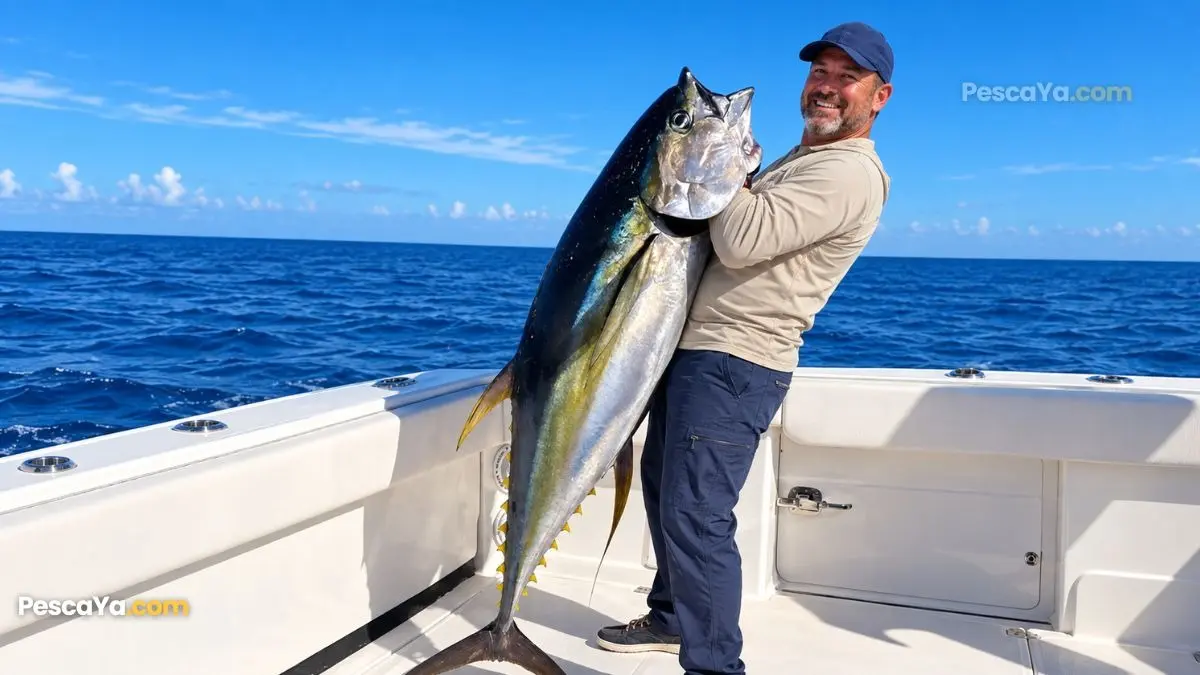
The Gulf of Chiriquí is the destination most serious anglers mean when they say "fishing in Panama." Seamounts, deep-water currents, and dozens of uninhabited islands sit within a short run of Boca Chica, and Coiba National Park, one of the largest marine reserves in the Eastern Pacific, sits right at the edge of it. Most guides treat Coiba as a footnote inside the Chiriquí grounds list. It deserves its own section, and this guide gives it one.
BOOK A PANAMA CHARTER
Panama Fishing Charters
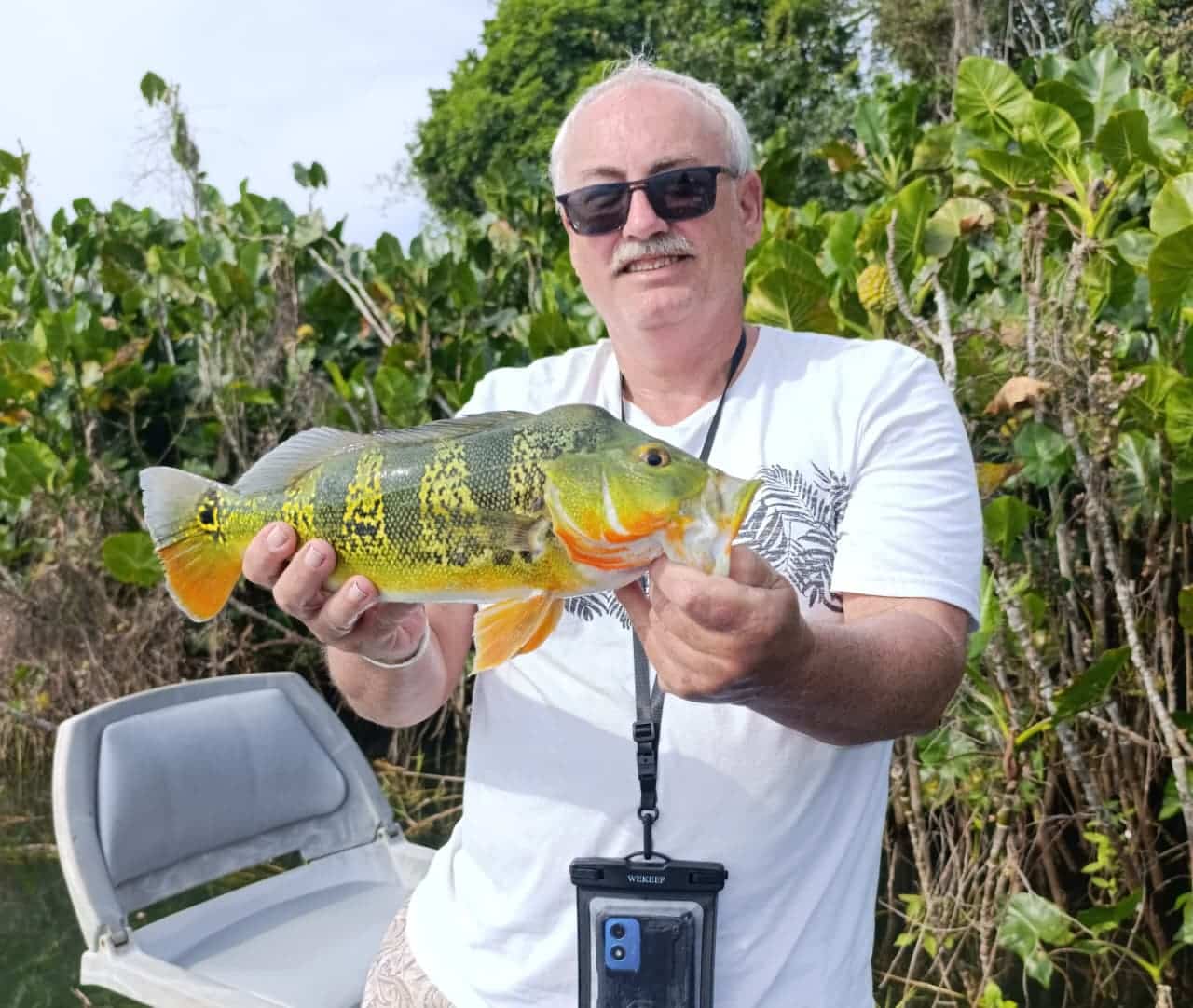
6 Hour Fishing Trip in Panama Canal

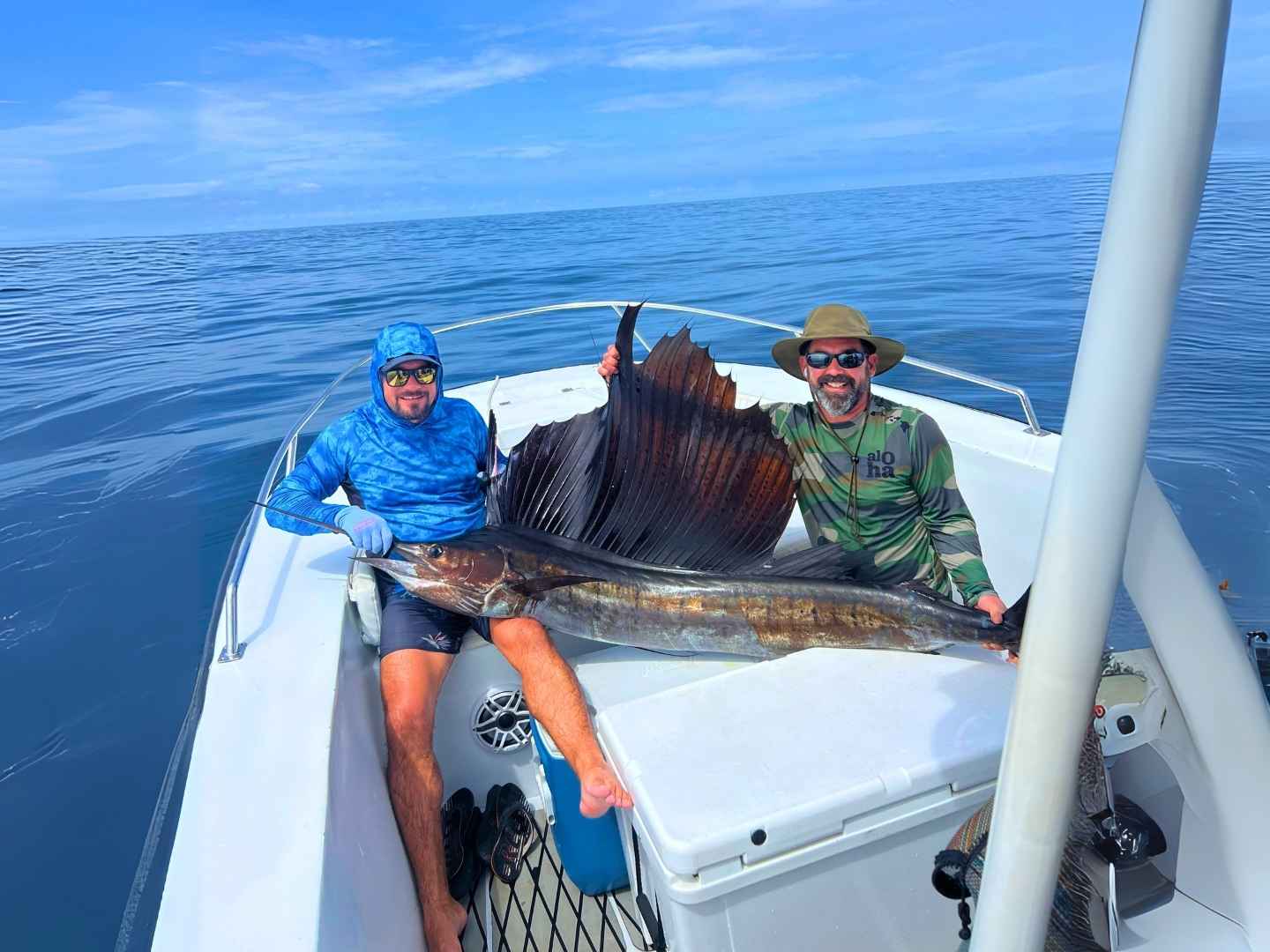
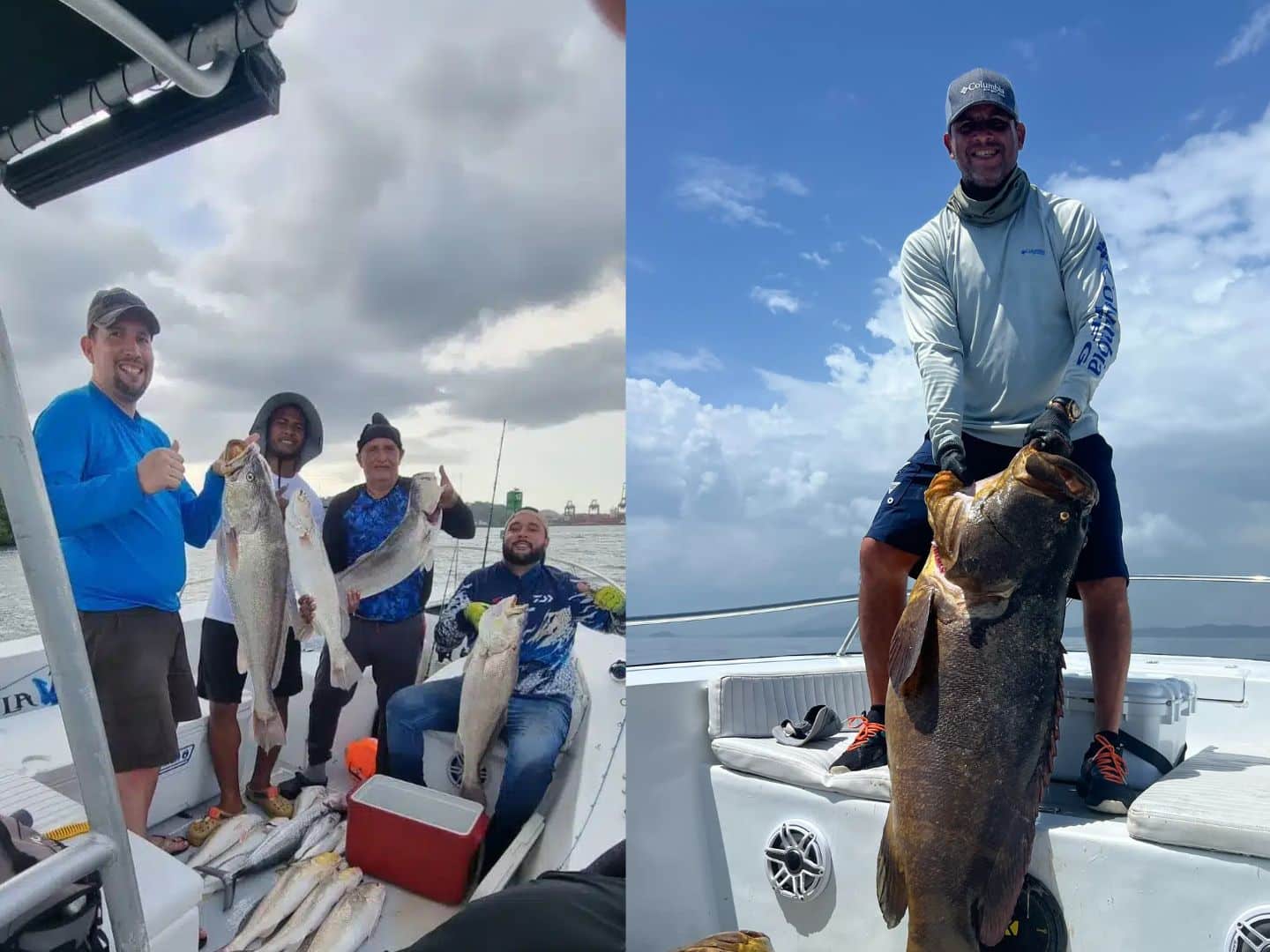
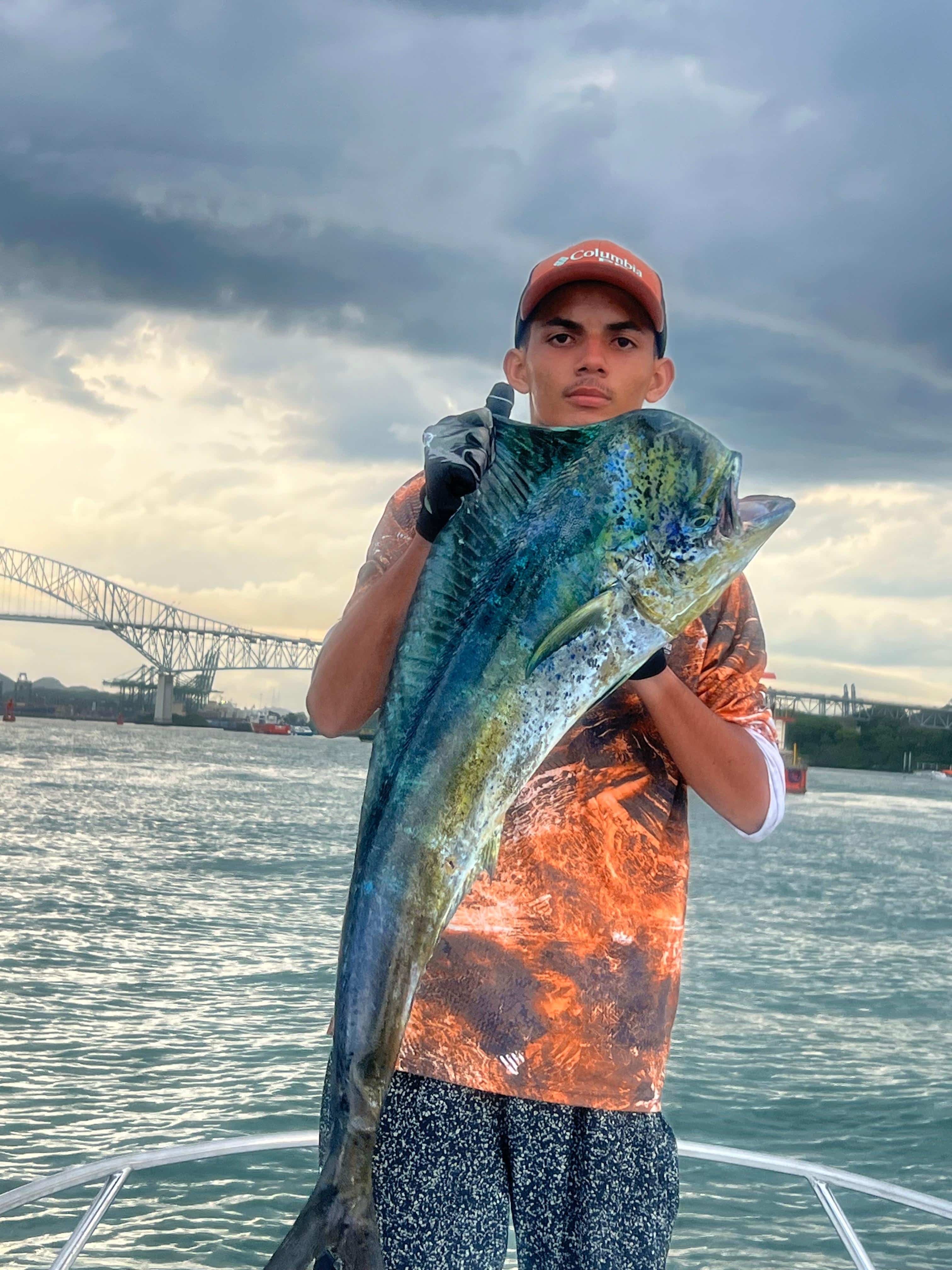
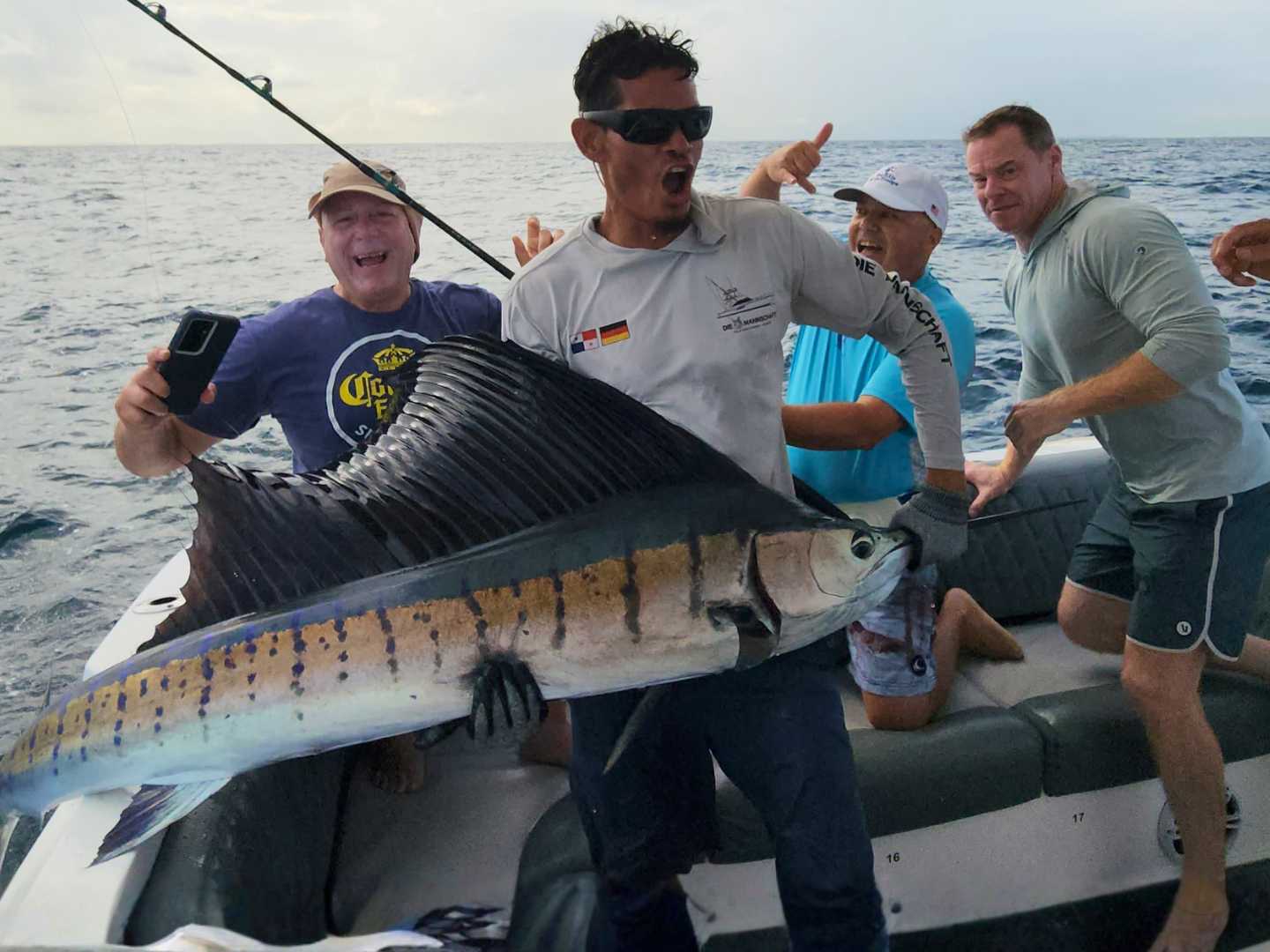
Fishing for Sailfish and Mahi Mahi

.jpg)
.jpg)
Pearl Islands Tour: Full Day (8 hours)
.jpeg)
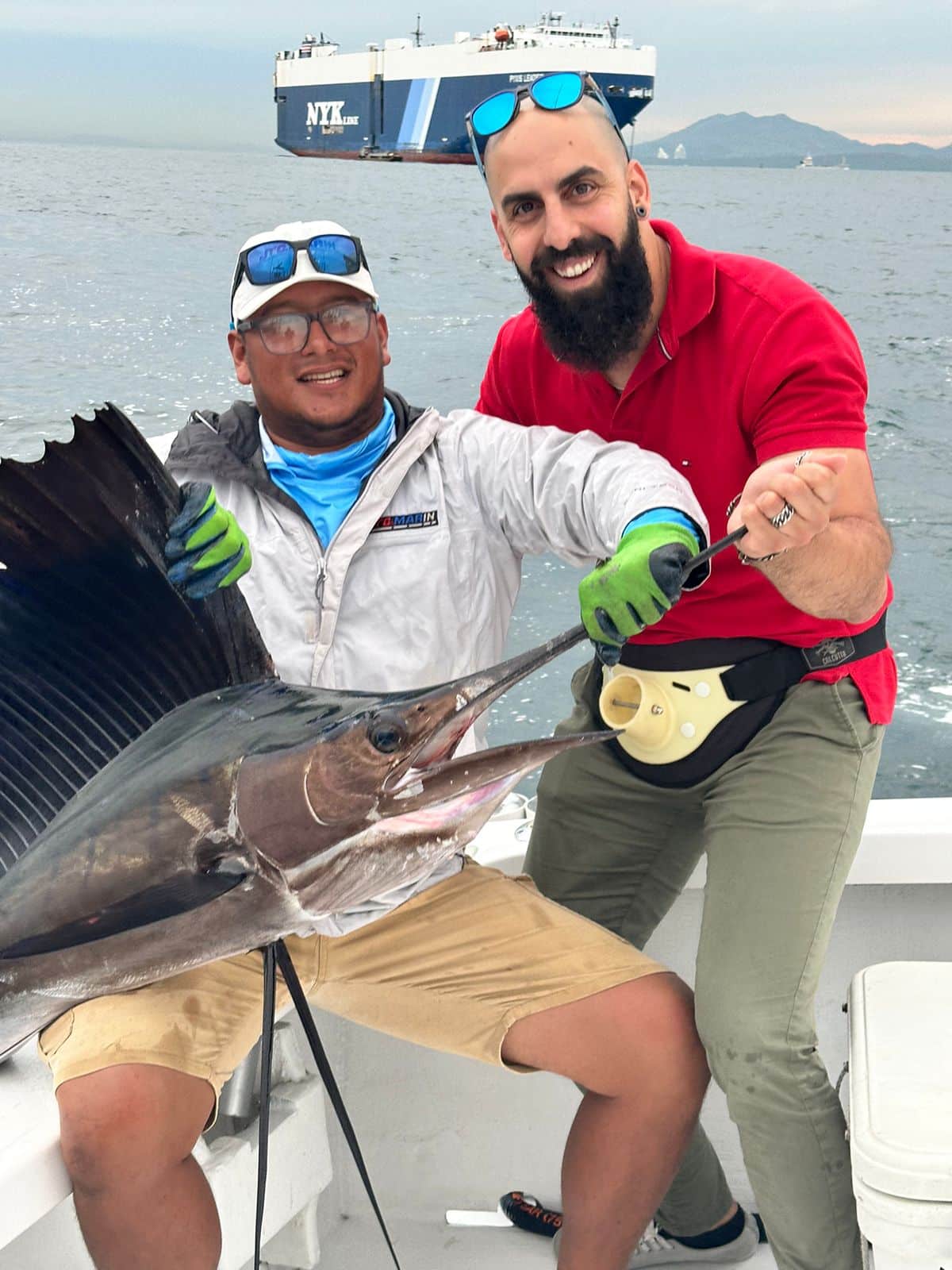
8 Hour Mahi-Mahi & Sailfish Trip
Here's what you actually need to know: what you can catch, when to go, what a real charter costs today, and the two different ways anglers actually reach Coiba, depending on which side of the gulf you're starting from.
Gulf of Chiriquí fishing offers roosterfish and cubera snapper inshore, plus black marlin, yellowfin tuna, and sailfish offshore near Hannibal Bank and Isla Montuosa. Coiba National Park next door adds its own grounds, with full-day charters running $210 to $1,500 out of Chiriquí.
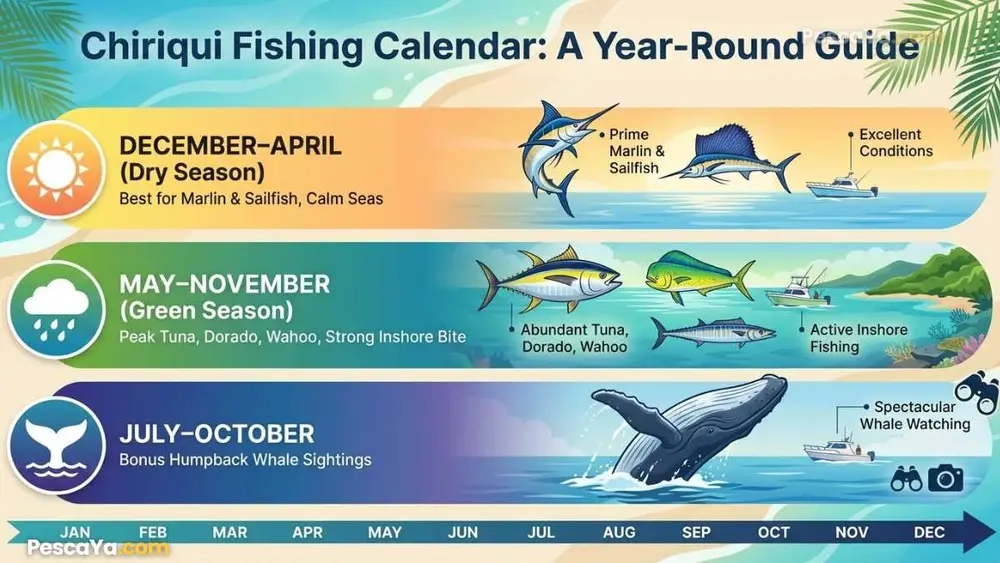
Trips out of Santa Catalina toward Coiba run $1,150 to $3,300, and the dry season (December–April) is the strongest window for marlin and sailfish, with the green season (May–November) taking over for tuna and dorado.
What Can You Catch in the Gulf of Chiriquí?
The gulf's mix of deep offshore structure and shallow, mangrove-lined islands means you can chase billfish in the morning and cast poppers at roosterfish in the afternoon, on the same trip.
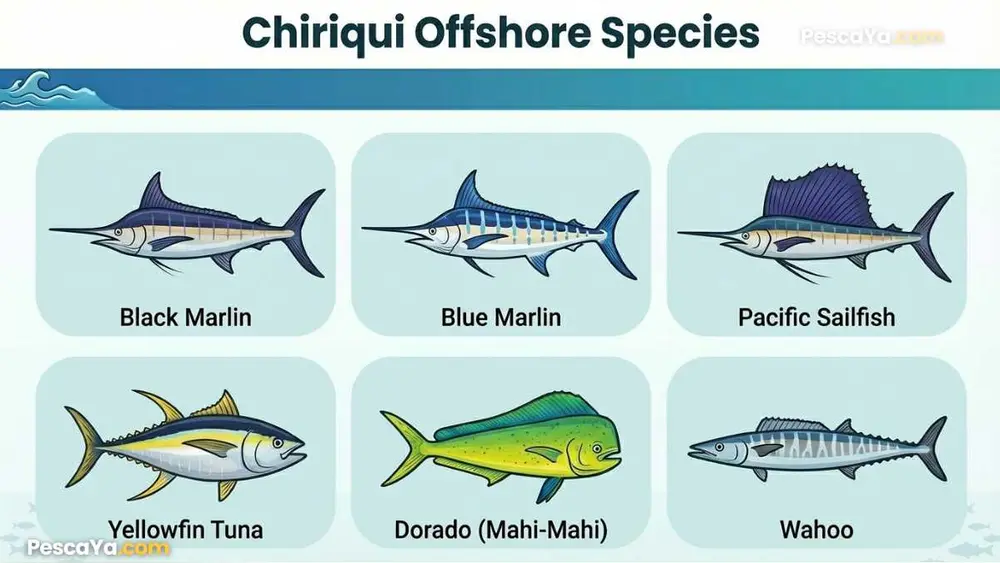
Black & Blue Marlin
Both blue marlin and black marlin show up on the offshore grounds around Isla Montuosa and Hannibal Bank, often alongside sailfish, where deep drop-offs concentrate bait close to structure. Black marlin tend to run bigger here than in most Pacific fisheries, and December through April is the reliable window for both.
Yellowfin Tuna
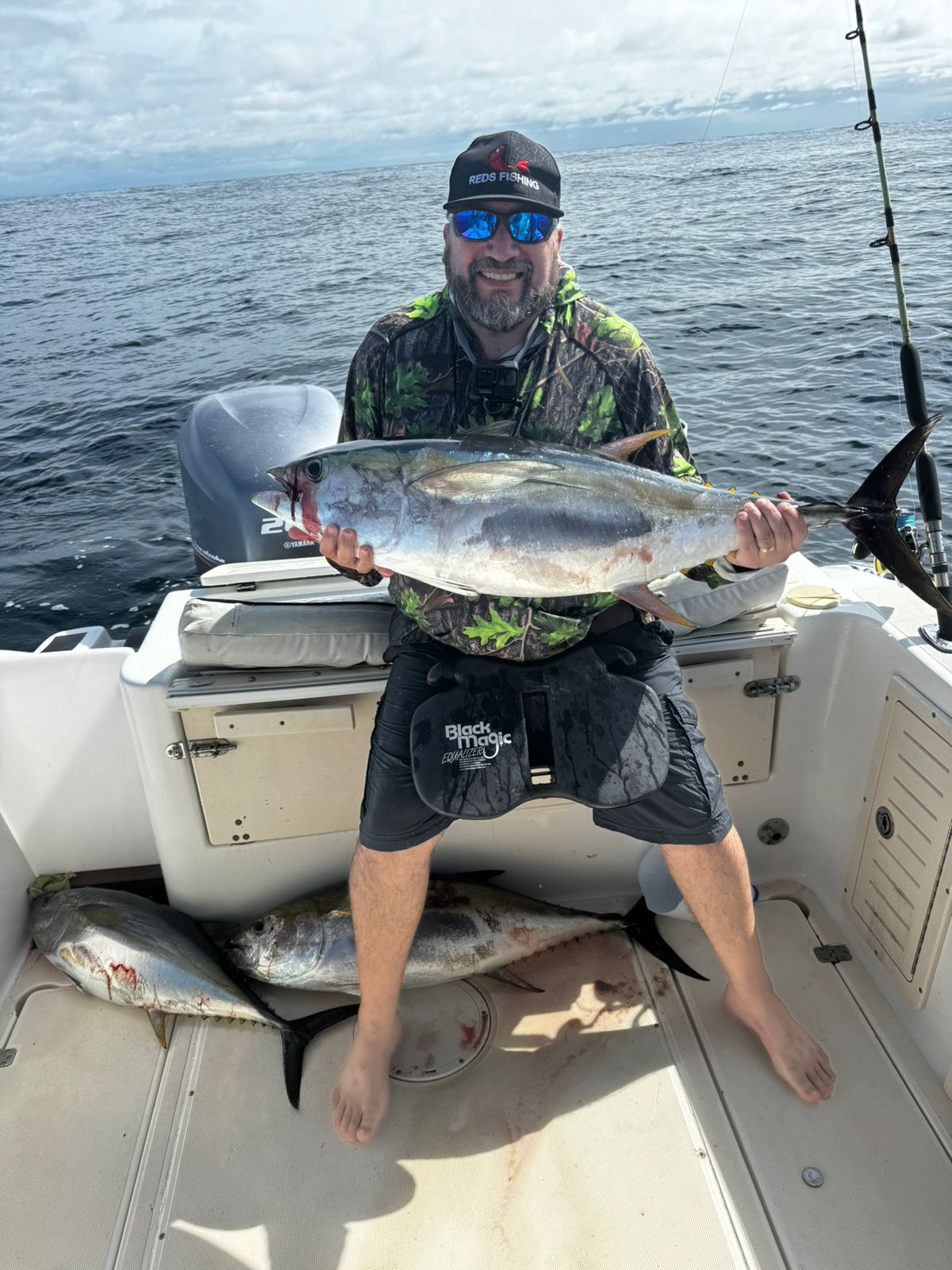
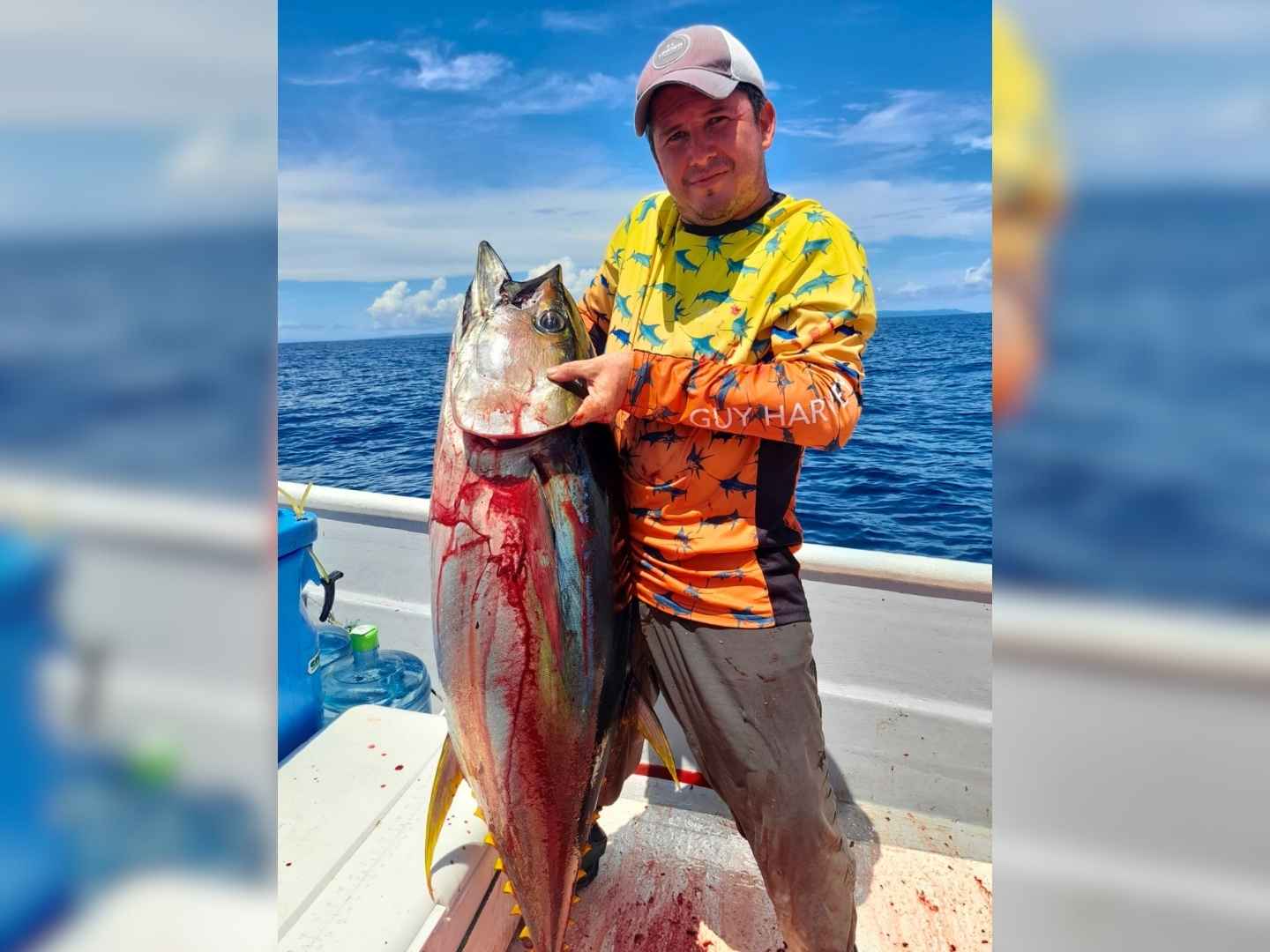
Green-season upwellings (May through November) push yellowfin tuna schools into range of trolled lures and live bait, often alongside dorado. Captains working Islas Secas and the offshore edge near Montuosa report the most consistent action once the rains start.
Roosterfish
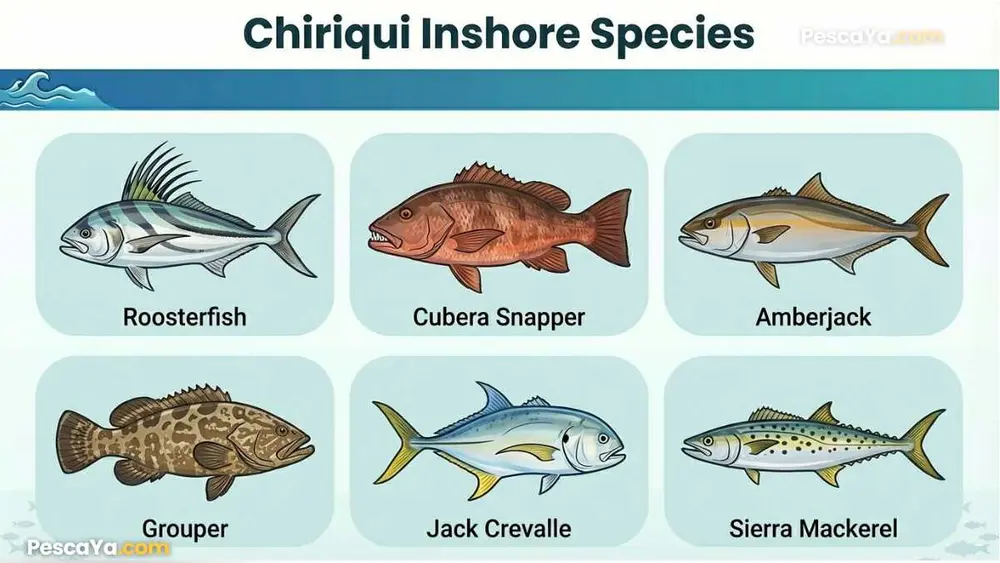
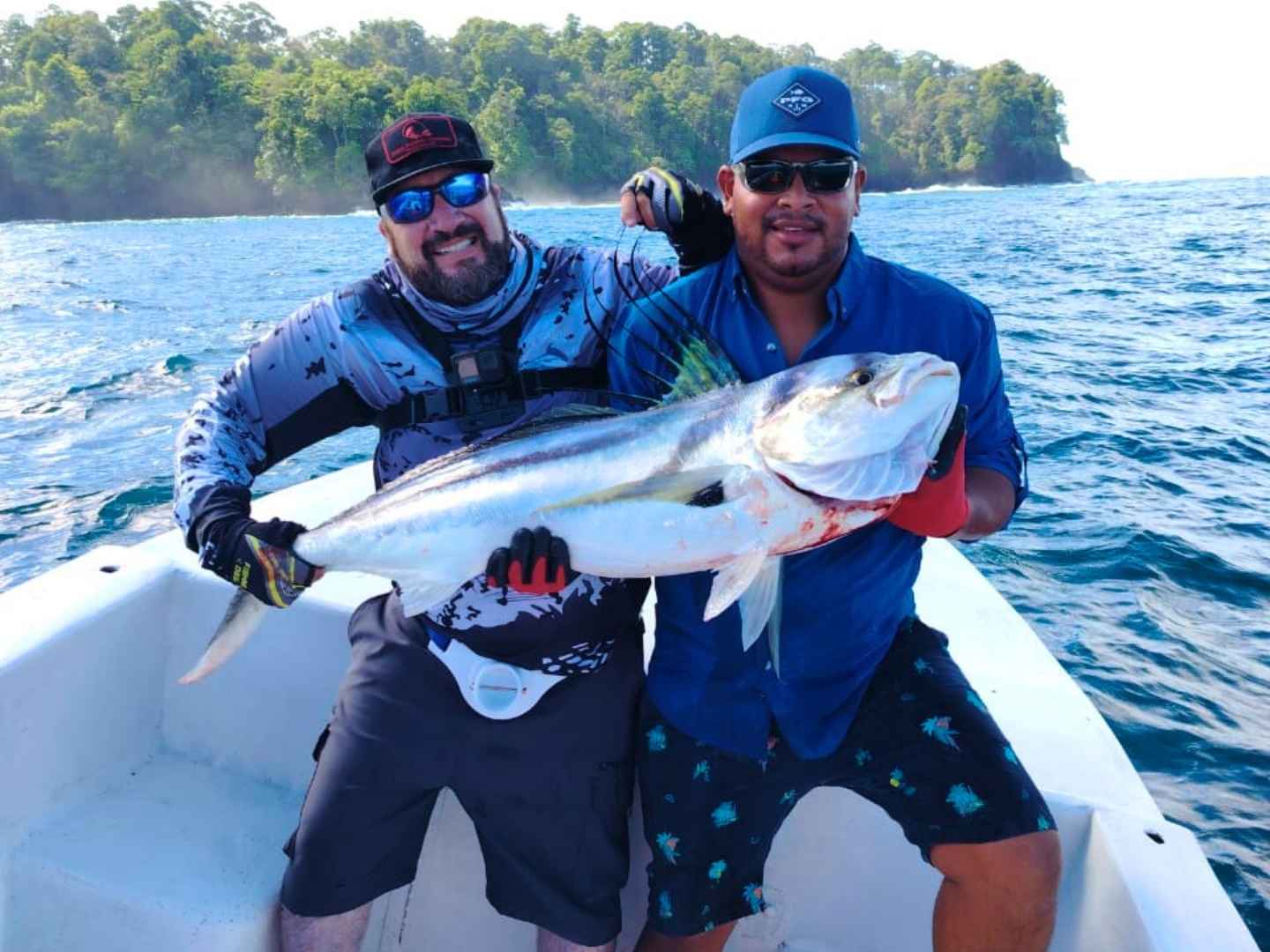
The gulf's signature inshore species. Roosterfish patrol the surf lines and rocky points around Isla Paridas and Islas Ladrones, and they're the reason topwater popping is worth packing for a Chiriquí trip. They fish well nearly year-round, with the strongest topwater bite during the green season when bait is thick along the beaches.
Cubera Snapper
Cubera snapper hold tight to structure, mangrove edges, rocky points, and reef drop-offs, and they hit hardest on live bait or heavy jigs. Islas Ladrones and the mangrove flats near Boca Brava are the two spots local captains mention most often for a real shot at a big one.
Dorado & Wahoo
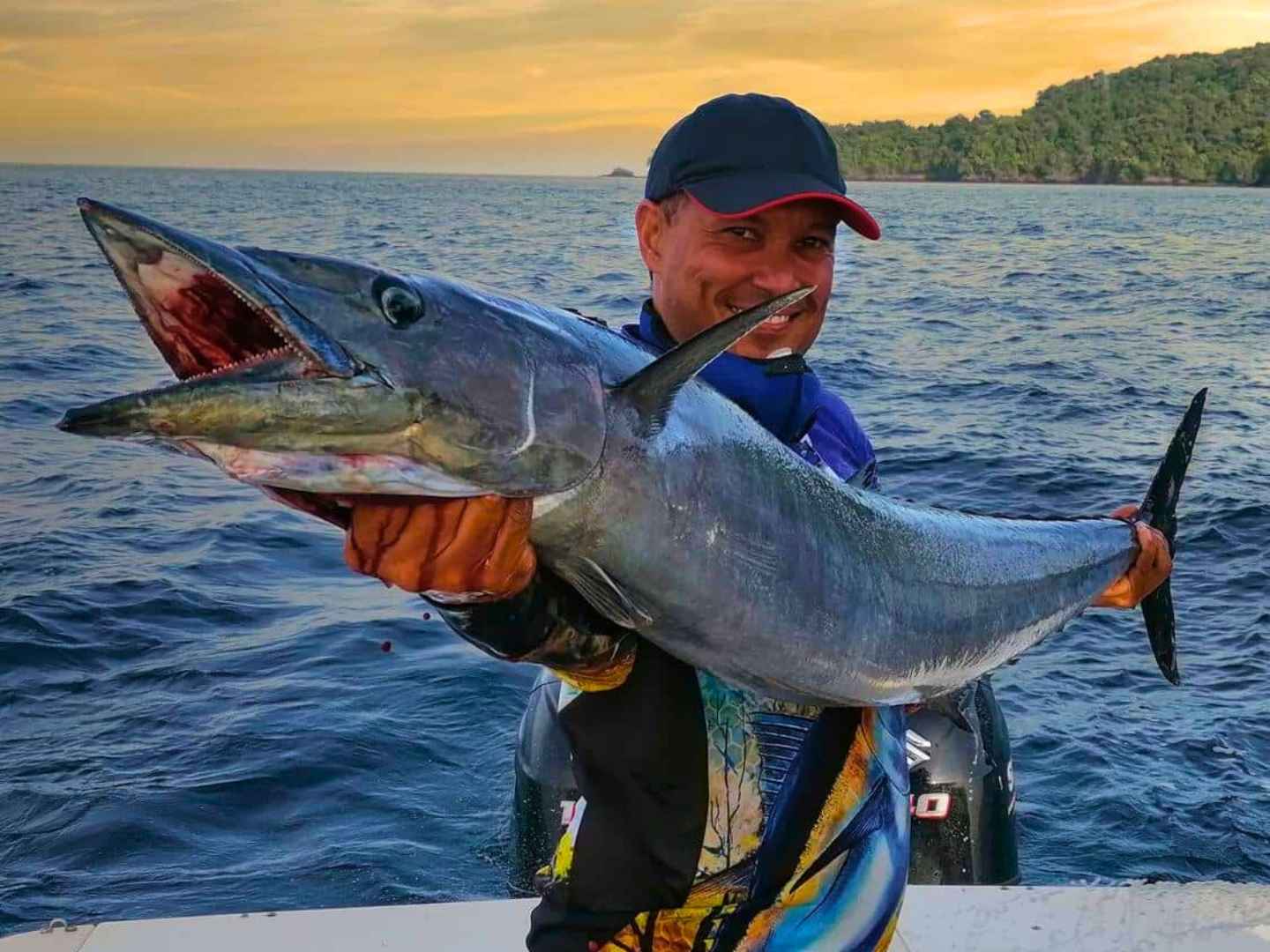
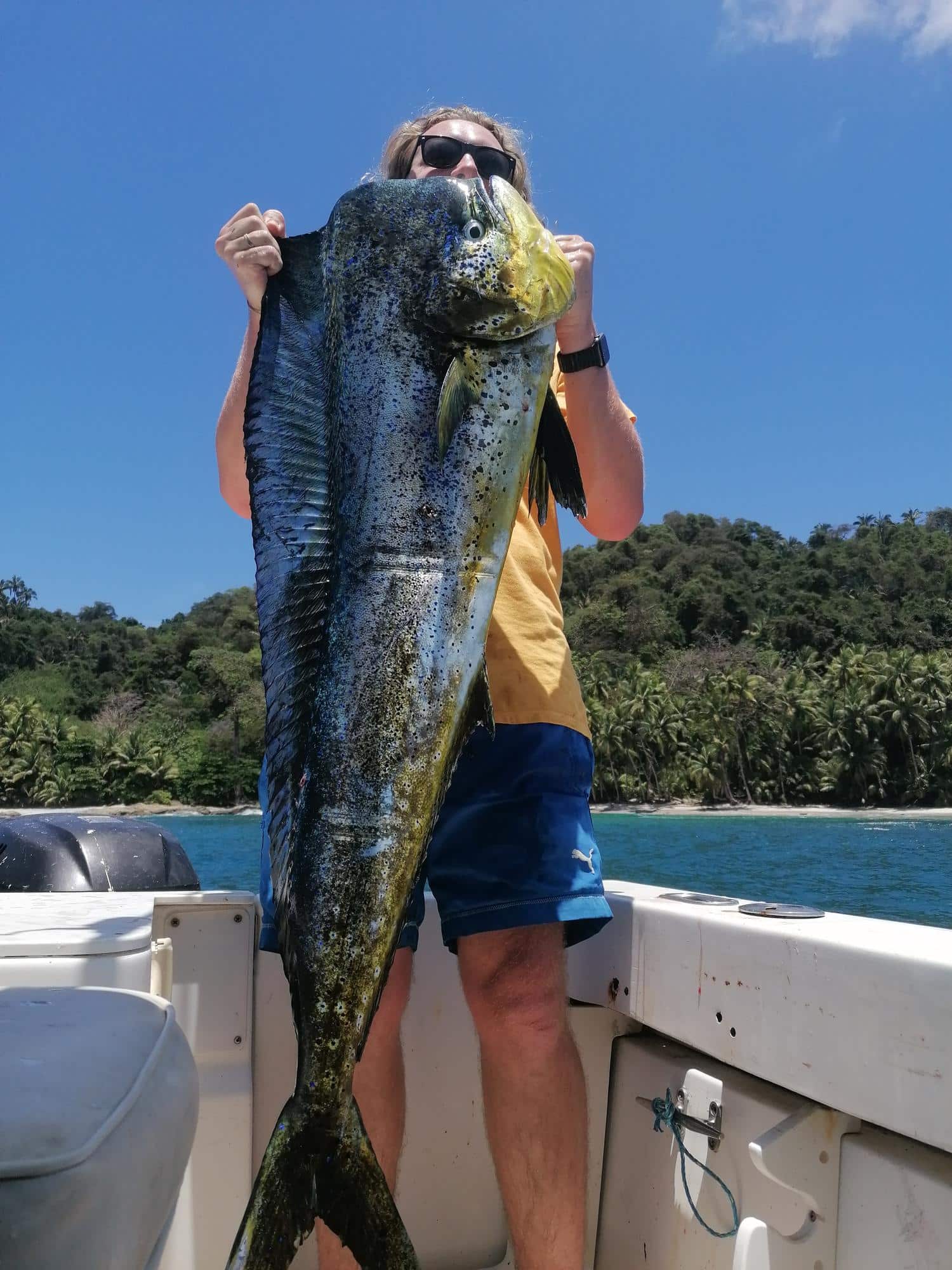
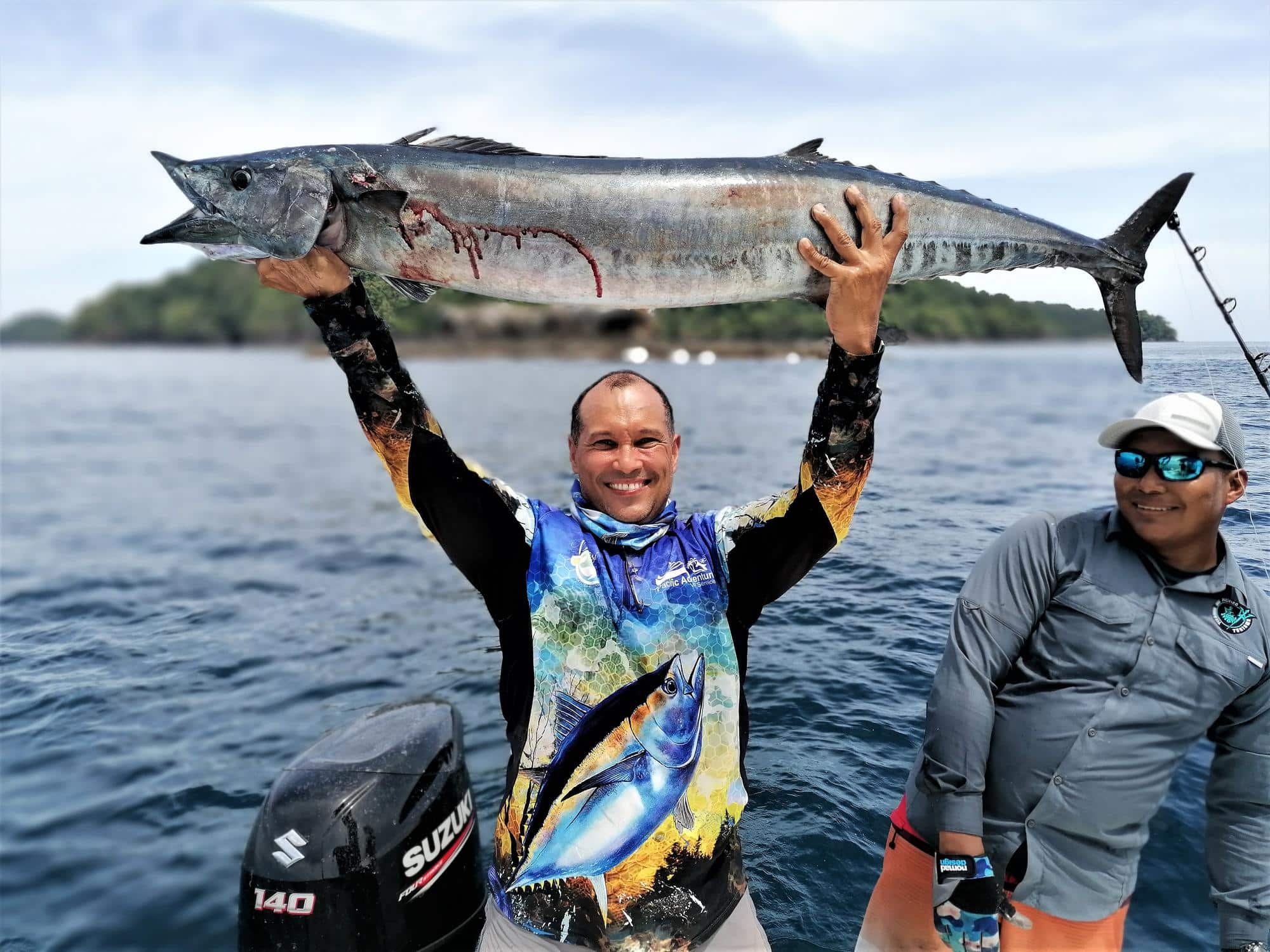
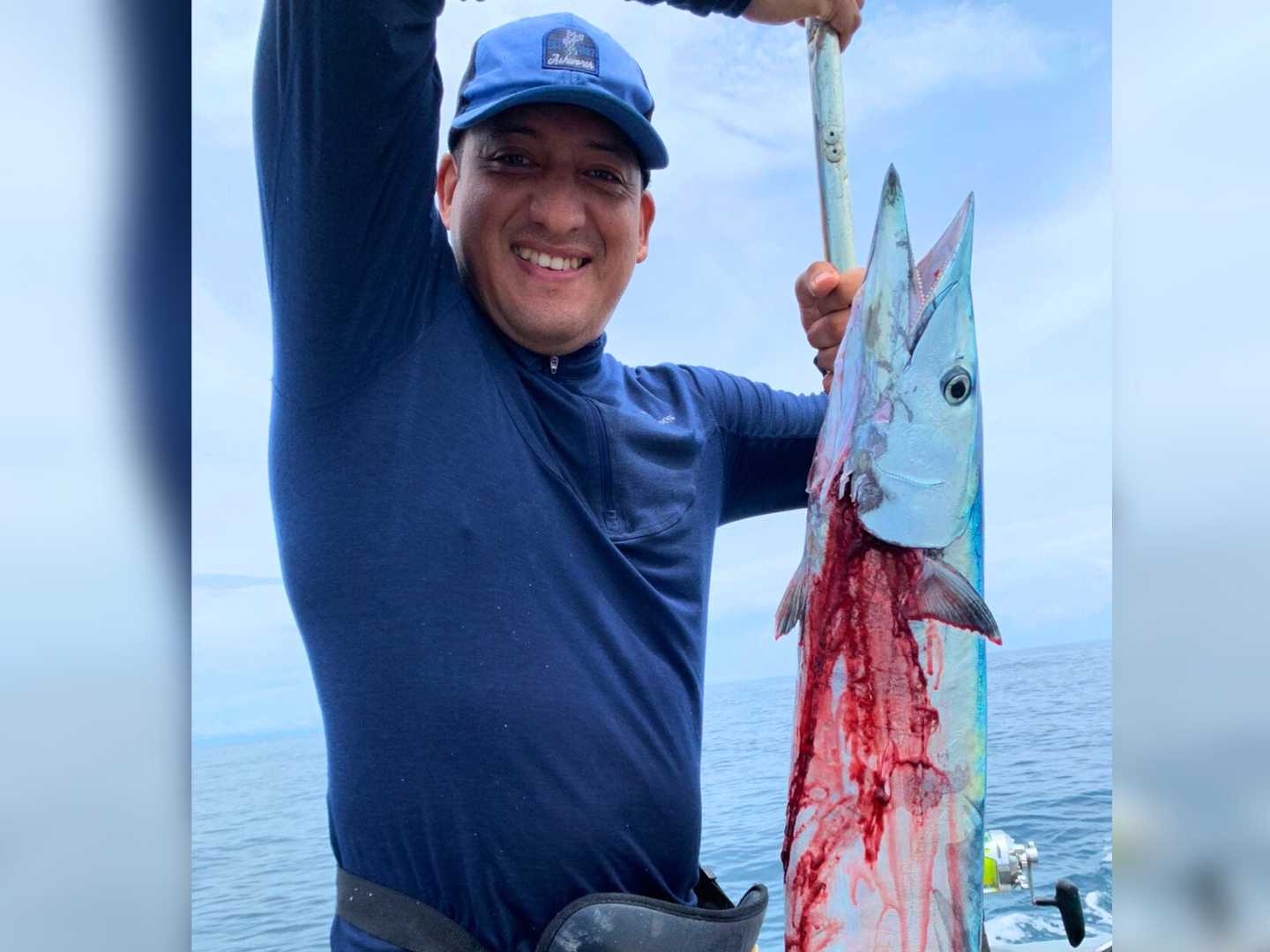
Dorado (mahi-mahi) and wahoo show up on the same trolling spreads as marlin and tuna, typically holding around floating structure and current lines offshore. Wahoo fishing picks up in the transition months between dry and green season, when bait movement shifts around the islands.
Season Table: Gulf of Chiriquí & Coiba
Nobody covering this destination publishes a real season table, even though "panama fishing calendar" is a search people already run when planning a Chiriquí trip. Here's the actual month-by-month breakdown:
| Months | Best offshore | Best inshore | Notes |
|---|---|---|---|
| December–February | Black & blue marlin, sailfish | Roosterfish, cubera | Dry season, calmest seas, peak marlin window |
| March–April | Marlin (tapering), sailfish | Roosterfish, jack crevalle | End of dry season, still strong offshore |
| May–July | Yellowfin tuna, dorado | Roosterfish, cubera | Green season begins, tuna schools push in |
| August–October | Yellowfin tuna, wahoo | Snapper, amberjack | Peak green season, humpback whales also present |
| November | Transition, mixed offshore | Roosterfish, cubera | Shoulder month between seasons, currents shifting |
Coiba's grounds follow the same broad pattern, since it sits in the same current system, though the sheltered inshore water inside the park stays productive for roosterfish and snapper even when the offshore bite slows.
The Main Fishing Grounds
Islas Paridas
A cluster of islands close to Boca Chica, Paridas is where most half-day and full-day inshore trips start. Mangrove edges and rocky points hold roosterfish, snapper, and jack crevalle, making it the easiest grounds to reach on a tight schedule.
Islas Secas
An archipelago northwest of Paridas that mixes inshore casting with a short run to deeper water for tuna and dorado. It's a good pick if your group wants variety in a single day rather than committing fully to offshore trolling.
Isla Montuosa
Isolated and further offshore than the other grounds, Montuosa sits over deep drop-offs close to shore, roughly midway between the Chiriquí coast and Coiba. That geography is exactly why it produces marlin, tuna, and cubera in the same spot: the drop keeps bait and predators stacked together year-round.
Hannibal Bank (Quick Pointer)
Hannibal Bank is the most famous name in Panama sportfishing, a seamount known for giant black marlin and consistent tuna schools, and it's reachable from both the Chiriquí side and from Santa Catalina. Rather than re-cover it here, see our full Hannibal Bank fishing guide for species-by-species tactics and how to book it from either departure point.
PANAMA PACIFIC OFFSHORE
Fishing Charters in Gulf of Chiriquí

Isla Paridas & Areas Nearby – Inshore Sportfishing
.jpeg)
.jpeg)
.jpeg)
.jpeg)
Secas Islands Fishing - Offshore
Coiba National Park Fishing
Every competitor page covering the Gulf of Chiriquí treats Coiba as a single line inside the grounds list. That's a real gap, because Coiba is genuinely its own destination, with its own access logistics and its own rules.
What You Can Catch Around Coiba
Inside the park's sheltered water, roosterfish, cubera snapper, and jack crevalle dominate the inshore bite, much like the Chiriquí grounds but with less fishing pressure since the park limits access. Near the park's outer boundary, offshore trolling turns up tuna, sailfish, and marlin on the same seamount system that feeds Hannibal Bank and Montuosa, and the nearby Cebaco grounds have produced yellowfin tuna good enough to leave anglers sore the next day in recent trip reports. A PescaYa guest who fished the Offshore–Coiba trip out of Santa Catalina in April 2026 reported getting into mahi-mahi and snapper, with plenty of wildlife sightings on the run out, a solid snapshot of what a typical day looks like.
How to Get to Coiba
There isn't one route into Coiba, there are two, and which one makes sense depends on where you're starting.
From the Chiriquí side, Coiba sits about 42 miles from lodges based on Isla Parida, and roughly an hour's boat ride from Islas Secas, a short offshore run once you're already fishing the gulf. From the Veraguas side, the classic approach is overland to Puerto Mutis, then down the Río San Pedro into the Golfo de Montijo and around Sombrero Rock to Cebaco Island, the route multi-day, mother-ship-based trips out of the Cebaco/Coiba grounds have long used. Santa Catalina, on that same Veraguas coast, is the main mainland departure point for day trips straight to Coiba and Cébaco without the multi-day commitment. No competitor guide names both routes, but which one you take genuinely changes your trip length and your departure point.
Fishing Coiba Responsibly
Coiba National Park earned UNESCO World Heritage status in 2005, and it protects Coiba Island along with 38 smaller islands. Much of that ecosystem stayed undeveloped for decades for an unusual reason: Coiba Island housed a Panamanian penal colony until it closed in 2004, which kept development away from what's now one of the best-protected reef systems in the Eastern Pacific.
The park also includes marked no-take zones where fishing isn't permitted at all. As longtime Chiriquí anglers have pointed out, not every operator marketing "Coiba fishing" is equally careful about staying inside those legal boundaries or handling billfish the way the park expects, so it's worth asking your operator directly whether they fish only within the permitted zones and how they handle catch-and-release.
Charter guests in Panama don't need their own fishing license: the boat's license and the captain's card cover everyone on board, and that stays true when Panama's new sport-fishing decrees (Executive Decrees 9 and 10 of 2026) take effect on 10 December 2026. From that date, anyone fishing independently, from their own boat or from shore, needs a personal ARAP sport-fishing card. Billfish must always be released (one swordfish or one tarpon per boat per day may be kept for personal use), and selling any catch is illegal.
Coiba and Panama's other marine protected areas also charge visitors an entry fee, about $20 for foreign visitors under MiAmbiente's current tariff, so ask your operator whether that fee is already built into your trip price.
How to Get There
Most Gulf of Chiriquí trips start from Boca Chica, and the fastest way in is by air. David's Enrique Malek International Airport (DAV) runs regular domestic flights from Panama City, cutting a full day of driving down to under an hour in the air, and from the airport it's roughly a 45-minute drive to Boca Chica, where captains depart for the Paridas, Secas, Ladrones, and Montuosa grounds. Some operators depart from Pedregal, closer to David itself, which can shave a few minutes off the transfer if your captain runs from there instead.
If Coiba by way of Santa Catalina is the plan instead, that side of the gulf is reached by road from Panama City or David toward Santa Catalina, on the Veraguas coast, roughly a four-to-five-hour drive from Panama City. That's a long enough haul that many anglers split it into an overnight in David or along the Interamericana rather than driving straight through. Confirm your exact transfer time and pickup point with your captain when you book, since it depends on which town you're starting from.
Gulf of Chiriquí & Coiba Charter Prices
Most Chiriquí and Coiba pricing pages online either don't publish numbers or point you to a third-party listings site. PescaYa's own captains do, and here's exactly what a trip costs today, verified directly against the live listings.
Out of Chiriquí, prices scale by grounds and boat, from mangrove and estuary trips up through full offshore days:
| Trip | Grounds | Price | Capacity |
|---|---|---|---|
| Estuary / Mangrove Fishing | Inshore, close to Boca Chica | $210–$440 | up to 4–6 |
| Isla Paridas | Inshore | $405–$415 | up to 4–6 |
| Bajo Banderas | Inshore | $530 | up to 4 |
| Isla Ladrones | Inshore/offshore | $640–$650 | up to 4–6 |
| Islas Secas | Offshore | $700–$750 | up to 4–6 |
| Offshore Sailfish & Marlin | Offshore | $850 | up to 6 |
| Isla Montuosa | Offshore | $980 | up to 4 |
| Hannibal Bank | Big-game offshore | $1,500 | up to 4 |
Out of Santa Catalina, the pricing reflects longer runs to Cebaco, Coiba, Mariato, and Hannibal Bank:
| Trip | Grounds | Price | Capacity |
|---|---|---|---|
| Inshore – Cebaco | Inshore | $1,150 | up to 4 |
| Offshore – Coiba | Offshore | $1,350 | up to 4 |
| Offshore – Mariato | Offshore | $1,350 | up to 4 |
| 2-Day Trip in Hannibal Bank | Big-game offshore | $3,300 | up to 4 |
These are live, current prices, pulled directly from PescaYa's bookable listings and verified on the day this guide was updated. Third-party charter marketplaces list comparable Chiriquí day-trip prices in a similar range, so you're not paying a premium by booking direct. If you're weighing a multi-day lodge stay instead of day trips, our Panama fishing lodges guide compares real 2026 lodge pricing rather than duplicating it here.
Fishing Techniques That Work Best
- Trolling: marlin, sailfish, wahoo, dorado, worked along current lines and drop-offs
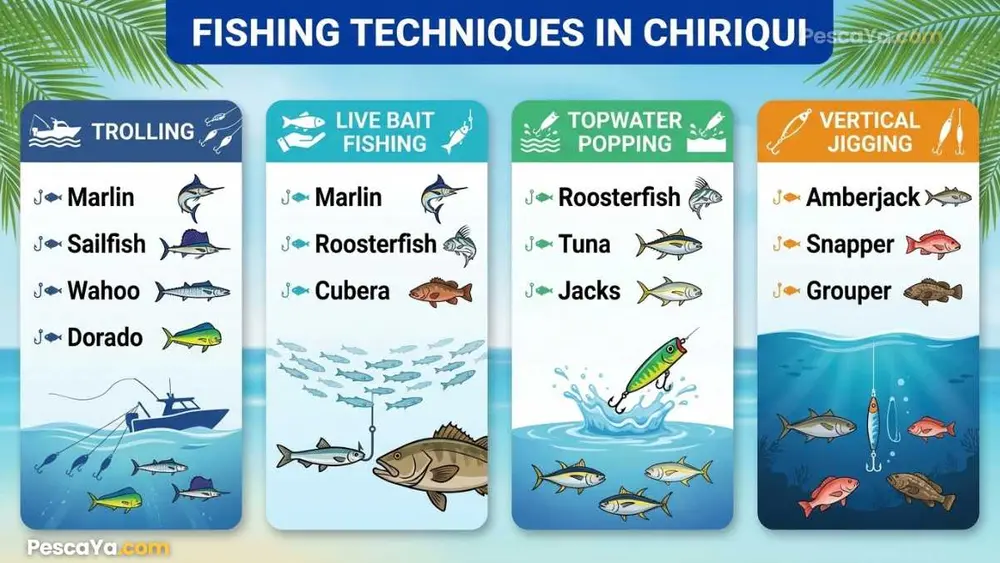
- Live bait fishing: marlin, roosterfish, cubera, especially around structure and points
- Topwater popping: roosterfish, tuna, jacks, best when bait is stacked along the surf line
- Vertical jigging: amberjack, snapper, grouper, over deeper structure like Montuosa's drop-offs
- Bait-and-switch fly fishing: roosterfish, tuna, and billfish; see our fly fishing in Panama guide for how the teaser game actually works
Local captains adjust the mix daily based on tide, current, and where the bait is holding, so don't be surprised if the plan changes once you're on the water.
Frequently Asked Questions
What's the best time of year to fish the Gulf of Chiriquí?
December through April, the dry season, is the strongest window for marlin and sailfish, with calm seas making the offshore runs easier. May through November, the green season, brings the best yellowfin tuna and dorado action along with a strong inshore bite.
Can you fish inside Coiba National Park?
Yes, but the park has marked no-take zones where fishing isn't permitted, and not every operator is equally careful about staying inside the legal boundaries. Ask your operator directly whether they fish only within the permitted areas and how they handle billfish and catch-and-release.
How do you get to Coiba for fishing?
There are two real routes: a short offshore run from the Chiriquí side (about 42 miles from Isla Parida, roughly an hour from Islas Secas), or a trip via Santa Catalina on the Veraguas coast, the main mainland departure point for day trips to Coiba and Cébaco.
How much does a Gulf of Chiriquí fishing charter cost?
Full-day trips out of Chiriquí run from $210 for an inshore estuary trip up to $1,500 for a Hannibal Bank big-game charter. Trips out of Santa Catalina toward Coiba and Cebaco run $1,150 to $3,300, depending on grounds and trip length.
Do I need a fishing license to fish the Gulf of Chiriquí?
If you fish on a charter, no: the boat's license and the captain's card cover you. From 10 December 2026, anyone fishing independently or from shore needs a personal ARAP sport-fishing card. Billfish must always be released.
Last Cast
The Gulf of Chiriquí earns its reputation the honest way: real seamounts, real bait, and grounds close enough together that you can fish offshore for marlin and cast for roosterfish on the same day. Coiba adds an entire second destination next door, one most guides barely mention, with its own access routes and its own rules worth respecting.
Ready to book a real trip with a real price attached? Browse Chiriquí fishing charters and find the grounds that match what you want to catch.
Keep reading: Panama Snook Fishing, Tarpon Fishing in Panama, Peacock Bass Fishing in Panama