


Sport Fishing in Panama: Best Time, Spots & Species

Panama holds a distinction no other country can match: Piñas Bay, on its Pacific coast, has produced more IGFA world records than any other single location on Earth — over 300 of them. Count the whole country and that number climbs past 450. These aren’t just stats to impress at the dock. They’re proof that Panama’s waters — fed by two oceans, two distinct current systems, and some of the richest upwellings in the Western Hemisphere — produce fish of extraordinary size and concentration.
The challenge isn’t whether you’ll find world-class fishing here. It’s knowing when to go, where to focus, and what to target. Fish the right spot in the wrong month and you might miss the species you came for entirely.
This guide breaks it all down — month-by-month seasonality, Panama’s top fishing destinations across both coasts, a species overview, and everything you need to book with confidence. Let’s dive in.
Why Panama Stands Apart for Sport Fishing
Two Oceans. One Country.
Panama is the only country in Central America where you can fish the Pacific and the Caribbean on the same trip. That’s not just a travel-brochure line — it’s a meaningful fishing advantage.
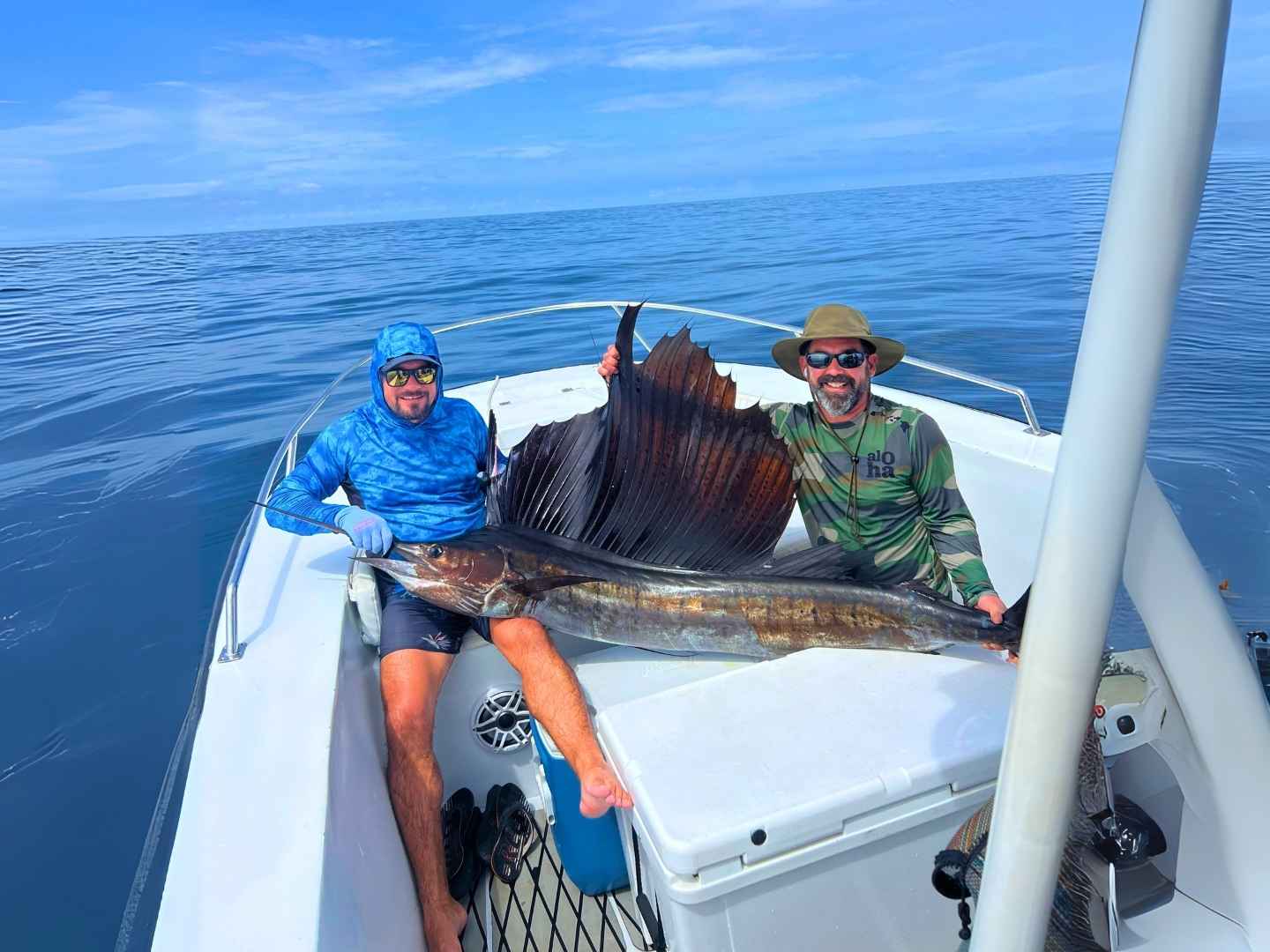
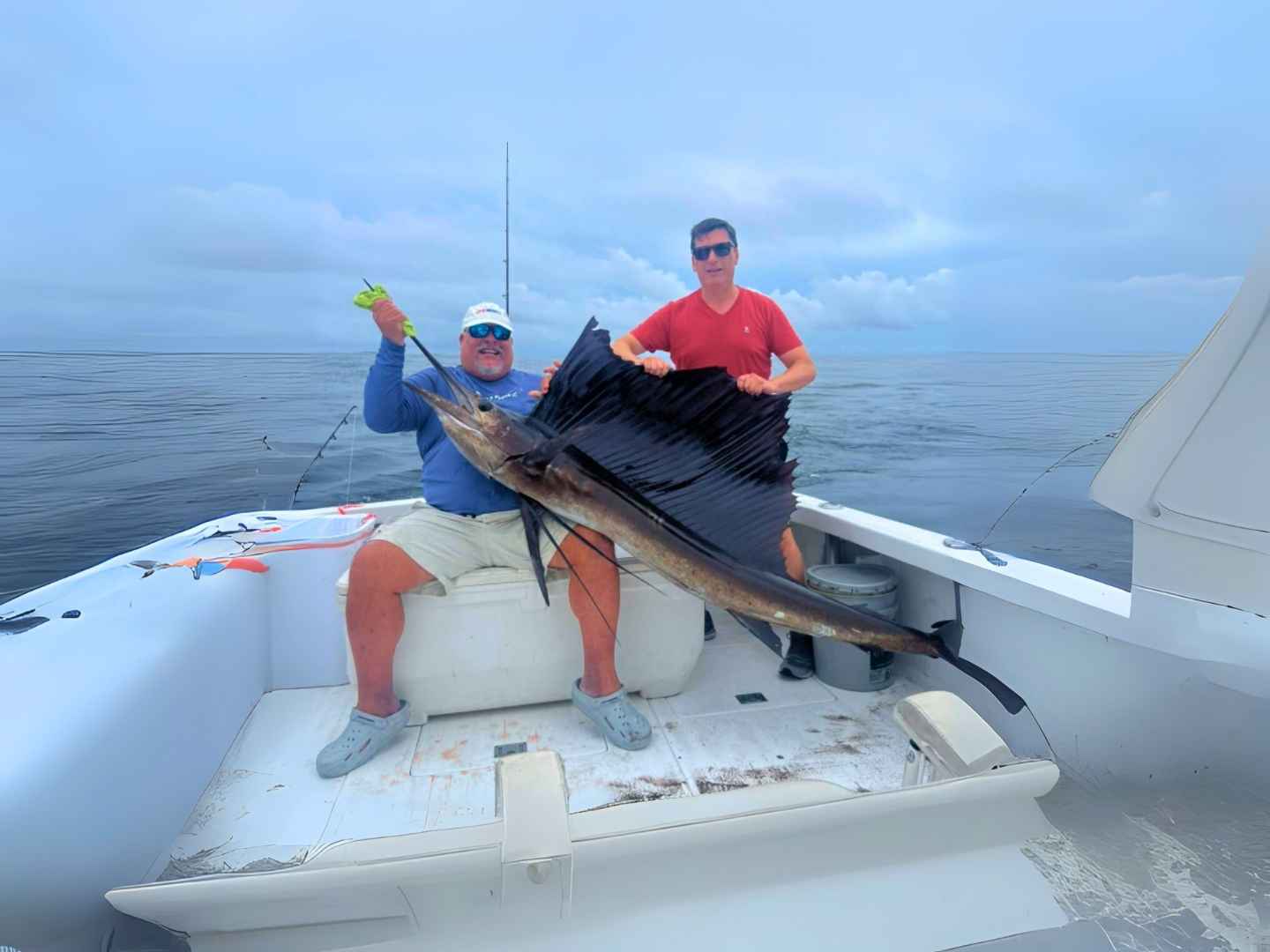
The Pacific side, fed by the Humboldt Current, produces massive concentrations of marlin, yellowfin tuna, and sailfish. It’s where the big-game records are set. The Caribbean side is far less explored, which means less pressure and a completely different species profile: tarpon, bonefish, and snook in remote flats and jungle river systems.
Tropic Star Lodge at Piñas Bay holds more IGFA world records than any other fishing resort on the planet. If you’re a serious angler, that context matters.
No Fishing License Required for Tourists
Most visitors are genuinely surprised by this: recreational fishing in Panama requires no license for tourists. You can board a charter, head offshore, and fish legally without any paperwork.
That said, responsible catch-and-release is strongly promoted — especially for billfish. Size limits and catch quotas apply for some species, so always check with your charter captain before you keep anything. They’ll know the current regulations and will help you fish within them.
Best Time to Fish in Panama: Month by Month
| Month | Season | Top Species |
|---|---|---|
| January | Dry | Yellowfin tuna, marlin, sailfish |
| February | Dry | Black & blue marlin, dorado, roosterfish |
| March | Dry | Peak marlin + tuna; roosterfish, cubera snapper |
| April | Transition | Cubera snapper, sailfish, dorado |
| May | Wet starts | Sailfish, dorado, wahoo |
| June – July | Wet | Yellowfin tuna, dorado (trash line season) |
| August – September | Wet | Hannibal Bank peak — tuna stacking, black marlin |
| October | Wet | Slowest offshore; Caribbean tarpon and bonefish |
| November | Wet → Dry | Mixed offshore; Caribbean snook and tarpon |
| December | Dry | All-round: marlin, tuna, dorado, roosterfish |
 20 ft
20 ft Up To 4 People
 27 ft
27 ft Up To 4 People
Dry Season (December–April) — The Classic Big-Game Window
The dry season delivers consistent trade winds, clear skies, and the most reliable offshore conditions. January through March is when the charter calendar fills up fastest — if you have a specific target species, this is your window.
March is the month most experienced guides point to for sheer variety. Black and blue marlin are abundant offshore, yellowfin tuna are active, and the inshore bite for roosterfish and cubera snapper hits its stride. Anglers chasing the ‘Pacific Grand Slam’ — marlin, sailfish, roosterfish, and tuna in a single day — give themselves the best odds right here.
Wet Season (May–November) — Tuna Season and the Dorado Run
The rainy season gets an unfair reputation. For tuna anglers, it’s often better than the dry season. Freshwater runoff creates floating debris lines — locally called trash lines — that attract dorado and yellowfin tuna from May through August.
August and September stand out at Hannibal Bank, where the Humboldt Current delivers a surge of cold, nutrient-rich water that concentrates enormous yellowfin tuna. Trolling and popper fishing here during this window can produce day-after-day action on fish pushing 150–200 lbs.
October is the quietest month offshore, but the Caribbean side comes alive — Bocas del Toro and Guna Yala see excellent tarpon and bonefish action during this same period.
Top Sport Fishing Destinations in Panama
Piñas Bay & Tropic Star Lodge — The World Record Capital
Deep in the Darién province, Piñas Bay is as remote as it gets in Panama — and the fishing reflects it. With 300+ IGFA world records to its name, this bay has produced more record catches than any other location on Earth. Tropic Star Lodge has been the base camp for serious big-game anglers for decades, hosting world-record black marlin, blue marlin, Pacific sailfish, and yellowfin tuna.
If you’re planning a serious big-game trip, Piñas Bay belongs at the top of your list.
Hannibal Bank — Where Tuna Stack
About 45 miles offshore from the Gulf of Chiriquí, Hannibal Bank is an underwater seamount where the Humboldt Current forces cold water upward, fueling a food chain that draws massive concentrations of yellowfin tuna. Fish here regularly push past 200 lbs, and August through September is the peak window.
Black marlin and wahoo are frequent companions on the same grounds. For a detailed breakdown of what to expect, check our deep-sea fishing in Panama guide. The adjacent Gulf of Chiriquí also holds Coiba National Park — a UNESCO World Heritage Site and one of the most biodiverse marine ecosystems in the Eastern Pacific.
Pearl Islands — The Best Day Trip from Panama City
If you’re based in Panama City and want serious fishing without a multi-day expedition, the Pearl Islands deliver. Located roughly 1.5–2 hours offshore, this archipelago offers dorado, Spanish mackerel, roosterfish, and snapper — all within reach of a half-day or full-day charter.
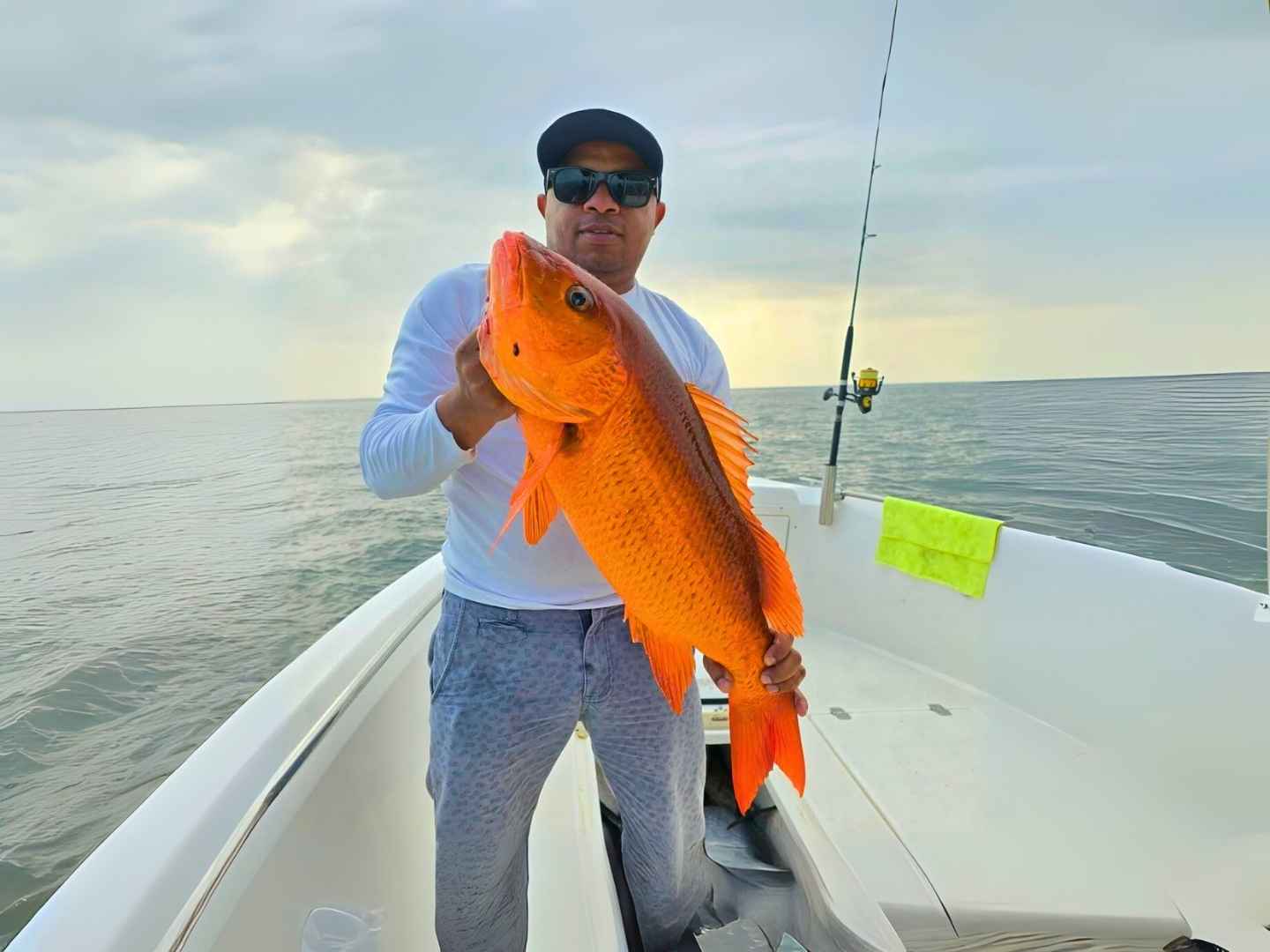
The inshore structure around the islands holds cubera snapper year-round. Our cubera snapper species guide covers the tactics that work best around rocky points and underwater ledges.
Pedasí & the Tuna Coast
The Azuero Peninsula earned its nickname — the ‘Tuna Coast’ — honestly. Deep water runs close to shore here, which means you can be on productive offshore grounds within 20–30 minutes of leaving the dock. Yellowfin tuna are available year-round, and wahoo, dorado, and inshore roosterfish fill in the calendar around them.
Pedasí is the main hub, with a growing number of quality charter operations. Browse available Pedasí fishing tours for current options.
Gatun Lake & Bayano River — Fly Fishing in the Jungle
Not every great fishery in Panama requires saltwater. Gatun Lake — created during Panama Canal construction — is one of the most productive freshwater fisheries in the Americas, and it sits just 45 minutes from Panama City.
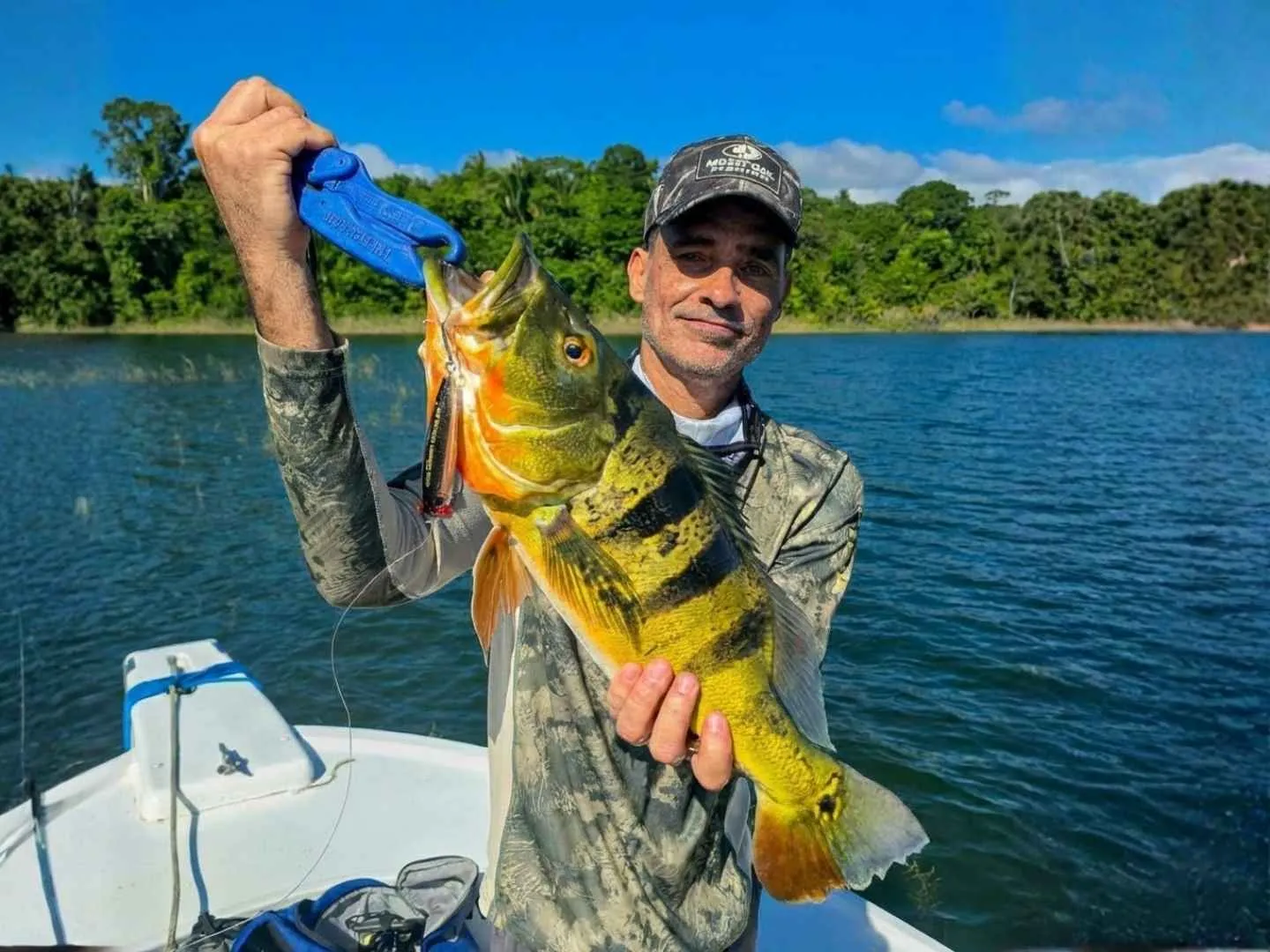
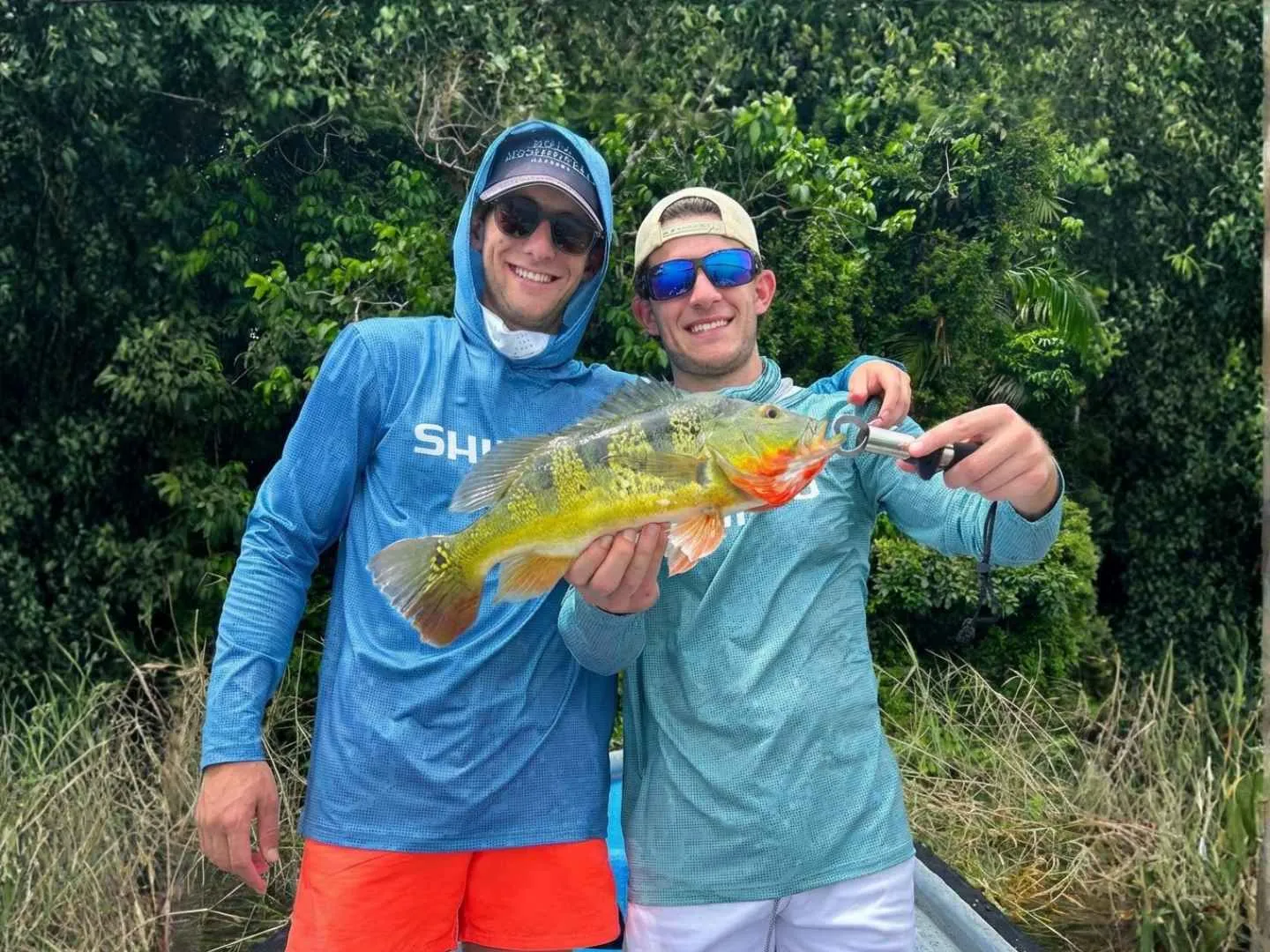
It’s a prime fly fishing destination for two very different quarries. Peacock bass are aggressive, visual predators that hammer topwater poppers in open water and structure edges — the kind of fish that turn casual anglers into lifelong fans. Then there are tarpon. Gatun Lake hosts significant tarpon populations that use the lake and connected waterways as nursery habitat. Hooking a 30–50 lb tarpon on a fly rod in the middle of a tropical jungle is a genuinely singular experience.
The Bayano River, east of Panama City, is another outstanding tarpon destination — especially for fly fishing enthusiasts who want a true jungle river setting. Expect fish in the 20–60 lb range in water you may have almost entirely to yourself. For full details on both locations, see our complete Gatun Lake fishing guide and our guide to fishing in the Panama Canal.
Bocas del Toro — The Caribbean Wild Card
The Caribbean coast is Panama’s most underrated fishing destination. Bocas del Toro and the Guna Yala archipelago offer tarpon, bonefish, permit, and snook in relatively untouched flats and lagoons — ideal for fly fishing or light tackle.
Fishing pressure here is a fraction of the Pacific, the setting is spectacular, and October through November is prime time as offshore conditions on the Pacific side slow down. If you’re combining a fishing trip with beach time, Bocas del Toro makes a strong case.
Target Species at a Glance
| Species | Best Season | Top Location | IGFA / Info |
|---|---|---|---|
| Black Marlin | Jan–Mar | Piñas Bay, Hannibal Bank | World records at Piñas Bay |
| Blue Marlin | Dec–Mar | Piñas Bay | 300+ records at Piñas Bay |
| Yellowfin Tuna | Jun–Sep | Hannibal Bank, Pedasí | Fish 150–200 lbs+ |
| Pacific Sailfish | Dec–May | Gulf of Chiriquí, Piñas Bay | Peak Dec–Apr |
| Dorado (Mahi-Mahi) | May–Aug | Pearl Islands, offshore debris lines | Trash lines Jun–Jul |
| Roosterfish | Dec–Apr | Pearl Islands, Pedasí inshore | Dry season peak |
| Cubera Snapper | Year-round | Pearl Islands, Coiba, Hannibal Bank | Rocky ledges & points |
| Peacock Bass | Year-round | Gatun Lake | Topwater poppers |
| Tarpon | Year-round (peak Oct–Nov) | Gatun Lake, Bayano River, Bocas del Toro | Fly fishing on flats |
How to Plan Your Panama Sport Fishing Trip
How Much Does a Fishing Charter Cost in Panama?
Pricing varies widely depending on destination, boat size, and trip format:
- Half-day inshore trip (Pearl Islands or Panama City area): $150–$400
- Full-day offshore trip: $500–$1,200
- Multi-day lodge-based package (Tropic Star, Pedasí): $1,400–$2,500+ per person per day
- Gatun Lake or Bayano River fly fishing day: $150–$350, including guide
For a full breakdown of charter types and how to compare operators, our Panama fishing charters guide is the best place to start.
Pacific vs. Caribbean — Which Coast Should You Choose?
Choose the Pacific if you want big-game offshore fishing (marlin, tuna, sailfish), you’re targeting species records, or you want the widest variety of fish in a single trip.
Choose the Caribbean if you’re a fly angler targeting tarpon, bonefish, or permit, you prefer less-pressured water and a more remote setting, or you’re combining fishing with a beach holiday in Bocas del Toro.
The good news: Panama is small enough that a split itinerary — a few days Pacific, a few days Caribbean — is entirely practical.
What to Pack
Light, breathable clothing is essential — Panama is tropical year-round. Polarized sunglasses are critical for spotting fish inshore. Don’t underestimate the equatorial sun, even on overcast wet-season days.
If you’re prone to motion sickness, bring medication — offshore swells can be significant in January and February when the trade winds are strongest. No fishing license needed, but don’t forget your passport.
Frequently Asked Questions
No. Recreational fishing in Panama requires no license for tourists. Your charter operator handles all required permits. Catch-and-release is encouraged for billfish.
Most experienced guides point to March: peak marlin and tuna action offshore, combined with excellent inshore fishing for roosterfish and cubera snapper. December runs a close second for variety.
Yes. The Pearl Islands are the most popular option, accessible in about 1.5–2 hours by boat. Gatun Lake (45 minutes by car from the city center) is a great day-trip for peacock bass and tarpon — no overnight stay required.
Not required across the board, but strongly promoted for billfish. For table fish like tuna, dorado, and snapper, keeping a reasonable catch is standard practice. Your captain will advise on current regulations.
For the dry season peak (January–March), book at least 3–4 months ahead. Premium lodges like Tropic Star are often booked 6–12 months out. Wet-season trips have more flexibility, but early booking still gets you better boats and guides.
Final Thoughts
Whether you’re planning your first offshore trip or a dedicated big-game expedition, Panama delivers. Browse our Panama fishing tours to find the right charter for your experience level, target species, and budget — and start planning the trip you’ll be talking about for years.
Panama’s real strength as a sport fishing destination isn’t just the numbers — it’s the range. In one trip you can chase marlin on Pacific blue water, work inshore flats for roosterfish in the afternoon, and spend the next day on Gatun Lake hooking tarpon on a fly rod in the middle of the jungle. Very few places on the planet offer that kind of variety.
 26 ft
26 ft Up To 6 People
 26 ft
26 ft Up To 6 People
 31 ft
31 ft Up To 6 People
Featured Posts
Quiere seguir leyendo?

Bluefin Trevally Fishing in Panama: Spots & Tactics
If you’ve ever seen a bluefin trevally pin a school of baitfish against the surface, you won’t forget it....
Read More
->
Fishing in Bocas del Toro: Complete Guide 2026
Fishing in Bocas del Toro:Complete Fishing Guide Picture this: you’re drifting through a mangrove-lined channel...
Read More
->
Machaca Fishing in Panama: Complete Guide
Have you ever heard of the mini tarpon or Machaca? While most anglers come to Panama dreaming of blue marlin or...
Read More
->