Spanish Mackerel · Snapper
.png)
.jpeg)
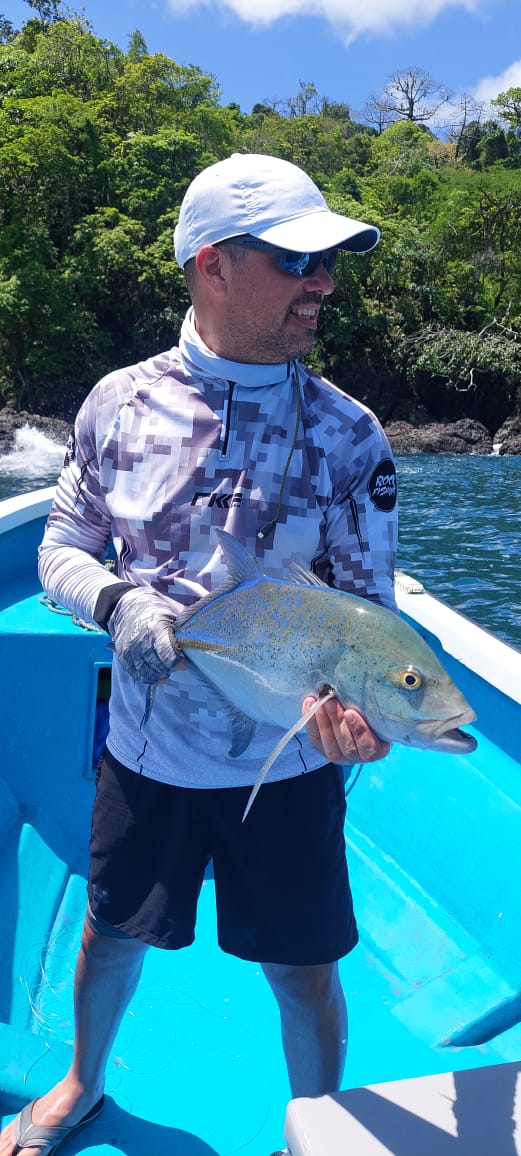



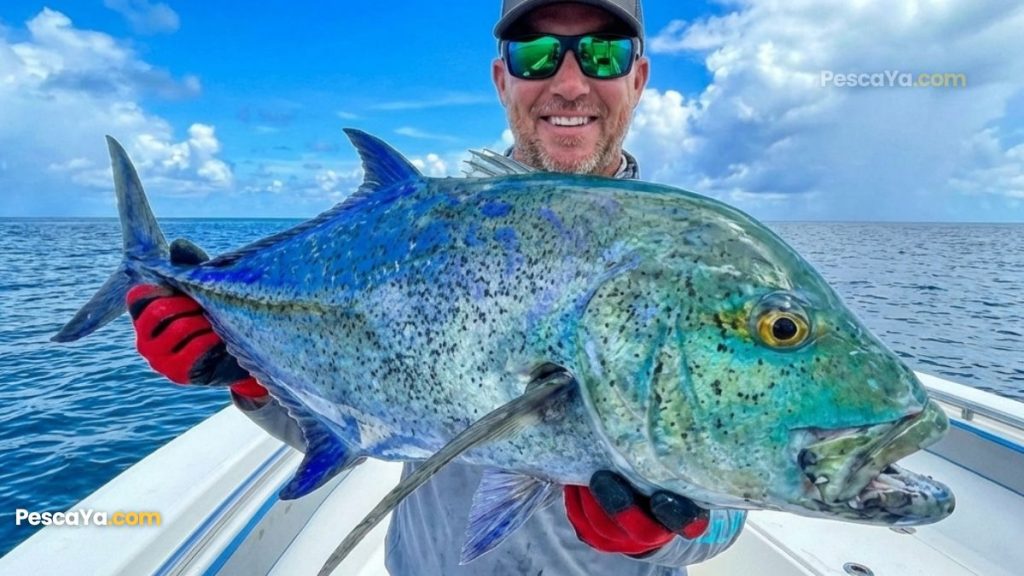
Mexico marks the northern frontier of bluefin trevally range in the Eastern Pacific. These fish push up through the warm waters of the Sea of Cortez and along the Pacific coast as far as Baja California Sur during the warmer months — and when they’re there, the fishing is exceptional. The Cortez is one of the richest inshore seas on the planet, and its rocky structure, warm currents, and dense baitfish make it ideal trevally habitat.
Unlike Panama or Costa Rica where bluefin trevally are available virtually year-round, Mexico offers a more seasonal window. But that tighter season concentrates fish and often produces the most aggressive topwater action you’ll find anywhere on the Pacific coast.
This guide covers the best spots in Mexico, when to go, how to fish them, and how to book a charter. Let’s break it down.
The bluefin trevally (Caranx melampygus) is the most visually striking member of the jack family — electric blue fins over a silver body spotted with small dark markings. They’re built for explosive bursts of speed, hunt cooperatively, and attack surface lures with a ferocity that’s hard to forget. Most fish caught in Mexico run 5–15 lb, though the Sea of Cortez is known for producing larger specimens when conditions align.
If you’ve already fished them in Panama or Costa Rica, Mexico will feel familiar but different. The Cortez’s crystal-clear water makes trevally more leader-shy, and the seasonal nature of their presence means timing matters more. Get it right, and Mexico delivers some of the best trevally fishing in the Eastern Pacific.
The East Cape region — anchored by the sport fishing town of Los Barriles and stretching south toward Cabo Pulmo — is the top zone for bluefin trevally in Baja. This stretch of Sea of Cortez coastline sits just north of the Tropic of Cancer, where warm southerly currents push bait against the rocky points and reefs that line the shore.
Bluefin trevally are a consistent inshore target here from summer through fall. Guides working the East Cape know the trevally structure well — the rocky headlands, underwater ledges, and current-exposed points that hold fish when water temperatures peak. Early morning topwater sessions on these points are among the most exciting inshore fishing you’ll find in North America.
Cabo Pulmo, just south of Los Barriles, is worth a mention for context: it’s a national marine park where fishing is prohibited, but the healthy reef ecosystem it protects spills fish into adjacent fishable waters. Guides familiar with the region factor this into where they run.
La Paz is the most well-rounded trevally destination in Mexico. The city sits on a large protected bay on the Sea of Cortez, and the channels and rocky ledges surrounding Espíritu Santo island — just offshore — are productive trevally habitat for much of the year. Unlike the East Cape’s exposed coastline, La Paz’s sheltered geography allows fishing on days when conditions elsewhere are rough.
The inshore charter scene in La Paz is mature and well-organized. Half-day trips targeting trevally and jacks are common, and guides know which structures hold fish on any given tide and current combination. The island channels are particularly productive on the outgoing tide when baitfish get pushed through rocky pinch points.
Cabo San Lucas and San José del Cabo sit at the tip of the Baja Peninsula where the Pacific Ocean meets the Sea of Cortez. The mixing of two water masses creates exceptional bait aggregations, and the rocky structure on the Cortez side of the cape holds bluefin trevally from late spring through early winter.
For trevally specifically, the Cortez-side reefs between the arch at Cabo San Lucas and the corridor stretching toward San José del Cabo are more productive than the Pacific side. Roosterfish share much of the same inshore structure, and many Los Cabos inshore charters target both species on the same trip during the warmer months. Be specific about trevally when booking — not all guides prioritize inshore work over offshore.
Puerto Vallarta sits on the mainland coast of Mexico at the mouth of Banderas Bay — one of the largest bays on the Pacific coast of the Americas. The bay is rimmed with rocky points, submarine ridges, and reef structure that support a resident population of bluefin trevally. Unlike Baja, Puerto Vallarta’s warmer mainland waters hold trevally through a longer season.
The rocky headlands south of the marina, including the points around Mismaloya, are productive inshore trevally zones. The species is well-documented here by local guides and has been noted in fishing reports as a consistent inshore target during summer and fall. Puerto Vallarta also benefits from a developed charter infrastructure with guides who run dedicated inshore trips.
| Region | Peak Season | Notes |
|---|---|---|
| East Cape / Los Barriles | Jun–Nov | Rocky Cortez structure; strongest during warm-water peak |
| La Paz | Year-round; best Jun–Nov | Sheltered bay; trevally present most of the year |
| Los Cabos | Jun–Nov | Cortez side better for trevally; warmer months best |
| Puerto Vallarta / Banderas Bay | May–Nov | Warmer mainland Pacific; longer season than Baja |
Mexico’s bluefin trevally season is driven by water temperature. The Sea of Cortez heats up significantly from June through November, pushing warm-water species north into Baja and concentrating bait schools against the rocky structure that lines the coast. That’s the window when trevally fishing is most consistent in East Cape, La Paz, and Los Cabos.
Puerto Vallarta’s warmer mainland waters extend the season slightly — from May through November is a reliable window. Outside these months, cooler water temperatures push trevally south, though La Paz’s sheltered geography keeps some fish around year-round for opportunistic inshore sessions.
One practical note: Mexico’s summer months (July–September) bring hurricane season to the Pacific coast and Sea of Cortez. Conditions can be rough, and some charters reduce offshore operations. Inshore trevally fishing, however, is often productive right up until a storm approaches — barometric pressure drops trigger aggressive feeding.
Topwater is the method of choice on Mexico’s rocky points and reef edges. Poppers and walk-the-dog style stickbaits worked aggressively along rocky structure produce explosive strikes. The crystal-clear water of the Sea of Cortez means trevally often track a lure for several feet before striking — maintain the action and don’t stop working the lure when you see fish following.
Lure size in the 3–5 inch range matches the sardina and cihuil baitfish common throughout the Cortez. Pearl, chrome, and sardine-pattern colorways work well in the Cortez’s clear water. In Puerto Vallarta’s slightly murkier bay conditions, brighter colors can help get attention.
Vertical jigging over the rocky ledges and channel edges around Espíritu Santo island and East Cape reef structures is highly productive when trevally are holding deeper. Butterfly jigs in the 60–120g range worked with an erratic cadence — fast retrieves with irregular pauses — draw strikes from fish that won’t commit to topwater. Jigging also works well during midday when trevally push off the surface into slightly cooler water.
Live sardina (sardines) are the standard bait throughout Mexico’s Pacific coast, and they’re devastatingly effective for trevally. Charter captains in La Paz and East Cape typically net bait before heading out. A live sardina freelined or fished on a light Carolina rig near rocky structure will take trevally consistently when artificial presentations slow down.
The clear water of the Sea of Cortez demands a step down in leader weight compared to Panama or Costa Rica. A 20–25 lb fluorocarbon leader instead of 30–40 lb makes a meaningful difference in strike rate in bright, calm Cortez conditions. Match this to a medium-heavy spinning outfit — a 7–8 ft rod rated for 20–40 lb braid, paired with a 4000–5000 series reel.
Hook quality is non-negotiable. Trevally are hard strikers and strong fighters, and the rocky structure they live near creates constant abrasion. Carry a hook file and replace any point that isn’t razor-sharp before each session.
Mexico’s inshore charter market is well-developed in all four zones covered here — Los Barriles, La Paz, Los Cabos, and Puerto Vallarta each have established guide services running inshore trips. The key, as with any trevally charter, is being specific when you book: ask whether the guide runs dedicated inshore sessions and whether they actively target trevally and jacks, not just use them as a backup when offshore action is slow.
Half-day inshore trips are standard and sufficient for trevally fishing. Full-day options make sense if you want to combine trevally with offshore species — roosterfish and jacks in the morning, dorado or yellowfin offshore in the afternoon is a popular combination at East Cape and Los Cabos.
One thing to sort before departure: Mexico requires a fishing license from CONAPESCA (the national fisheries authority). Licenses are available daily, weekly, monthly, or annually. Most reputable charter operators in Mexico include the license or handle the paperwork as part of the booking. Confirm this when you book. Browse Mexico fishing charters to find operators across all regions.
Featured tours · Panama & Costa Rica
.jpg)
.jpg)
Yes, though less universally distributed than in Panama or Costa Rica. The Sea of Cortez — particularly around East Cape, La Paz, and Los Cabos — holds the most reliable populations. Puerto Vallarta on the mainland coast is also a confirmed zone. Outside the warm season, the species retreats south, so timing your trip is important.
The Sea of Cortez is generally the stronger bet. The rocky structure, protected channels, and warm summer water create ideal trevally habitat, and guides in La Paz and East Cape actively target the species. Puerto Vallarta on the Pacific mainland is also productive and offers a slightly longer season, but the Cortez’s clarity and structure concentration give it an edge for topwater fishing specifically.
June through November is the core window for most of Mexico, when Sea of Cortez water temperatures peak and trevally are most active. La Paz is the most forgiving destination — its sheltered bay holds fish year-round in smaller numbers. Puerto Vallarta extends to May at the early end. If you’re flexible on destination, East Cape and La Paz in August or September offer the most consistent action.
Yes. Mexico requires a recreational fishing license issued by CONAPESCA. Licenses can be purchased for a day, a week, a month, or a full year. Most charter operators in Mexico include the license or facilitate it as part of the booking process — confirm this when you book. Fishing without a license carries significant fines.
Most fish run 5–15 lb, consistent with what you’d find in Panama and Costa Rica. The Sea of Cortez’s nutrient-rich waters can push specimens above 20 lb, particularly in La Paz around Espíritu Santo island. East Cape and Los Cabos also produce larger fish during the peak of the warm season when bait concentrations are highest.
Mexico is the northern limit of bluefin trevally range in the Eastern Pacific — and that frontier status makes it a unique destination. The Sea of Cortez delivers world-class inshore fishing in a setting that’s hard to match: clear water, dramatic desert landscapes dropping straight into the sea, and rocky structure loaded with bait and predators. The seasonal window is tighter than Panama or Costa Rica, but plan around June through November and you’ll find trevally in prime condition.
La Paz is the most versatile option for year-round access. East Cape is the top pick for serious topwater sessions. Los Cabos and Puerto Vallarta round out the map for anglers combining trevally with a broader Mexico trip. Ready to get on the water? Browse Mexico fishing charters to find the right guide for your target zone.
In 2011, an angler aboard a 31-foot Blackfin called Go Deep hooked a blue marlin off Cabo San Lucas at 8:20 in the...
Read More
->
“Nine Yellowfin Tuna, four over 150 pounds… in one day, for two anglers fishing within two miles of the...
Read More
->
One of the most common questions we hear from anglers planning a trip is: when should I go fishing in Cabo? The honest...
Read More
->