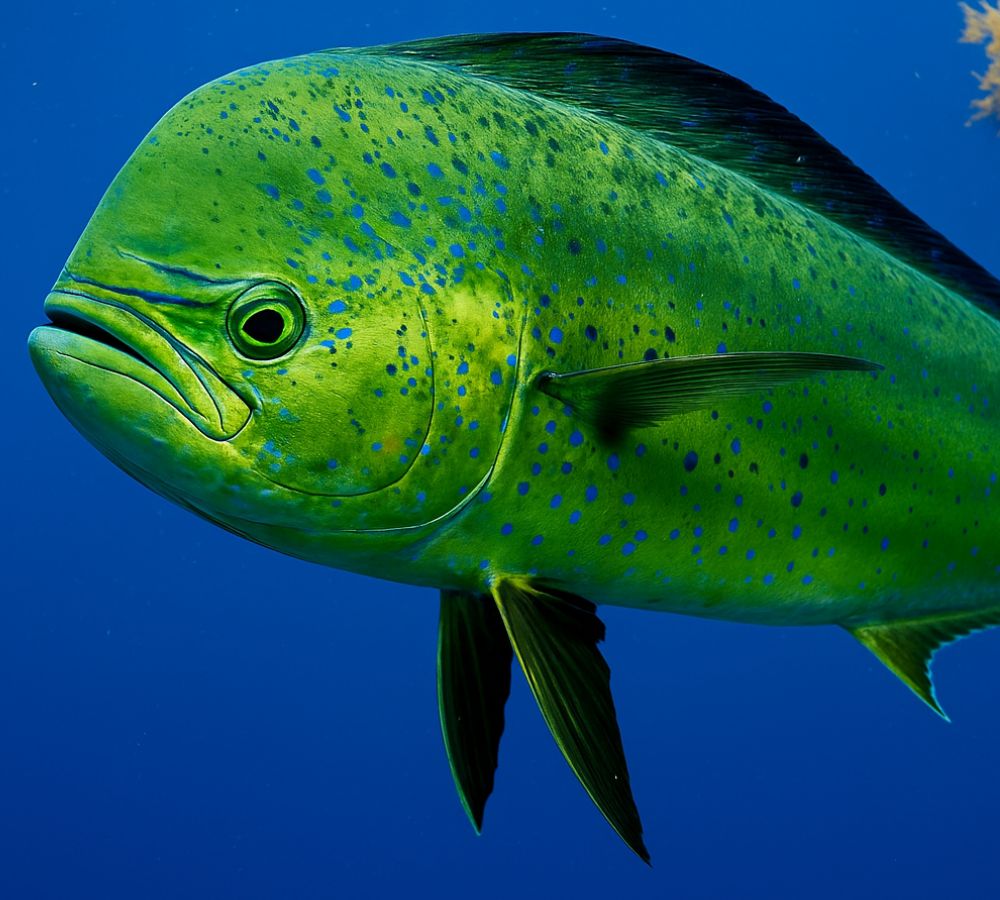
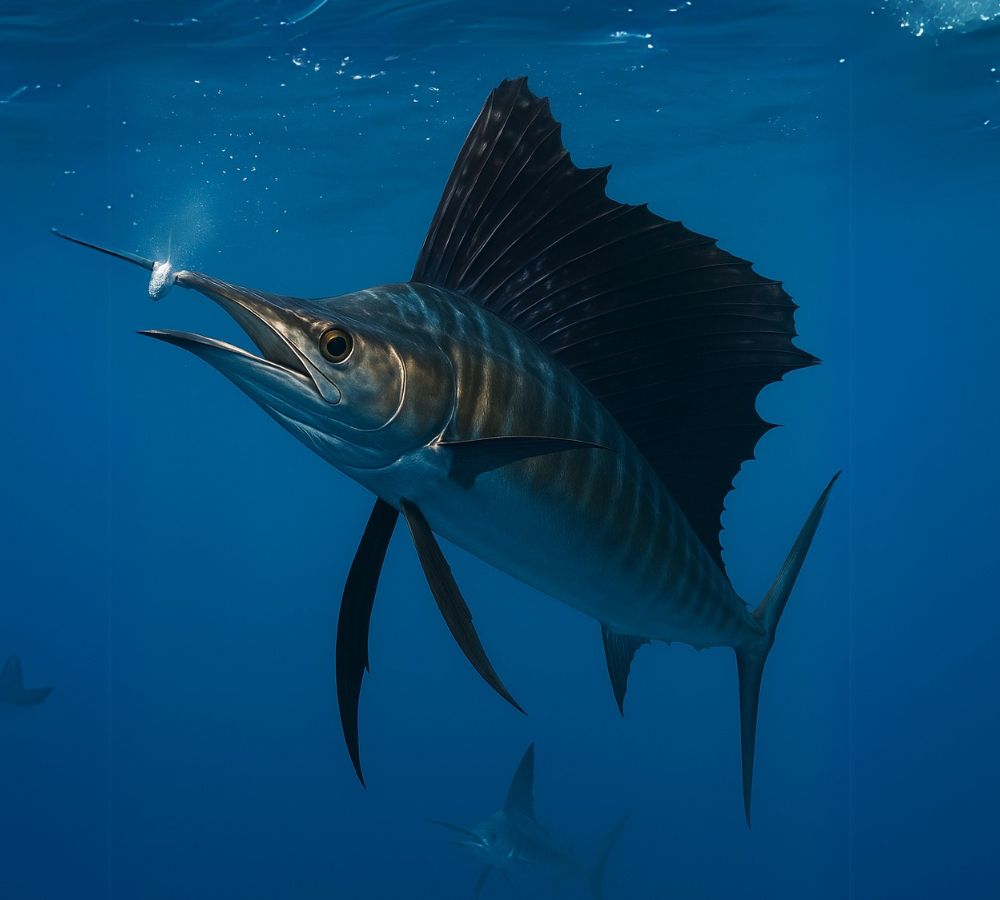
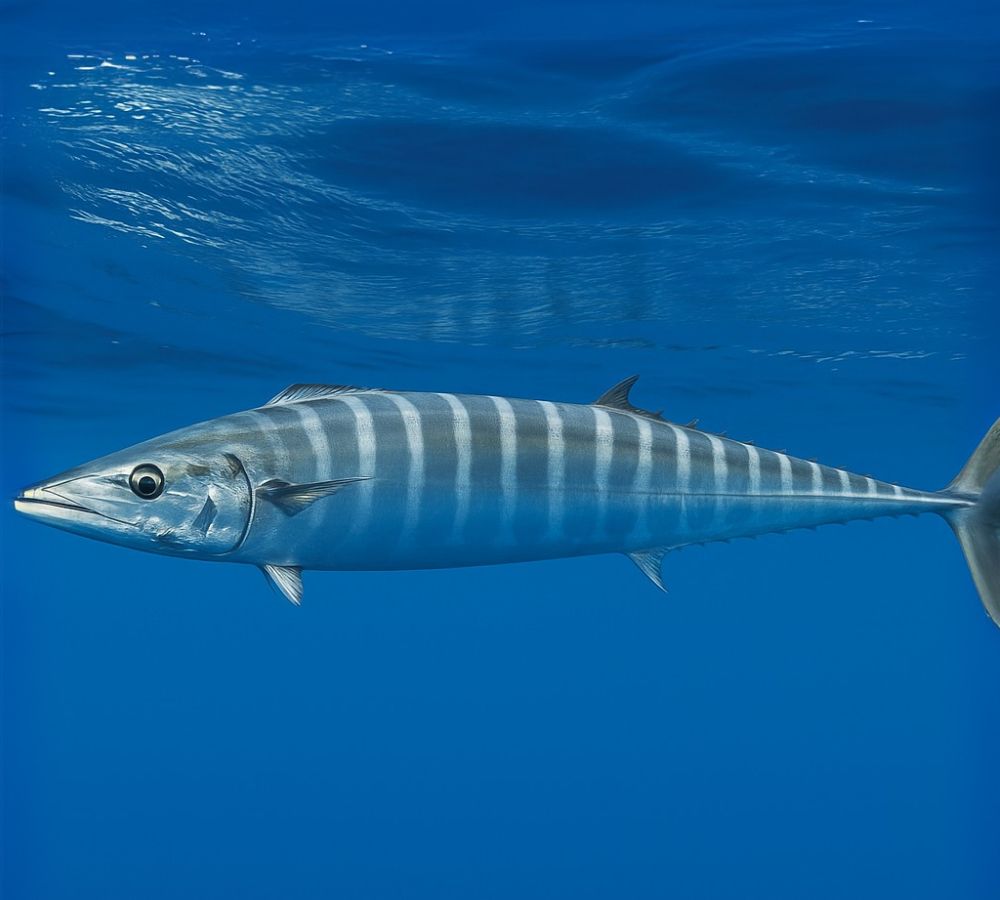
Fish big-game offshore from Cabo San Lucas aboard the Chinito Bonito, departing Marina IGY. Target Blue, Black and Striped Marlin, Sailfish, Wahoo, Yellowfin Tuna, Mahi-Mahi and...
Set out on an unforgettable fishing adventure aboard El Socio, a premium sport fisher yacht based in Cabo San Lucas. Captain Sigifredo and his crew will take you to the best...
Fly Fishing Río Lagartos – Tarpon Fishing Tours in Yucatán
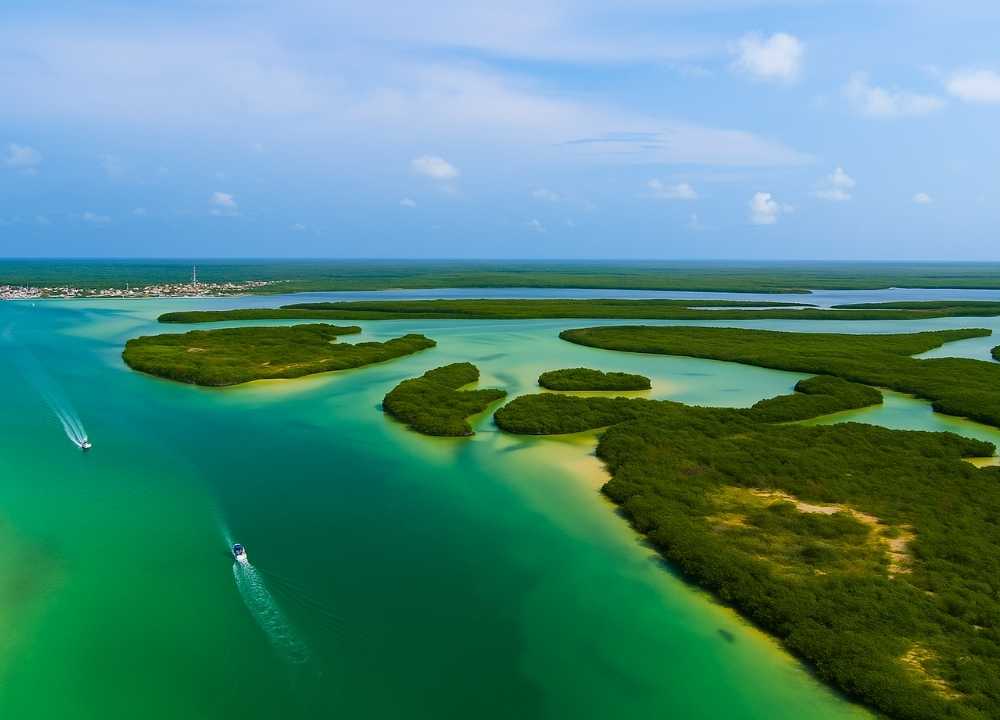
Lagartos River
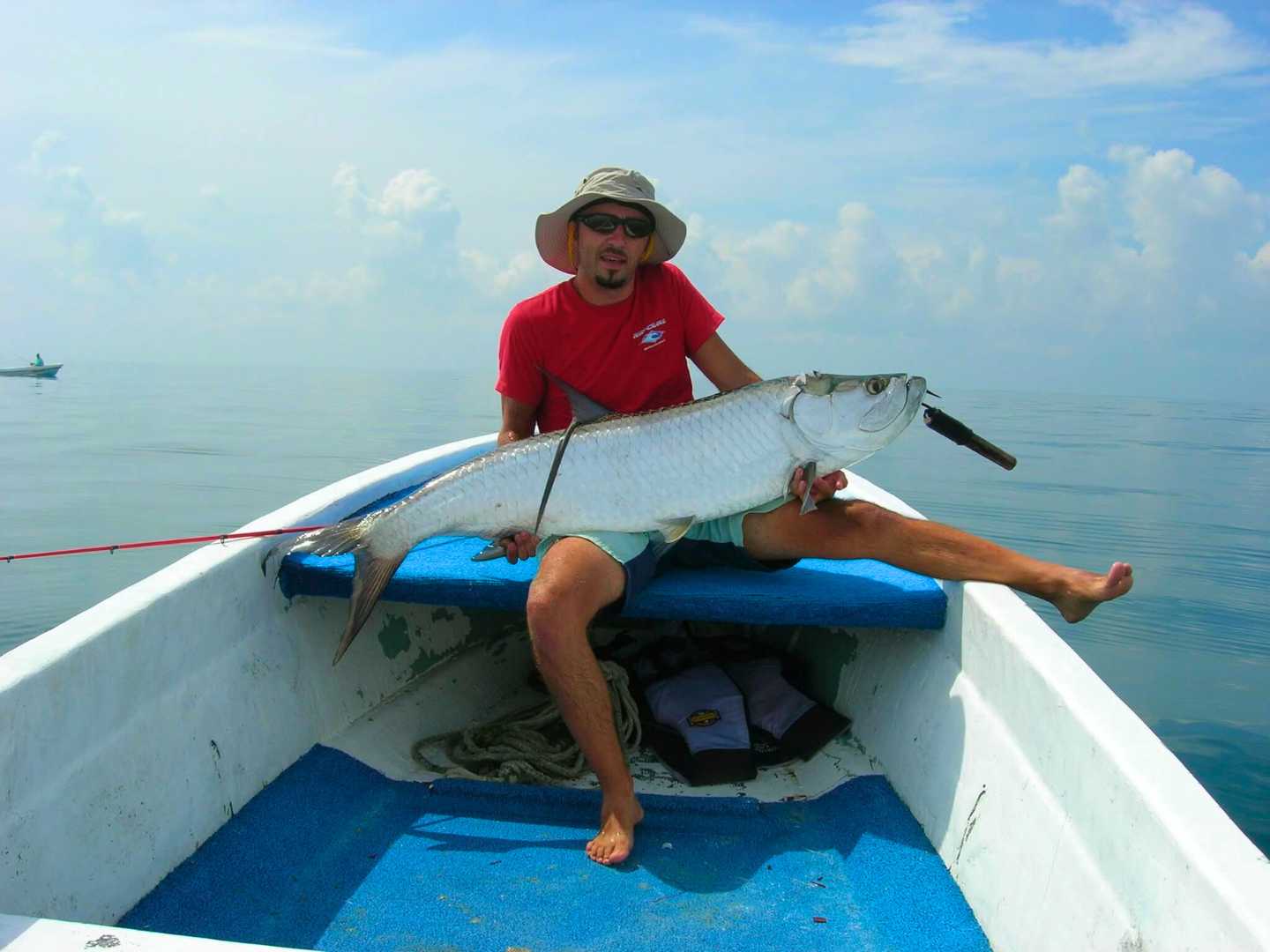
Fly fishing tour in Río Lagartos, Yucatán, one of the top fly fishing destinations in Mexico. Depending on the season, this guided fly fishing tour targets baby tarpon or giant...
Striped marlin fishing peaks in Los Cabos, with fish stacked close to the marina and calm seas making for easy trolling. Wahoo keep biting hard into the New Year, though dorado numbers are lower this early. On the Caribbean side, snook fishing around Cancún hits an "outstanding" stretch in the mangroves, and permit start showing on the Yucatán flats. It's one of the best all-around months to fish Mexico's Pacific side.
Dry season
February
Striped marlin stays the headline act in Los Cabos, and the Pacific holds glassy-calm for trolling. Snook fishing in Cancún is still excellent, and bonefish and permit are active on the Yucatán flats. Baby tarpon start showing at Río Lagartos as water temperatures climb — a quiet, uncrowded month with strong fishing on both coasts.
Dry season
March
La Paz and Loreto's season opens for the year, and striped marlin fishing in Los Cabos holds strong into its last full month. Baby tarpon fishing at Río Lagartos hits its stride, and white marlin and sailfish are both active on the Caribbean side. Water starts warming everywhere, setting up the shift toward summer species.
Transition
April
Striped marlin give way to the first blue and black marlin push in Los Cabos, and dorado begin showing around weed lines. La Paz and Loreto enter their most productive stretch (April–July), and Río Lagartos tarpon fishing is in full swing. Snook fishing in Cancún stays strong through the month.
Transition
May
Dorado numbers build fast on both the Baja and Pacific mainland coasts, and blue marlin fishing keeps improving in Los Cabos. La Paz and Loreto are in their prime window. The Eastern Pacific hurricane season officially opens mid-month, but early-season storms are rare — mornings stay fishable and boats still run daily.
Wet season
June
Yellowfin tuna fishing explodes in Los Cabos, with big schools showing on the sounder, and roosterfish action picks up along the beaches on both the Baja and Pacific mainland coasts. Hurricane season is officially underway, but most systems track well offshore or arrive later in the season — captains watch the forecast and mornings are typically calm. Dorado stay thick around floating debris.
Wet season
July
Roosterfish fishing peaks in Los Cabos and along the Pacific mainland, with fish over 30 pounds a realistic target. Yellowfin tuna stay strong offshore, and dorado numbers are near their yearly high. Afternoon storms become more common but rarely cancel a morning trip.
Wet season
August
Tuna and dorado fishing both stay excellent across the Pacific coast, and roosterfish action holds through the month. This is typically the busiest stretch of hurricane season, so it's worth watching the forecast a few days out — well-run operators reschedule around storms rather than fish through them. Snook fishing in Cancún remains strong through this month.
September
This is historically the most active month of hurricane season in both the Eastern Pacific and Caribbean, and it's the one month where flexible dates are worth the trade-off for lower prices and thinner crowds. When the weather cooperates, dorado and tuna fishing is still strong in Los Cabos, and tarpon and snook stay active on the Yucatán side.
Wet season
October
Puerto Vallarta and the Pacific mainland enter their best stretch of the year, with blue marlin fishing building toward its peak. Storm activity starts easing off as the official season winds down, and mornings are reliably calm. Wahoo begin showing in Los Cabos, and dorado are still around throughout the Pacific.
Wet season
November
Puerto Vallarta's marlin fishing peaks this month — one of the best windows anywhere on Mexico's Pacific coast — and hurricane season officially closes on the 30th. Wahoo fishing ramps up in Los Cabos, snook fishing in Cancún turns outstanding again, and the first striped marlin of the new season start showing.
Dry season
December
The dry season returns to the Pacific side, with striped marlin building in Los Cabos and wahoo biting all day. Sailfish season opens on the Caribbean side around Cancún, running into summer. Seas calm down across both coasts, closing out the year with some of Mexico's most reliable fishing.
Frequently Asked Questions about Fishing Charters in Mexico
It spans a wide range. A shared panga runs $280–450 a boat; a private cruiser out of Los Cabos runs $575–825 for 5-8 hours; a full-day offshore charter starts around $875. On top of that, budget for the $20 per-person fishing license, $20-30 in bait, and a 15-20% tip — the real total usually lands 25-30% above the listed price.
It depends on region: Los Cabos fishes well nearly year-round, with Striped Marlin peaking November-May and Blue/Black Marlin and Dorado taking over June-November. Puerto Vallarta's marlin fishing peaks later, October-November. Yucatán's baby Tarpon fish best March-August.
Los Cabos has the strongest reputation for big-game marlin and tuna. The Yucatán, especially Río Lagartos, is the better choice for fly fishing and baby Tarpon. Neither is objectively "best" — it depends on what you want to catch.
Yes. Tourists need a Mexican fishing license, which most charter operators include in the booking or arrange dockside for about $20 per person per day. A licensed captain and boat is required for any offshore fishing.
Hurricane season runs June-November, with September the most active month. Most storms track offshore or arrive later in the season, and reputable operators reschedule around them rather than fish through them. It's worth checking the forecast a few days out if you're booking during this window.
Fishing in Mexico: Three Coasts, One Country
Ask anyone who's fished both sides of Mexico and they'll tell you it's not one destination — it's three. Troll for marlin off Los Cabos at dawn, and a few hours' flight away you could be sight-casting to baby tarpon in ankle-deep Yucatán flats. Mexico's coastline runs over 9,000 km across the Pacific, the Sea of Cortez, and the Caribbean, and which stretch you pick matters more than which operator you book with.
Coastline
9,000+ km
Coasts
Pacific, Sea of Cortez & Caribbean
Charter Regions
3 main
Top Targets
Marlin, Dorado, Tarpon
Season
Year-round
What You Can Catch — Species & Seasons
Offshore species
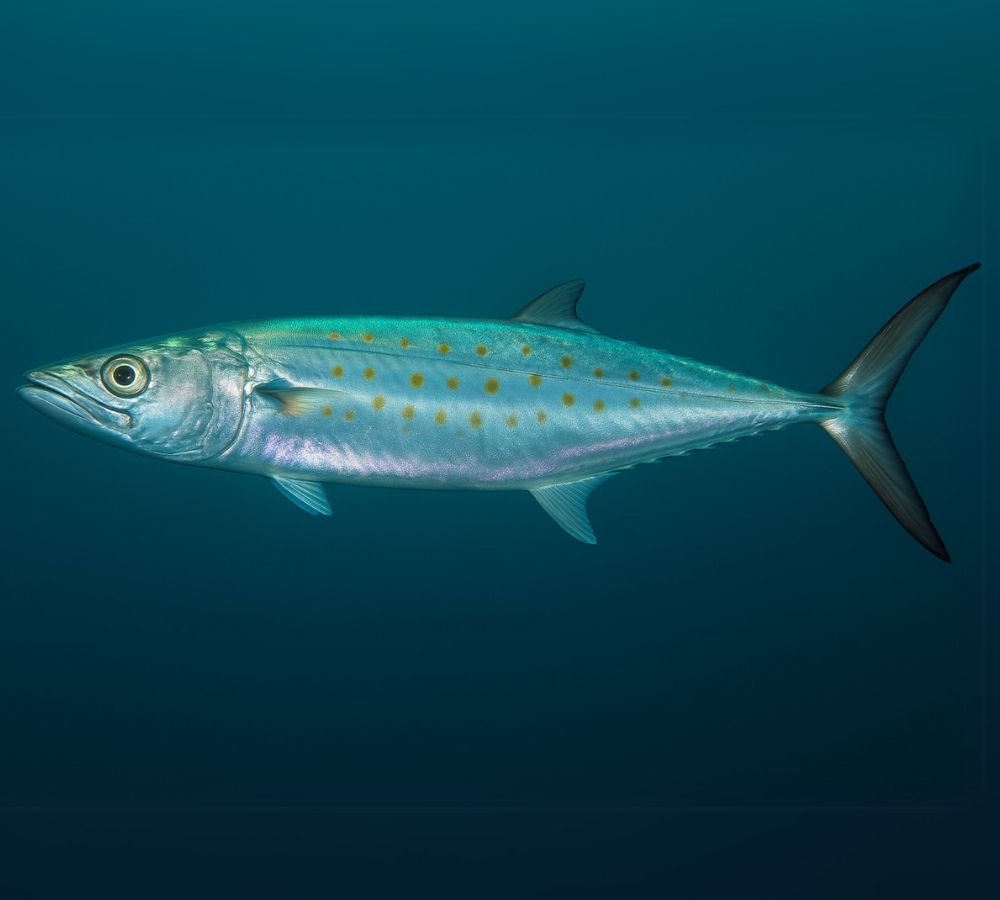
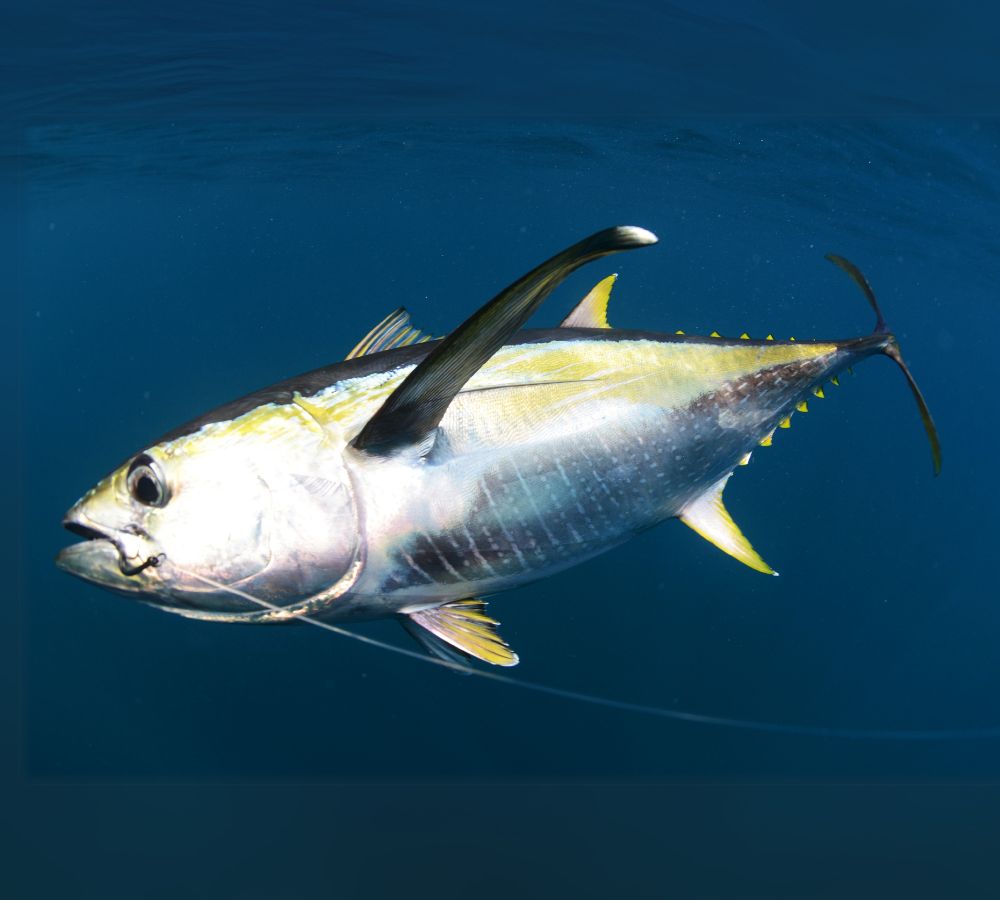
Los Cabos is Mexico's marquee offshore water. Blue, Black, and Striped Marlin patrol water close enough to the marina that 5-8 hour trips cover serious ground, and yellowfin tuna fishing runs close to year-round. Dorado shows up along both the Baja and Pacific mainland coasts from late spring through fall, usually stacked around floating debris or weed lines. Puerto Vallarta and the Pacific mainland fish a similar lineup on a smaller, cheaper fleet — and their marlin bite actually peaks later in the year (October–November) than Los Cabos does.
Inshore & flats species
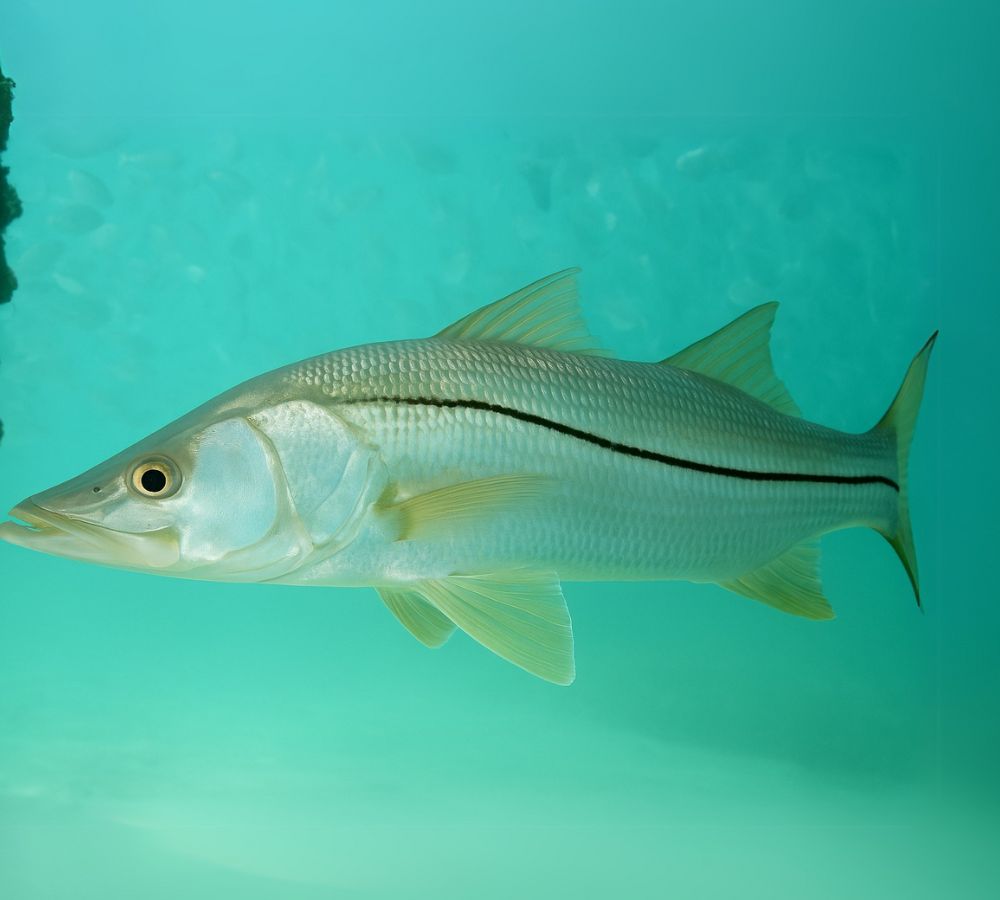
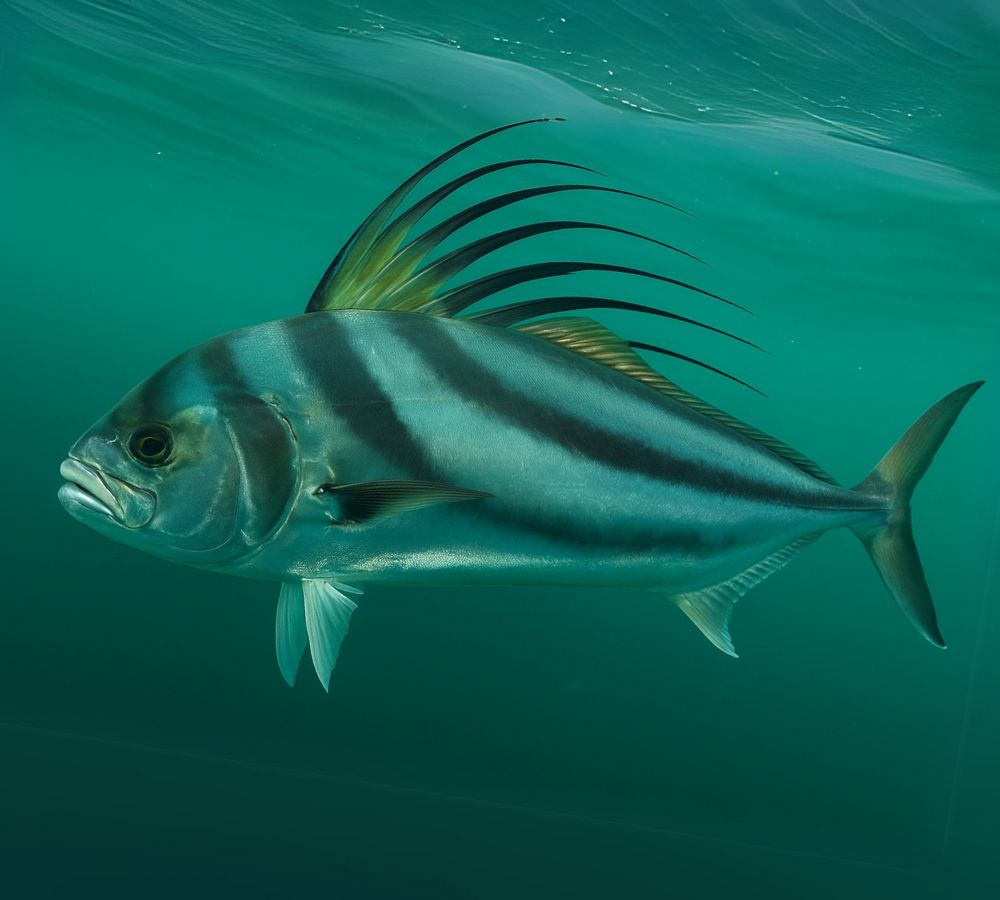
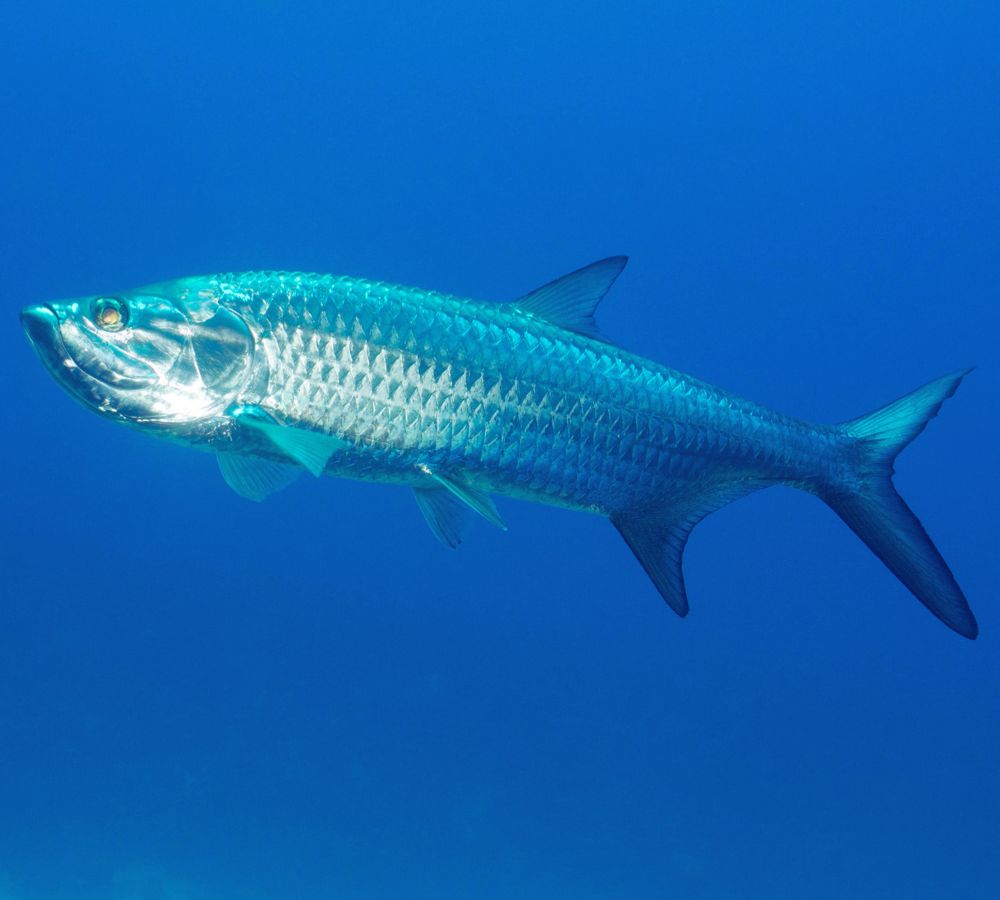
Roosterfish are a Baja and Pacific mainland specialty, hunting bait close enough to the beach that you don't need to run offshore for a fight. On the Yucatán side, Río Lagartos holds resident baby tarpon that fly anglers sight-cast to in skinny, clear water — a completely different discipline from anything in Baja. Snook reward anglers working the mangroves and river mouths of the Yucatán coast, and permit and bonefish round out the Caribbean flats fishery.
New to saltwater fly fishing? Río Lagartos' baby tarpon are a forgiving way to learn sight-casting — the water is shallow and clear, and the fish aren't leader-shy the way adult tarpon can be.
Mexico Fishing Charters: Types & Prices
Mexican charters come in every size, from a shared panga to a private cruiser out of Los Cabos. Here's what trips actually run, based on real reported prices.
Trip type
Duration
Typical price
Best for
Shared panga
Half–full day
~US$280–450 / boat
Budget anglers; inshore basics
Private cruiser (Los Cabos)
5–8 hrs
~US$575–825 / boat
Marlin, tuna, dorado close to the marina
PescaYa full-day offshore
8 hrs
from US$875 / trip
All-inclusive; running the banks
Fly-fishing day trip (Yucatán)
Full day
from US$460 / trip
Baby tarpon, permit, bonefish on the flats
What's usually NOT included: the $20 per-person fishing license, $20–30 in live bait, and the crew's 15–20% tip. Budget 25–30% over the listed price for the real total.
It's common in Los Cabos to walk down to the marina and haggle a same-day rate, and it can work if all you want is a boat ride. Booking ahead with a vetted operator is usually the same price or less once you factor in the pre-payment discount — and you know your boat, captain and target species before you land.
Where to Fish in Mexico — Top Regions
Baja California is the headline act — Los Cabos for marlin and tuna close to the marina, La Paz and Loreto further north for calmer Sea of Cortez water and smaller local outfits at a fraction of Cabo's prices. The Pacific Mainland around Nayarit and Puerto Vallarta fishes a lot like Los Cabos with a lower-cost fleet, and its marlin season actually peaks later (October–November) than Baja's. The Yucatán and Caribbean coast is a different sport entirely — Cancún and the Riviera Maya for offshore sailfish and dorado, and Río Lagartos further north for some of the best baby tarpon fly fishing in the country.
Deep-Sea, Inshore & Fly Fishing
Offshore trips out of Los Cabos and Puerto Vallarta run captains trolling lures and live bait for marlin, tuna, dorado and wahoo over structure a few miles off the marina. Inshore trips work the beaches and rocky points for roosterfish and jack crevalle within sight of shore. Fly anglers head to the Yucatán, where Río Lagartos' shallow flats give world-class shots at baby tarpon, permit and bonefish with 8–10 wt gear.
Best Time to Fish in Mexico
There's no single "best month" for a country this size — there's a best month for each region. Los Cabos fishes well nearly year-round: striped marlin dominate November–May, and blue/black marlin and dorado take over June–November. Puerto Vallarta's marlin fishing peaks later, October–November. Yucatán's baby tarpon fish best March–August.
Hurricane season runs June–November across both the Eastern Pacific and Caribbean coasts, with September historically the most active month. Most storms track offshore or arrive later in the season, and well-run operators reschedule around them rather than fish through them — worth checking the forecast a few days out if you're booking during this window.
How to Book Your Mexico Fishing Trip with PescaYa
PescaYa lets you filter Mexico's charters by region, target species, trip length and budget. Every listing shows boat photos, the captain's profile, target species, departure port and what's included, with real availability and prices — and because PescaYa works only with verified local operators, your trip is safe and the quality is checked.
Tourists need a Mexican fishing license to fish offshore. Most operators include it in the booking or arrange it dockside for about $20 per person per day — confirm what's included before you book.
Plan Your Trip — Getting There
Los Cabos is served by Los Cabos International Airport (SJD). Cancún International Airport (CUN) is the gateway for Yucatán and Riviera Maya trips, with Río Lagartos a roughly 3-hour drive further along the coast. La Paz has its own airport (LAP) for travelers heading straight to the Sea of Cortez side.
Pack high-SPF sun protection, polarized glasses, quick-dry layers, and motion-sickness tablets for offshore runs. Charters supply all tackle, but you're welcome to bring favorite lures.
Rules & Regulations
Tourists need a Mexican fishing license to fish offshore. Most charter operators include it in the booking or arrange it dockside for about $20 per person per day — confirm what's included before you book. A licensed captain and boat is required for any offshore fishing trip.
Thank you for your interest in joining PescaYa! We are currently in our testing phase and, for now, we are accepting captain registrations manually. If you're interested, please contact us directly via WhatsApp at +507 6685-8732. Thank you for your understanding – we look forward to hearing from you!