Cabo Fishing Charters: Complete Guide for 2026
“Nine Yellowfin Tuna, four over 150 pounds… in one day, for two anglers fishing within two miles of the shore. Repeat that for three days and you have a fishery unequaled anywhere.”
— Zane Grey, Novelist and IGFA Hall of Famer
Zane Grey wrote that about Cabo San Lucas roughly a century ago. Here’s the thing: it still holds up. The southern tip of Baja California, where the Pacific Ocean collides with the Sea of Cortez, has been producing world-class sport fishing for generations — and somehow the fishery keeps delivering.
But booking a cabo fishing charter for the first time? That’s where things get confusing. Pangas or cruisers? Shared or private? Half-day or full? What’s actually included? And what’s that guy doing on the marina boardwalk with a laminated binder?
This guide answers all of it. You’ll find real 2026 pricing, a month-by-month species calendar, a breakdown of the top fishing banks, and — crucially — how to book safely. By the time you’re done reading, you’ll be ready to check the latest Cabo fishing report and book with confidence.
What Type of Cabo Fishing Charter Is Right for You?
The first decision every angler faces in Cabo isn’t about which fish to target — it’s about which boat to get on. Get this wrong and you’ll either be bored out of your mind on a slow inshore trip when you wanted offshore action, or seasick and under-equipped on open water when a panga would have done the job perfectly.
Panga vs. Super Panga vs. Cruiser
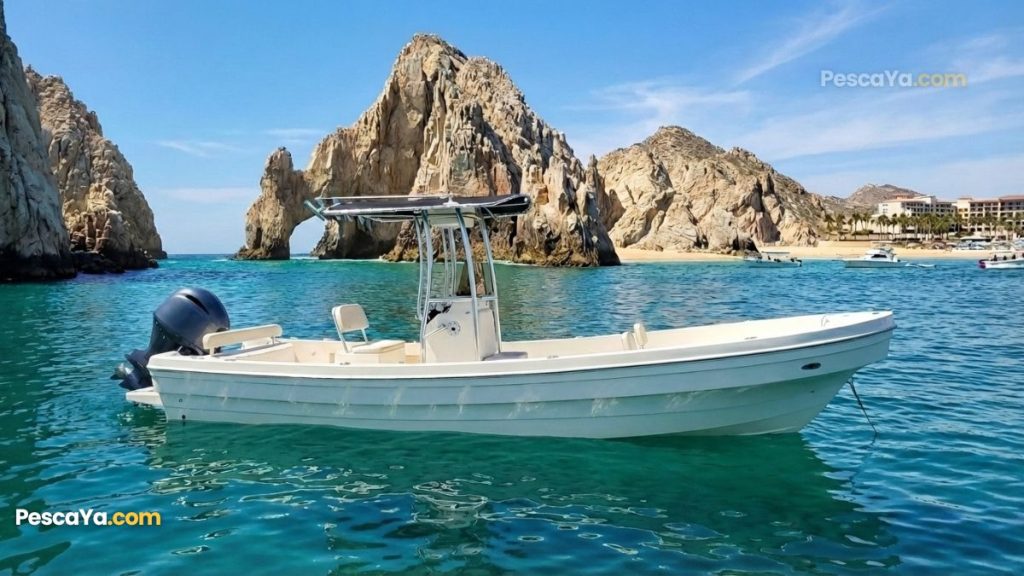
A panga is an open fiberglass skiff, typically 20–23 feet, outboard-powered, and built for exactly these waters. They’re nimble, affordable, and captained by some of the most experienced fishermen in Baja. A super panga adds a bimini top for shade and a bit more comfort, usually running 23–28 feet. Most panga trips run 4–5 hours and reach the inner fishing grounds like the Inner Gordo Banks — ideal for inshore species, roosterfish, snapper, and light offshore action.
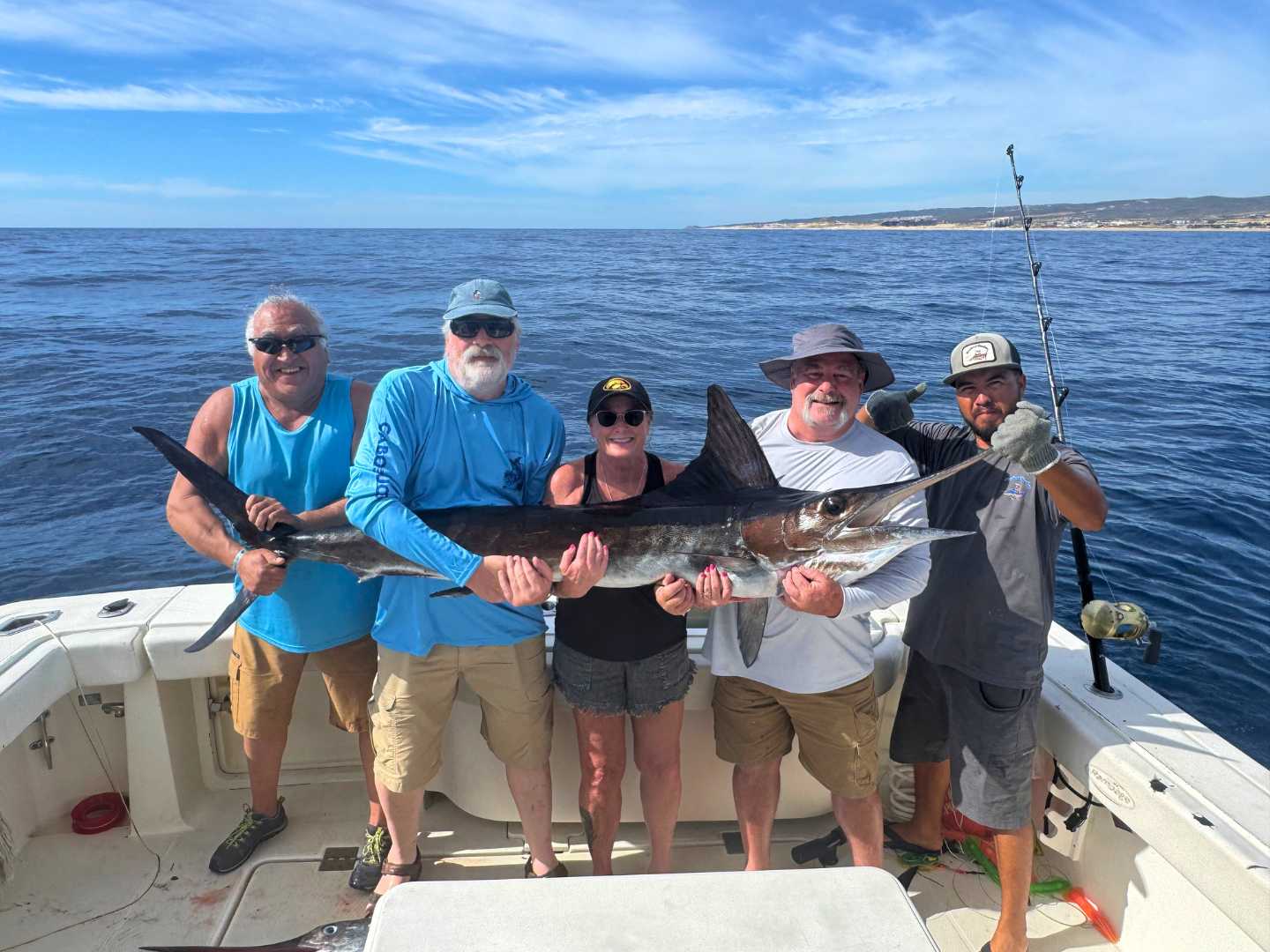
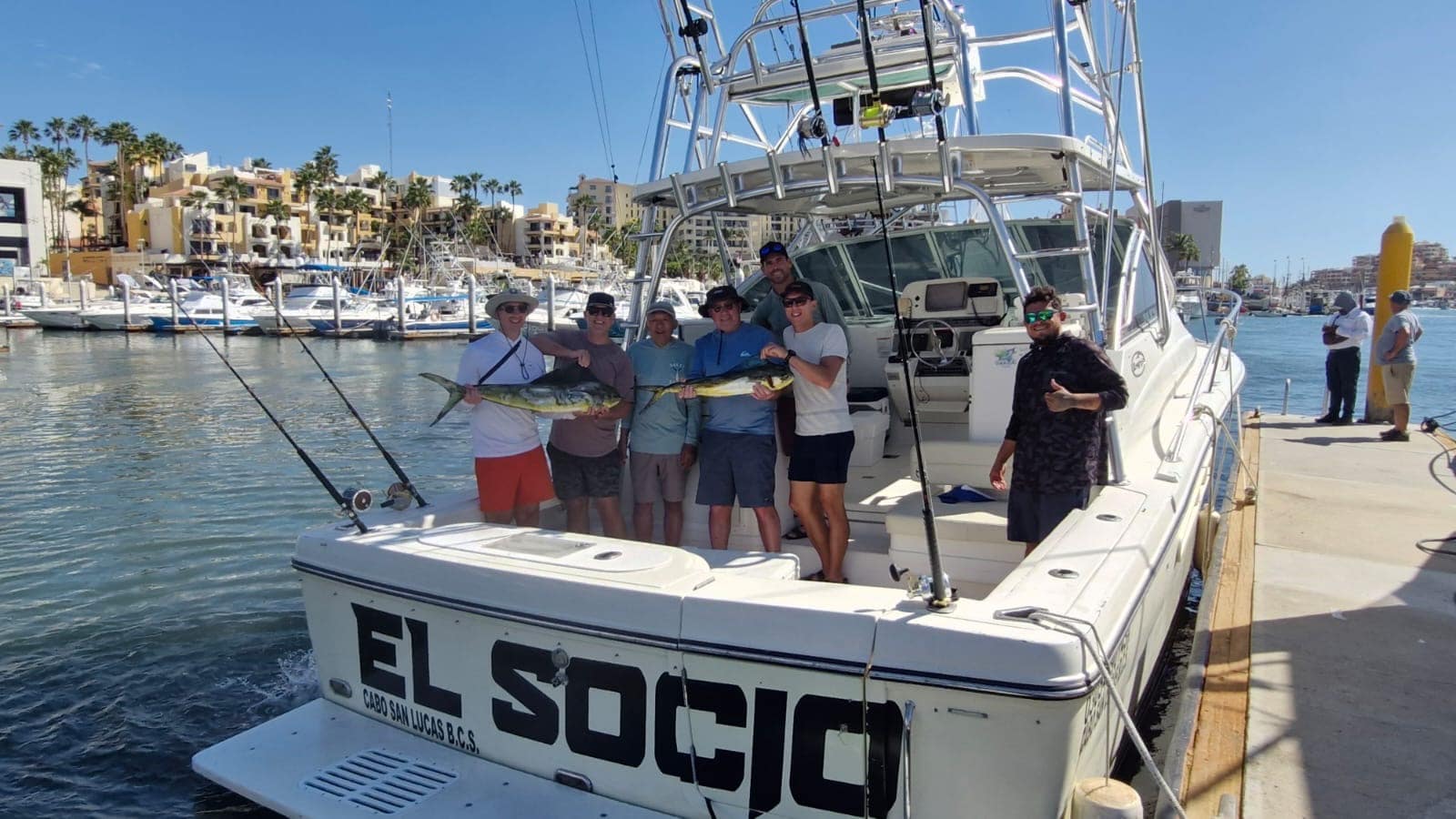
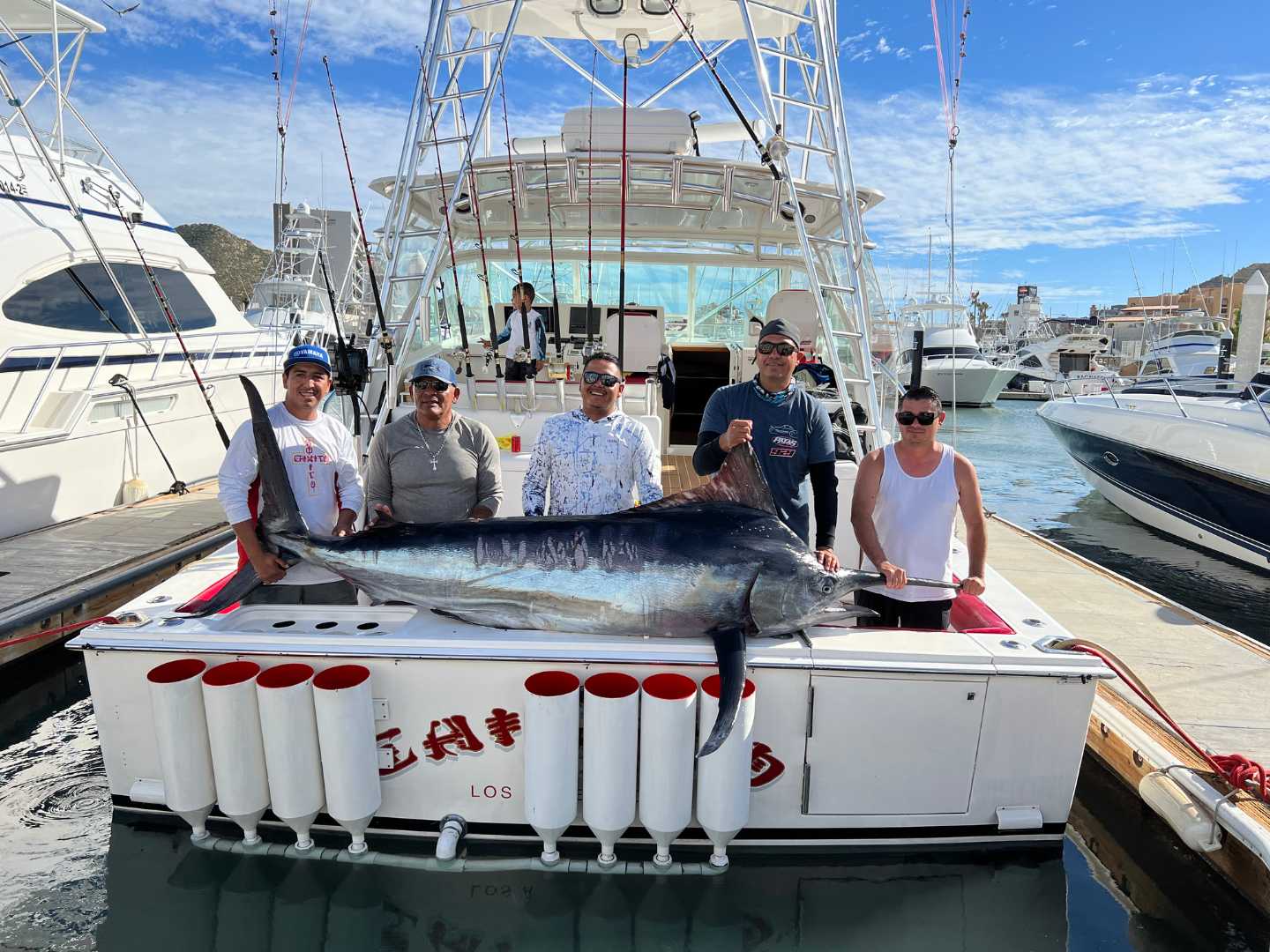
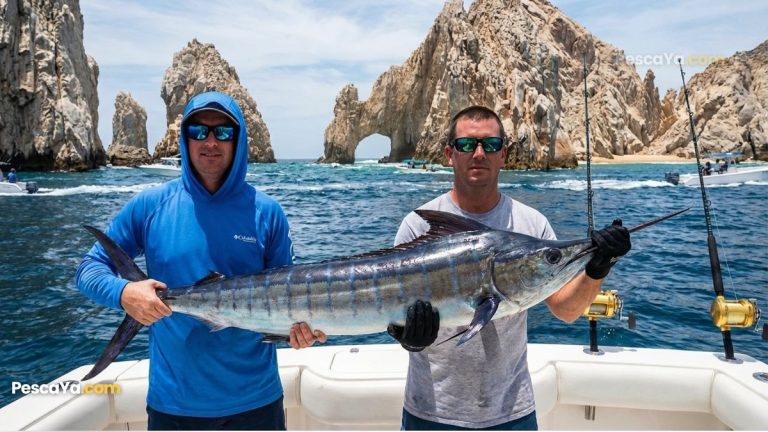
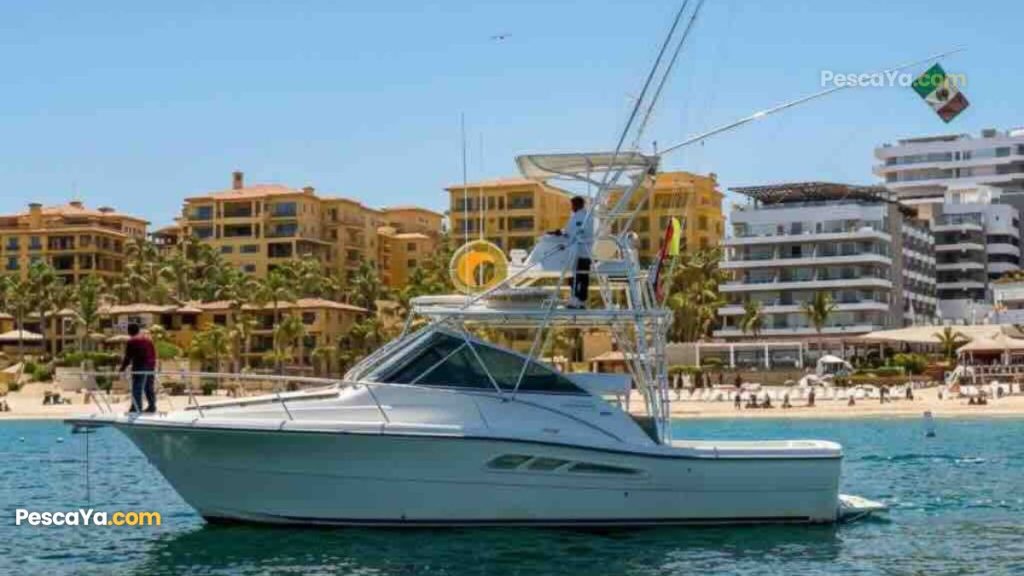
A cruiser or sportfisher is a different beast. Think 29–45+ feet, a proper cabin, bathroom, fighting chair, and serious electronics. Full-day trips run 8 hours and can reach the outer banks — the 1150 Bank, San Jaime, Golden Gate, even Finger Bank 50 miles out. If you want to hunt Blue or Black Marlin, big Yellowfin Tuna, or Wahoo in serious numbers, you need the range that only a cruiser provides.
The decision rule is simple: inshore, families, first-timers, or budget-conscious → panga. Offshore big game or outer banks → cruiser minimum.
Shared Charter vs. Private Charter
A shared charter puts you on a boat with other anglers you don’t know. Prices drop to around $120–$245 per person, making it the best value for solo travelers and couples. You’ll share deck space and fishing time, but for most casual anglers the savings are worth it.
A private charter means the whole boat is yours. You control the schedule, the target species, and the pace. For families with kids, groups of four or more, or anglers who want to work specific spots without compromise, private is the way to go. It costs more up front, but split between four to six people it often works out comparably.
Half-Day vs. Full Day
Half-day trips (5 hours) are perfect for families with young kids, casual anglers, or anyone targeting inshore species close to the marina. Most reputable operators squeeze 5 hours out of a half-day, not the usual 4 — that extra hour matters.
Full-day trips (8 hours) are non-negotiable if you want to reach the productive outer banks. The 1150 Bank sits 20–25 miles offshore. San Jaime and Golden Gate Banks are further. Finger Bank — where the legendary 100-striped-marlin-a-day trips happen — is 50 miles out. You won’t get there and back on a half-day.

37 ft Up To 8 People
Where the Fish Are — Cabo’s Top Fishing Banks
Cabo’s fishing grounds split naturally between the Sea of Cortez on the east side of the cape and the Pacific Ocean on the west. Both sides produce world-class fishing; the species and conditions differ.
Sea of Cortez Side
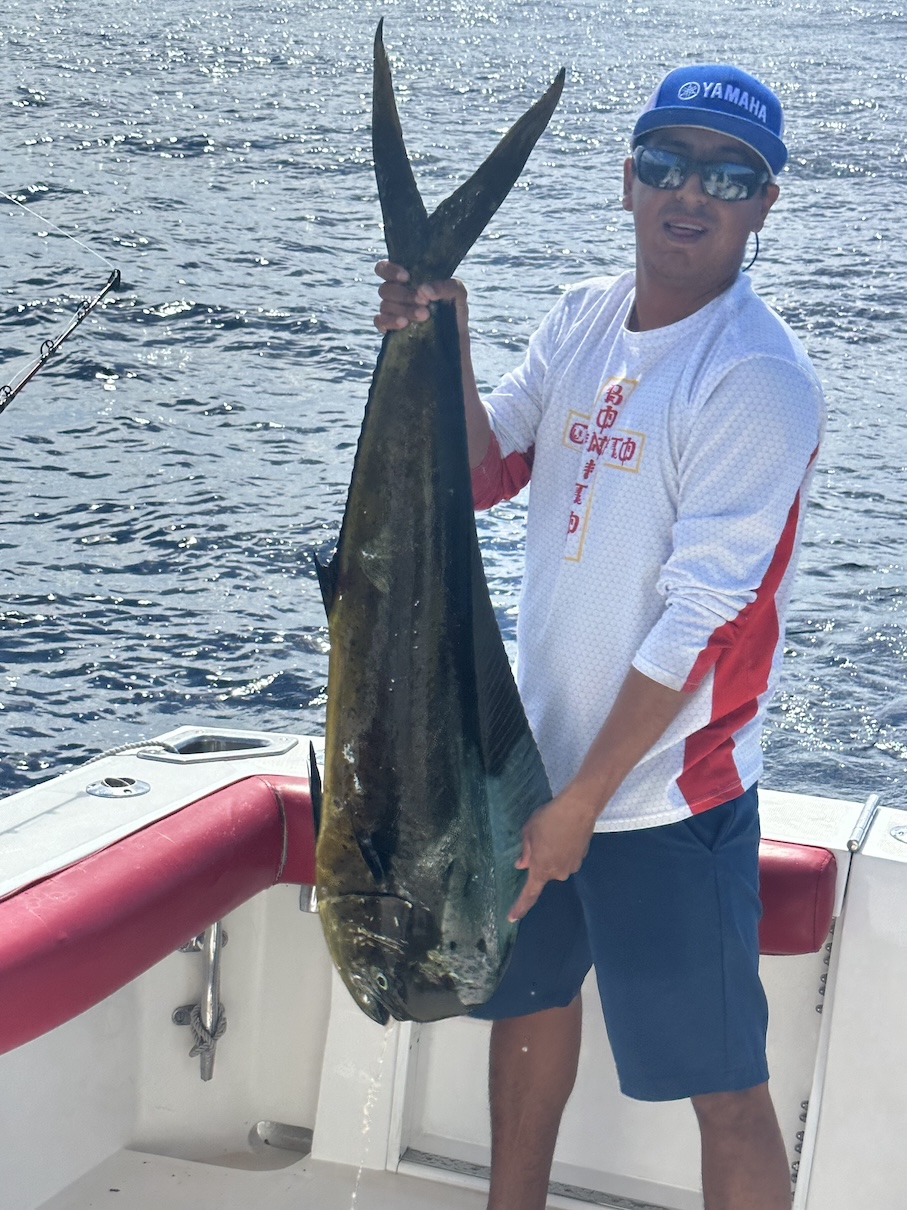
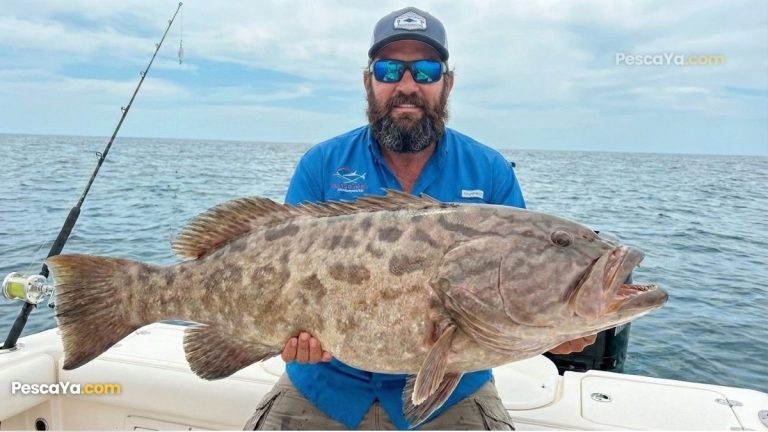
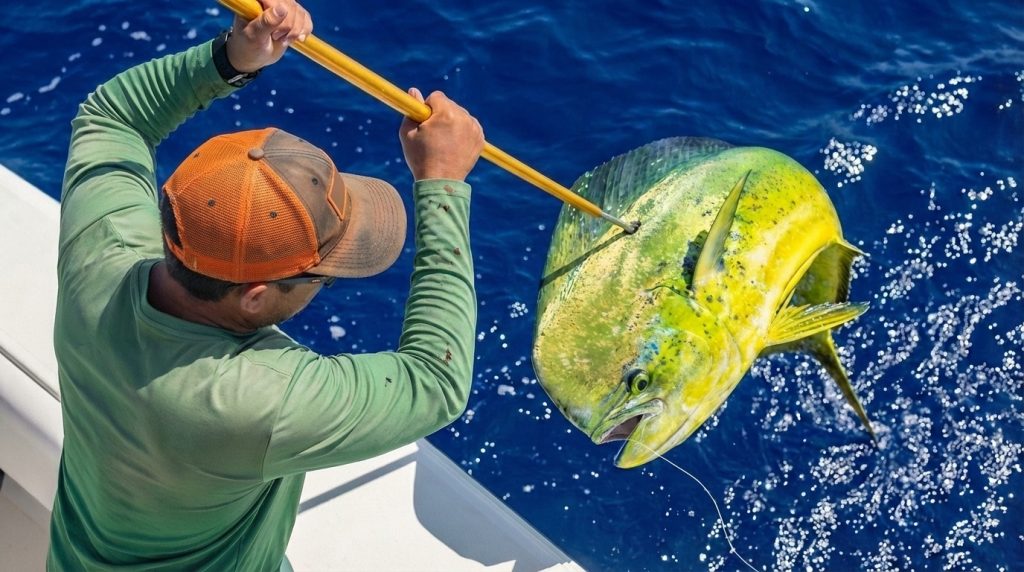
Gordo Banks (“The Wahoo Banks”). Located 5–10 miles southeast of Cabo, the Gordo Banks are two underwater seamounts — Inner and Outer. The Inner Gordo is panga range and produces strong catches of roosterfish, snapper, and grouper year-round. The Outer Gordo (10 miles out) is where things get serious: Dorado, Wahoo, Yellowtail, Amberjack, Tuna, Marlin, and Sailfish. April through November is peak season here.
Santa Maria Canyon. Nine miles due south of the marina, Santa Maria is Cabo’s go-to spot when ocean swells make the outer banks uncomfortable. Dorado, Tuna, and Billfish gather here reliably, and the shorter run means less time at sea before you’re fishing.
Pacific Side
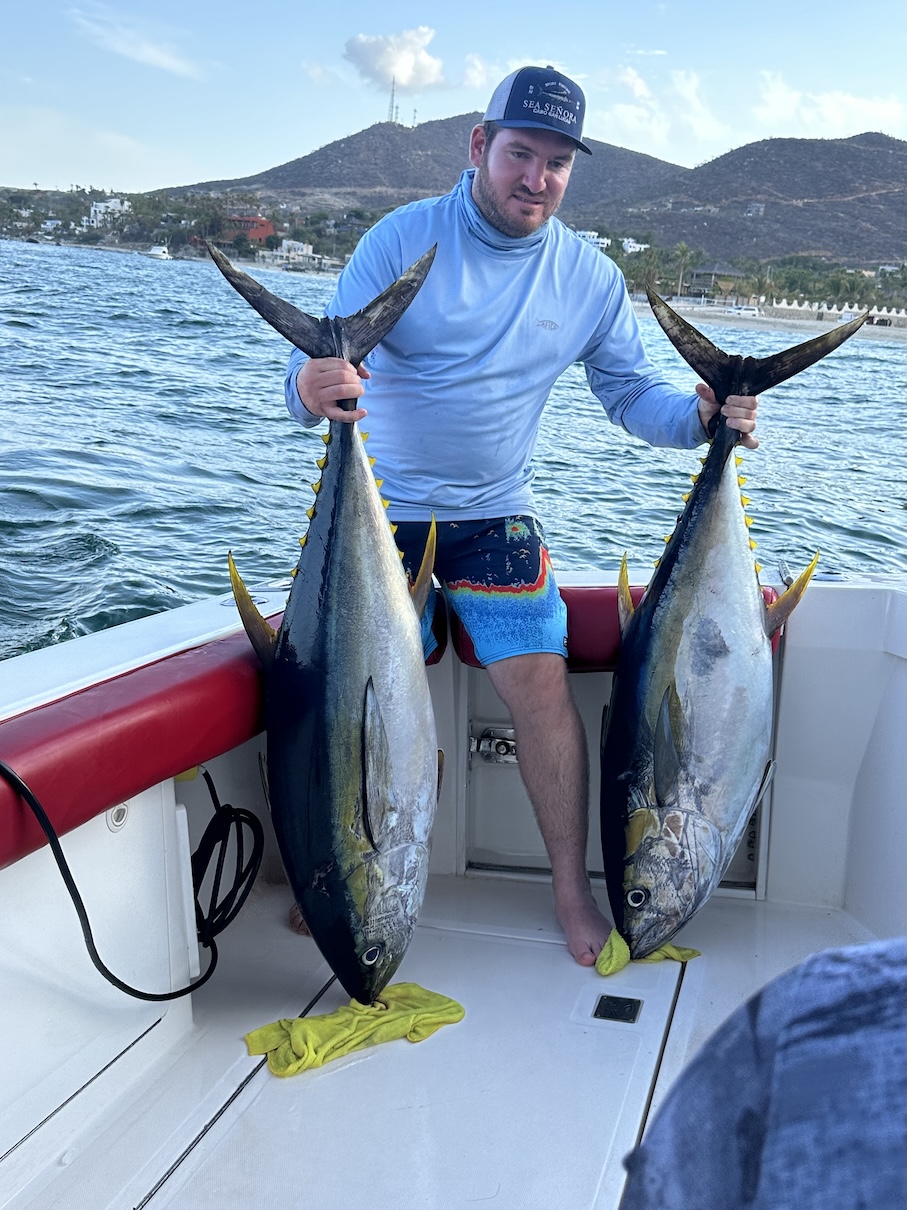
1150 Bank. Sitting 20–25 miles offshore, the 1150 Bank combines deep-water structure with dense baitfish concentrations that attract both Marlin and Yellowfin Tuna. Yellowfin in the 20–100 lb range are regularly landed on cedar plugs and live bait. Mako sharks are a frequent bonus out here. This bank requires a cruiser and a full day.
San Jaime Bank. Three seamounts rising from 3,500 feet of water create a baitfish magnet and Grander Marlin territory (1,000 lbs+). Located northwest of Cabo, San Jaime is among the most productive big-game spots on the Pacific side.
Golden Gate Bank. Widely considered the best Striped Marlin hotspot in all of Mexico during winter and early spring. The bite is traditionally red-hot from December through March. From September through December, Yellowfin Tuna over 100 lbs are common here.
Finger Bank. Fifty miles from the Cabo San Lucas marina, Finger Bank is not for the faint of heart — but it’s where the legendary fishing happens. Local crews have logged over 100 Striped Marlin releases in a single day out here. Plan for a long run, a full day, and a serious boat.
Pro tip: Ask your charter captain which bank they plan to fish. A captain who can’t answer that question clearly hasn’t done their homework for your trip.
What’s Biting? Cabo Fishing by Month
Cabo doesn’t have a true off-season, but it does have a rhythm. Here’s the honest month-by-month picture. For the full species breakdown, see the Cabo fishing calendar.
| Species | Jan | Feb | Mar | Apr | May | Jun | Jul | Aug | Sep | Oct | Nov | Dec |
|---|---|---|---|---|---|---|---|---|---|---|---|---|
| Striped Marlin | Hot | Hot | Hot | Hot | Good | Good | Good | Slow | Slow | Slow | Hot | Hot |
| Blue/Black Marlin | Slow | Slow | Slow | Slow | Good | Hot | Hot | Hot | Hot | Hot | Good | Slow |
| Yellowfin Tuna | Good | Good | Slow | Good | Hot | Hot | Hot | Hot | Hot | Hot | Good | Good |
| Dorado (Mahi) | Slow | Slow | Slow | Good | Good | Hot | Hot | Hot | Hot | Good | Slow | Slow |
| Wahoo | Slow | Slow | Slow | Slow | Good | Good | Hot | Hot | Hot | Hot | Good | Slow |
| Roosterfish | Good | Good | Good | Good | Hot | Hot | Hot | Hot | Hot | Hot | Good | Good |
A few honest notes the calendar alone won’t tell you:
- March–April: Offshore is the slowest stretch of the year. Striped Marlin are tapering off, Blue and Black haven’t arrived yet, and Dorado and Wahoo are sparse. Real angler reviews confirm it: “March is notoriously slow.” If you’re visiting in spring, target inshore species — Roosterfish and Snapper bite well year-round.
- July–October: Peak season. Blue Marlin, Yellowfin Tuna, Wahoo, and Dorado (Mahi-Mahi) all peak. The Bisbee Black & Blue Tournament (October 12–17, 2026) draws the world’s best sport fishing teams to Cabo — even if you’re not competing, it’s worth timing your trip around it.
- November–March: Striped Marlin season peaks. Golden Gate and Finger Banks are on fire. Winter fishing in Cabo is extraordinary and often overlooked by visitors who assume the Pacific is cold.
What’s Included in a Cabo Fishing Charter
Standard Inclusions on Reputable Charters
Every properly run charter provides the boat, captain, experienced first mate, all fishing rods and reels, terminal tackle, and live bait. Most operators include 5 live baits on a half-day and 10 on a full day. Ice and bottled water are standard. Mexican fishing licenses should also be included — this is worth confirming when you book, because by law every person aboard a fishing vessel in Mexican waters needs one, even if they’re not fishing.
What You Need to Bring
- Sunscreen SPF 50+ and lip balm — the Baja sun is more intense than most visitors expect
- Polarized UV sunglasses — essential on the water
- Light jacket for cool mornings — temperatures drop before sunrise, even in summer
- Non-marking sole sneakers — flip-flops are risky on a wet deck
- Seasickness medication — take it 1–2 hours before boarding. Dehydration is the leading cause of seasickness, so avoid heavy drinking the night before and drink plenty of water on the day. Bonine and Dramamine both work; ask your pharmacy for the drowsy-free formula if you want to stay sharp
- Food and drinks — on bare-boat charters these aren’t provided. Box lunches can usually be arranged for around $13–15 per person
- A camera — striped marlin jumping 10 feet out of the water is something you’ll want documented
What to Do With Your Catch
Here’s something most charter guides skip entirely: it’s illegal to fillet or clean fish on the boat or at the marina in Cabo. Your captain will help arrange processing through a shoreside service.
Griselda’s Smokehouse is the most recommended option — a staff member picks up your catch at the dock, fillets and vacuum-seals it ($1.75/lb), or smokes it ($5/lb), then holds it refrigerated until you’re ready to leave. Bring a hard-sided cooler (not styrofoam) to the airport; staff may want to inspect before you tape it shut.
A savvy hack from experienced Cabo regulars: pay the marina guys $2 per fish to fillet and bag it on the spot, then tip your hotel concierge $5 to freeze it in the kitchen until check-out. Forty-plus pounds of fish handled for under $30 total.
Or simply have it cooked the same day. Many Cabo restaurants will take your fresh catch and prepare it to order — Baja fish tacos made from your own Dorado might be the best meal of your trip.
2026 Cabo Fishing Charter Prices — What to Budget
Here’s the honest price range for Cabo fishing charters in 2026. These are private charter prices; shared charters run roughly $120–$245 per person.
| Type | Boat | Duration | Capacity | Price Range | Best For |
|---|---|---|---|---|---|
| Panga | 20–23 ft | 4–5 hrs | 1–3 anglers | $270–$450 | Inshore / first-timers / budget |
| Super Panga | 23–28 ft | 4–5 hrs | 1–4 anglers | $350–$550 | Inshore + light offshore |
| Cruiser (small) | 29–30 ft | 5–8 hrs | 1–4 anglers | $450–$900 | Half-day offshore |
| Cruiser (mid) | 33–35 ft | 8 hrs | 1–6 anglers | $900–$1500 | Full-day big game |
| Luxury Sportfisher | 40–50 ft | 8 hrs | 1–10 anglers | $1500–$3800 | Outer banks / multi-species |
| Shared Charter | Various | 5–8 hrs | Per person | $120–$245 per person | Solo travelers / couples |
Note: All prices are private charter rates unless noted. Add 15–20% tip for crew.
Add-ons to budget for on top of the charter rate:
- Mexican fishing license: ~$38 per person on bare-boat charters (included on all-inclusive charters)
- Lunches: ~$13–15 per person if not included
- Fish processing: $1.75/lb (fillet) to $5/lb (smoked) at Griselda’s
- Gratuity: 15–20% of the charter price in cash, given to the captain who splits with the mate. A typical full-day tip is $150 for the captain and $75–100 for the mate. The crew’s hustle — rigging baits at 4 AM, handling your fish, cleaning the boat after — is worth every peso
A word on bargain charters: if a price is 30–40% below every other operator’s rate, there’s a reason. Ultra-low prices typically mean an old or poorly maintained boat, inexperienced crew, or bait not included. The cheapest day on the water can quickly become the most expensive when nothing goes right 20 miles offshore.
How to Book a Cabo Fishing Charter — And What to Avoid
Cabo has an excellent collection of reputable charter operators. It also has a small but persistent problem of scammers targeting tourists who arrive at the marina without a reservation.
Book Before You Arrive
The single best piece of fishing advice for Cabo is to book your charter before you leave home. Reputable operators take a deposit by credit card to hold your boat and collect the balance the morning of the trip. You’ll have the captain’s name, the boat name, and the departure time confirmed in writing. That’s the setup you want.
Never Book From Dock Walkers
At the marina boardwalk, you’ll encounter friendly people carrying laminated binders filled with glossy photos of pristine fishing yachts. They’ll quote prices that undercut established offices by 30–40% and may offer free tacos, tequila, or other perks to seal the deal.
Don’t do it. These are known locally as “coyotes.” The scam works like this: they take a $100–200 cash deposit to “lock in the cancellation rate.” The next morning, either no one shows up or the boat bears no resemblance to the photos. Some victims report fraudulent fishing licenses — printed on regular paper without the required QR code and official state logo in the upper right corner.
Red Flags to Watch For
- Cash-only payments with no receipt
- No physical office address — just a spot on the boardwalk
- Fishing licenses without a QR code and the state logo in the upper right
- No boat name or captain name provided in advance
- Pressure to pay in full immediately or “lose the spot”
- Charter price dramatically lower than every legitimate operator
How to Verify a Legitimate Operator
- Book through established operators or verified platforms like PescaYa
- Confirm the exact boat name and look it up before you pay a deposit
- Ask for the captain’s name and the departure dock location
- Get total pricing in writing — including licenses, bait, and any extras
- Check recent reviews on TripAdvisor or Google from anglers, not just the company website
- Arrive at the dock by 6:30 AM — serious captains are already prepping gear before dawn
Frequently Asked Questions
Yes — and this surprises a lot of visitors. Mexican law requires a valid sportfishing license for every person aboard a fishing vessel, including passengers who aren't actively fishing. Most reputable charters handle this for all guests and include it in the price. On bare-boat charters, you'll need to purchase your own in advance through the official CONAPESCA website (sportfishingbcs.gob.mx) or via third-party services like Baja Bound. Don't leave this until the morning of your charter — the line at the marina can cost you precious fishing time.
The daily bag limit is 10 fish per person, but the breakdown matters. You may keep a maximum of five specimens of any single species. Billfish (marlin, sailfish, swordfish) count as half your daily bag limit — meaning one marlin counts as five of your ten. You can only keep one billfish per day. Dorado, Roosterfish, and Tarpon also count as half the limit, so a single Dorado plus a single Sailfish already fills your bag. Most local captains strongly encourage catch and release for billfish — it's part of what has kept this fishery world-class for a century.
Yes, though different species dominate at different times. Striped Marlin peak November through March. Blue and Black Marlin run July through October. Yellowfin Tuna are strong May through December. Dorado and Wahoo peak in summer and fall. Roosterfish and inshore species are available year-round. The only genuinely slow stretch for offshore fishing is March and April — if you're visiting then, plan an inshore trip and you'll still have a great day on the water.
Absolutely. Many families fish Cabo every year. For kids, a half-day panga trip targeting inshore species is the sweet spot — shorter time on the water, closer to shore, and active enough to hold a child's attention. Pack extra sunscreen, Pedialyte or electrolyte drinks, and consider a properly fitted child's life jacket if you're bringing very young ones. Most crews are excellent with kids and genuinely enjoy the energy they bring on board.
Inshore fishing happens within a few miles of the coastline, typically in 30–200 feet of water. Targets include Roosterfish, Snapper, Grouper, Jack Crevalle, and Sierra Mackerel. Trips are shorter (4–5 hours), boats are smaller, and the cost is lower — perfect for beginners and families. Offshore (deep sea) fishing takes you 10–50+ miles out to seamounts and submarine canyons where the big game lives: Marlin, Tuna, Wahoo, and Dorado. It requires a larger boat, a full day, and a bigger budget — and it delivers the kind of fishing that fills trip reports for years.
Last Cast
Zane Grey was right. Over a century later, the waters off Cabo San Lucas still deliver the kind of fishing that stops conversations when you describe it back home — striped marlin lit up purple in the morning light, yellowfin tuna blowing up a bait school with diving birds screaming overhead, roosterfish crashing the beach break like something out of a sport fishing film.
The difference between a great trip and a frustrating one comes down to one thing: choosing the right charter for your group and booking it properly. Get on a well-maintained boat with an experienced crew, know which bank you’re heading to and why, and the fishing will take care of itself.

37 ft Up To 8 People
Featured Posts
Want to keep reading?
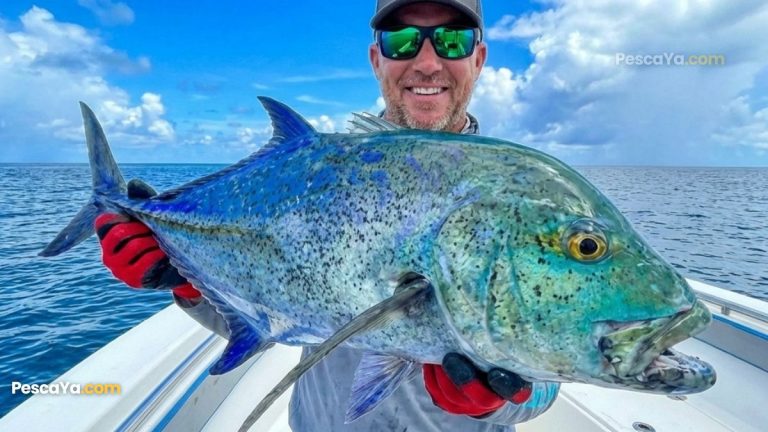
Bluefin Trevally Fishing in Mexico: Spots & Season Guide
Mexico marks the northern frontier of bluefin trevally range in the Eastern Pacific. These fish push up through the...
Read More
->
Cabo San Lucas Fishing Calendar: Best Time to Fish in Los Cabos
One of the most common questions we hear from anglers planning a trip is: when should I go fishing in Cabo? The honest...
Read More
->