Machaca Fishing: The Complete Guide to Central America's Mini Tarpon

machaca on the fly

The surface erupts without warning. A silver flash launches skyward, tail-walking across the water in a display that would make any tarpon angler jealous. But this isn’t the flats of Florida or the rivers of Costa Rica’s Caribbean coast—this is machaca fishing, and you’re about to discover one of Central America’s most exciting and underrated freshwater gamefish.

Machaca offer something rare in the fishing world: explosive topwater strikes, spectacular aerial battles, and willing aggression, all wrapped in a fish that most traveling anglers have never heard of. Whether you’re a fly fishing enthusiast looking for your next challenge or a light tackle angler who lives for surface action, machaca deliver an experience that punches far above their weight class.

In this complete guide, you’ll learn everything you need to know about fishing for machaca—from understanding what makes these fish so special to choosing between premier destinations like Panama and Costa Rica, mastering the techniques that produce consistent strikes, and planning a trip that puts you on the water with these acrobatic fighters.

What Is a Machaca?

Species Overview and Scientific Classification

The machaca belongs to the genus Brycon, a group of freshwater fish found throughout Central and South America. Scientifically known as Brycon guatemalensis, this species ranges from southern Mexico through Panama, inhabiting high-elevation rivers and lakes across Central America. The genus Brycon includes 43 species, though machaca fishing in Central America primarily targets B. guatemalensis and its close relatives.

In Costa Rica, anglers encounter two distinct species: Brycon behreae on the Pacific slope and Brycon costaricensis on the Caribbean slope. Both are commonly called machaca, and while they show slight differences in size and coloration, they behave similarly and respond to the same fishing techniques.

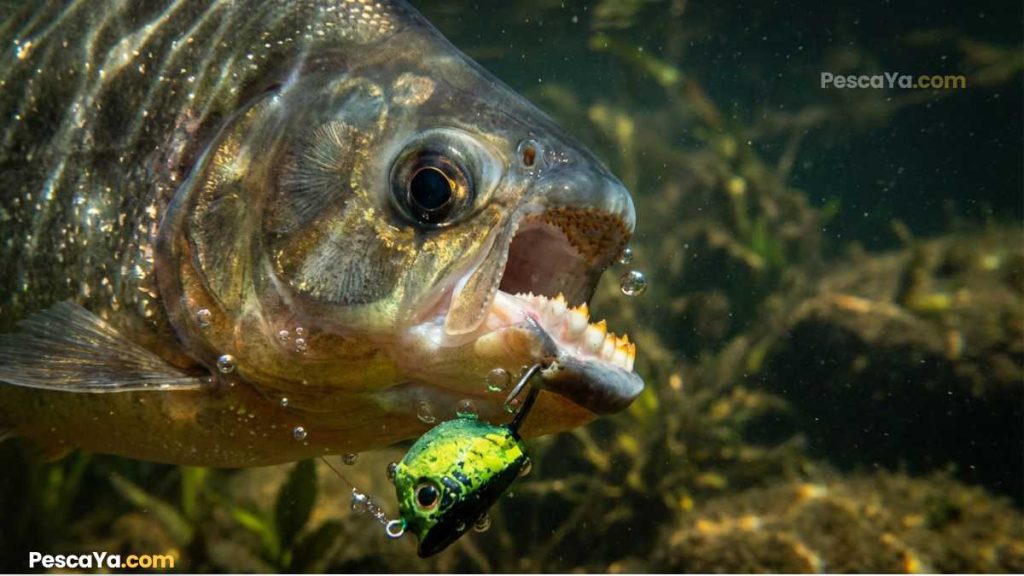
Despite being relatives of the piranha, machaca have evolved into something quite different. While they possess an impressive set of molarlike teeth, these teeth are designed for crushing nuts and seeds rather than tearing flesh. This herbivorous diet as adults creates the unique fishing opportunity that makes machaca so exciting to target.

Panama Canal Tours

Panama Canal Tours

★ 4.9 (17 Reviews)
Gatun Lake
boat 20 ft
Up To 4 People
Trips from
$130
See Availability
Fishing Trip in Lake Gatun

Fishing Trip in Lake Gatun

★ 5 (6 Reviews)
Gatun Lake
boat 27 ft
Up To 4 People
Trips from
$285
See Availability
Panama Fishing Trip - Gatun Lake

Panama Fishing Trip - Gatun Lake

★ 5 (2 Reviews)
Gatun Lake
boat 20 ft
Up To 4 People
Trips from
$210
See Availability

Physical Characteristics and Identification

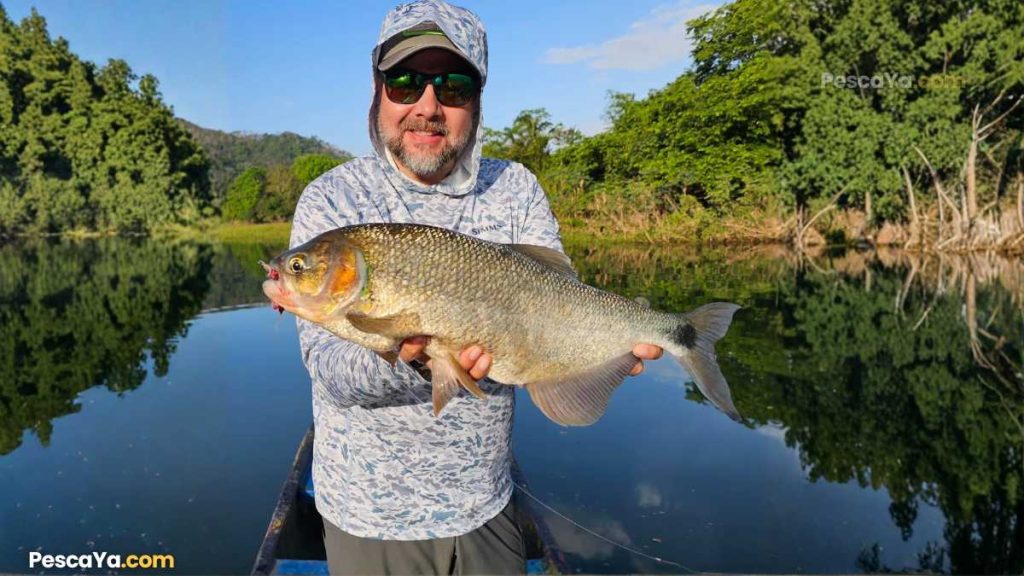
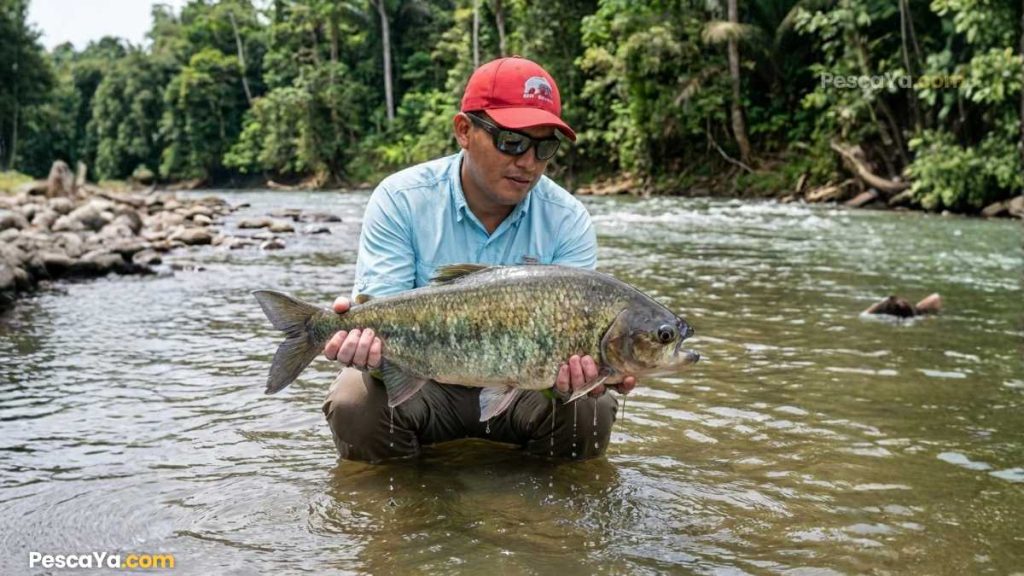
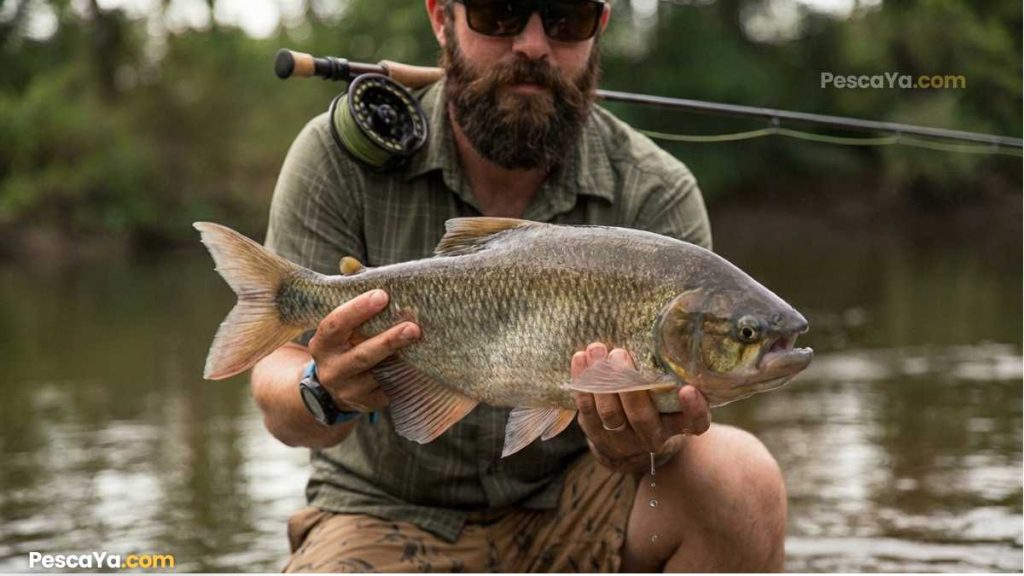
Machaca are strikingly beautiful fish with deep, muscular bodies built for power. Their silver flanks shimmer in the water, often taking on golden or darker bronze hues around the head. Large, prominent scales give them an almost armored appearance, and their broad, powerful tails provide the thrust needed for their signature explosive jumps.

The most distinctive feature of any machaca is its teeth. These molarlike chompers line strong jaws perfectly adapted for crushing the fruits and seeds that fall into their river and lake homes. When you land a machaca, those teeth serve as an immediate reminder to use heavy leader material and handle the fish with care.

Most machaca range from 3 to 6 pounds, with fish over 5 pounds considered quality catches. The species can grow larger, with specimens approaching 10-15 pounds caught occasionally in prime waters like Costa Rica’s Lake Arenal. The current IGFA world record stands at just under 10 pounds, caught in 1991 on Costa Rica’s Caribbean coast, though many vacant record opportunities exist for anglers targeting this species with proper documentation.

Diet and Feeding Behavior

Understanding how machaca feed is crucial to catching them consistently. Juvenile machaca start life as opportunistic predators, eating insects, small fish, and whatever else they can catch. As they mature, however, they transition to a primarily herbivorous diet focused on fruits, seeds, flowers, and plant matter that falls from the rainforest canopy into the water below.

This unique feeding behavior creates one of the most exciting aspects of machaca fishing. These fish have learned to associate the sound of something hitting the water with food, particularly during fruiting seasons when trees like the chilamate on the Caribbean side or espavel on the Pacific drop their bounty into the rivers. Machaca stage under these trees, competing aggressively for each piece of fruit that falls.

For anglers, this means machaca are highly reactionary feeders. They attack surface presentations with reckless abandon, often striking within seconds of a lure or fly hitting the water. This aggressive surface feeding creates visual, exciting fishing where you watch every take happen right in front of you.

pesca de machaca en panama

Why Fish for Machaca?

The “Mini Tarpon” Fight

The nickname “mini tarpon” isn’t hyperbole—it’s an accurate description of what happens when you hook a machaca. The moment the fish feels the steel, it goes airborne in a spectacular display of acrobatics. Multiple jumps are the norm, with fish often launching three, four, or even five times during a single fight.

These jumps aren’t tentative head shakes. Machaca clear the water completely, shaking violently and using every ounce of their powerful bodies to throw the hook. The aerial display, combined with hard runs toward cover and dogged determination, creates a fight that feels much larger than the fish’s actual size.

Even a 4-pound machaca can give you an arm workout and get your adrenaline pumping. They fight smart, running for the nearest structure—whether that’s a submerged log, rock pile, or overhanging branches—forcing you to apply steady pressure while being gentle enough to avoid pulling the hook from their hard mouths.

Topwater Excitement

If you love topwater fishing, machaca will quickly become an obsession. These fish are purpose-built for surface feeding, and they attack poppers, flies, and other topwater presentations with explosive violence. The visual nature of the strikes—watching the water erupt as a machaca crushes your offering—creates an addictive experience that brings anglers back season after season.

Unlike many species that require finesse presentations and subtle retrieves, machaca respond best to aggressive, loud splashes that mimic fruits hitting the water. This means you’re constantly engaged, working your lure actively and staying ready for explosive strikes. There’s no passive waiting—machaca fishing is active, visual, and exciting from first cast to last.

Accessibility for All Skill Levels

One of machaca fishing’s greatest attributes is its accessibility. These fish aren’t particularly shy or leader-wary. They attack lures and flies aggressively, making them perfect targets for beginners who want to experience exciting freshwater action without needing years of experience.

At the same time, machaca present enough challenge to keep expert anglers engaged. Hookup ratios can be frustrating, with anglers often landing only 30-50% of the fish that strike. This creates a numbers game where improving your hookset technique, fly patterns, and presentation can make a real difference in success rates.

The fish are also forgiving in terms of tackle. While there are optimal setups, machaca will eat a wide variety of lures and flies, meaning you don’t need specialized gear to get started. A basic freshwater spinning outfit or a standard fly rod can produce excellent action.

Where to Find Machaca

Geographic Range in Central America

Machaca inhabit freshwater systems throughout Central America, from southern Mexico through Panama. They’re typically found at elevations between sea level and 600 meters, thriving in the warm, oxygen-rich waters of lowland rivers and lakes.

While the species has a broad range, fishing quality varies significantly by location. Some countries have limited public access to prime machaca waters, while others have developed excellent sport fisheries with knowledgeable guides and good infrastructure.

The two premier destinations for machaca fishing are Costa Rica and Panama, each offering distinct advantages for anglers. Both countries provide excellent access to quality machaca populations, experienced guides who understand the species, and the ability to combine machaca fishing with world-class saltwater opportunities.

Habitat Preferences

Understanding where machaca live within a given body of water dramatically improves your success. These fish prefer specific types of structure and cover that provide both feeding opportunities and protection from predators.

Rivers are classic machaca habitat. Look for overhanging trees, particularly those dropping fruits or seeds into the water. Machaca stage underneath these natural feeding stations, waiting for the next meal to fall. Rocky points, creek mouths, and current breaks also concentrate fish, providing ambush points where they can feed efficiently while conserving energy.

In lakes, machaca behavior changes slightly. They still relate to structure—shoreline timber, rocky points, and areas where streams enter the lake—but they roam more freely than their river-dwelling cousins. Lake machaca often grow larger due to more abundant food sources and less energy expended fighting current.

Regardless of whether you’re fishing rivers or lakes, machaca are typically found between 0 and 600 meters elevation, preferring warm water with good oxygen levels and plenty of overhanging vegetation that provides their primary food source.

Prime Machaca Destinations

While machaca are found throughout Central America, three destinations stand out for sport fishing:

Lake Arenal, Costa Rica – Costa Rica’s largest lake produces some of the biggest machaca in Central America. The 33-square-mile reservoir offers excellent fishing from boats, with machaca averaging larger than those found in most rivers. The spectacular backdrop of Arenal Volcano adds to the experience.

Costa Rican River Systems – Rivers like the Sarapiquí, Tenorio, and various Caribbean slope rivers offer classic drift-boat machaca fishing. Floating through jungle while casting to structure creates an immersive experience that combines adventure, wildlife viewing, and excellent fishing.

Bayano River fishing, Panama – Located just two hours from Panama City, the Bayano River system provides accessible, high-quality machaca fishing. The wild setting, surrounded by thick jungle, delivers explosive topwater action with the convenience of being close to the capital.

machaca fishing guide

Panama vs Costa Rica: Which Is Better for Machaca Fishing?

Panama’s Machaca Fishing

Panama offers excellent machaca fishing with some distinct advantages for traveling anglers. The Bayano River system stands as the premier destination, providing wild, jungle-surrounded waters teeming with aggressive fish.

Advantages of Panama:

  • Accessibility: Machaca fishing in Panama is just 2 hours from Panama City, making it easy to combine with travel plans
  • Variety: The same waters hold tarpon, snook, and peacock bass, offering diverse fishing opportunities
  • Less Pressure: Panama’s machaca fisheries see fewer anglers than Costa Rica’s prime spots
  • Year-Round Fishing: While dry season (December-April) is prime, Panama offers productive machaca fishing throughout the year
  • Saltwater Combination: Easy to combine freshwater machaca trips with world-class Pacific or Caribbean saltwater fishing

Panama’s machaca typically run 3-6 pounds, with fish over 5 pounds being quality catches. The fishing style focuses heavily on rivers and river systems, with topwater presentations producing the most exciting action.

Costa Rica’s Machaca Fishing

Costa Rica has long been Central America’s premier machaca destination, with well-developed fisheries and experienced guides who specialize in the species.

Advantages of Costa Rica:

  • Trophy Potential: Lake Arenal produces the largest machaca in Central America, with fish regularly exceeding 6 pounds
  • Variety of Waters: Both rivers and lakes offer excellent fishing with different styles and experiences
  • Guide Expertise: Decades of sport fishing focus means guides are extremely knowledgeable about machaca patterns and techniques
  • Infrastructure: Well-established lodges, shops, and services make trip planning easier
  • Two Species: Anglers can target both Pacific and Caribbean slope machaca species in the same trip

Machaca fishing in Costa Rica offers both river float trips and lake fishing, with the flexibility to choose your preferred style. The dry season (December-April) provides the best conditions, particularly for Lake Arenal, where lower water levels concentrate fish.

Which Destination Is Right for You?

Choosing between Panama and Costa Rica depends on your priorities and travel plans:

Choose Panama if you want:

  • Easy access from Panama City
  • Less fishing pressure and more wilderness feel
  • To combine machaca with Panama’s world-class saltwater fishing
  • A more adventurous, off-the-beaten-path experience

Choose Costa Rica if you want:

  • The best chance at trophy-sized machaca
  • More variety in fishing styles (rivers and large lakes)
  • Extremely experienced guides specializing in machaca
  • Well-developed infrastructure and easier logistics

Both destinations offer excellent machaca fishing, and the “better” choice really depends on your specific goals and travel plans. Many serious machaca anglers eventually fish both countries to experience the different styles and opportunities each provides.

Best Tackle and Techniques for Machaca

Fly Fishing for Machaca

Fly fishing for machaca is incredibly exciting but requires a different approach than traditional trout or bass tactics. The key to consistent success is making loud, aggressive presentations that mimic fruits or seeds hitting the water.

An 8-weight rod is ideal for machaca, giving you enough backbone to turn fish away from structure and to generate the casting power needed for aggressive presentations. A weight-forward floating line handles the large poppers and fruit-imitating flies that produce best.

Fly selection centers around surface presentations. Cork-bodied poppers in green, yellow, and natural colors work exceptionally well, creating the loud “plop” sound that attracts machaca. Some specialized patterns imitate specific fruits like the chilamate, but any popper that makes noise and floats well can produce strikes.

The presentation technique is crucial: you need to slam the fly onto the water as hard as possible. This isn’t delicate dry fly fishing—you want to create a disturbance that sounds like food hitting the water. The aggressive splashdown triggers immediate reactions from nearby machaca.

Leader setup matters due to machaca’s impressive teeth. A 25-pound fluorocarbon leader prevents cutoffs when those molarlike choppers clamp down. Some anglers use poppers with trailing hooks (stinger hooks) to improve hookup ratios on short strikes.

Be prepared for frustrating but exciting hookup rates. Even on excellent days, you might land only 15-20 fish from 50+ strikes. This challenge is part of what makes machaca so addictive—each successful hookset feels like a victory.

Light Tackle Spinning Gear

Spinning gear often produces better hookup ratios than fly fishing while maintaining all the excitement of topwater strikes. Light tackle works best—6-10 pound test line on a medium-light rod gives you the sensitivity to feel takes while retaining enough power to control fish.

Small surface poppers are the most consistent producers. Work them with sharp, erratic pops to create commotion. Machaca rarely need much coaxing—if they’re there, they’ll hit. Gold and silver spinners also work well, as do small crankbaits in natural baitfish colors.

The retrieve is straightforward: keep it moving. Machaca are reactionary feeders, so if you don’t get a strike within the first few twitches, pick up and cast to new water. You’re better off covering structure and searching for active fish than working one spot too thoroughly.

Cast tight to cover—overhanging branches, rocky points, fallen timber. Machaca won’t travel far to chase a lure, so accuracy matters more than distance. Early morning and late afternoon produce the most consistent action, though midday fishing in shaded areas can also be productive.

Lure Selection and Presentation

Regardless of whether you’re using fly gear or spinning tackle, certain principles apply to machaca fishing:

  • Surface presentations work best. Machaca are built to feed on the surface and respond most aggressively to topwater lures and flies.
  • Noise attracts strikes. The louder your lure or fly hits the water, the better. That splash triggers the feeding response machaca have developed for falling fruits.
  • Natural colors produce consistently. Green, yellow, brown, and natural fruit colors work well, though machaca aren’t particularly color-selective.
  • Work fast and cover water. These are reactionary fish. If you don’t get a strike quickly, move on to new targets.

When to Fish for Machaca

Year-Round Opportunities

One of machaca fishing’s greatest advantages is year-round availability. Unlike many freshwater species with narrow seasonal windows, machaca remain active and catchable throughout the calendar in both Panama and Costa Rica.

This doesn’t mean fishing quality is identical every month—seasonal patterns definitely exist—but you can plan a machaca trip any time of year and expect productive fishing. This flexibility makes machaca an excellent target for anglers who can only travel during specific windows or who want to combine machaca with other species that have different peak seasons.

Seasonal Patterns to Know

While machaca fishing works year-round, understanding seasonal patterns helps you optimize your trip timing:

Dry Season (December-April):
The dry season provides the most consistent fishing throughout Central America. Water levels stabilize and clarity improves, making it easier to sight-fish and target specific structure. Weather is typically sunny and pleasant, with minimal rain to interrupt fishing.

In Costa Rica, the dry season is particularly important for Lake Arenal, where lower water levels concentrate fish and improve catch rates. Rivers fish well during this period too, with clear water allowing you to see fish and adjust presentations.

Panama’s dry season aligns with excellent machaca fishing in the Bayano system and other freshwater destinations. The calm, clear conditions make for comfortable days on the water.

Wet Season (May-November):
Don’t write off the wet season. Increased rainfall brings higher water levels and more nutrients into river systems, often triggering excellent feeding activity. Fruits and seeds fall more frequently from rain-soaked trees, and machaca become more active.

The key during wet season is timing fishing around weather patterns. Mornings often provide clear skies and productive fishing before afternoon rains arrive. Some anglers prefer the wet season for lighter pressure and more vibrant jungle environments.

Planning Your Machaca Fishing Trip

Choosing the Right Destination

Your first decision is selecting between Panama, Costa Rica, or potentially exploring lesser-known machaca waters in other Central American countries.

Consider your overall trip goals. If you’re planning a comprehensive Panama fishing adventure that includes offshore marlin, inshore roosterfish, and freshwater species, adding machaca to your itinerary makes perfect sense. The Bayano River is accessible from Panama City, allowing you to experience multiple fisheries without extensive travel.

If trophy-sized machaca are your primary goal and you want the highest probability of landing fish over 6 pounds, Costa Rica’s Lake Arenal should be your destination. The lake consistently produces the largest machaca in Central America.

For the most immersive jungle river experience with excellent wildlife viewing alongside quality fishing, consider Costa Rica’s river float trips or Panama’s Bayano system, both of which offer that classic rainforest fishing adventure.

Booking Guides and Tours

Machaca fishing is possible independently if you have local knowledge and your own boat, but booking with experienced guides dramatically improves success rates. Local captains know exactly where fish are holding, which presentations are working, and how to navigate river systems or large lakes safely.

Look for guides who specialize in freshwater fishing and have specific machaca experience. These aren’t always the same captains running offshore marlin trips—freshwater fishing requires different knowledge and equipment.

Most machaca trips are offered as half-day (4-5 hours) or full-day (8 hours) excursions. Half-day trips work well for sampling the fishery or combining with other activities. Full-day trips provide the best chance at sustained action and allow exploration of multiple spots if fishing is slow in one area.

Pricing varies by destination and boat size but generally ranges from $250-500 for half-day trips and $400-800 for full-day excursions. Most trips include all tackle, lunch on full-day trips, and transportation from nearby lodges or meeting points.

To explore available options and compare pricing, browse fly fishing in Panama guides and tour operators who offer machaca-specific trips.

What to Expect on the Water

A typical machaca fishing day starts early, with departure at sunrise to take advantage of the morning feeding period. Your guide will navigate to prime areas—overhanging trees, creek mouths, rocky points—where machaca are most likely to be staging.

Expect an active style of fishing. You’ll be casting constantly, working structure methodically, and staying alert for explosive strikes. The visual nature of topwater fishing means you’ll watch every take, making for exciting, engaging action even when hookup rates are challenging.

Be prepared for spectacular jumps and hard fights. Even smaller machaca will test your tackle and give you memorable battles. The fish are fragile and don’t handle stress well, so quick releases are important for conservation.

Most machaca trips take place in stunning settings—jungle rivers surrounded by rainforest, lakes with volcano backdrops, or wild river systems where wildlife sightings are common. The fishing is exciting, but the overall experience of being in these environments adds another dimension to the adventure.

Frequently Asked Questions

Most machaca range from 3-6 pounds, with fish over 5 pounds considered quality catches. The species can reach 10-15 pounds in prime waters, particularly Costa Rica's Lake Arenal, which consistently produces the largest specimens. The current IGFA world record stands at just under 10 pounds, though many believe larger fish exist in less-pressured waters.

Machaca are aggressive feeders that readily strike topwater lures and flies, making them accessible to anglers of all skill levels. However, hookup ratios can be challenging, with anglers often landing only 30-50% of the fish that strike. The fish jump frequently and have hard mouths, both of which contribute to lost fish. This challenge is part of what makes machaca fishing so engaging.

While machaca are edible, they're not generally considered excellent table fare and have numerous small bones. Most anglers practice catch-and-release to preserve the fishery and because machaca don't survive stress well. If you do keep a few, they can be prepared in soups or cooked whole, but they're not the primary reason people target this species.

The IGFA all-tackle world record machaca weighed 9 pounds, 8 ounces and was caught in 1991 on Costa Rica's Caribbean coast. However, the IGFA recently opened the genus Brycon for record consideration, and many vacant record opportunities exist across different line classes and tippet categories for anglers who properly document their catches.

No specialized gear is required to start machaca fishing. A basic freshwater spinning outfit with 6-10 pound line works well, as does a 6-8 weight fly rod with floating line. The key is using heavy leader material (20-25 pound fluorocarbon) due to machaca's sharp teeth. Small surface poppers for spinning gear or cork-bodied poppers for fly fishing are the most essential items.

One last cast

Machaca fishing offers something truly special—explosive topwater strikes, spectacular aerial battles, and accessible action in some of Central America’s most beautiful settings. These scrappy fighters deserve far more attention than they currently receive from traveling anglers.

Ready to experience the thrill of machaca fishing? Explore detailed destination guides for machaca fishing in Panama and machaca fishing in Costa Rica to start planning your adventure. The jungle rivers are calling, and those surface explosions are waiting.

Whether you choose the wild rivers of Panama’s Bayano system or the trophy potential of Costa Rica’s Lake Arenal, machaca fishing delivers an experience that will have you planning your return trip before you even leave. The combination of aggressive feeding behavior, visual strikes, and acrobatic fights creates addictive fishing that appeals to anglers of all skill levels.

Quiere seguir leyendo?