
Grouper Fishing: Species, Tactics & Top Spots (2026)

Hook a good grouper and you’ll feel it instantly: a heavy, head-shaking lunge straight back toward the reef. Win that first ten seconds and the fish is yours. Lose it, and you’re breaking off against the rocks, shaking your head, reeling up a frayed leader.

That raw power is exactly why anglers fall for grouper. They’re not glamorous like a leaping sailfish, but pound for pound they bully you harder than almost anything that swims near structure. They’re also some of the best eating fish in the ocean, which doesn’t hurt.

Grouper live across the world’s tropical and subtropical seas, from the Gulf of Mexico to the Caribbean to the Eastern Pacific. This guide covers what every angler should know: the main species, how and where to catch them, the best time of year, and yes, whether they’re worth taking home for dinner.

To catch grouper, drop live bait or a metal jig beside reef, wreck, or rocky bottom, lock your drag down, and turn the fish before it reaches its hole. You don’t need a big-game budget either: half-day charters that target grouper start around $350 in Central America, and the fish bite year-round.

What Is a Grouper?

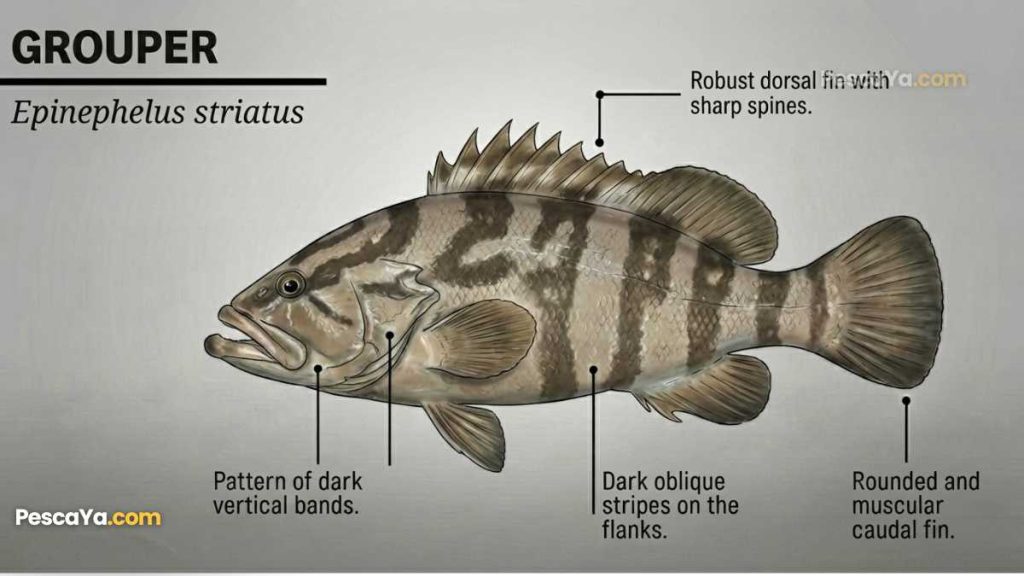
anatomy of a grouper fish

Grouper are stout, big-mouthed members of the sea bass family that live close to structure: reefs, rock piles, ledges, wrecks, and offshore pinnacles. They’re ambush predators. Instead of chasing prey across open water, they hang tight to cover and inhale anything that swims too close with a sudden, vacuum-like gulp.

That body plan explains their fighting style. A grouper’s whole game is to bolt back into its hole the moment it feels the hook. Big ones can wedge themselves so deep into the reef that no amount of pressure pries them loose. The fight is short, brutal, and decided fast.

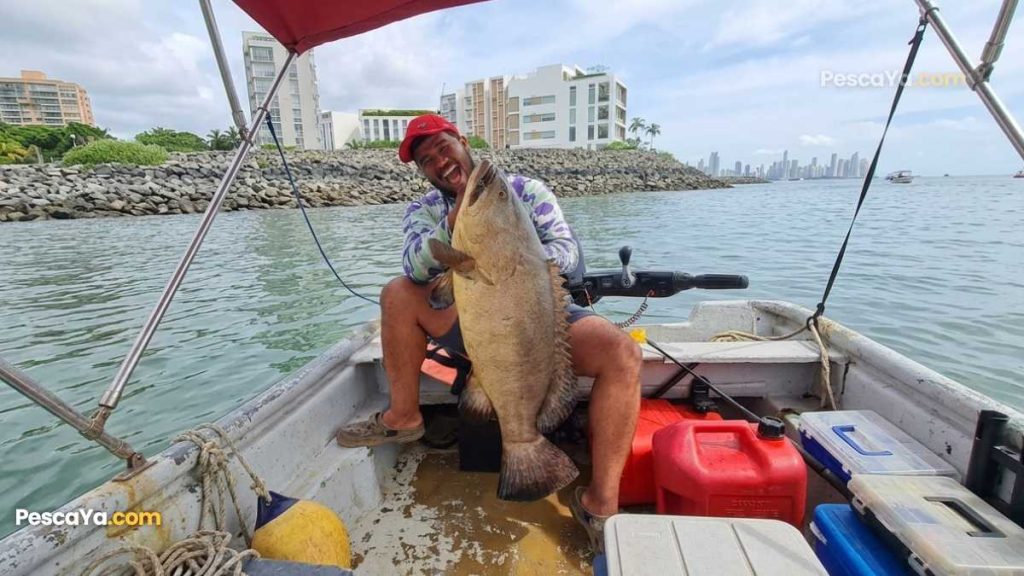
Sizes run the full range. Smaller reef grouper might weigh a few pounds, while goliath grouper can top several hundred. Most “good” grouper an angler targets sit somewhere in between, in that 10-to-80-pound window where they’re strong enough to test your gear but still landable on rod and reel.

Types of Grouper You Can Catch

There are dozens of grouper species worldwide. A handful matter most to anglers, and which ones you meet depends on where you fish.

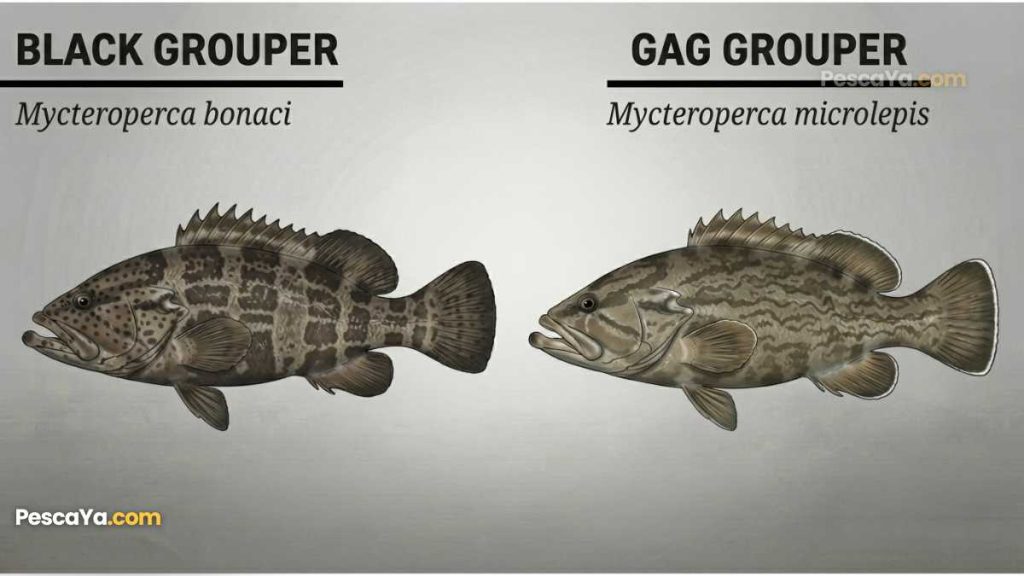
Gag, red, and black grouper

The classics of the Gulf of Mexico and the U.S. southeast Atlantic. Gag and black grouper are prized light-tackle and trolling targets, while red grouper are bottom-fishing staples. Seasons and bag limits are tightly regulated, so always check current rules before you keep one.

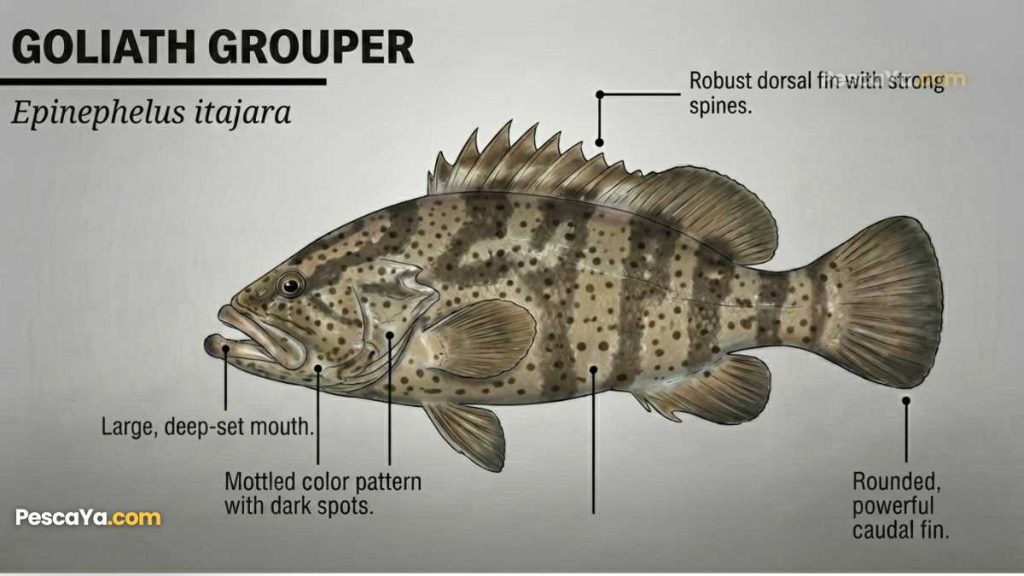
Goliath grouper

The giant of the family. Both the Atlantic and the Pacific have their own goliath, and these fish can exceed several hundred pounds. Even a “small” one feels immovable. Goliath are best treated as a catch-photo-release trophy. They grow slowly and reproduce late, so releasing them keeps the population healthy.

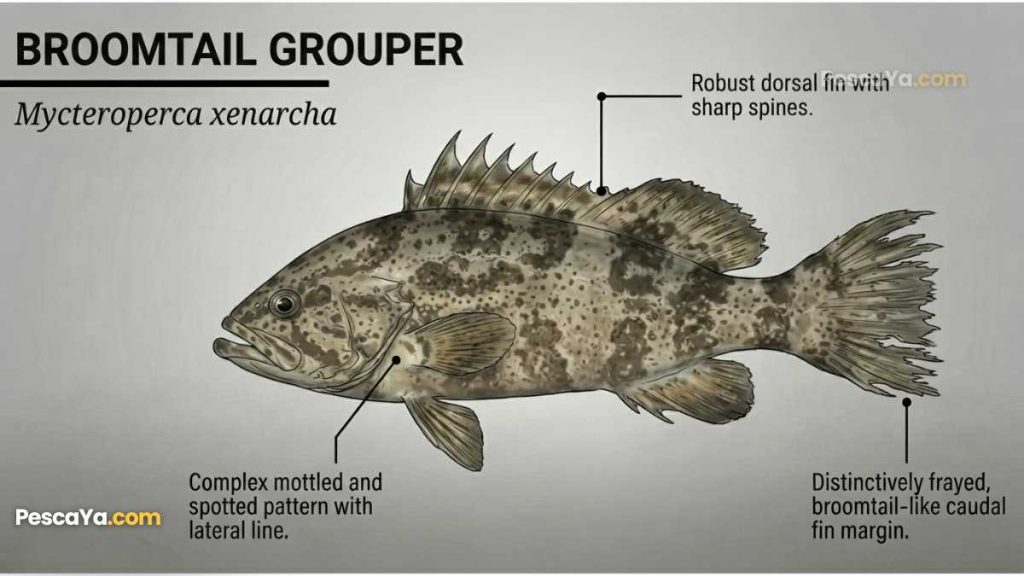
Broomtail grouper

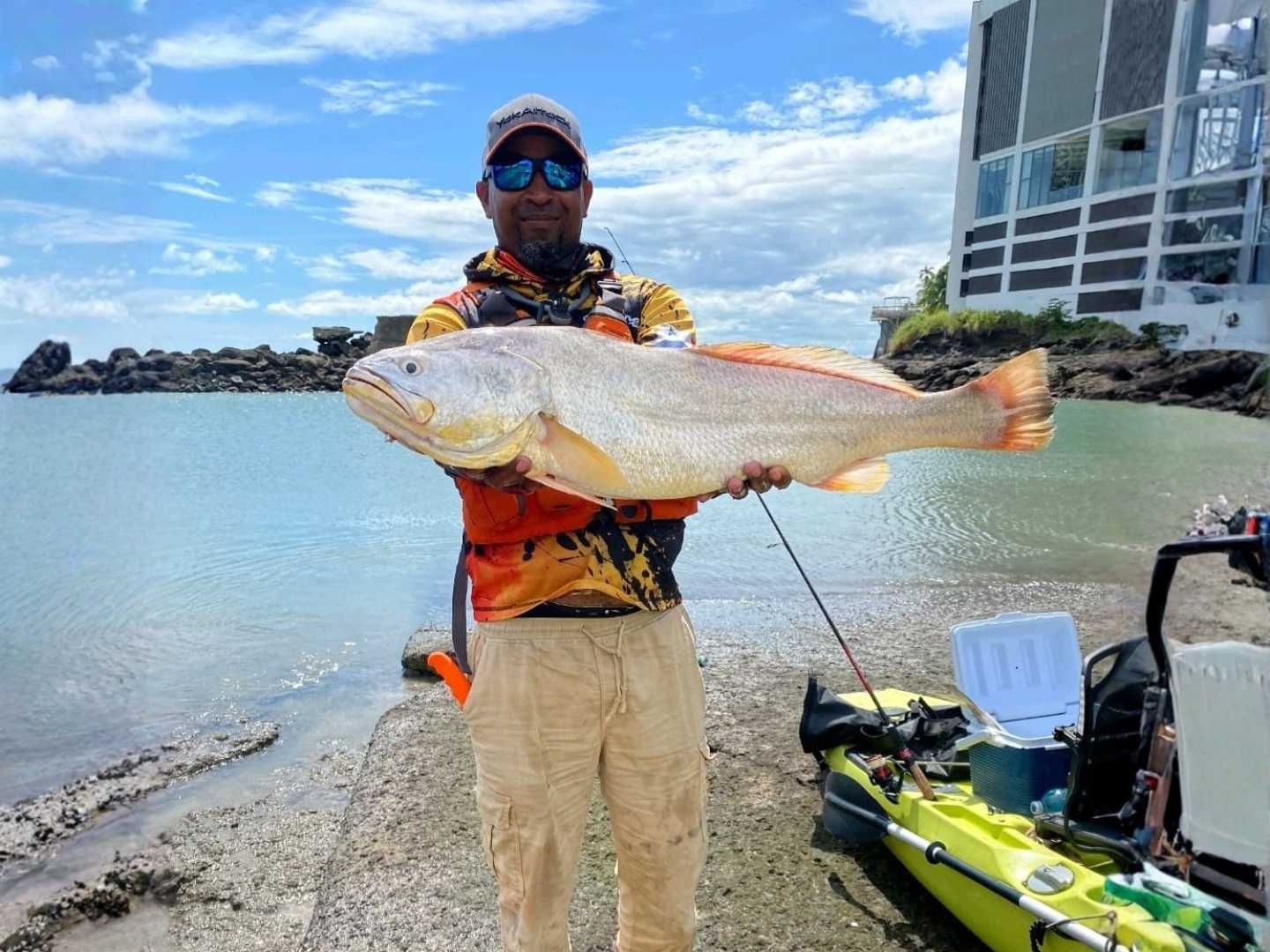
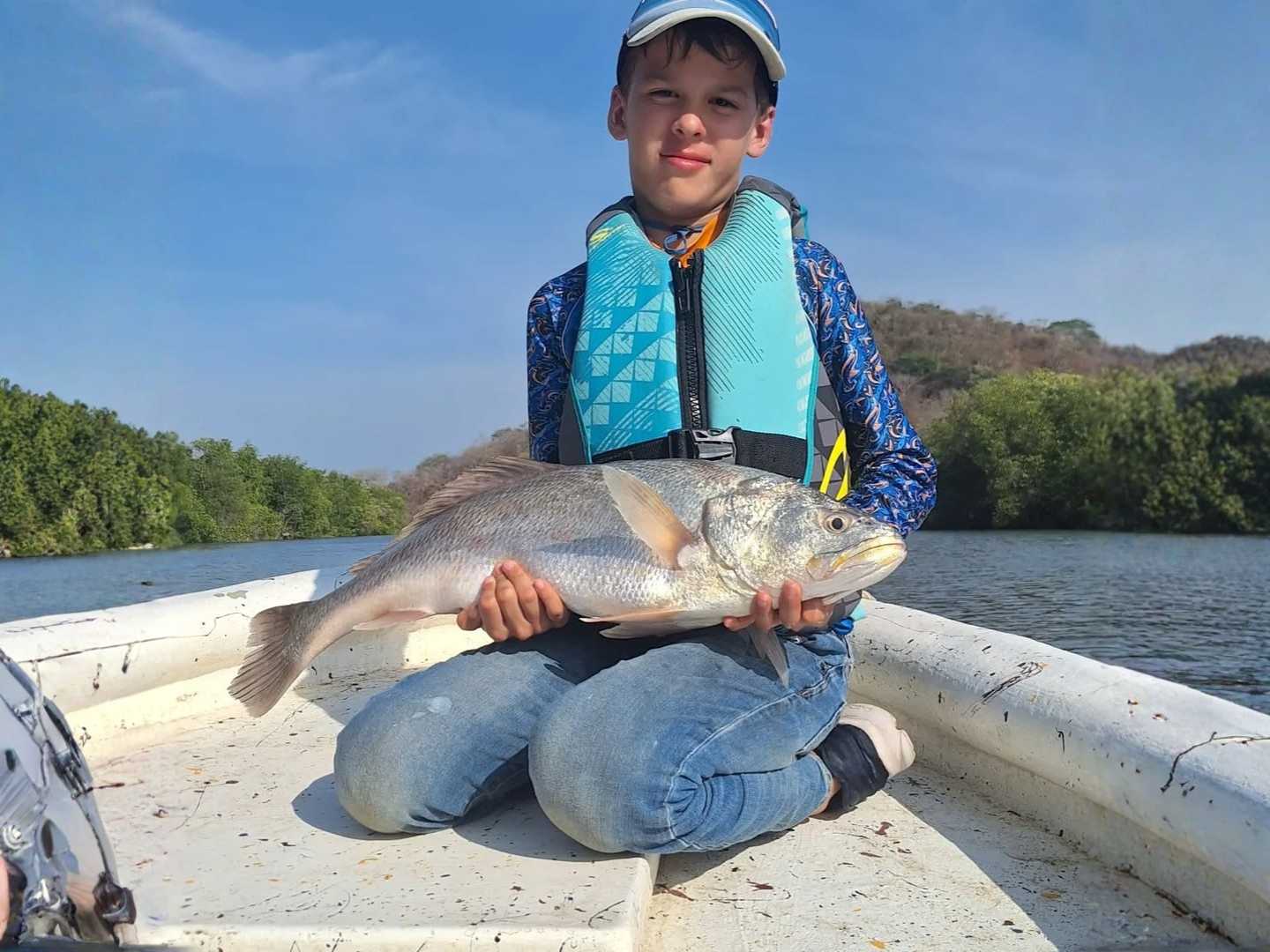
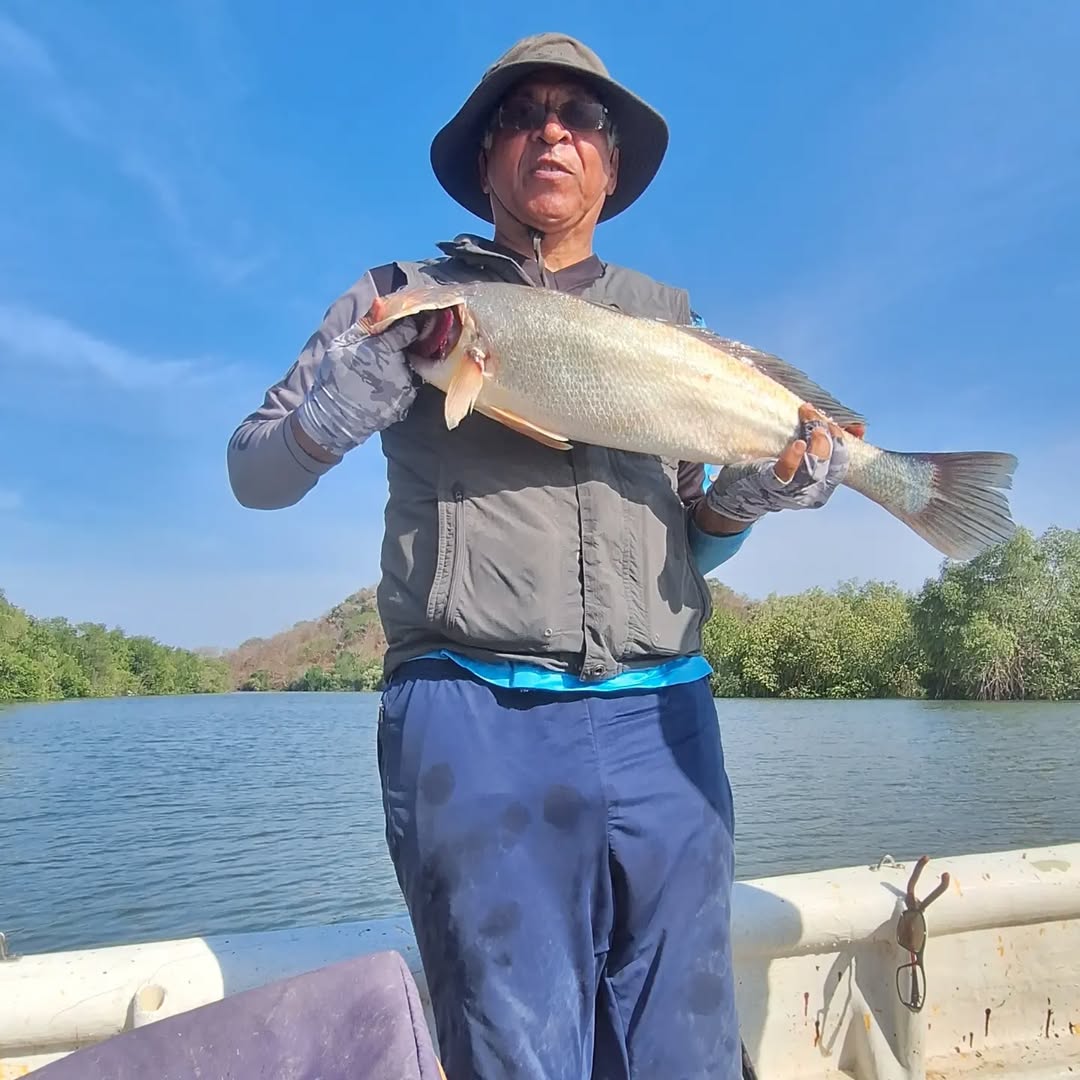
The workhorse of the Eastern Pacific. Named for the ragged, broom-like edge of its tail, it haunts inshore reefs, rocky points, and even brackish estuary mouths from Mexico down through Central America. Broomtails commonly run 20 to 60 pounds and pull like freight trains. For ID marks on Eastern Pacific species, the catalog at Mexican Fish is a handy reference.

Brown, leopard, and gulf grouper

Round out the cast across both coasts. They share the same structure-loving habits and make excellent table fare in the smaller sizes.

Where to Catch Grouper

Grouper follow structure, not borders. You’ll find them anywhere reefs and rock meet warm water. Here are the regions anglers travel for.

Gulf of Mexico and the U.S. Southeast

Florida, the Gulf, and the Carolinas are grouper strongholds, with deep ledges and artificial reefs producing gag, red, and black grouper. It’s heavily fished and heavily regulated, so know the seasons.

The Caribbean and Bahamas

Coral reefs throughout the Caribbean and Bahamas hold a colorful mix of grouper, often within easy reach of shore. Great for anglers who want reef action without long offshore runs.

The Eastern Pacific: Central America

This is where grouper grow huge and pressure stays light. The Pacific coasts of Panama, Costa Rica, and Mexico drop fast into deep, nutrient-rich water studded with islands and pinnacles, and that’s prime grouper habitat.

Panama in particular is a standout. The Coiba archipelago, surrounding islands like Montuosa and Ladrones, and the famous Hannibal Bank hold big grouper tight to deep structure, and the reefs of the Gulf of Chiriquí deliver outstanding mixed bottom fishing year-round. Costa Rica’s southern Pacific and the waters off Mexico’s Baja and mainland coasts round out a region where a single drop can produce a fish of a lifetime.

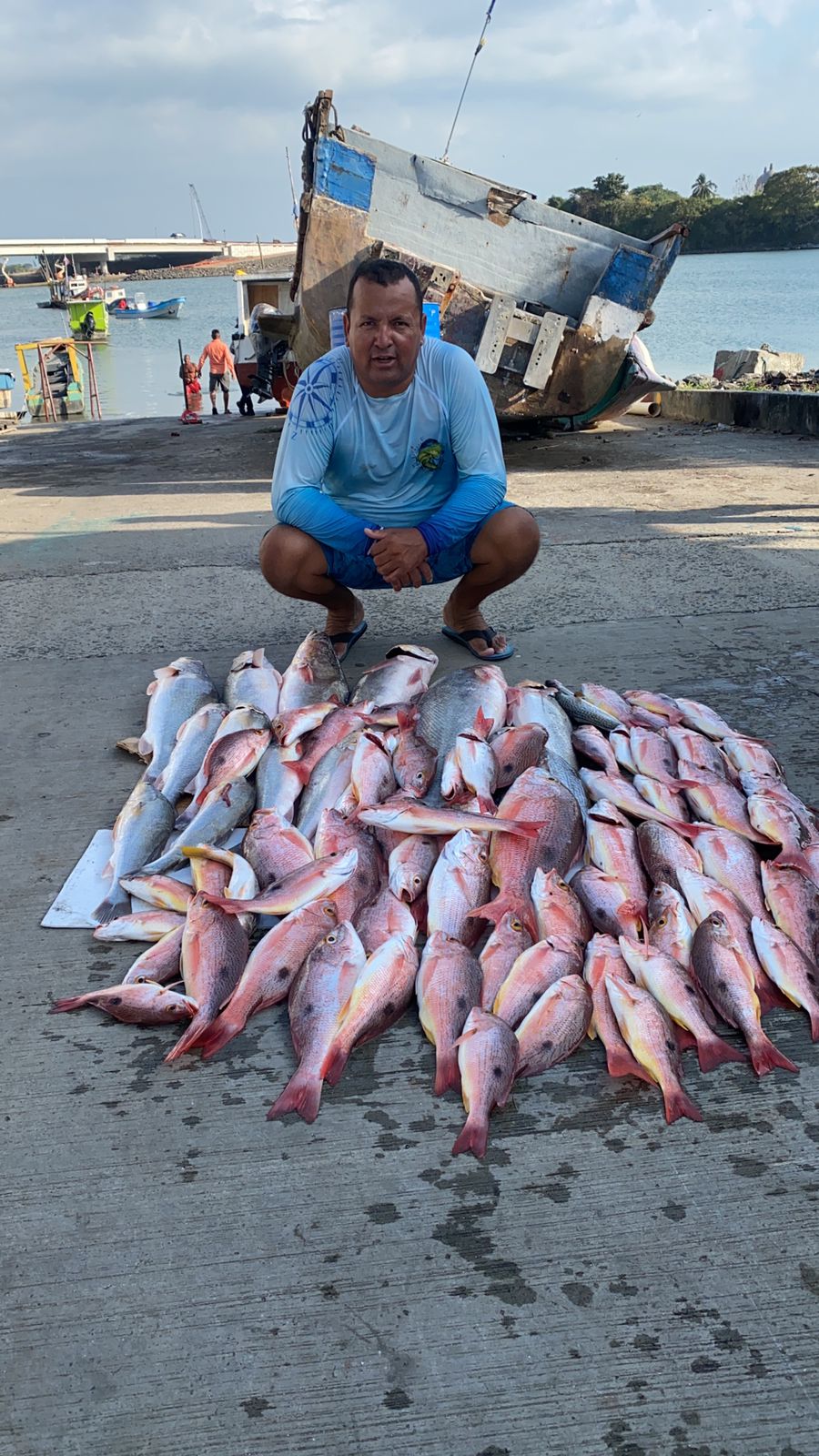
So what does a grouper trip actually cost? At the entry level, half-day bottom-fishing charters out of Panama City start around $350, and captains there regularly put clients on dozen-fish grouper and snapper mornings. At the other end, a solo angler reported on The Hull Truth in March 2025 paying $3,750 for an all-inclusive week on Panama’s Azuero coast: six nights, five days of panga fishing, food and lodging included. His two honest caveats are worth passing on — pangas are effective but offer no shade, and most Panama operations quote per boat for two or more anglers, so solo travelers should confirm the rate before booking.

If you’re planning a trip, browse fishing tours in Panama and Costa Rica, and pair your grouper fishing with our cubera snapper guide, since the two species share the same reefs.

Charters · Panama Fishing charters in Panama Coiba, Gulf of Chiriquí and Hannibal Bank · bottom fishing trips See charters →

How to Catch Grouper: Proven Tactics

Catching grouper is less about finesse and more about winning the battle for structure. Here’s what works anywhere they swim.

Bottom fishing with live bait

The classic approach. Drop a live bait, a blue runner, a small bonito, or a fresh strip, down to the reef and hold on. Grouper rarely nibble; they commit. The instant you feel weight, lock up and crank hard to lift the fish away from the rocks before it can dig in. Hesitate and you’ll lose it.

The rig most veterans reach for is a knocker rig: the sinker slides right down to a 7/0 or 8/0 circle hook, with as much lead as it takes to hold bottom. Anglers on r/saltwaterfishing add two details that separate the guys who land fish from the guys who donate tackle: run the hook through the bait’s eyes, and drop it just beside the structure rather than on top of it, so the fish has to leave home to eat. One more warning from that thread that rings true — 15 pounds of drag “isn’t a lot” for grouper. If your reel can’t lock down harder than that, size up.

Slow-pitch and vertical jigging

Jigging has exploded in popularity, and for good reason. Working a metal jig along deep pinnacles tempts grouper that won’t move far for a bait. It’s an active, addictive way to fish, and deadly over the kind of deep structure you find off Central America.

Tackle that turns fish from the reef

Whatever your method, bring enough gear. Grouper fishing is a tug-of-war, so heavy bottom fishing outfits, strong braided line, and tough fluorocarbon leaders are non-negotiable. Set your drag high. The goal is to stop the fish cold in those first critical seconds, not wear it down over a long fight.

Book now

Grouper fishing charters in Panama

When Is the Best Time to Catch Grouper?

Most U.S.-focused guides will tell you spring is the season, because Gulf grouper feed hard after their winter spawn. That’s true in Florida — and mostly irrelevant everywhere else. Because grouper live on structure rather than migrating like pelagics, the real question isn’t “when do they bite” but “when can you reach them, and when are you allowed to keep them.”

Region Peak window What actually decides it
Gulf of Mexico & U.S. Southeast May–Dec (varies by species) Regulated seasons — FWC rules (myfwc.com) close gag and several Gulf grouper Feb 1–Mar 31 beyond 20 fathoms; Atlantic red grouper runs May 1–Dec 31 with a 20-inch minimum and 3-fish aggregate limit
Caribbean & Bahamas Nov–May Calm dry-season weather; Nassau grouper is protected in much of the region, so check local rules
Eastern Pacific (Panama, Costa Rica, Mexico) Dec–Apr, with fish biting year-round Dry-season seas make far offshore banks reachable, and the Jan–Apr upwelling that cools the Bay of Panama reliably fires up the bottom bite

In the tropics the limiting factor is weather, not biology: calm, dry months make it easier to reach the far banks and pinnacles where the biggest fish live. Many anglers plan a mixed trip around those months, with pelagics like dorado and tuna up top and grouper waiting on the reef below.

Ready to feel that pull toward the reef? Book a grouper fishing charter in Panama with local captains — half-day and full-day trips, running year-round.

Frequently Asked Questions

Excellent. Grouper has firm, white, mild flesh that holds up to almost any cooking method, which is a big reason it's prized on menus worldwide. Smaller and mid-sized grouper are the best eating. With very large tropical reef fish, ask your local captain about ciguatera, a naturally occurring concern in some reef predators, before keeping one.

It depends on the species. Common reef grouper top out in the tens of pounds, broomtails commonly reach 40 to 60 pounds, and goliath grouper can exceed several hundred. Most anglers land fish in the 10-to-80-pound range.

Live bait is king. Blue runners, small bonito, and other live reef fish are hard to beat. Fresh dead baits and strips also produce, and metal jigs worked along deep structure have become a go-to for active anglers.

In many places, yes, and it's strongly encouraged everywhere. Goliath grouper grow slowly and are vulnerable to overfishing, so the ethical move is a quick photo and a careful release. They're a trophy to admire, not a fish for the cooler.

Last Cast

Grouper reward anglers who come prepared: know your species, fish the right structure, bring tackle that can turn a fish, and pick a season that fits your goals. And if you want size with light fishing pressure, it’s hard to beat the Eastern Pacific.

Ready to feel that reef-bound lunge for yourself? Browse our grouper fishing charters and explore tours across Central America to find the trip that puts you right on top of the structure where the big ones live. Tight lines.

Quiere seguir leyendo?