Snapper · Roosterfish
.png)
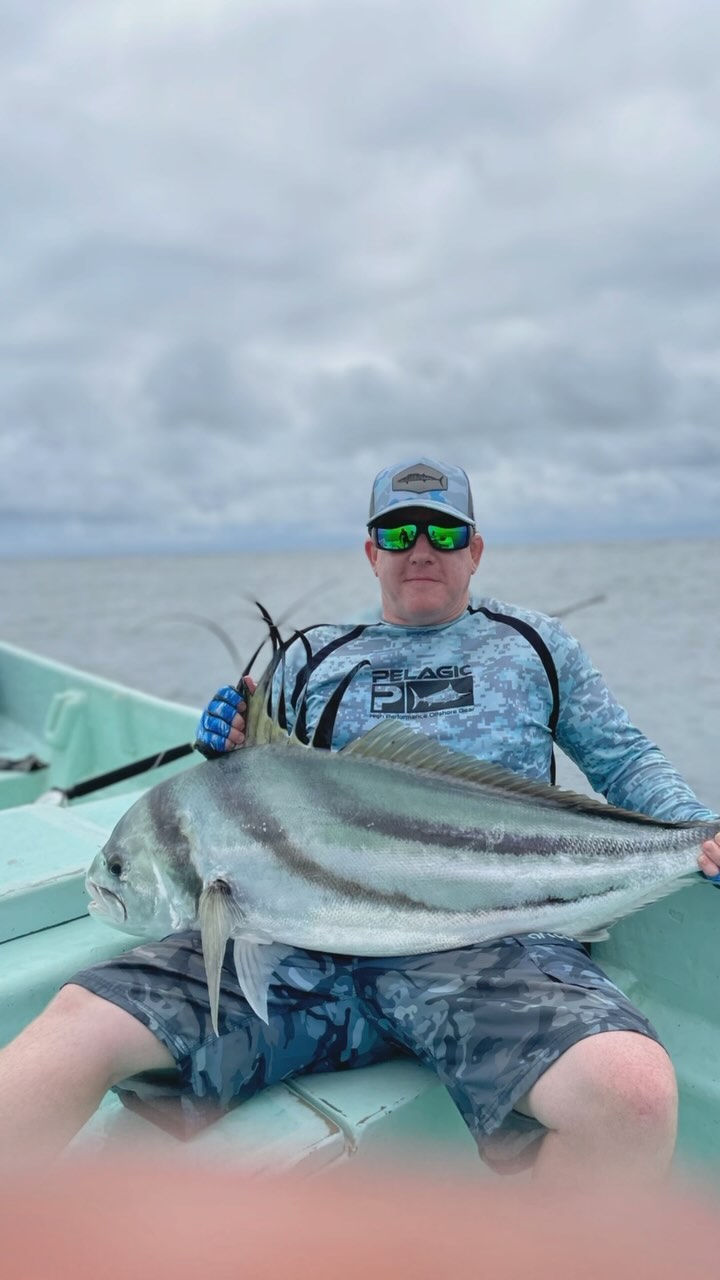



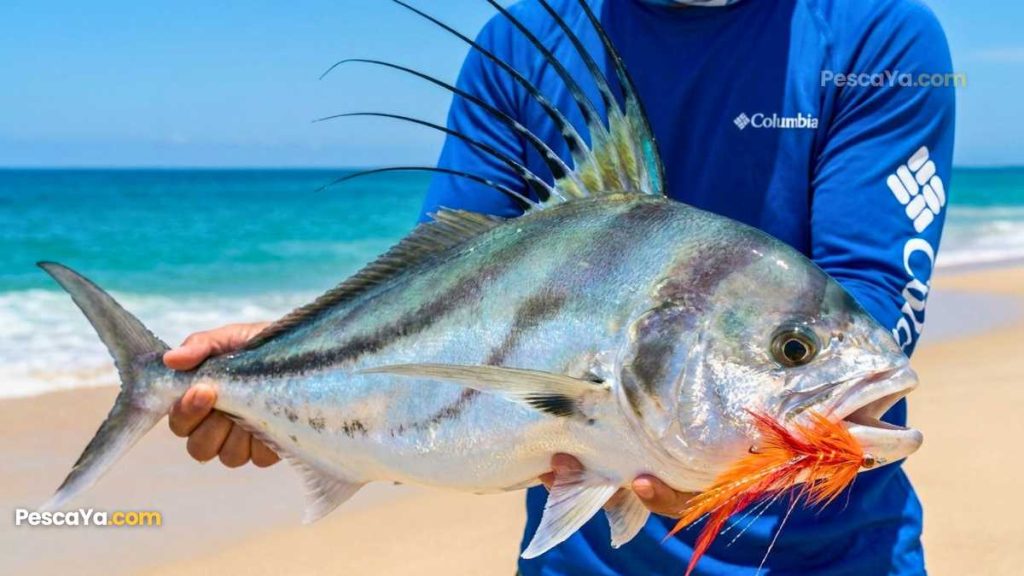
There’s a moment every roosterfish angler talks about — the one where a 40-pound fish comes rocketing out of the surf, dorsal comb standing tall, charging your lure like it owns the beach. If you’ve seen it, you understand why anglers travel thousands of miles to the Pacific coast of Central America just for a shot at this species.
Roosterfish are one of the most visually striking game fish in the ocean. They’re also one of the most challenging. They’ll refuse a perfect presentation, then demolish a sloppy one. They’ll tail along the shoreline in ankle-deep water one minute and disappear into the depths the next. Part of what makes them so addictive is that they keep you guessing.
This guide covers everything you need to know: what roosterfish are, where they live, when to target them, and how to actually put one on the end of your line. Whether you’re planning your first roosterfish trip or refining your approach, you’ll find what you’re looking for here.
The roosterfish (Nematistius pectoralis) is the only species in the family Nematistiidae — a true one-of-a-kind fish with no close relatives in the ocean. It’s found exclusively in the Eastern Pacific, which is part of what makes it so sought-after. You can’t catch a roosterfish anywhere else in the world. No Indo-Pacific. No Atlantic. No Mediterranean. Just the warm, clear waters stretching from Baja California down to Peru.
The name says it all. The roosterfish’s most recognizable feature is a set of seven long, dramatically elongated dorsal spines — the “comb” — that fan out when the fish is excited, threatened, or charging prey. When a roosterfish locks onto your lure and raises that comb, you’ll know exactly what you’ve hooked before you even feel the weight of it.
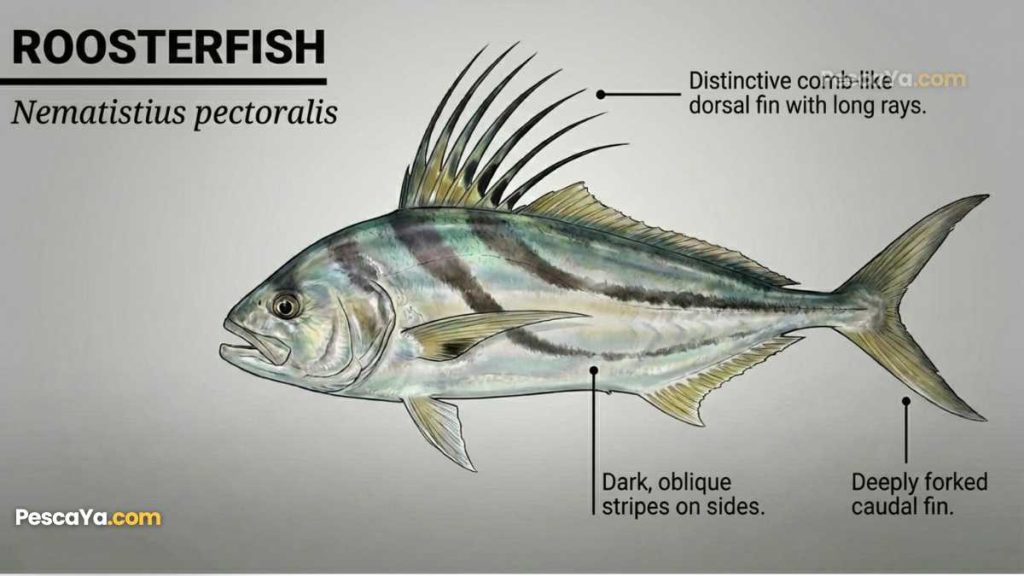
Scientists believe the comb plays a role in social signaling among the species — a display of dominance or a warning to rivals. For anglers, it doubles as the most thrilling visual strike indicator in saltwater fishing. There’s nothing quite like watching that comb break the surface as the fish charges toward your topwater lure.
Most roosterfish you’ll encounter in Panama and Costa Rica run in the 20 to 50-pound range, though fish over 80 pounds are caught regularly in prime locations. The IGFA all-tackle world record stands at 114 pounds, caught in La Paz, Baja California, Mexico in 1960 — a mark that has held for more than six decades, which tells you something about how difficult it is to land one of the truly giant specimens.
What makes roosterfish so demanding on tackle isn’t just their size. It’s the combination of an explosive, head-shaking first run and the kind of raw endurance that can outlast lighter gear. They don’t give up easily. Even a 25-pound fish in the surf can take 20 minutes to land if you’re underprepared. Respect them accordingly.
Roosterfish are catch-and-release in virtually all serious sport fishing destinations. They’re not a commercial target, and the fishing community in Panama and Costa Rica strongly supports releasing them to protect breeding populations. Most guides won’t even bring a net — they prefer a quick lip-grab at the boat, a few seconds for a photo, and then back they go.
Roosterfish hug the coast. Unlike pelagic species that roam open water, roosterfish are structure-oriented fish — they patrol rocky points, beach breaks, reef edges, and the areas around islands where baitfish concentrate. They’re often found in surprisingly shallow water, sometimes just a few feet deep along the beach, which makes them uniquely accessible to anglers fishing from shore or small pangas.
Their range spans from the Baja Peninsula in Mexico south through Central America to Peru, but the most consistent, trophy-class fishing is concentrated in two countries. Panama and Costa Rica are widely regarded as the top roosterfish destinations on the planet — a combination of the right structure, the right bait, and the right water conditions. Explore all available species on PescaYa’s roosterfish species page for more on how they’re targeted across different destinations.
Panama is consistently rated among the best roosterfish fisheries in the world, with the Pacific coast offering an enormous variety of terrain — from rocky island chains to sandy beach breaks to exposed points with heavy baitfish concentrations.
The Gulf of Chiriquí in the Chiriquí province is one of the top roosterfish spots anywhere. The gulf’s combination of rocky islands, strong currents, and abundant blue runners creates ideal conditions for large roosterfish to concentrate and feed. Our Gulf of Chiriquí fishing guide covers the area in detail, including what else you can target while you’re there.
Cambutal on the Azuero Peninsula is another world-class option — a quieter, more remote stretch of Pacific coast with beach fishing that produces excellent roosterfish action, particularly for anglers who enjoy sight casting to tailing fish in the surf. Check our Cambutal fishing tours page for trip options in the area.
Pedasí and the surrounding waters near Isla Iguana offer great roosterfish fishing in a more accessible setting, with the option to combine it with offshore species in the same trip. Roosterfish fishing in Panama is well-established, and PescaYa’s local guides know exactly where to find them at different times of year.
Costa Rica’s Pacific coast is legendary for roosterfish, particularly along the Osa Peninsula, the Gulf of Nicoya, and the northern Guanacaste coast. Quepos and the areas around Manuel Antonio are popular starting points, while Drake Bay and Puerto Jiménez on the remote Osa Peninsula are where serious roosterfish hunters go for trophy-class fish in a truly wild setting.
The Flamingo area in Guanacaste offers consistent action in calmer, more accessible waters and is a good option for anglers combining a beach vacation with a fishing trip. For a deep dive into the Costa Rica fishery, our roosterfish in Costa Rica guide covers the best locations, seasons, and local tactics in detail. And if you’re planning a broader Costa Rica fishing trip, the fishing in Costa Rica page has everything you need.
The good news: roosterfish are available year-round in Panama and Costa Rica. The less good news: conditions vary significantly, and some months are dramatically better than others.
Peak season runs from December through April, which coincides with the dry season in Central America. During this window, winds are calmer, seas are flatter, and visibility is excellent — ideal conditions for sight casting to cruising fish along the beach and for working topwater lures with precision. This is when roosterfish are most predictable and most accessible, and when the largest fish tend to be most active.
September and October offer a useful secondary window. The rainy season is winding down, water temperatures are at their warmest, and there tends to be less fishing pressure than during peak months. Some guides consider October the best month for trophy-class fish, as the combination of warm water and recovering baitfish populations concentrates big roosterfish close to shore.
May through August is the heart of the rainy season. Roosterfish are still present, but rougher seas make beach fishing and sight casting much harder. If you’re combining roosterfish with offshore species like yellowfin tuna or dorado, the rainy season can still produce excellent results — the offshore fishery is often at its peak when the roosterfish bite is toughest.
There’s no single “right” way to target roosterfish. Successful anglers use everything from live bait to poppers to trolling, depending on conditions, location, and what the fish are keying on that day. Here are the three main approaches.
Live bait is the most consistently effective method for roosterfish, and experienced guides on the Panamanian and Costa Rican coast swear by it. Blue runners (known locally as cojiníúa) are the go-to bait across most of the fishery — they’re the right size, they swim actively, and roosterfish absolutely eat them. Lookdowns are another top option where they’re available, particularly along beach environments.
The technique is straightforward: drift or anchor near structure, free-line a live blue runner with as little weight as possible, and let the bait swim naturally near the surface. When a roosterfish picks it up, give it a moment before setting the hook hard. The fish will often run short distances before committing — resist the urge to set too early.
Live bait fishing from a panga drifting parallel to the beach, with the guide maneuvering to keep the bait in the strike zone, is how most guided roosterfish trips operate in Panama. It’s highly effective and produces consistent action even on tougher days.
For sheer excitement, nothing beats catching a roosterfish on topwater. Poppers and stickbaits fished along the beach produce some of the most explosive strikes in all of sport fishing — a roosterfish charging a surface lure at full speed, comb raised, is an image that stays with you.
Sight casting to tailing or cruising fish along the beach is the ultimate roosterfish challenge. You need accurate casts, the right retrieve speed, and nerves of steel when the fish locks on and follows without striking. Walk-the-dog retrieves with stickbaits and aggressive popping cadences tend to work best, though you’ll often need to experiment until you find what the fish want on a given day.
Trolling hard lures along reef edges and rocky points is a productive alternative when fish aren’t visibly working the surface. Keep speeds moderate — roosterfish aren’t marlin and don’t need you to burn across the water. A slow, deliberate troll that keeps the lure in the strike zone longer is generally more effective.
Match your tackle to the size of fish you’re targeting and the terrain you’re fishing. For most roosterfish applications, a medium-heavy spinning or conventional setup in the 30 to 50-pound class is ideal. Heavy braid — 40 to 65 lb — gives you the sensitivity to feel the bite and the backbone to turn a running fish before it finds structure.
Leader material matters. Use 60 to 80 lb fluorocarbon — stiff enough to resist abrasion from rocks and reef, light enough not to spook fish in clear water. Unlike wahoo or king mackerel, roosterfish have no significant teeth, so wire is unnecessary and will reduce your bite rate noticeably.
For topwater work, a fast-action spinning rod in the 7’6″ to 8’6″ range gives you the casting distance to reach fish tight to the beach from a panga without spooking them. For live bait, a slightly more moderate action helps absorb the initial head shake and keeps the hook pinned.
Book your trip
.jpg)
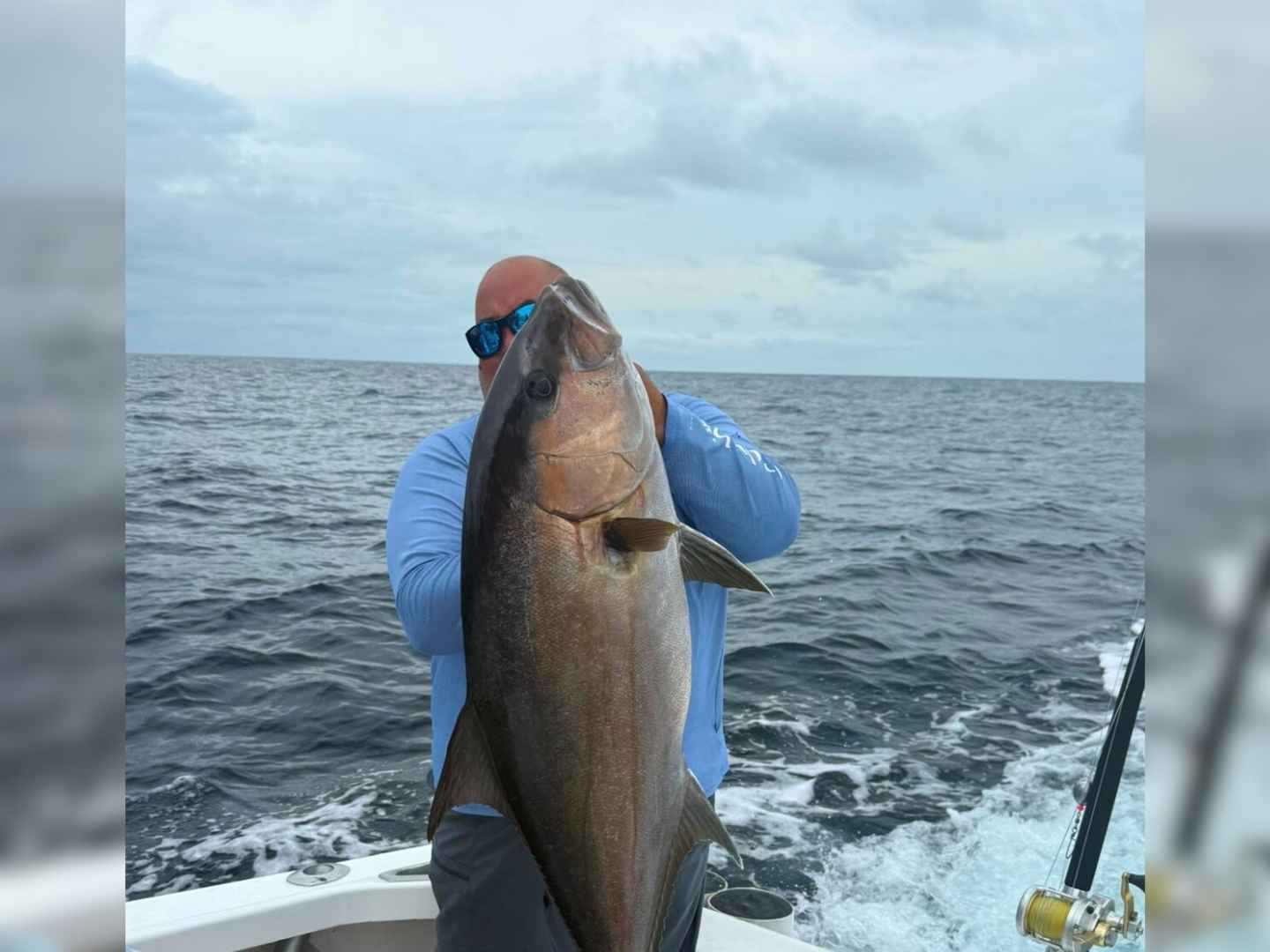
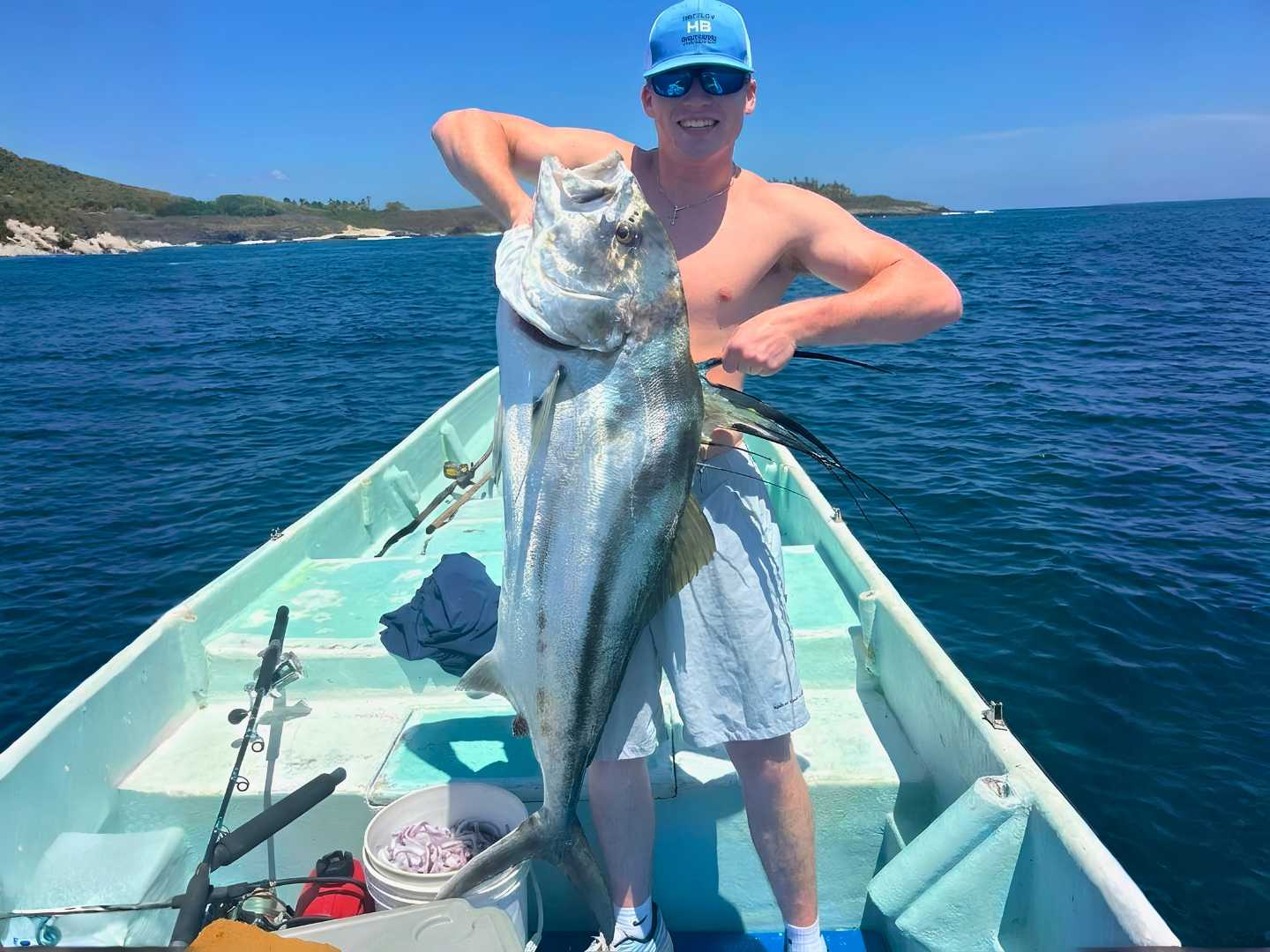
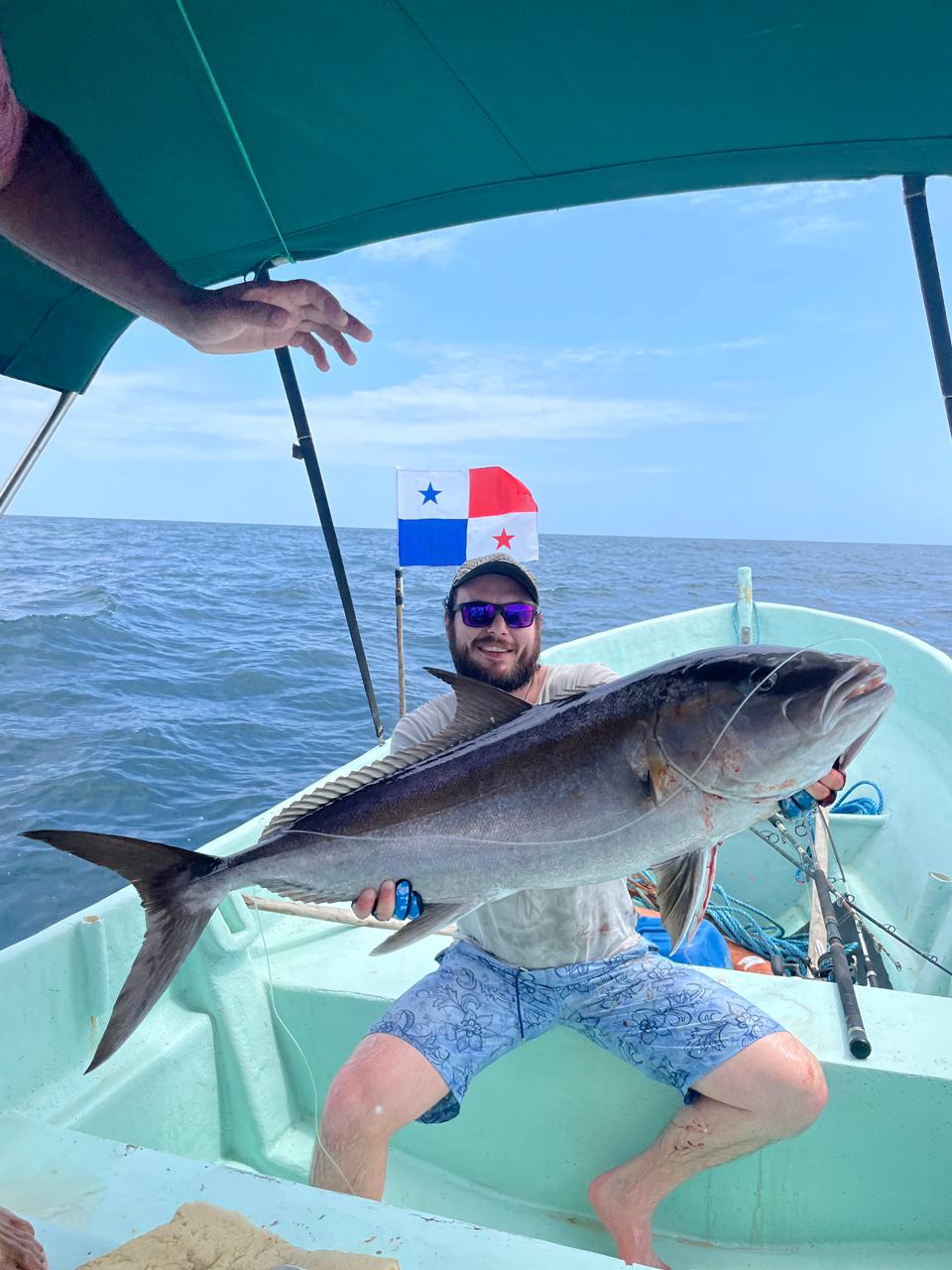
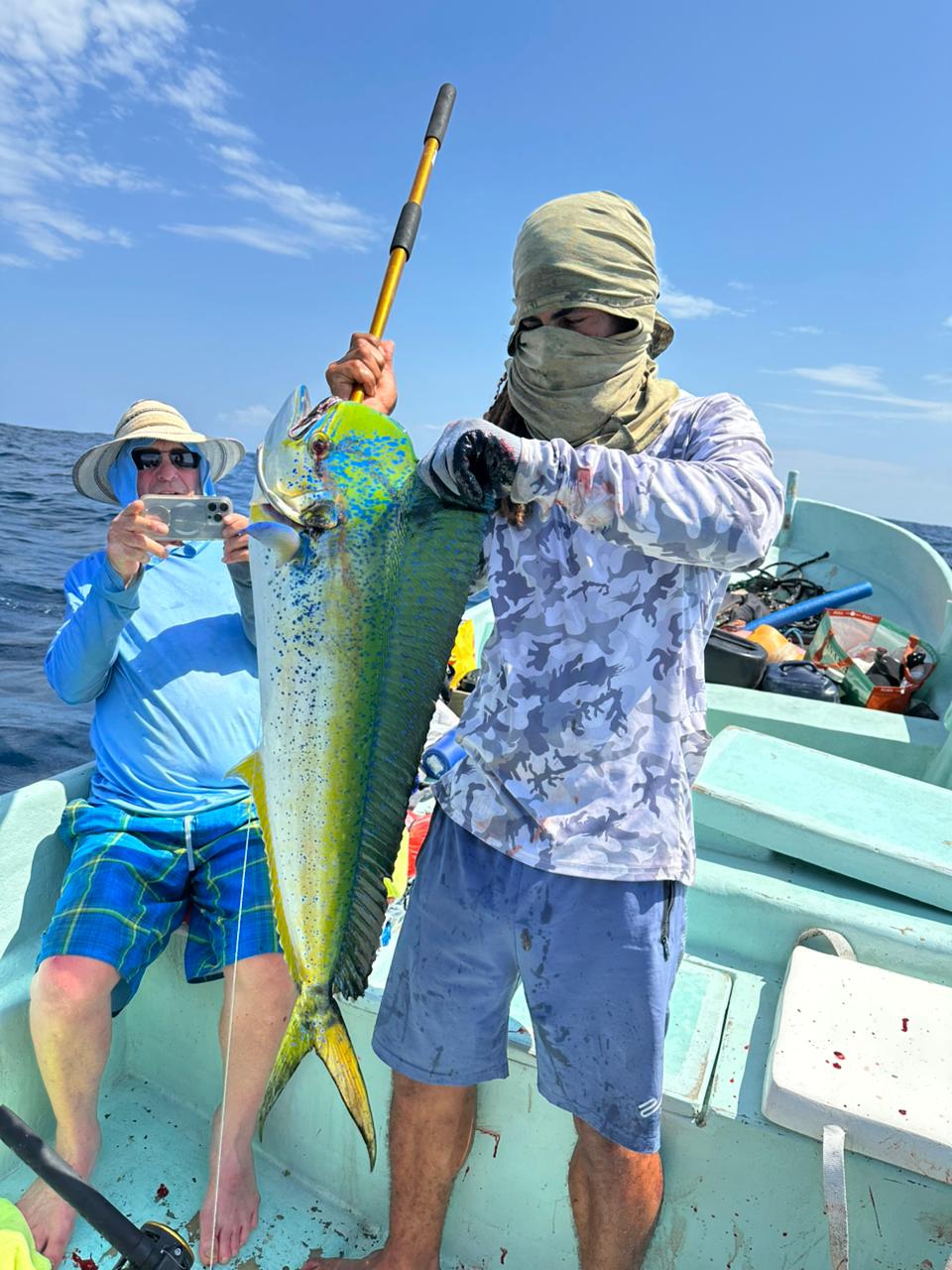
Most roosterfish caught in Panama and Costa Rica weigh between 20 and 50 pounds, but fish over 80 pounds are not uncommon in prime locations like the Gulf of Chiriquí. The IGFA world record is 114 pounds, though fish of that size are genuinely rare. A 40-pound roosterfish is a trophy-class fish by any measure.
Technically yes — roosterfish have firm, white, mild-flavored flesh. In practice, virtually all roosterfish caught in sport fishing destinations are released. They’re not commercially harvested, and the fishing community strongly supports catch-and-release to protect the population. If you’re looking for a fish to eat, your guide will be happy to direct you toward snapper, grouper, or dorado on the same trip.
No. Despite sharing similar habitat and occasionally being found in the same waters, roosterfish are completely unrelated to billfish. They belong to their own unique family, Nematistiidae, and are more closely related to jacks than to any billfish species.
Live blue runners are the gold standard across most of the roosterfish’s range. Where they’re available, lookdowns are equally effective. For artificial lures, large topwater poppers and stickbaits in the 5 to 7-inch range produce excellent results, particularly during peak season when fish are active near the surface.
Not strictly, but it makes a significant difference. Roosterfish behavior is highly location-dependent — knowing which beaches hold fish at which tides and times of year is knowledge that takes years to accumulate. A good local guide will put you on fish consistently in a way that’s nearly impossible to replicate on your own, especially on a short trip.
Roosterfish are everything a sport fish should be — spectacular to look at, demanding to catch, and found in some of the most beautiful coastline in the world. Whether you’re sight casting poppers along a remote Panamanian beach or drifting live bait in the Gulf of Chiriquí, the experience is unlike anything else in saltwater fishing.
December through April is prime time, Panama and Costa Rica are the destinations, and blue runners are your best friend. Everything else is details — details a good local guide will handle for you.
If you’re ready to go, browse PescaYa’s fishing tours in Panama to find roosterfish charters with guides who know this fishery inside and out. We’ll match you with the right trip for your dates, your target size, and your fishing style.
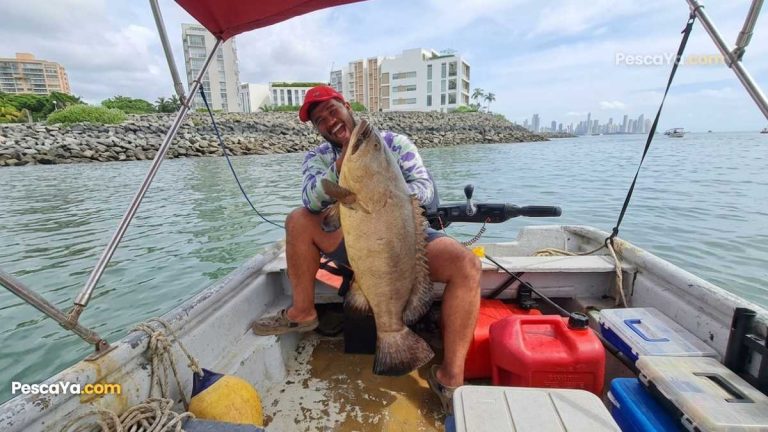
Grouper Fishing: Species, Tactics & Top Spots (2026) Hook a good grouper and you’ll feel it instantly: a...
Read More
->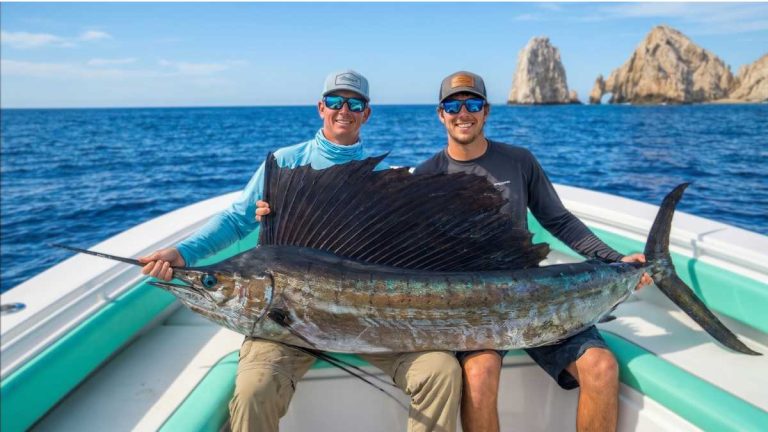
Sailfish Fishing: Complete Guide for Anglers (2026) The bite comes out of nowhere. One second the teaser is working the...
Read More
->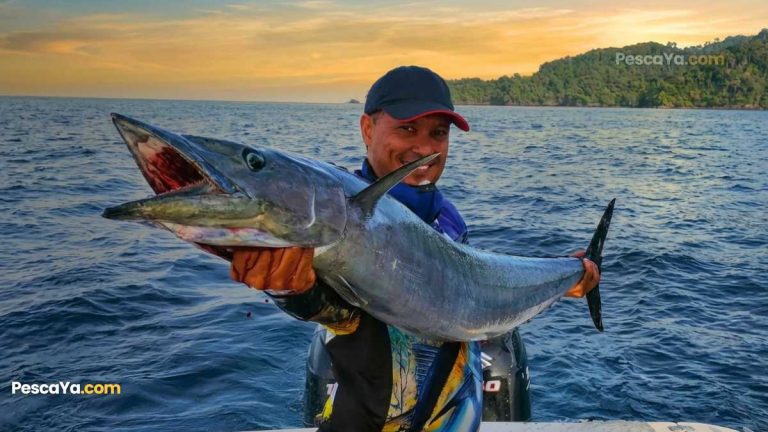
The name “wahoo” didn’t come from a map, a language, or a scientist. It came from an angler. Specifically, from...
Read More
->