Hannibal Bank Fishing: Species, Seasons & How to Book

hannibal bank fishing in panama

The run out from the Isla Parida lodges takes about 90 minutes. By the time you reach the bank, the frigate birds are already working — circling high above the water in tight formations. Below them, porpoises. Below the porpoises, yellowfin tuna exploding on the surface in what locals call a frenzy. And before you’ve even set a line, you already know this place is different.

Hannibal Bank is the most famous offshore fishing landmark in Panama, and arguably one of the best big-game spots in the entire Pacific. Located in the Gulf of Chiriquí in western Panama, it draws black marlin, blue marlin, sailfish, and cow-sized yellowfin tuna from the open ocean — year after year, season after season. Anglers who’ve fished it once almost always come back.

This guide covers everything you need to plan a Hannibal Bank fishing trip: what species you’ll find and when to target them, how the fishing actually works, and how to get there whether you’re departing from Chiriquí or Santa Catalina.

What Is Hannibal Bank?

A Mesa in the Middle of the Pacific

Hannibal Bank is a large seamount sitting at the southern edge of the Gulf of Chiriquí, roughly 40–50 miles from the Panamanian coast depending on your departure point. It was first charted in 1914 by the USS Hannibal, a U.S. Navy survey ship conducting depth soundings in preparation for the opening of the Panama Canal — which is how it got its name.

The bank spans about five miles east to west and two miles north to south. What makes it extraordinary is the topography: the ocean floor rises from several thousand feet on the southern side all the way up to a wide, mesa-shaped plateau, with individual peaks coming within just 120 feet of the surface. That dramatic underwater geography is the key to everything that makes Hannibal Bank so productive.

Why the Fishing Is World-Class

The secret is the Humboldt Current. This powerful underwater current flows north along the west coast of South America, carrying cold, nutrient-rich water directly into the Gulf of Chiriquí. When it hits the seamount, it creates an upwelling — cooler water pushed from the ocean floor to the surface. That upwelling triggers a chain reaction: phytoplankton blooms, baitfish accumulate, and predators follow.

The peaks of the bank also serve as natural cleaning stations — areas where large pelagic fish congregate to have parasites removed by smaller cleaner fish. The combination of abundant bait and cleaning activity means marlin, tuna, and sailfish are drawn to Hannibal Bank on a consistent, year-round basis. Multiple IGFA world records have been set in these waters. That’s not an accident.

What Fish Can You Catch at Hannibal Bank?

Black Marlin — The Main Event

Black marlin are the species most associated with Hannibal Bank, and with good reason. They’re present year-round, but there are two distinct peak windows. December through March brings active, acrobatic fish that are hungry and willing. Then August and September deliver something else entirely: the arrival of the big female black marlin. These fish average around 500 lbs and some tip the scales past 800 lbs. If landing a true trophy marlin is on your list, this two-month window is when you want to be on the water.

Blue Marlin and Sailfish

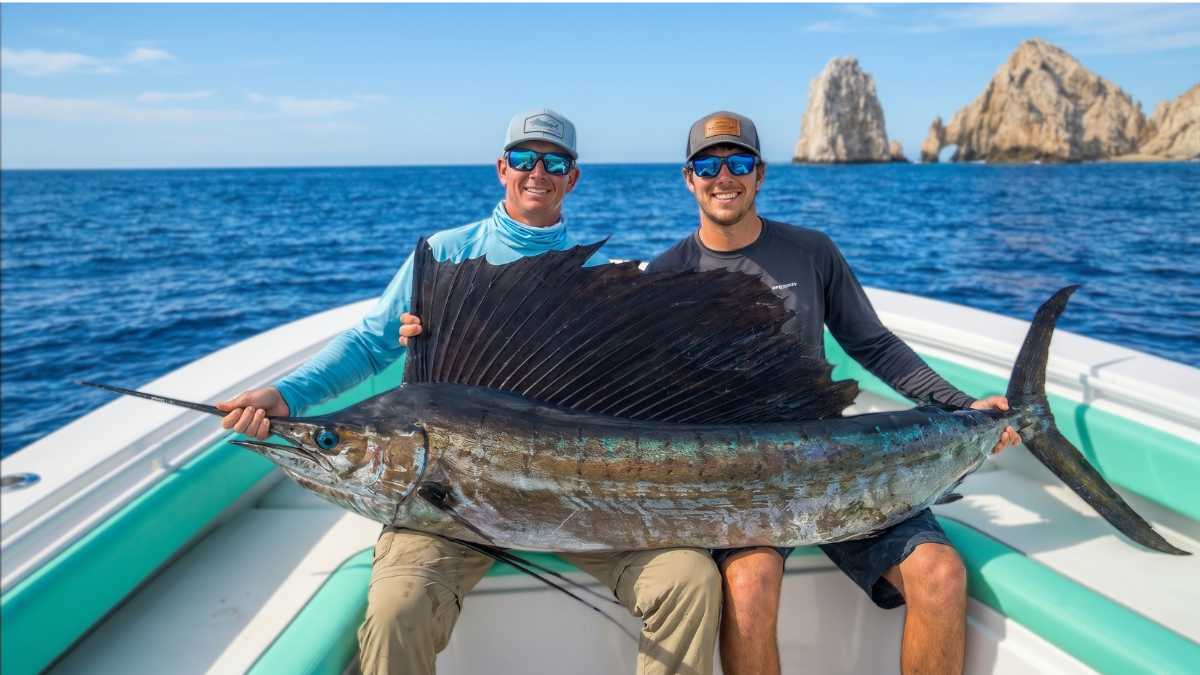
Blue marlin and Pacific sailfish run strongest from January through March. During this window, it’s not uncommon to raise multiple blues in a single day — a combination you’d struggle to replicate almost anywhere else in the world. Sailfish add high-flying acrobatics to the spread, and with their relatively fast action you can find yourself in multiple hook-ups in a single morning. It’s no wonder the Gulf of Chiriquí competes every season for the title of the best marlin fishery in Panama.

Yellowfin Tuna — The Frenzies Are Real

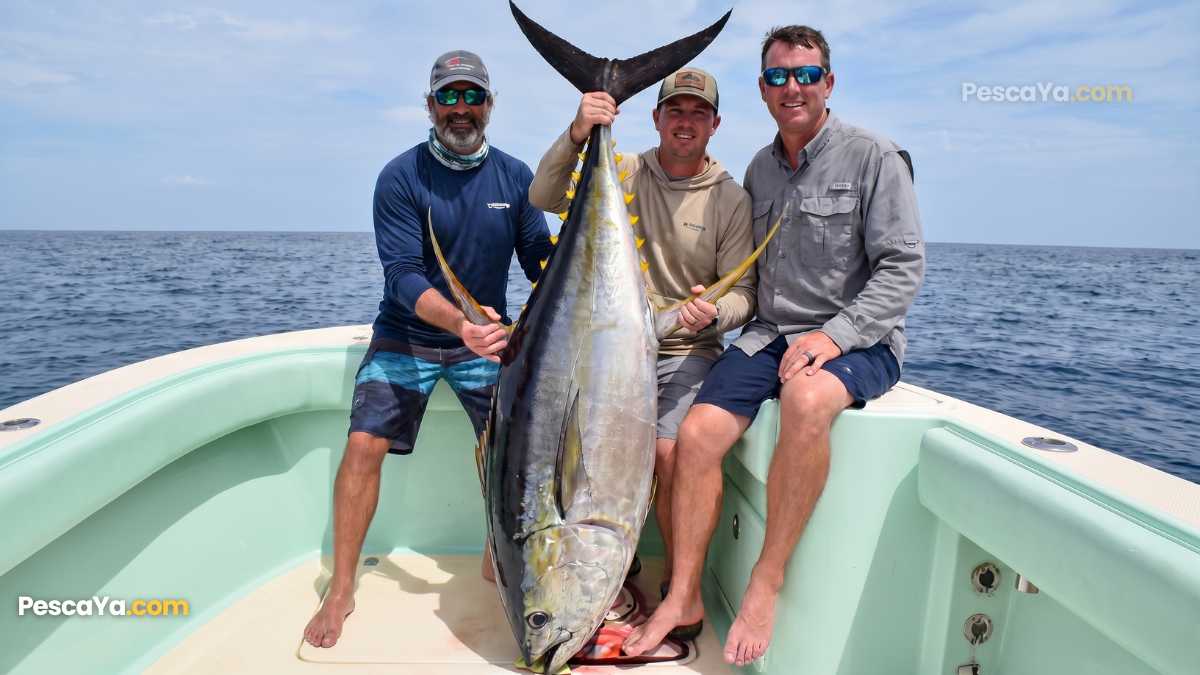
Yellowfin tuna are present at Hannibal Bank year-round, but two moments stand out. The first is the May–June cow tuna season, when large female yellowfin move into the area. These fish are significantly bigger than your average schoolie — deep, heavy, and powerful in a way that earns a different kind of respect than billfish. The second is the tuna frenzy phenomenon: massive schools boiling on the surface, often surrounded by porpoises and diving birds. When you encounter one of these on the run out, you drop what you’re doing and fish it. Cast a popper or pitch a live bait — the bite is immediate.

Dorado, Wahoo, and the Bonus Species

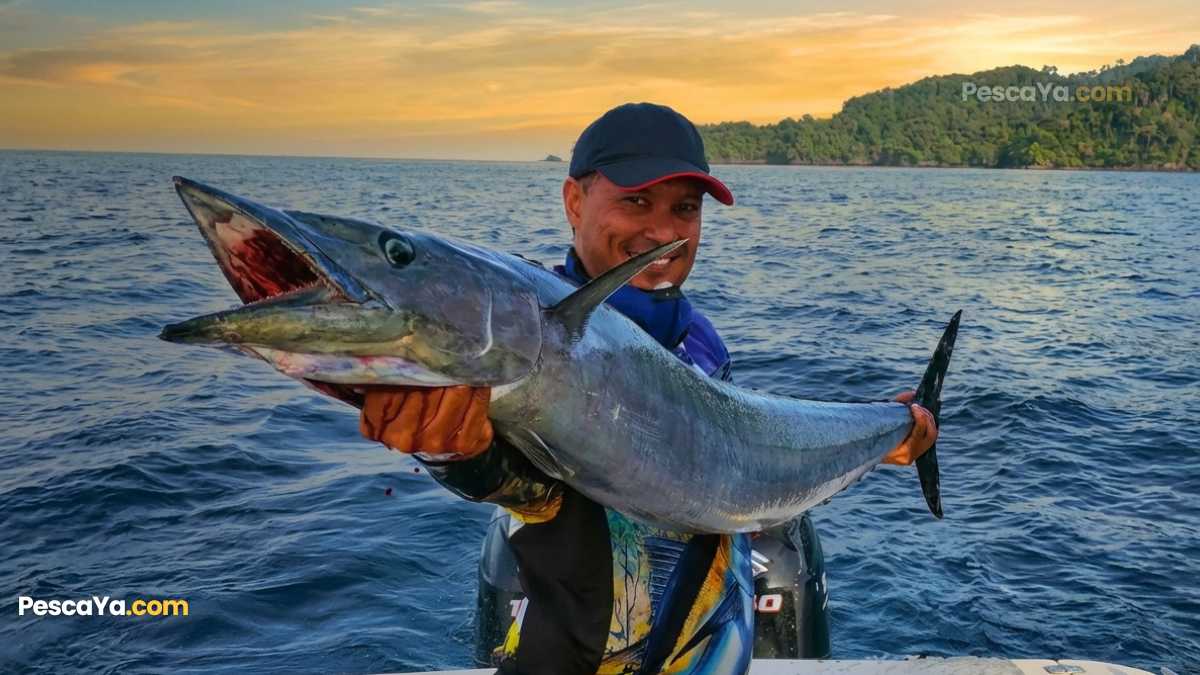
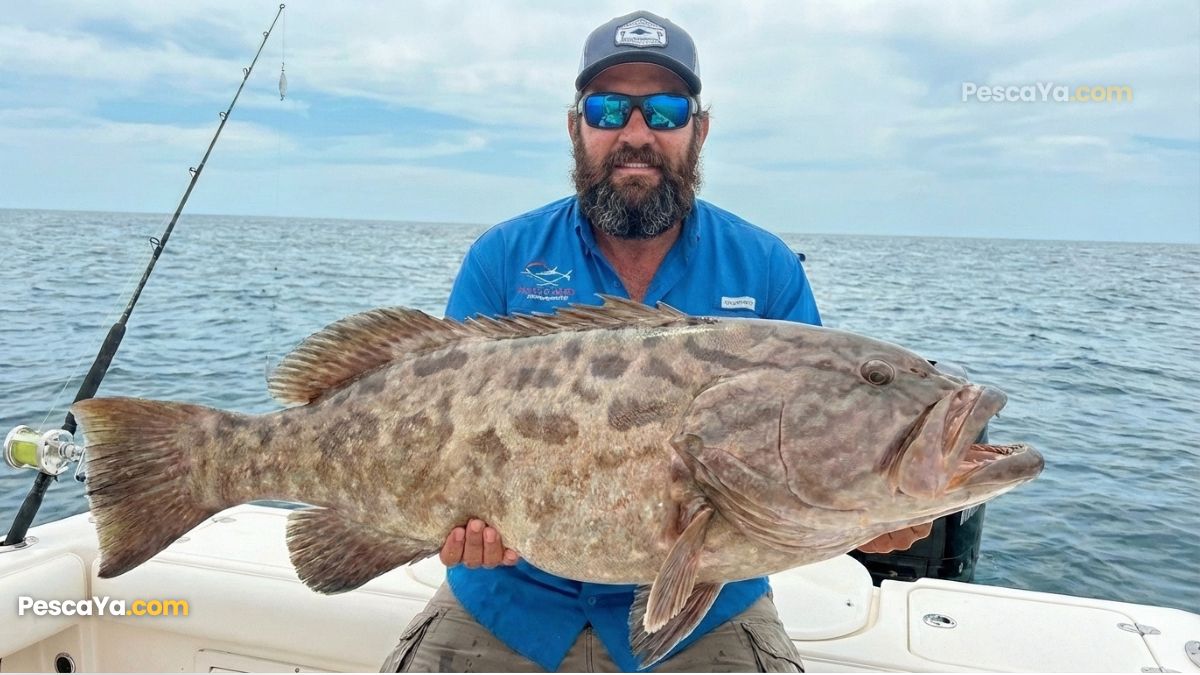
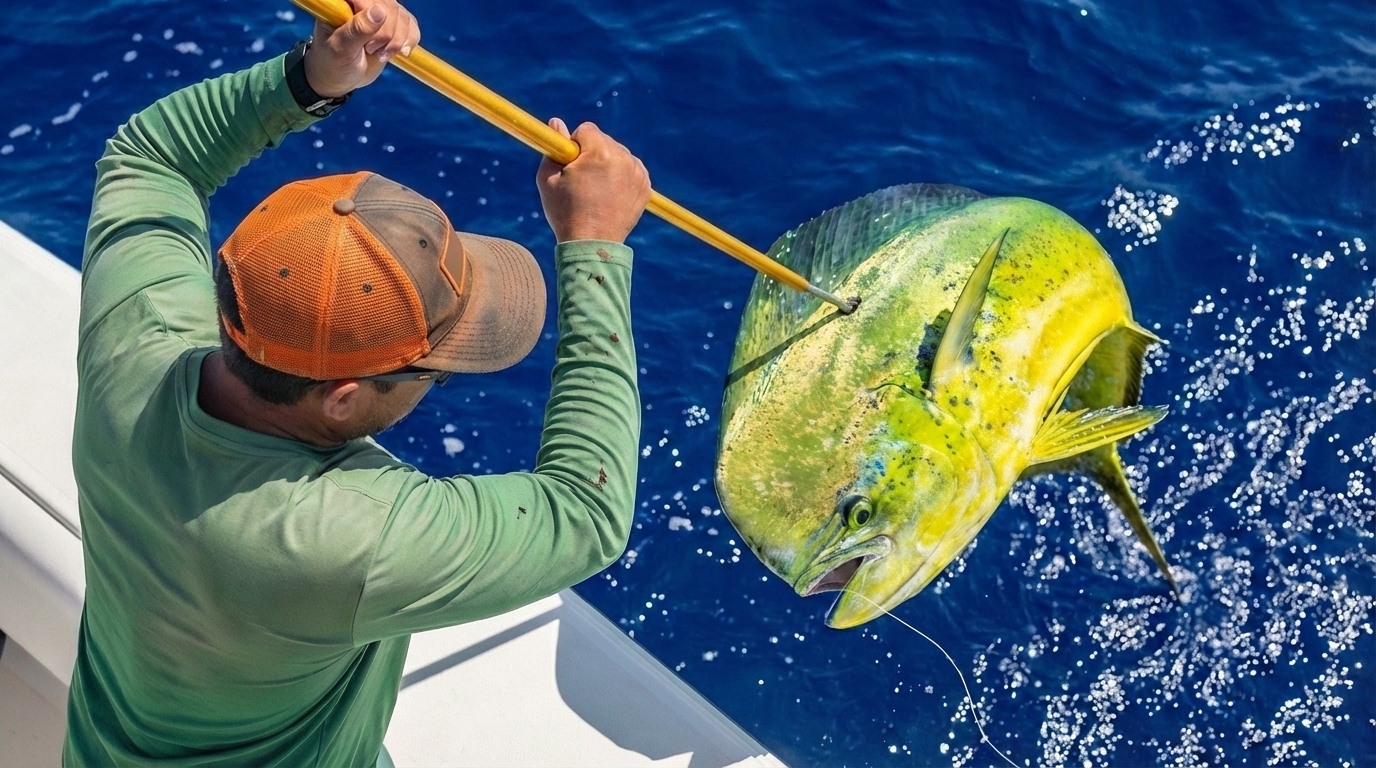
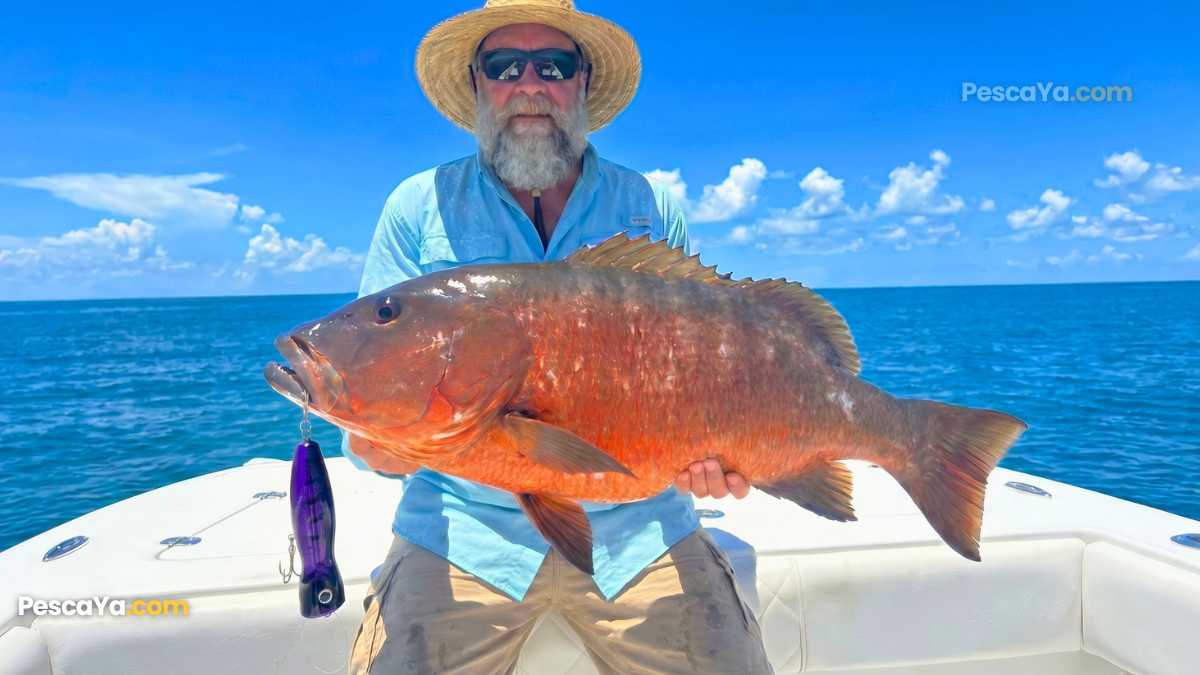
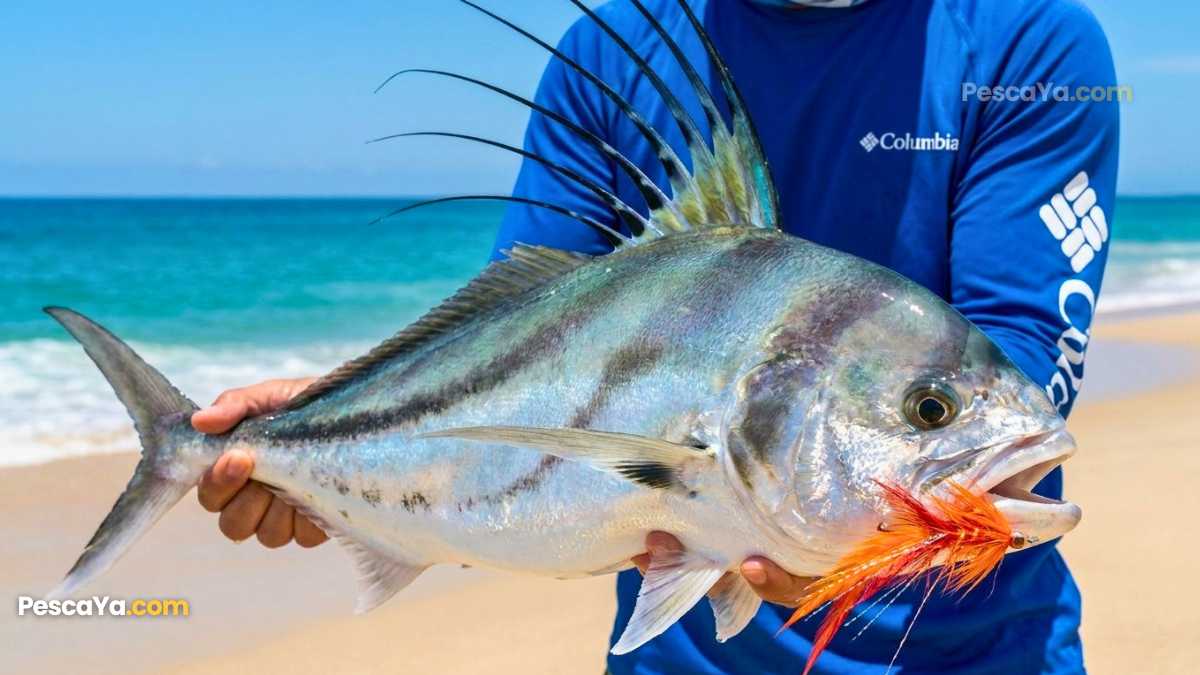
Dorado are a year-round fixture at Hannibal Bank but run especially large and plentiful from October through February. Wahoo add speed and aggression to the mix, particularly early in the morning when trolling fast. Closer to shore on the run out, the islands around Isla Parida and Isla Ladrones hold roosterfish, cubera snapper, and amberjack — so a well-planned trip can stack multiple species into a single day without even reaching the bank.

Best Time to Fish Hannibal Bank

There’s no bad month to visit — that’s one of Hannibal Bank’s strongest selling points. But here’s how the year breaks down by target species:

Month Best Targets Notes
January Blue marlin / Sailfish / Black marlin Peak billfish window — grand slam possible
February Blue marlin / Sailfish / Black marlin Peak billfish window — grand slam possible
March Blue marlin / Sailfish / Black marlin Peak billfish window — grand slam possible
April Mixed bag Transitional month
May Cow yellowfin tuna / Dorado Large female tuna move in
June Cow yellowfin tuna / Dorado Large female tuna move in
July Black marlin (building) Numbers increasing toward trophy season
August Trophy black marlin (500–800+ lbs) Huge females arrive — peak trophy season
September Trophy black marlin (500–800+ lbs) Huge females arrive — peak trophy season
October Dorado / Wahoo / Black marlin Dorado run peaks Oct–Feb
November Dorado / Wahoo / Black marlin Dorado run peaks Oct–Feb
December Blue marlin / Black marlin / Dorado / Wahoo Billfish season reopens — strong all-around fishing

December through March is widely considered the premium all-around window because blue marlin, sailfish, and black marlin all overlap. If you can only go once and want the best shot at a grand slam, plan your trip for this period.

One note: El Niño years can disrupt the Humboldt Current upwelling and affect fishing conditions across the entire Gulf of Chiriquí. If you’re planning a trip during an ENSO event, talk to operators on the ground about current conditions before booking.

How Do You Fish Hannibal Bank?

Start with Live Bait

The most effective technique at Hannibal Bank is live bait fishing, and it starts before you even reach the seamount. On the run out, experienced captains stop to catch black skipjacks — locally called bonitas — using light tackle. These are kept alive in tuna tubes at the stern. Once you reach the bank, the bonitas are bridled to large circle hooks and slow-trolled behind the boat near the surface, covering the bait aggregations and known holding areas around the peaks.

The idea is simple: if bait is holding around the seamount, predators are below it. Live bonito swimming just under the surface creates a natural, irresistible presentation. Captains watch for signs — birds working, porpoises hunting, marlin tailing — and position the baits accordingly. The strikes, when they come, are explosive.

Reading the Water

Hannibal Bank rewards anglers who pay attention. The best captains are constantly scanning with radar and eyes. Floating logs often hold dorado and sailfish on the run out — it’s worth slowing down and pitching a bait when you spot one. Surface frenzies of tuna need to be approached quickly but quietly from downwind. And once on the bank, the depth sounder tells the story: marks below the boat mean fish stacked over the peaks, and a well-presented jig or dropped live bait can intercept them.

Poppers and surface iron are also worth having rigged when the tuna are boiling. The surface bite can be short-lived but absolutely wild — ten to fifteen minutes of chaos that you’ll talk about for years.

How to Get to Hannibal Bank

Hannibal Bank is accessed from two main gateway destinations on Panama’s Pacific coast, both of which have offshore fishing tours that run to the bank.

From Chiriquí

The lodges and charters operating out of the Gulf of Chiriquí — typically based around Isla Parida or the coastal town of Boca Chica — are the closest departure point to Hannibal Bank, sitting roughly 40–42 miles offshore. The run takes about 90 minutes each way in fast, purpose-built offshore boats. This gives you maximum time on the water and makes multi-day trips practical. Most Chiriquí fishing charters include Hannibal Bank as a standard destination in their offshore packages, often combining it with nearby spots like Isla Ladrones and Isla Montuosa for full-day variety. Fly into David (DAV) in Chiriquí Province — it’s the most direct access.

Fishing Trip Chiriqui Gulf

Fishing Trip Chiriqui Gulf

★ 5 (1 Reviews)
Chiriqui
boat 30 ft
Up To 6 People
Trips from
$290
See Availability

From Santa Catalina

Santa Catalina is a surfing and fishing village on Panama’s Azuero Peninsula, roughly a 3.5-hour drive from Panama City on good roads. From Santa Catalina, Hannibal Bank sits about 50 miles offshore — approximately a 1 hour 45 minute boat ride. Santa Catalina fishing charters regularly include Hannibal Bank and Isla Montuosa on their offshore itineraries. Day trips run around $1,875 per boat per day for up to four anglers — expect additional fees of around $20 per person for Coiba National Marine Park entry and a $60 fishing tax. Multi-day lodge packages start around $2,000–$5,000+ per person all-inclusive. Santa Catalina works well if you’re combining a surf trip with offshore fishing or arriving via Panama City without a connecting flight to David.

Pacific Adventure Tours

Pacific Adventure Tours

New
Santa Catalina
boat 25 ft
Up To 4 People
Trips from
$450
See Availability

Frequently Asked Questions

It depends on your departure point. From the Gulf of Chiriquí lodges around Isla Parida, Hannibal Bank is roughly 40–42 miles offshore — about a 90-minute boat ride. From Santa Catalina, you’re looking at approximately 50 miles and a 1 hour 45 minute run.

December through March is the premium window for billfish — blue marlin, black marlin, and sailfish all overlap during this period. For trophy black marlin (500 lbs+), plan for August or September. Cow yellowfin tuna peak in May and June. There’s no bad month, but these are the windows to maximize specific targets.

Day trips from Santa Catalina run around $1,875 per boat (up to 4 anglers), plus park fees and fishing tax. Multi-day all-inclusive lodge packages in the Gulf of Chiriquí typically start at $2,000–$5,000+ per person. Browse Panama fishing tours on PescaYa to compare current availability and pricing from both departure points.

No. Panama doesn't requires a sport fishing license for all offshore fishing. However, there is a mandatory Coiba National Marine Park fee if your route passes through the park’s boundaries — this is typically $20 per non-resident angler. The captain usually pays the fees. 

Both options exist. Day trips from Santa Catalina or Chiriquí-area marinas are available and give you a full day on the bank. For anglers who want to maximize time on the water and combine Hannibal Bank with other spots like Isla Montuosa or Isla Ladrones, a multi-day lodge stay in the Gulf of Chiriquí makes more sense. See available options for both Chiriquí and Santa Catalina.

Last Cast

Hannibal Bank isn’t famous by accident. A seamount named by a Navy ship doing canal surveys back in 1914 turned out to be one of the Pacific’s great fisheries — and anglers have been making the run out to find those birds, those porpoises, and those tuna frenzies ever since. Whether you’re chasing a 500-pound black marlin in August, stacking cow tuna in June, or running a billfish grand slam in January, the bank delivers.

The logistics are straightforward. Pick your gateway — Chiriquí for closer access and island lodge life, Santa Catalina for road-trip flexibility — and let an experienced local captain handle the rest.

Browse Panama fishing tours on PescaYa to compare Chiriquí charters and Santa Catalina packages side by side. The birds are already working. Time to go find out what’s below them.

Want to keep reading?