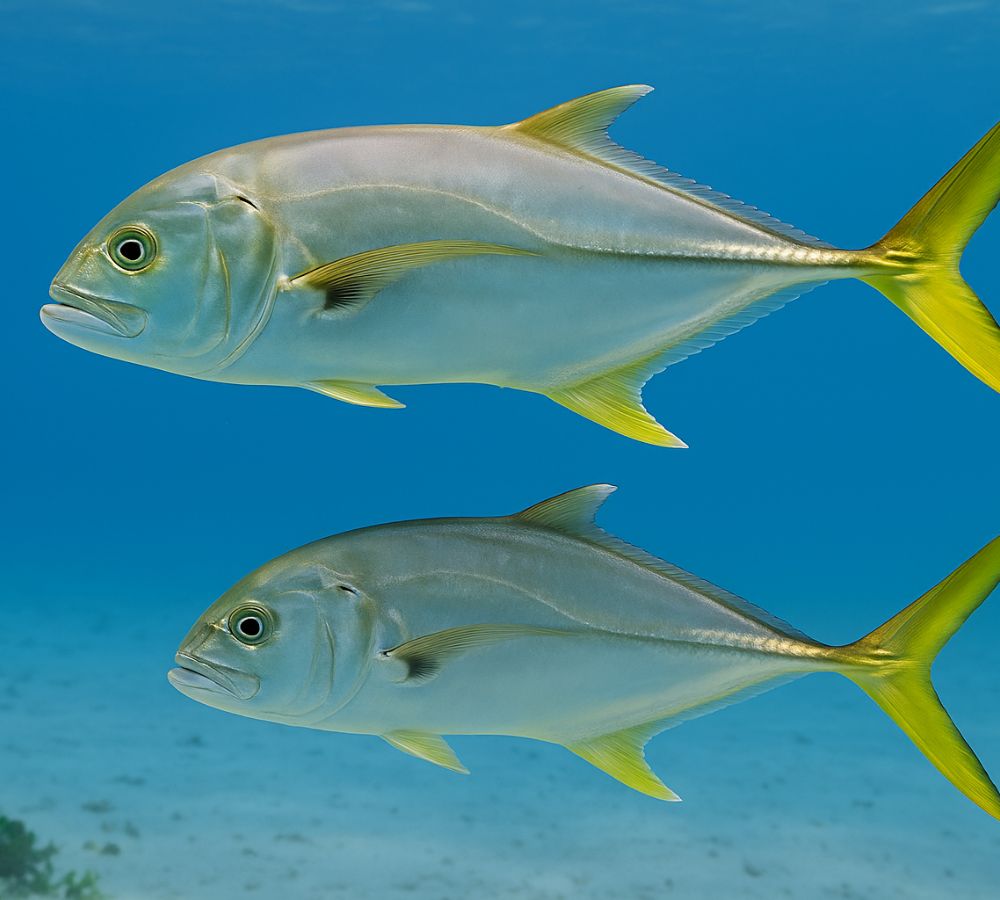
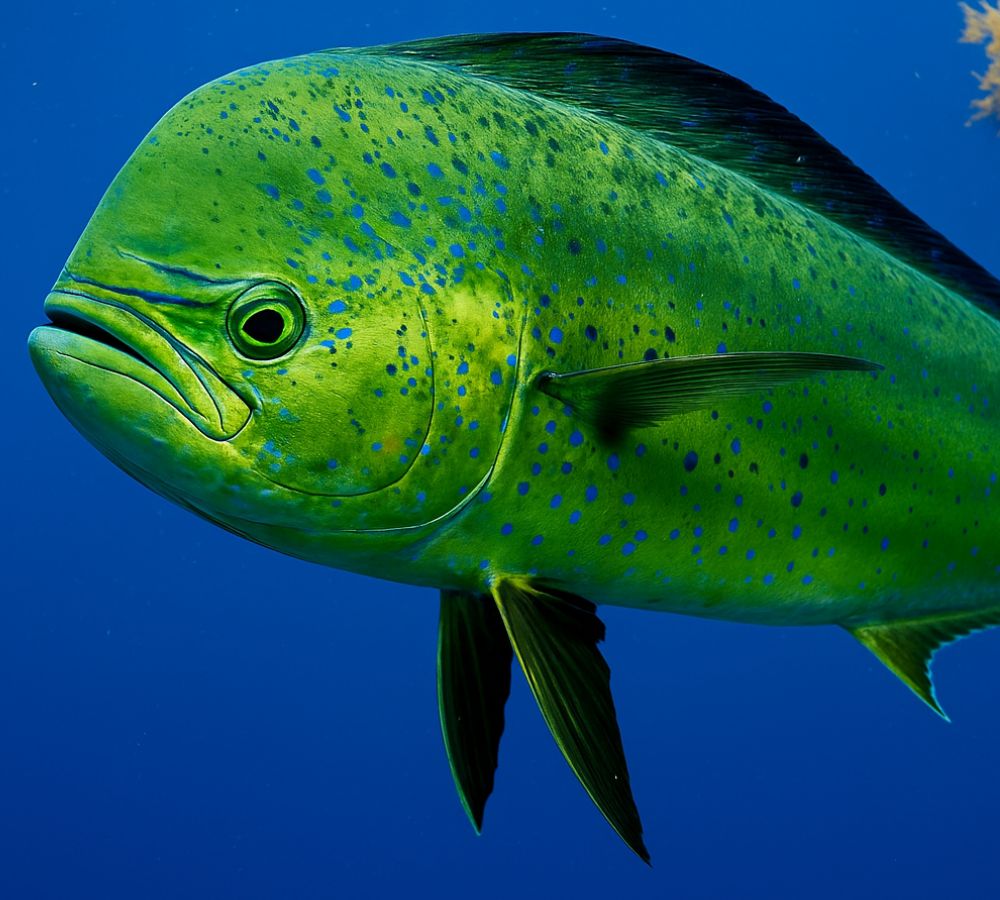
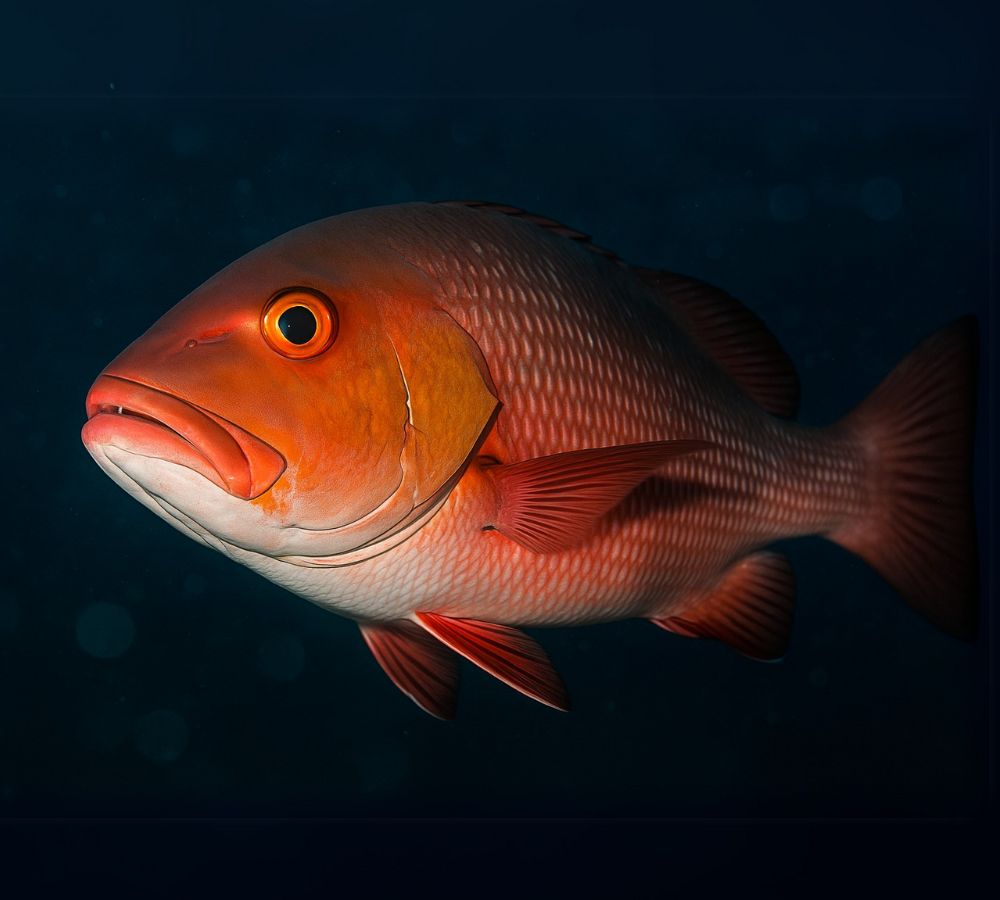
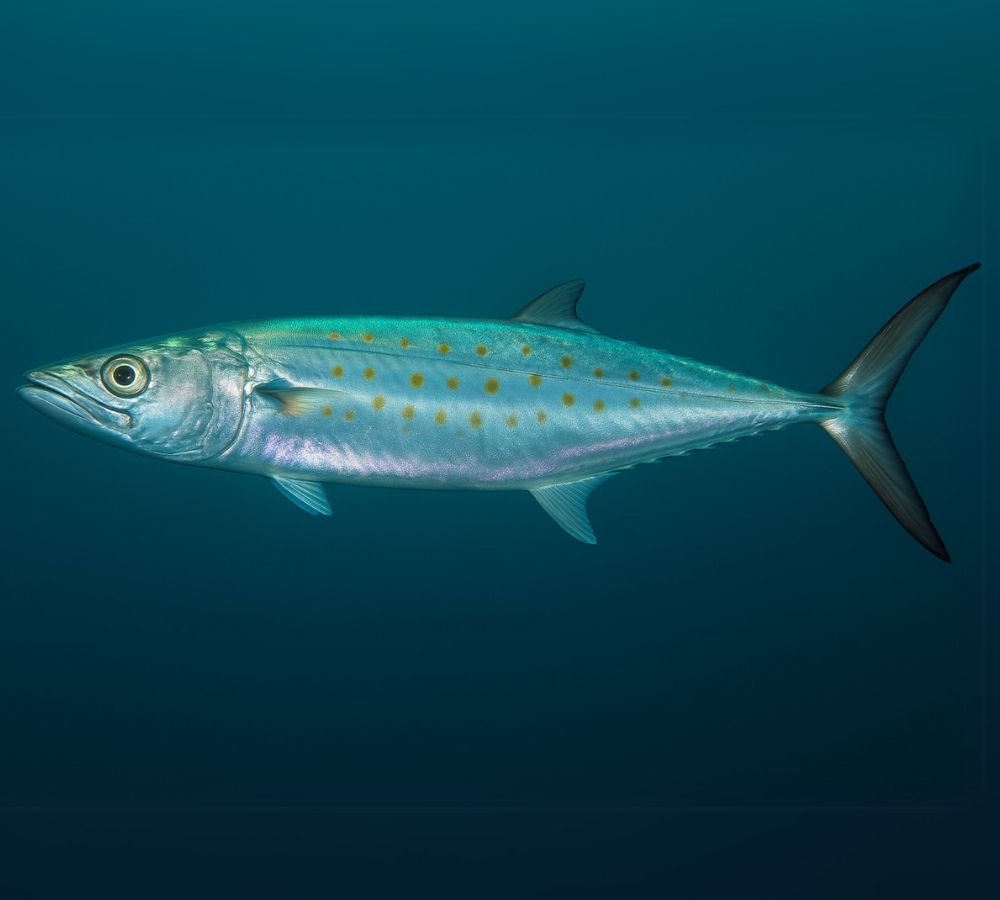
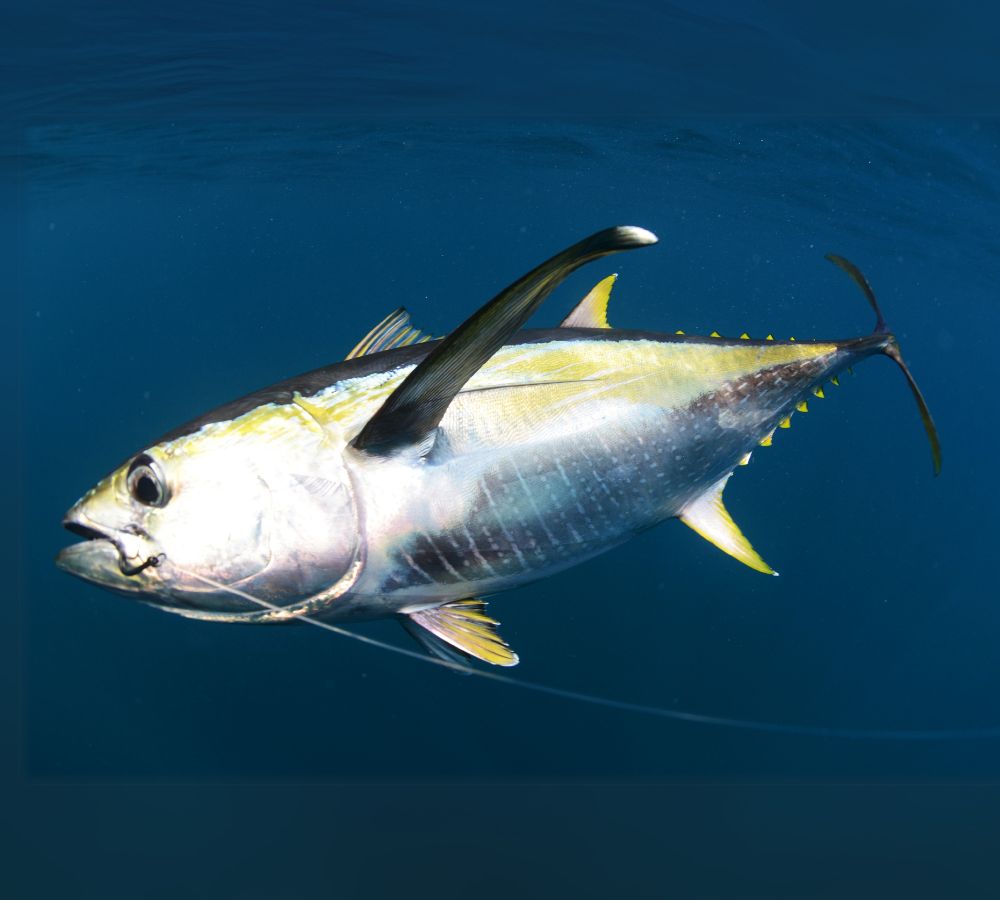
A full-day charter out of San Andrés working reef structure and open water for red snapper, grouper, mahi-mahi, jack crevalle, Spanish mackerel, barracuda, and bonito.
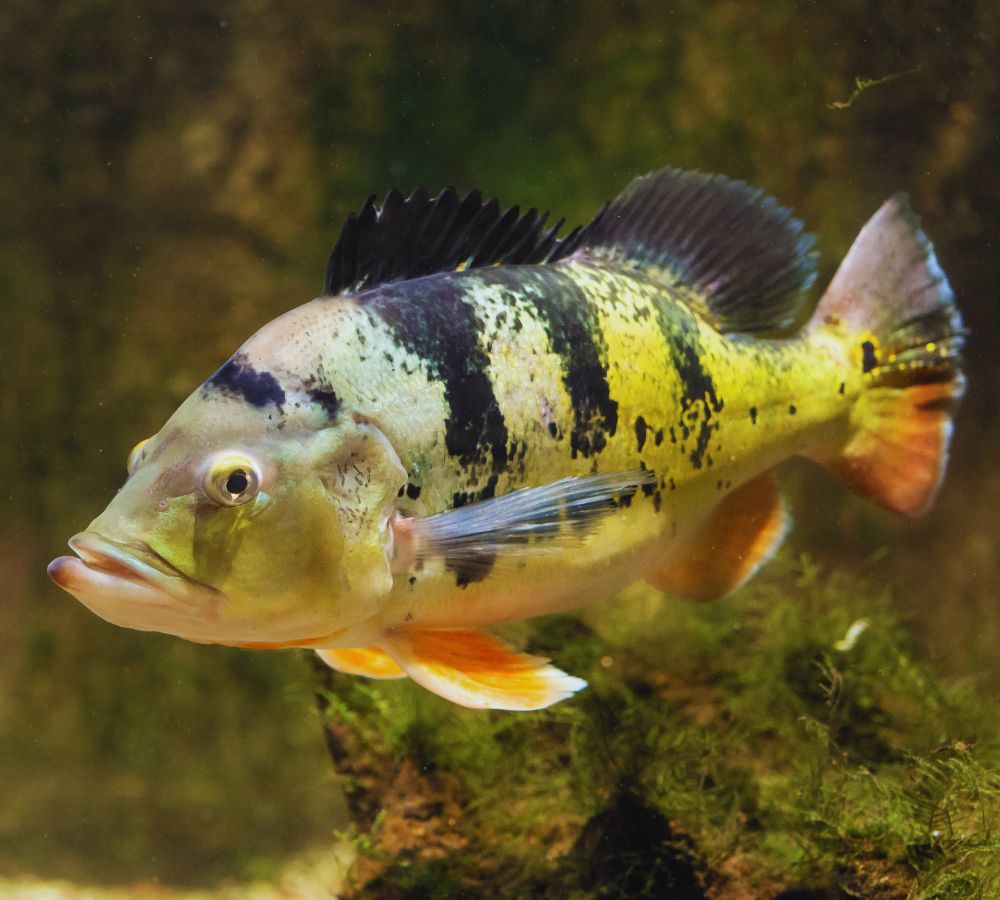
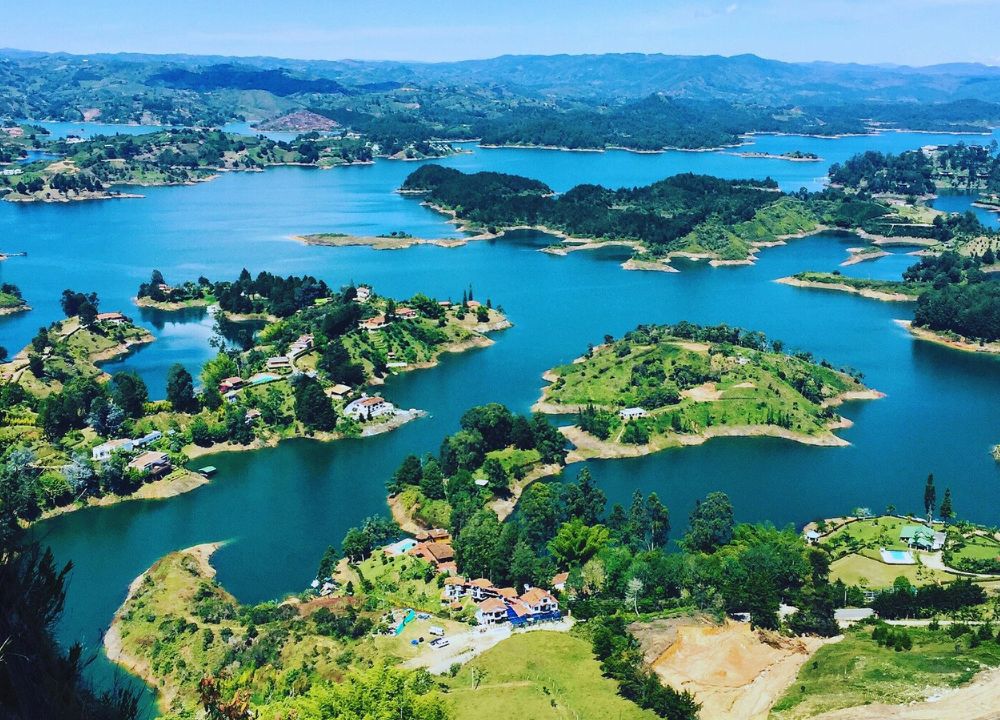
Peak season in the jungle — the Orinoco and Amazon rivers run low and clear, and peacock bass and payara feed aggressively. On the Pacific, offshore black marlin, sailfish and big yellowfin are at their best off Bahía Solano. Guatapé fishes well under sunny skies. A superb month nationwide.
Dry season
February
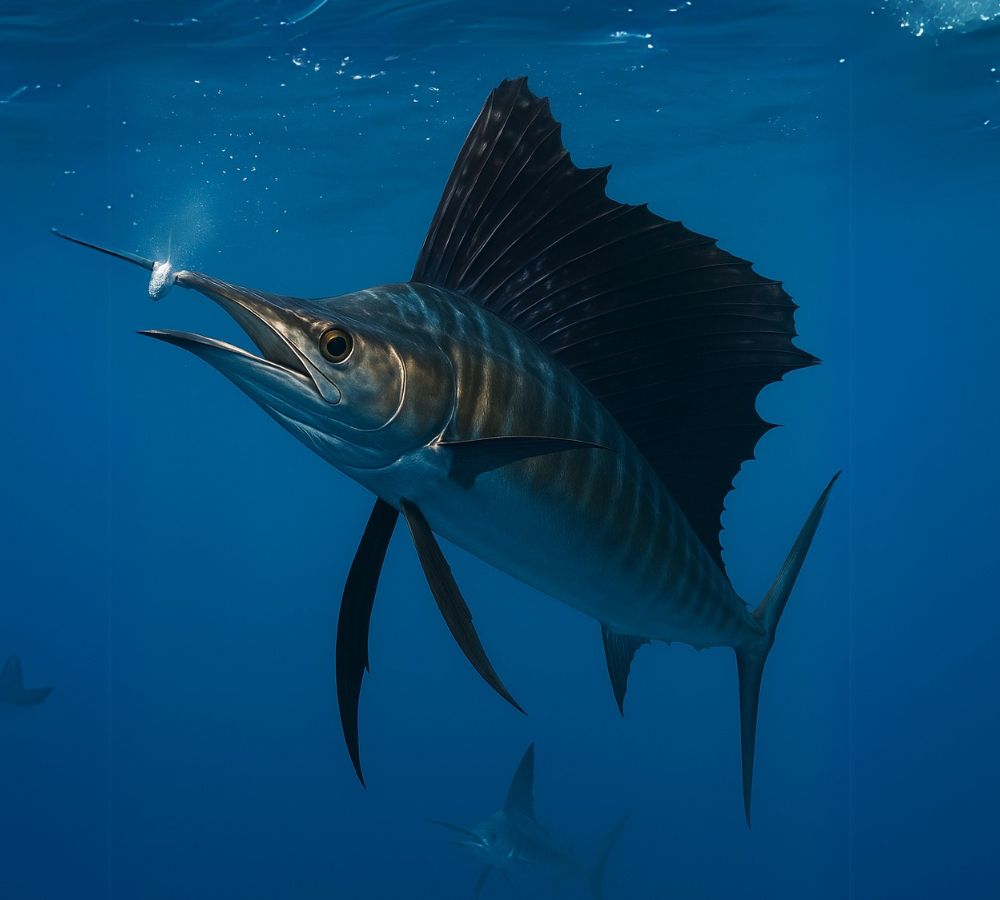
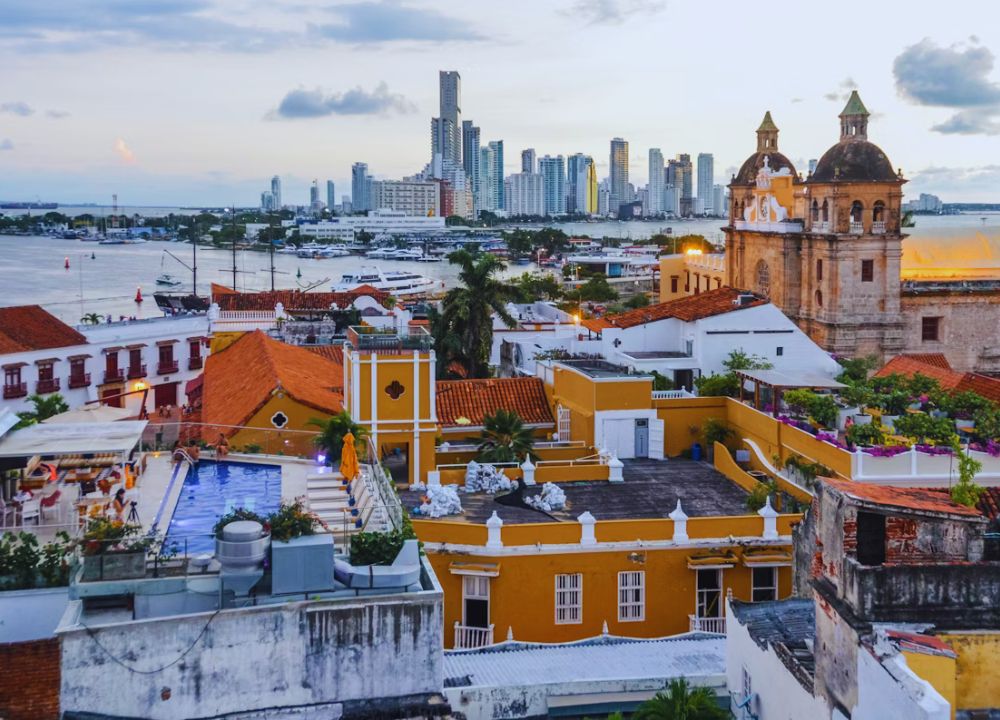
The jungle peacock bass and payara bite stays red-hot as dry season rolls on, and the Pacific offshore season for black marlin and sailfish peaks off Chocó. Calm Caribbean seas make Cartagena charters easy, and Guatapé's bass are active in clear weather.
Dry season
March
The Amazon and Orinoco are still prime before the rains, with strong peacock bass action in the lagoons. Pacific billfish ease slightly but tuna and dorado remain. Cartagena stays reliable on the Caribbean, and Guatapé fishes steadily. One of the last great months for the jungle.
Transition
April
The dry season winds down in the eastern jungle — the final window for low-water peacock bass and payara before the rivers rise. Pacific inshore roosterfish and cubera are strong, the Caribbean is calm, and Guatapé keeps producing bass year-round.
Wet season
May
Rains arrive across much of Colombia. The jungle rivers begin to swell and the Amazon season closes, but Nuquí on the Pacific is recommended now, with good inshore and offshore action. Guatapé and Cartagena fish on — a transition month to plan around the coasts.
Wet season
June
Coastal fishing leads. The Pacific off Chocó produces tuna, dorado and inshore roosterfish, and the Caribbean stays steady out of Cartagena. The eastern rivers are high and off-season. Guatapé's reservoir bass remain a dependable bet near Medellín.
Wet season
July
Humpback whales arrive on the Pacific (July–October), adding spectacle to offshore days off Bahía Solano, where tuna and billfish show. Caribbean charters run reliably from Cartagena. The jungle is in its wet, high-water lull — and Guatapé fishes year-round.
Wet season
August
Whale season continues on the Pacific and the offshore bite builds toward the autumn peak — marlin, sailfish and tuna. Cartagena's Caribbean fishing holds steady. Inland, it's still the rainy high-water lull for the jungle rivers, but Guatapé stays productive.
Wet season
September
The Pacific offshore season hits its second peak — billfish, dorado and tuna are abundant off Chocó, with whales still around early in the month. The Caribbean is solid out of Cartagena, and Guatapé's bass keep biting. A standout month for saltwater.
Wet season
October
Peak Pacific fishing continues with strong billfish and tuna, and the eastern jungle rivers begin to drop as the dry season nears — early peacock bass trips start up. Caribbean and Guatapé fishing remain reliable. The country shifts back toward its inland prime.
Transition
November
A great all-rounder. Pacific offshore stays strong through November, the Amazon and Orinoco dry season opens for peacock bass and payara, and the Caribbean calms down. Guatapé fishes well. Options open up coast to jungle.
Dry season
December
Dry season returns inland and the jungle peacock bass and payara fishing fires up. Pacific billfish and big tuna build toward their January peak, and calm Caribbean seas make Cartagena easy. Guatapé is a festive, scenic day trip from Medellín. Strong everywhere.
Frequently Asked Questions about Fishing Charters in San Andres
Very — the reef drop-off is close enough to shore that boats are often trolling blue water within 15-20 minutes of leaving the dock, so a 4-hour half-day trip gets real fishing time rather than mostly travel, and still leaves the rest of the day free for the beach
December through April, the dry season, brings the calmest seas and easiest offshore runs. Fish still bite through the rainy season (May–January), especially in the mornings before afternoon squalls build, and deep-drop bottom fishing for queen snapper holds up well even on rougher days.
Yes — most local operators run family-friendly combo trips that mix light-tackle fishing with snorkeling stops at spots like El Acuario, and captains are used to first-time anglers. Kids are welcome on most boats but should plan on wearing a life vest.
Private boats for up to 4 anglers start around US$300 for a half day and US$500 for a full day; larger boats for up to 6 run from about US$600 for a full day. Family-style combo trips that mix fishing with snorkeling are typically priced per person rather than per boat.
Yes, technically — Colombia requires an AUNAP sport-fishing permit for anyone fishing recreationally, including tourists. On a commercial charter, your captain or operator almost always holds and manages this permit as part of the trip; just confirm it's included when you book rather than assuming.
Offshore trolling produces wahoo, yellowfin tuna, mahi-mahi, jack crevalle and trevally. Deep-drop bottom fishing off the reef ledge targets queen snapper and mutton snapper, and reef structure closer to shore holds barracuda. Bonefish are available on the flats for anglers who want to try fly fishing.
San Andrés: Wahoo, Tuna and Reef Fishing in the Sea of Seven Colors
San Andrés is a tiny coral island in the middle of the Caribbean — just 26 km² of white sand ringed by the turquoise water Colombians call the mar de los siete colores, the sea of seven colors. What most beach-bound visitors never notice is how close the blue water sits: the reef drop-off is a short run from the marina, and local captains work it for wahoo, yellowfin tuna and mahi mahi most of the year, with deep-drop marks further out holding queen snapper and mutton snapper. It's an easy half-day add-on to a beach trip — out to blue water in the morning, back at the dock in time for a fish lunch and an afternoon on the sand.
Departs From
Club Náutico San Andrés & Portofino Marina
Top Species
Wahoo, Yellowfin Tuna, Mahi Mahi, Queen Snapper
Half-Day From
US$300/boat
Best Months
Dec–Apr, calmest seas
What You Can Catch — Species & Seasons
Offshore species
Wahoo, yellowfin tuna and mahi-mahi (dorado) are the headline offshore targets, trolled along the reef edge and current lines a short run from the island. Jack crevalle, rainbow runner, and bigeye and bluefin trevally round out most trolling days. The bite runs essentially year-round, but the calmest seas and easiest offshore runs come in the December–April dry season, when the trade winds ease and the water inside the drop-off flattens out.
Reef & bottom species
San Andrés's real specialty is deep-drop bottom fishing for queen snapper (pargo mero) in the deeper water off the reef ledge — a technique most Caribbean destination pages don't mention by name, but that local captains fish year-round with electric or manual deep-drop reels since it's far less weather-dependent than trolling. Mutton snapper, pink snapper and great barracuda come from the same structure and the shallower coral heads closer to shore.
Ask about fly fishing for bonefish on the flats near Johnny Cay and the mangroves — a handful of local guides offer it, but it's a niche add-on, not the main event, so bring your own fly gear and confirm availability before you build a trip around it.
San Andrés Fishing Charters: Types & Prices
San Andrés runs a small, boutique charter fleet rather than a large marina full of boats — real per-boat pricing from the island's actual operators looks like this.
Trip Type
Duration
Typical Price
Best For
Half-day offshore, private boat (up to 4)
4 hrs
from $300 / boat
Quick trip from a beach vacation; wahoo, tuna, mahi mahi
Full-day offshore, private boat (up to 4)
8 hrs
from $500 / boat
Serious anglers chasing bigger wahoo and tuna, plus deep-drop time
Full-day charter, larger boat (up to 6)
8 hrs
from $600 / boat
Groups of friends or family splitting one boat
Fishing + snorkel combo (El Acuario, stingrays)
half-day
$70–90 / person
Mixed groups and kids — light tackle plus a swim stop
Prices above are per-boat unless noted, sourced from real San Andrés operator listings — not fuel surcharges, crew tips (customary 15–20%), or fly gear rental. The combo-trip per-person range comes from traveler-reported pricing rather than a current published rate card, so treat it as a starting benchmark to confirm at booking, not a locked quote.
Book the private 4-person boat if wahoo or tuna is the goal — it covers more water faster. Choose the combo trip if you're traveling with kids or non-anglers who also want Johnny Cay or El Acuario snorkeling in the same afternoon.
Where to Fish — Departure Points & Named Spots
Charters leave from two main points: Club Náutico San Andrés on the west side of the island, and the smaller marina near Portofino, across from Barracuda Park on the North End. From either dock, the reef shelf drops fast — boats are often working blue water within 15–20 minutes, trolling the drop-off and current lines that ring the island for wahoo, tuna and mahi mahi. Deep-drop marks for queen snapper sit further out along the same ledge, mostly to the south and east of the island. Closer to shore, the shallow flats and mangroves near Johnny Cay and El Acuario hold bonefish for anglers who want to try fly or light spinning tackle, and double as the classic snorkel-and-swim-with-stingrays stop on combo trips.
Deep-Sea, Reef & Bottom Fishing
Because San Andrés is a small coral island with almost no continental shelf to cross, the run to real blue water is one of the shortest of any PescaYa Caribbean destination — captains are trolling for wahoo and tuna well within the first half hour of most trips. Reef and coral-head structure closer in produces barracuda and smaller snapper on spinning and jigging tackle. For queen snapper and mutton snapper, captains switch to deep-drop rigs — weighted lines and, on the better-equipped boats, electric reels — worked over deeper structure off the ledge. It's a technique visiting anglers rarely get to try elsewhere in the Caribbean, and it fishes well even on days too rough for serious trolling.
Best Time to Fish in San Andrés
Something bites in San Andrés year-round, but conditions are most consistent during the dry season, roughly mid-January through April, when trade winds ease, seas flatten and offshore runs are easiest — March and April are typically the driest, calmest stretch. The rainy season runs May through mid-January, with the heaviest rain in September through November; fishing doesn't stop, but afternoon squalls and choppier water are more common, so mornings are the better bet. Deep-drop bottom fishing for queen snapper is the most weather-tolerant option if a trip lands in a rougher week.
San Andrés sits toward the southern edge of the Atlantic hurricane belt, with elevated risk from roughly June through November and the highest chance of a direct system August through October — the island took a serious hit from Hurricanes Eta and Iota in November 2020. Most seasons pass without a direct strike, but travelers booking a trip in that window should watch the forecast, keep dates flexible, and consider travel insurance.
Rules & Regulations
Colombia regulates sport fishing nationwide through AUNAP, the Autoridad Nacional de Acuicultura y Pesca. Under Resolución 549 de 2022, anyone fishing recreationally — Colombian or foreign — needs a sport-fishing permit issued by AUNAP, which also sets the allowed areas, species, seasons, gear and catch quantities under Resolución 2609 de 2020. San Andrés adds one more layer: the whole archipelago sits inside the Seaflower Biosphere Reserve, a UNESCO-designated marine reserve of roughly 300,000 km² — one of the largest marine protected areas in the Caribbean — which zones the surrounding waters into areas open to fishing and areas that are off-limits to protect reef and seagrass habitat. In practice, your captain holds the permit and already fishes only the zones that are open, but it's worth confirming at booking.
Only rod-and-reel or handline fishing is permitted nationwide — no nets or longlines. Your guide or operator typically handles the AUNAP permit as part of the trip; confirm it's included when you book.
Billfish and other protected or trophy species are released as standard practice, and catch-and-release is mandatory inside national parks and reserve zones. Sea turtles, sharks, rays and marine mammals are fully protected nationwide and can never be targeted or retained.
How to Book Your San Andrés Fishing Trip with PescaYa
PescaYa connects you with verified local captains — real photos, real pricing, real availability, not a generic listing. Booking is secure, support is bilingual, and cancellation terms are flexible. Tell us your travel dates and what you're after — wahoo and tuna offshore, a relaxed deep-drop day for snapper, or a family combo trip with snorkeling — and we'll match you with the right boat.
Plan Your Trip — Getting There
San Andrés is served by Gustavo Rojas Pinilla International Airport (ADZ), with direct flights from Bogotá, Medellín, Cartagena and several other Colombian cities, plus seasonal international routes. The airport sits close to both main departure points — Club Náutico and the North End marinas are a short taxi ride away, so there's no need to build in a long transfer on fishing days.
Pack reef-safe sunscreen (the island's coral reef is part of a protected marine reserve), a light long-sleeve layer for sun and spray, and seasickness tablets if you're prone to it — the drop into blue water happens fast. Boats supply rods, reels and tackle; bring your own fly gear if you're planning to fish the flats.
Thank you for your interest in joining PescaYa! We are currently in our testing phase and, for now, we are accepting captain registrations manually. If you're interested, please contact us directly via WhatsApp at +507 6685-8732. Thank you for your understanding – we look forward to hearing from you!