


Tarpon Fishing in Panama – Best Spots, Seasons & Tips

If there’s one fish that always gets my heart racing, it’s tarpon. These prehistoric giants—often called the silver kings—have a way of exploding out of the water and tail-walking like nothing else I’ve ever seen. As someone who’s spent many days in Panama watching tarpon roll in the mangroves and hearing reels scream, I can say there are few angling experiences as addictive. Panama offers a rare combination of freshwater lakes, river systems, estuaries and bluewater that lets you chase tarpon in more ways than almost anywhere else on earth.
In this guide I’ll share everything I’ve learned from years on the water: why Panama is such a special tarpon destination, where and when to go, tackle tips, conservation practices, frequently asked questions, and how to plan a trip you’ll never forget. Whether you’re a seasoned angler or someone who has just heard about these “silver giants,” this article aims to answer every question a searcher might have—and then some.
Why Panama Is a Unique Tarpon Destination
What makes Panama stand out from other famous tarpon fisheries? For me the answer comes down to four factors:
- Year‑round opportunity. Panama’s tropical climate means there is no true off‑season. Tarpon feed in rivers, mangroves and nearshore waters throughout the calendar year. The Caribbean dry season (March–July) brings the calmest seas and larger migratory tarpon, while the rainy months (September–November) trigger feeding frenzies for juveniles in backwaters. Even in the early dry season (December–February) you can find fish in sheltered spots like the Bayano River and the Panama Canal.
- Untapped fisheries. Unlike heavily pressured destinations, many of Panama’s tarpon spots remain lightly fished. You can have an entire mangrove system or lagoon to yourself, and it’s not unusual to be the only boat targeting tarpon on a given day.
- Varied environments. Where else can you fight a 100‑pound tarpon in a freshwater lake one day and tangle with its ocean‑running cousin the next? From the massive Gatun Lake to brackish rivers and coral‑fringed lagoons, Panama delivers freshwater and saltwater action in the same trip.
- A cross‑ocean phenomenon. When the Panama Canal opened in 1914 it created a rare migration pathway. Atlantic tarpon swam through the locks and began showing up on the Pacific side within a year. Today they can be hooked not only on the Caribbean coast but also in Pacific rivers like the Bayano, making Panama the only place on earth where you can realistically target tarpon in two oceans.
Tarpon fishing charters in Panama
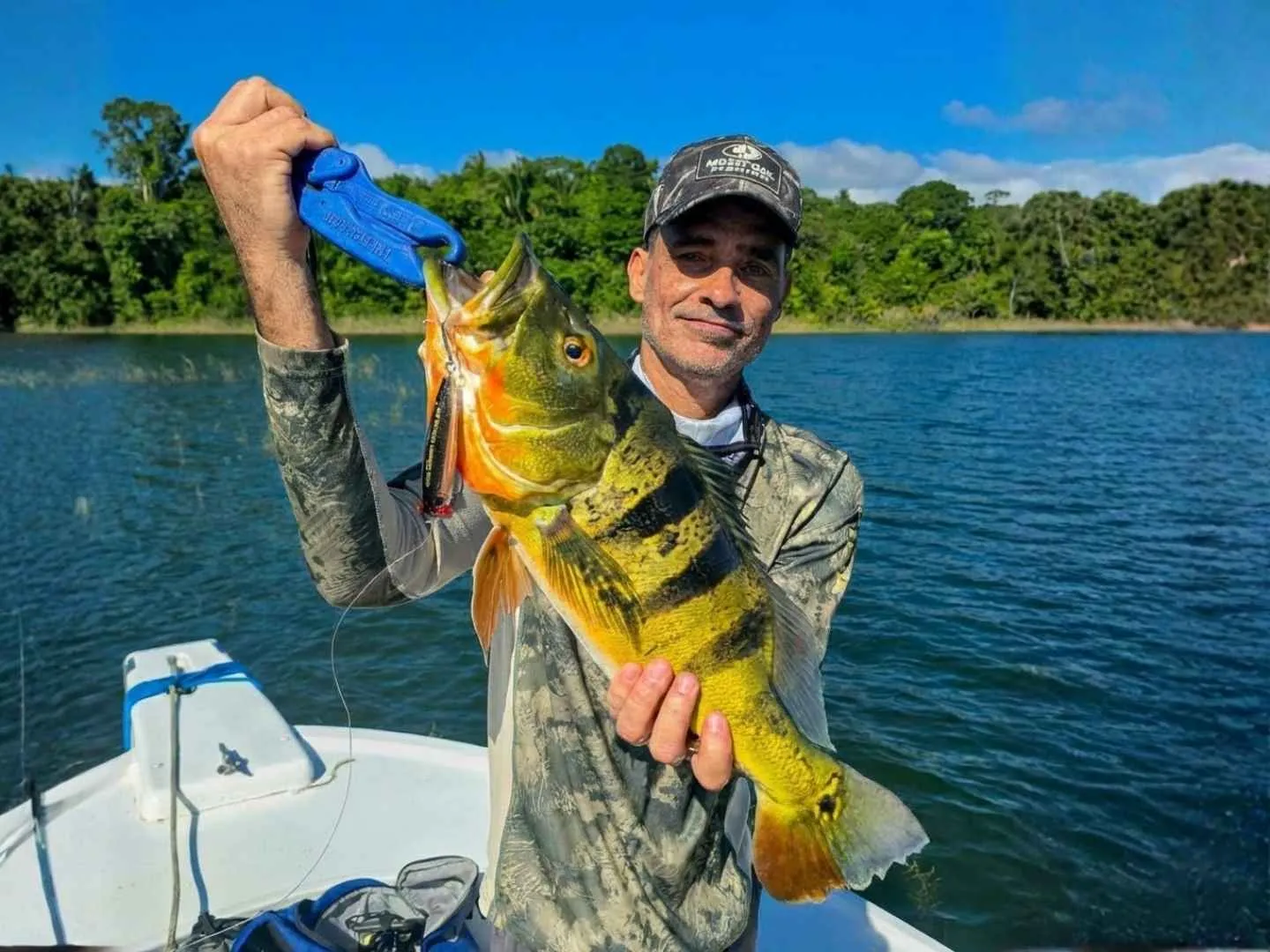
 20 ft
20 ft Up To 4 People
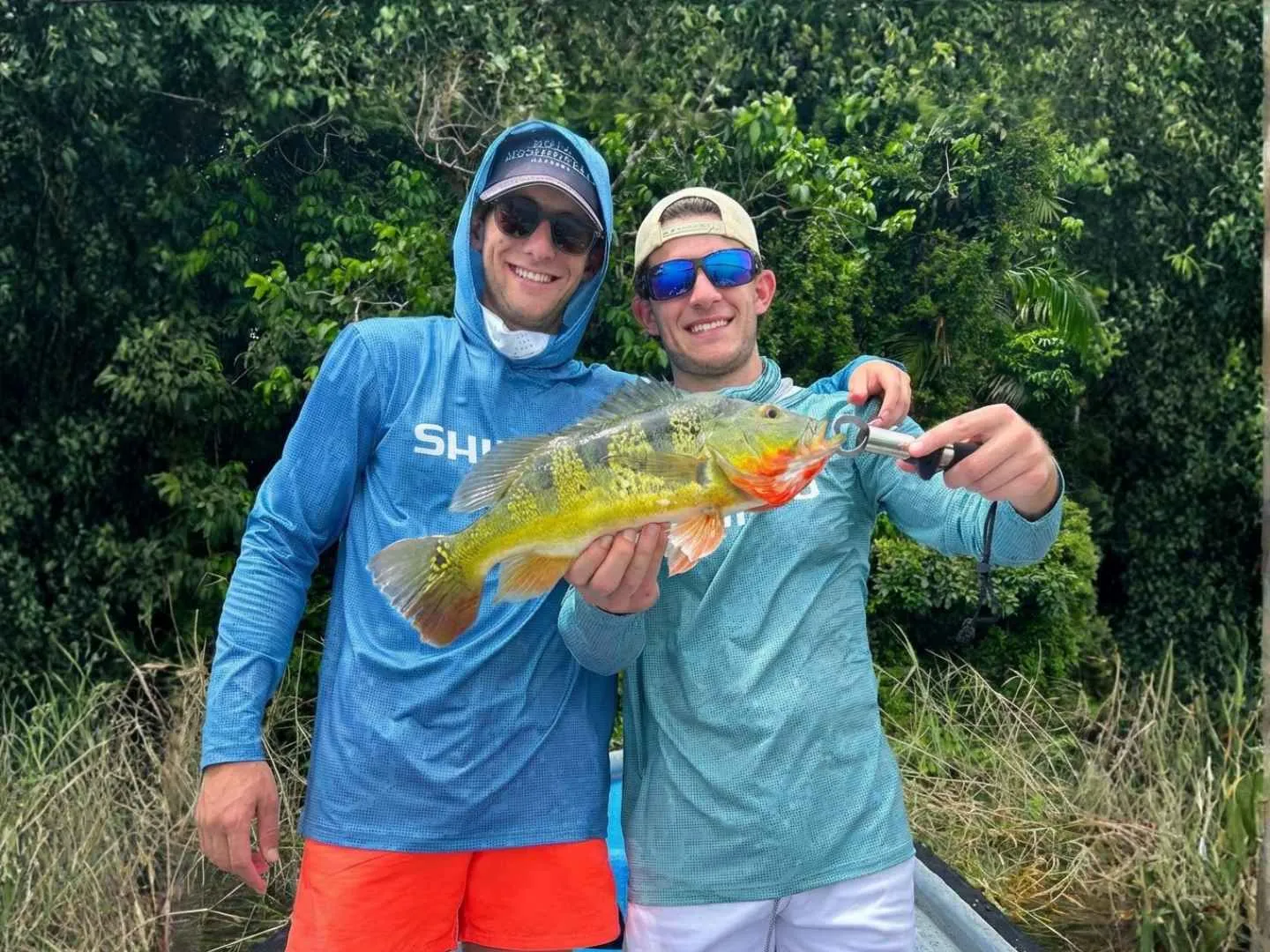
 27 ft
27 ft Up To 4 People
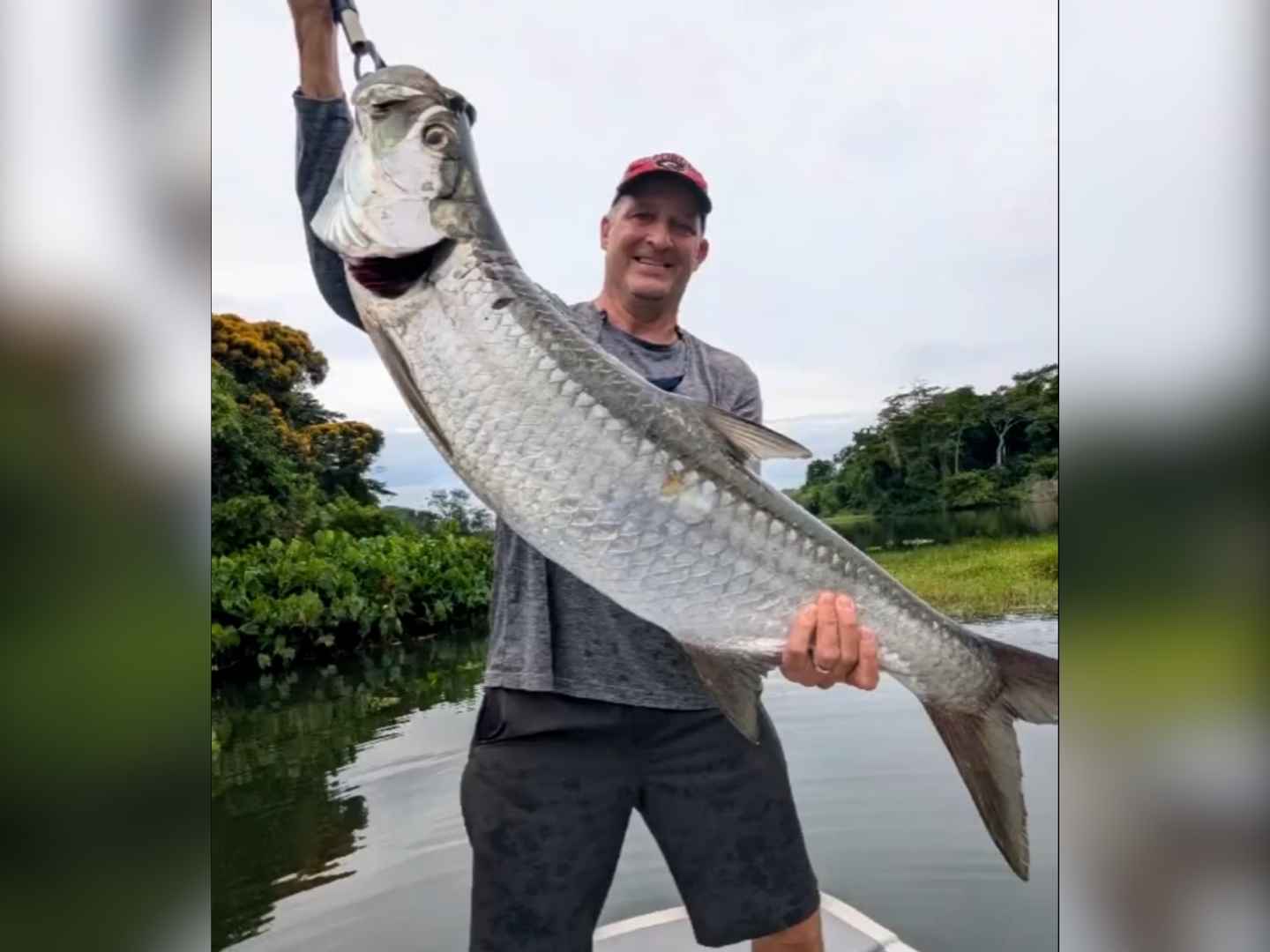 20 ft
20 ft Up To 4 People
Best Places to Fish for Tarpon in Panama
Different anglers have different personalities—some love remote jungle rivers, others prefer easier day trips. These are my go‑to spots, each with its own flavor:
Gatun Lake (Lago Gatún)
If you’ve never fought a tarpon in freshwater, Gatun Lake is the perfect introduction. This 166‑square‑mile lake in the Panama Canal watershed is teeming with juvenile and mid‑sized tarpon that feed on sardines, guabina and peacock bass fry. Calm waters and overhanging jungle create a surreal backdrop. I like to fish at daybreak when tarpon are rolling under floating vegetation. Heavy baitcasting gear or a 10–12 wt fly rod does the trick.
You can find experienced guides and boats through Tarpon fishing in Gatun Lake, which also provides lodging options in nearby Gamboa.
Bayano River and Mangroves
For raw power and adventure, the Bayano River is tough to beat. Located about 1½ hours east of Panama City, this broad, tidal river is the first place where Atlantic tarpon established themselves in the Pacific. The Bayano River is one of the best hotspots for tarpon in Panama. You can fish for juvenile or adult tarpon all year round.
Learn more about this unique fishery and book an excursion through PescaYa – Tarpon fishing in Bayano.
Chame Mangroves
Only a short drive from Panama City, Chame offers a convenient mix of comfort and wildness. The system of mangrove-lined creeks and flats holds a surprising number of juvenile tarpon. Working soft‑plastic swimbaits or Clouser Minnow flies along the edges often results in spectacular surface strikes. Because the run is short, Chame is ideal for half‑day trips when you don’t have time to travel far.
Bocas del Toro’s Lagoons and Isla Bastimentos
On the Caribbean side, the archipelago of Bocas del Toro combines lush jungle scenery with world‑class inshore fishing. Resident tarpon haunt the calm lagoons year‑round, while larger migratory fish follow baitfish into the reef cuts and river mouths in late spring and early summer. Sight‑fishing isn’t as common here as it is in Belize; instead you’ll be fishing deeper channels and river mouths with sardines, jigs or intermediate fly lines. When the sea is calm you can also explore the outer reefs for snapper and barracuda between tarpon bites.
Panama Canal
The Panama Canal itself and adjacent Gatun Lake harbor tarpon thanks to the canal’s constant flow of fresh water. It’s not uncommon to jump a silver king while jigging for peacock bass or trolling for snook.
The Best Seasons and Times

One of the first questions I hear is “When should I come?” Because tarpon are present year‑round, the answer depends on your priorities:
Season | What to Expect |
March–July | The Caribbean dry season brings stable conditions, clear water and larger migratory tarpon along the coast and in Bocas del Toro. Freshwater systems like Gatun and Bayano also heat up as baitfish gather. |
September–November | Rainy season means muddy rivers, but juvenile tarpon in lakes and mangroves feed aggressively. If you don’t mind occasional downpours, the action can be nonstop. |
December–February | Early dry season is slower but still productive in protected zones. Focus on low‑light periods (dawn and dusk) and time your trip around tide changes. |
Tide cycles are critical in tidal rivers like the Bayano and Chame. Plan to fish two hours before and after high or low tides when tarpon funnel into river mouths and mangrove channels.
Techniques: Flies, Lures and Bait
Fly Fishing
Tarpon on the fly is the ultimate challenge—few experiences compare to watching a laid‑up fish inhale your fly and then explode into a 10‑foot leap. I rely on 8‑wt to 10‑wt rods paired with large‑arbor reels loaded with floating, intermediate and sinking lines. Leaders consist of a 50–70 lb shock tippet tied to a 40–50 lb class tippet for large fish, while 40 lb straight fluorocarbon works for juveniles.
My favorite patterns include EP baitfish, black‑and‑purple bunny flies and Deceivers. In dirty water I also use orange and green‐tinted Brammer’s clousers. Presentation is key: cast tight to structure or rolling fish or to the bank, strip slow with pauses, and be ready to bow to the king when it jumps. The best fly spots are the calm coves of Gatun Lake, sunrise sessions in the Bayano mangroves and the shallow lagoons of Bocas del Toro.
For a deep dive into fly tackle and patterns, check out Fly fishing tarpon in Panama.
Lure and Bait Fishing
If you prefer spinning or baitcasting, Panama’s tarpon will keep you busy. Heavy 7′–8′ rods (20–50 lb class) paired with 6000‑size reels and braided mainline (50–65 lb) are a must. I always carry:
- Paddle‑tail swimbaits and soft plastics. These are deadly along mangrove edges. Rig them weedless to avoid snags.
- Diving plugs and crankbaits. Use when tarpon are holding deeper in river channels.
- Bucktail jigs and metal spoons. Great for casting into feeding schools or trolling until you locate fish.
- Live bait. In the Bayano River and coastal lagoons, drift a live sardine or mullet under a cork. Use 5/0–8/0 circle hooks to ensure healthy release.
Troll slowly when the bite is scattered and always cast up current when fishing tidal flows. My favorite lure spots include the Chame mangroves, deep holes near the mouth of the Bayano River, and the remote estuaries near Darién that receive little pressure.
Essential Gear Checklist
Don’t underestimate the silver king—tarpon will exploit every weakness in your setup. Before you pack, check these off:
- Rods: 7′–8′ heavy‑action spinning or baitcasting rods; 10–12 wt fly rods.
- Reels: Saltwater‑rated spinning reels with strong drag or large‑arbor fly reels with plenty of backing.
- Lines: 50–65 lb braided mainline for conventional tackle; floating and intermediate fly lines plus a spare sinking tip.
- Leaders: 50–70 lb fluorocarbon for big tarpon; 40 lb for juveniles or pressured fish. For flies, use shock leaders of 50–70 lb tied to a class tippet.
- Hooks: 5/0–8/0 circle hooks for bait; barbless hooks or crimped barbs help with quick releases.
- Other: Polarized sunglasses, gloves, long‑sleeve sun shirt, rain gear (for the wet season) and a camera for those acrobatic jumps.
What Else Might You Catch?
Tarpon aren’t the only stars in Panama’s inshore waters. Depending on the location and season you may encounter:
- Snook (robalo). Often found in the same mangroves and river mouths.
- Jack crevalle. Hard‑fighting fish that feed in schools.
- Mangrove and cubera snapper. Aggressive predators that love live bait near structure.
- Peacock bass. In freshwater sites like Gatun Lake you can take a break from tarpon and cast topwaters for these colorful bruisers.
Expect the unexpected—some of my most memorable fights have been with by‑catch species.
Conservation and Ethical Practices
Tarpon are primarily a catch‑and‑release species in Panama. Their slow growth and value as a sportfish mean we must handle them responsibly:
- Use barbless hooks or crimp the barbs for easy removal.
- Limit air exposure to less than 30 seconds. Keep the fish in the water until you’re ready for a quick photo.
- Handle tarpon with wet gloves or bare hands to protect their slime layer.
- Revive the fish by holding it upright in the current until it swims away strongly.
Practicing proper handling ensures that future generations will experience the same thrills we enjoy today.
Planning Your Trip: Lodging and Logistics
Picking the right base makes a huge difference. For Gatun Lake and Panama Canal trips, the Gamboa Rainforest Resort offers comfortable rooms, jungle views and easy access to the marina. If you’re heading east to the Bayano River, consider rustic cabins along the river where guides can pick you up at dawn. In Bocas del Toro, small eco‑lodges and fishing‑focused hotels line the islands, and many include boat dockage and guide services. No matter where you stay, choose accommodations that can coordinate with local captains or include guided fishing packages.
How much does a tarpon fishing charter cost in Panama?
One of the most important factors when planning your trip is the budget. In Panama, charter prices vary depending on the duration, the type of boat, and the services included. Based on the rates available through PescaYa.com, here’s what you can expect:
Half day (4–5 hours):
Inshore or Canal charters in Panama typically start around $250 on PescaYa.com. They include rods, bait, safety gear, and drinks. This option is ideal for families or beginner anglers who want to try their luck with juvenile tarpon.
Full day (8 hours):
For a full-day experience in rivers, lagoons, or along the Caribbean coast, most captains listed on PescaYa.com charge between $300 and $550. This price usually includes fuel, onboard lunch, a bilingual guide, and all necessary equipment. It’s the best way to maximize your chances of hooking a good-size tarpon.
Multi-day packages:
If you’re dreaming of exploring remote areas like the Bocas del Toro archipelago or heading out on an expedition to the Gulf of Panama, multi-day packages (2 to 5 days) on PescaYa.com start around $500 per day with lodging and meals included. Prices increase depending on comfort level and destination. These trips let you target various species in addition to tarpon and enjoy a much more complete fishing adventure.
Frequently Asked Questions
Surprisingly, no. Panama does not currently require a fishing license for recreational anglers. Some protected areas may require permits, so check with your guide.
Yes. After the Panama Canal opened, Atlantic tarpon gradually moved through the locks. Today there are resident populations in the Bayano River, the Gulf of Panama and occasional sightings as far south as Isla Coiba. The fish aren’t as abundant as on the Caribbean side, but catching one on the Pacific is a trophy accomplishment.
March–July is prime for large fish in the Caribbean; September–November brings fast action for juveniles. In protected rivers like Bayano and lakes like Gatun, good fishing can be had year‑round if you target low‑light periods and favorable tides.
Brutal but beautiful. Tarpon often leap three to six feet out of the water, shake their head violently and make blistering runs. Fights can last 20–60 minutes, so be prepared for an intense workout.
While there is no law against keeping tarpon, nearly all reputable captains enforce a strict catch‑and‑release policy. Tarpon flesh is bony and not considered good eating. It’s far better to release them and let them thrill another angler.
Ready to Chase The Silver King?
Tarpon fishing in Panama isn’t just another fishing trip—it’s an adventure that takes you from jungle rivers to pristine lagoons and even across an interoceanic canal. From my first hookup in Gatun Lake to watching giant tarpon roll in the Bayano at dusk, every encounter has been unforgettable.
If you’re ready to experience this for yourself, start by exploring Tarpon fishing charters in Panama and Tarpon fishing charters.
These professional guides understand the tides, seasons and behavior of tarpon, and they’ll ensure you’re in the right place at the right time.
Whether you’re casting a fly deep in a mangrove tunnel or working a swimbait along a river mouth, there’s nothing like the surge of adrenaline when that silver flash takes. Panama’s tarpon fishery still feels like a secret—but it won’t stay that way forever. Tight lines, and I hope to see you on the water!
Featured Posts
Want to keep reading?

Panama Fishing Tours – Ultimate Guide 2026
This guide will walk you through everything you need to know about fishing tours in Panama
Read More
->
Snook Fishing in Panama: The Ultimate Guide
En Panamá se encuentran varias especies, pero las que más se pescan son dos:
Read More
->
Peacock Bass Fishing in Panama
Panama is known for its saltwater giants, but hidden within its freshwater lakes lies a different kind of fishing...
Read More
->