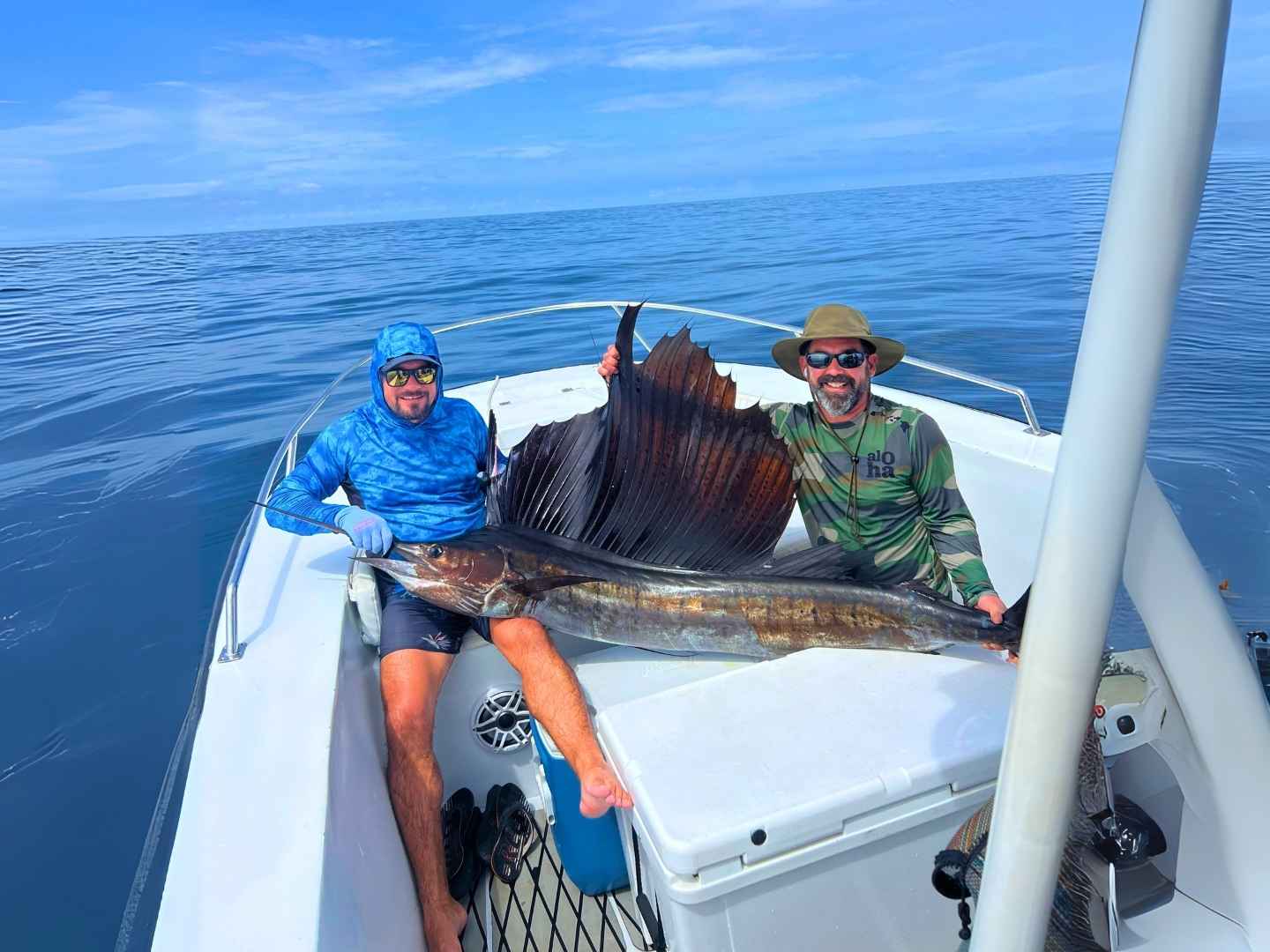
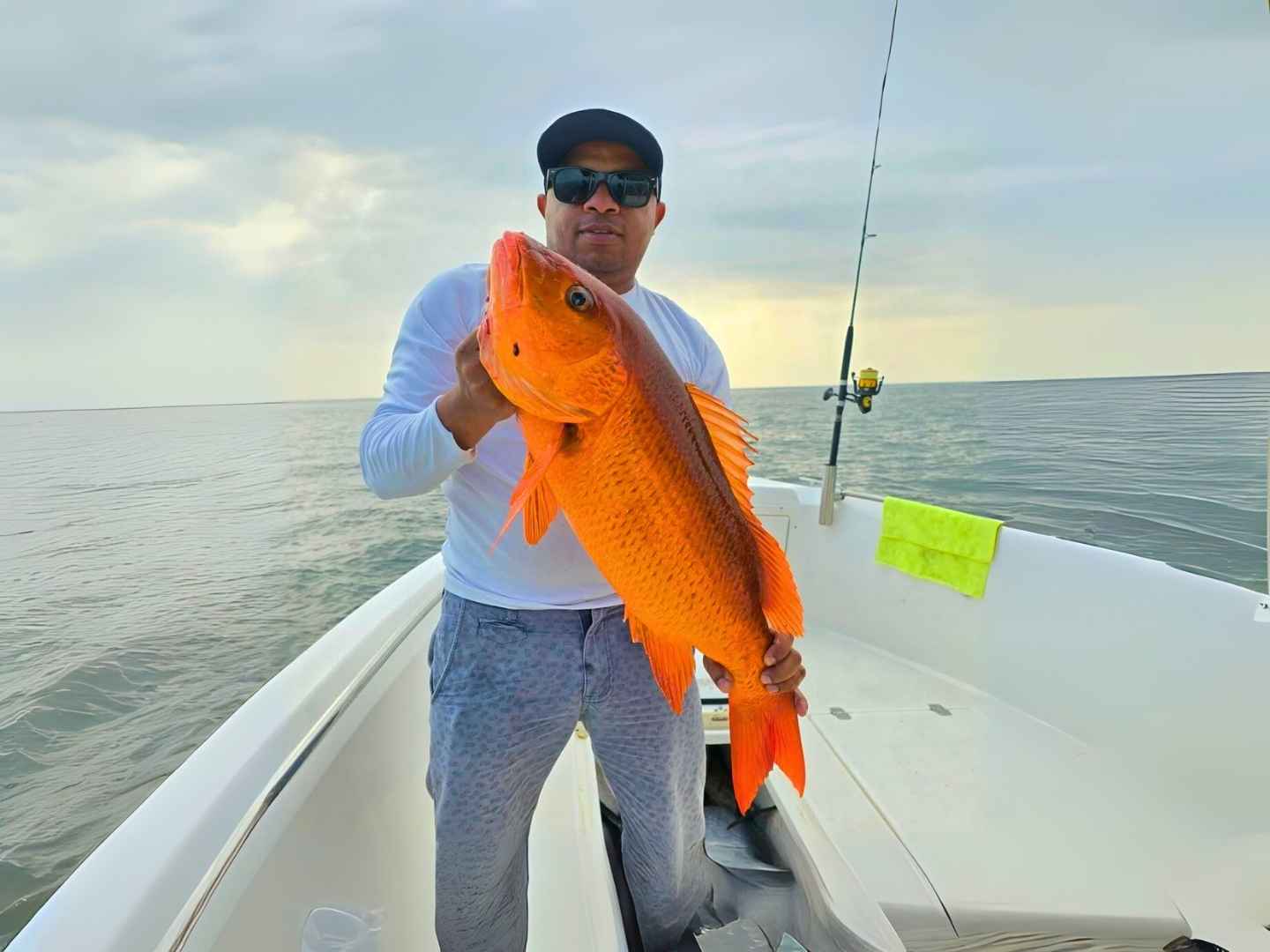
If you’re planning a fishing trip in Panama, here are the tours we recommend the most—reliable captains, great fishing spots, and solid results on the water.
Panama Fishing Tours - Ultimate Guide 2026
Panama fishing tours are your gateway to some of the most exhilarating sportfishing on the planet. As a seasoned angler who’s spent years chasing marlin, tuna, and tarpon across Panama’s waters, I can tell you there’s nothing quite like the thrill of these fishing adventures. Panama is unique in its variety of fishing and you could be fishing peacock bass in the morning and going after roosterfish in the afternoon.
This guide will walk you through everything you need to know about fishing tours in Panama, from the best spots and seasons to insider tips that only local captains know. Get ready to plan an unforgettable trip, because Panama (a name famously said to mean “abundance of fish”) truly lives up to its reputation.
How much does a fishing tour cost in Panama?
If you’re planning a trip down here and wondering what kind of budget you need, the next question almost every angler asks is simple: How much does it cost to go fishing in Panama? Let’s break it down so you know exactly what to expect.
Trip costs depend on the boat and the amount of time on the water. The average prices on PescaYa are the following:
4 hours of fishing: $250–350
6 hours of fishing: $300–600
8 hours of fishing: $600–1200
When is the best month to fish in Panama?
And once you know what kind of fishing you want to do, the next thing every angler asks is: When is the best month to fish in Panama? Let’s break it down so you can plan your trip at the perfect time.
Recommended Fishing Tours

26 ft Up To 6 People
Trips from
See Availability$450

26 ft Up To 6 People
Trips from
See Availability$750
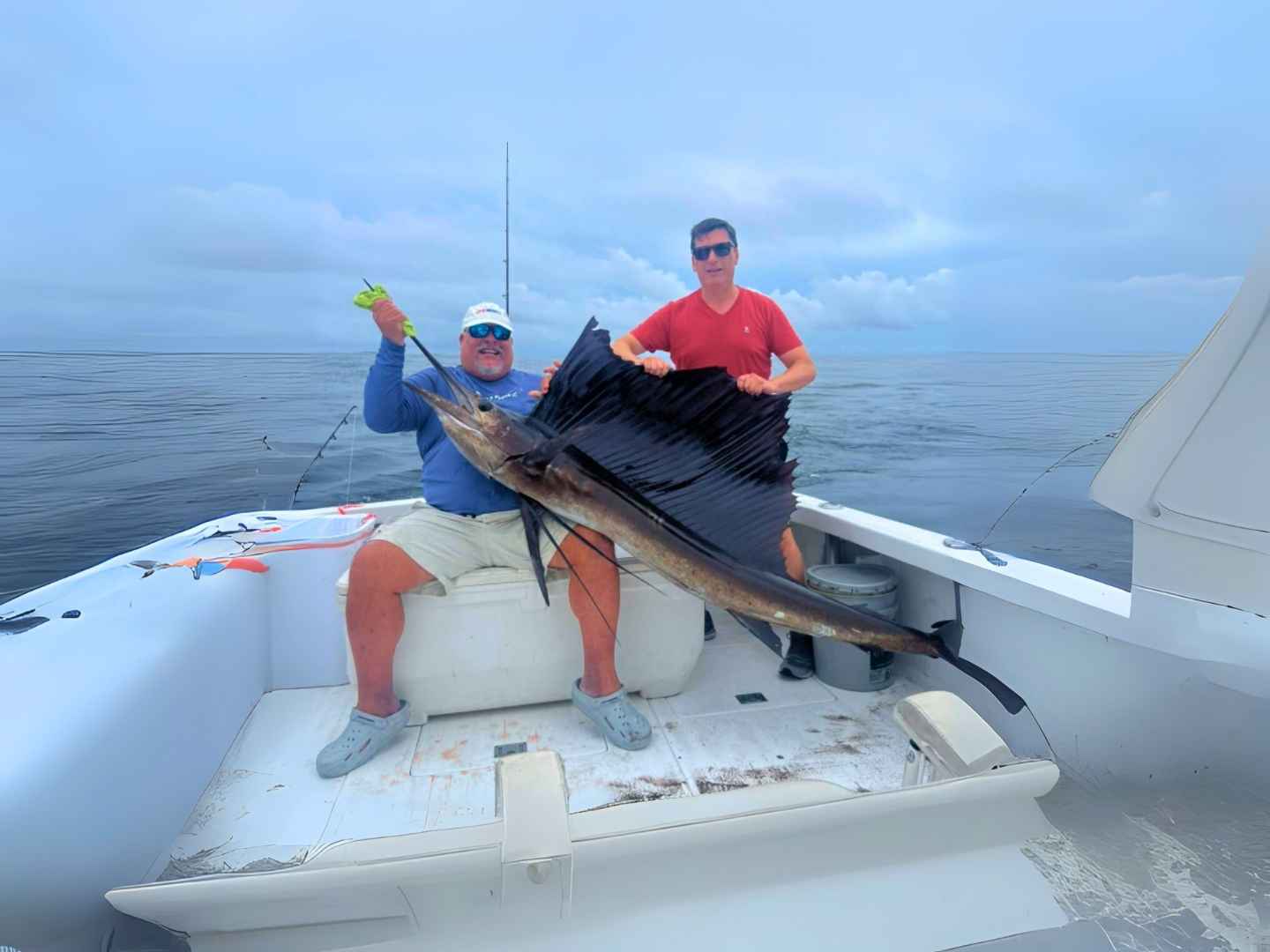
31 ft Up To 6 People
Trips from
See Availability$890
What kind of fish do you catch in Panama?
Panamá is one of those rare places where you can hook inshore, offshore, and freshwater trophies without having to travel far. Here’s what you can catch depending on where you’re fishing:
Saltwater:
Marlin
Sailfish
Yellowfin Tuna
Mahi-Mahi
Roosterfish
Wahoo
Snapper
Grouper
Tarpon
Snook
Freshwater:
Peacock Bass
Tarpon
Snook
Popular Types of Panama Fishing Tours
Whether you’re an avid big-game angler or a beginner looking for a fun day on the water, Panama offers a range of fishing tour styles. The three main types are offshore, inshore, and freshwater tours – each delivering a different experience:
Offshore Big-Game Fishing Tours in Panama

Offshore fishing tours are all about bluewater adventure. You’ll head out into Panama’s deep Pacific waters (or occasionally the Atlantic) in search of pelagic giants.
These trips often target marlin (blue and black), sailfish, yellowfin tuna, mahi-mahi, and wahoo. Offshore charters typically use larger sportfishing boats equipped with fighting chairs, heavy tackle (50-130 lb gear), and an array of trolling rods and outriggers. Expect an early start – it can be a 1-2 hour run to reach the prime offshore grounds like the famed Hannibal Bank or the drop-offs near the Pearl Islands.
Inshore & Coastal Fishing Tours

Inshore fishing tours in Panama are a blast for anglers of all skill levels. These trips use smaller boats, usually 22–30 ft center consoles or pangas, and they stay close to shore. You’ll fish around islands, rocky reefs, estuaries, and beaches while targeting the hard-fighting species that patrol the coastline.
Panama’s inshore all-star is the roosterfish. This exotic game fish is known for its tall dorsal fin and aggressive attitude. Roosterfish bite year-round along the Pacific coast, especially near rocky points and offshore islands. Many anglers cast surface poppers or fish live bait around Isla Coiba, the Azuero Peninsula, and the Gulf of Chiriquí. Fish over 50 lbs are common.
When a big roosterfish crushes your popper and takes off on a blistering run, the fight is explosive. It’s one of the most exciting inshore experiences you can have in Panama.
Freshwater Fishing Tours in the Panama Canal (Gatun Lake)

Panama also offers freshwater fishing tours, which are a fun change of pace from the saltwater action. The Panama Canal’s lakes and river systems, especially Gatun Lake, deliver excellent freshwater angling. Gatun Lake was created during the construction of the canal, and today it’s filled with peacock bass, freshwater snook, tilapia, and even tarpon
A Gatun Lake Fishing Tour feels like stepping into a National Geographic scene. You cast between half-submerged rainforest trees while toucans and monkeys move through the canopy. Massive ships pass in the distance, and peacock bass crush lures right beside the boat. Most trips use small boats and light tackle, working lures or baitfish around submerged timber for 2–6 lb peacocks, with the occasional fish breaking the 10 lb mark.
Fly Fishing Tours in Panama

Most fly-fishing tours in Panama focus on shallow water and sight casting—perfect for anglers who enjoy a technical challenge. You can go after peacock bass, tarpon, and snook in freshwater. In saltwater or brackishwater, you can go after red snapper, cubera, and jacks. If you’re looking for bigger fish you can also go offshore to fish Sailfish, Tuna, and Spanish Mackerel.
Top Panama Fishing Destinations
One of the best things about Panama is that world-class fishing is scattered all across the country. Depending on what you want to catch (and how far you’re willing to travel), you’ve got options on both coasts and inland. Here are some of the top fishing destinations in Panama and what makes each special:
Panama City & Pearl Islands (Bahía de Panamá)

Panama City, the nation’s capital, is a popular jumping-off point for fishing tours. While the waters right in Panama Bay can suffer from commercial fishing pressure and seasonal wind chop, a short boat ride offshore opens up far better action.
Many panama city fishing tours will whisk you about 30-50 miles out to the Pearl Islands, a beautiful archipelago in the Gulf of Panama. Around the Pearl Islands, you can encounter mahi-mahi, wahoo, yellowfin tuna and even the occasional marlin or sailfish – it’s basically the start of the offshore arena without going all the way to the continental shelf.
Gatun Lake & Panama Canal Zone

For something completely different, head about an hour north of the city to Gamboa and Gatun Lake. This area is the main hub for Gatun Lake fishing tours within the Panama Canal watershed. Here, you’ll swap saltwater species for peacock bass, tarpon, and snook. The lake and its connected rivers, including the Chagres, are prime spots for these fish.
Many travelers are fascinated by the experience. It’s not every day you cast a line with massive container ships gliding by in the distance. The novelty is fun, but the fishing is genuinely productive, and the surrounding rainforest scenery makes the day even better.
A half-day freshwater trip pairs easily with other canal-area activities, such as eco-tours or visiting the Canal locks. If you’re a tarpon fan, areas near the Caribbean mouth of the canal (around Colón) and the coastal lagoons of San Blas also hold fish, though they see fewer guided trips. Gatun Lake remains the most accessible and organized location for freshwater action.
Don’t forget your camera. Hooking a brightly colored peacock bass with giant cargo ships in the background captures exactly how wild and unique Panama can be.
Bayano River

Bayano River is one of the few spots in Panama that still feels truly wild. Thick jungle surrounds both sides of the water, and the calm, dark surface gives you that quiet sense that big fish are nearby. A Bayano fishing tour drops you right into this raw setting, where machaca, juvenile tarpon, and snook cruise along the shoreline looking for an easy meal.
Most captains focus on submerged timber, rocky points, and shallow coves where fish tend to gather. Topwater hits can be explosive here, and crankbaits or jigs often produce steady action when the bite is on. If you enjoy freshwater fishing with a bit of adventure—birds calling, monkeys in the distance, and fish boiling near the boat—Bayano delivers that feeling from the first cast to the last.
For anglers wanting something different from the usual coastal vibe, a Bayano River tour offers the perfect mix of jungle scenery, calm water, and aggressive freshwater species that make every cast feel worthwhile.
Pedasí (Azuero Peninsula “Tuna Coast”)

On Panama’s Pacific side, the Azuero Peninsula pushes out into the ocean and is home to some of the country’s most legendary fishing grounds. The town of Pedasí, on the southeastern tip, has become a major hotspot for anglers looking for both inshore and offshore action. This stretch of coast is often called the “Tuna Coast” thanks to its seasonal yellowfin run. From about May through July, massive tuna—often 100 to 200 lb or more—feed heavily offshore, giving anglers a chance to battle true giants.
Pedasí fishing charters can get you right into that action. Offshore, you can target tuna, marlin, sailfish, and dorado. The continental shelf lies close to land, so even smaller panga boats can reach blue water on calm days. Inshore, Pedasí offers rocky reefs and island clusters, including the Isla Iguana Marine Reserve. These areas hold roosterfish, snapper, amberjack, and other hard-hitting species, all within sight of the coastline.
Cambutal (Remote Azuero Big-Game Hotspot)

Farther down the Azuero Peninsula—at the western end of the “Tuna Coast”—you’ll find Cambutal, a remote fishing village that has earned a reputation among hardcore anglers. Cambutal fishing charters focus on massive yellowfin tuna, marlin, and other pelagics that roam close to shore. It’s not unusual to hook a black marlin just a few miles from the beach.
Cambutal sits near Panama’s southernmost point, where deep Pacific waters meet coastal structure. This creates a rich feeding zone packed with life: schools of bonito, bigeye trevally, and plenty of baitfish. Not surprisingly, many of Panama’s record-breaking tuna have come from this region.
The fishing style here is usually fast-paced and mobile. Captains run-and-gun, searching for surface action such as tuna busting or birds diving. Once they find the activity, anglers throw poppers or jigs into the chaos, or troll around dense bait schools to trigger big strikes.
Gulf of Chiriquí (Hannibal Bank & Coiba)

As you move toward Panama’s western Pacific coast, you reach the Gulf of Chiriquí—home to some of the most famous fishing grounds in Central America. This region includes Hannibal Bank, Isla Montuosa, Isla Coiba, and many other productive spots. For serious offshore anglers, it’s a true playground.
Most charters depart from Boca Chica or the city of David. The main appeal of Chiriquí is simple: variety. One day you might head to Hannibal Bank, an underwater pinnacle that rises from deep water and attracts huge black marlin, Pacific sailfish, and yellowfin tuna. Marlin are most active from January to April, while tuna peak from June to September.
The next day, you could fish the reefs and islands of Coiba National Park. These waters are perfect for casting poppers for roosterfish, cubera snapper, blue trevally, and other powerful inshore species that thrive around the park’s protected habitat.
Piñas Bay (Darien Province)

In Panama’s far southeast sits Piñas Bay, a legendary destination for big-game anglers. This remote bay, tucked deep in the Darién jungle, is home to a world-famous fishing lodge and the waters responsible for hundreds of record-breaking catches.
Piñas Bay is known above all for its blue and black marlin fishery. During peak season, typically from December through February, it’s possible to raise a dozen marlin in a single day. The nearby Zane Grey Reef and several offshore seamounts create ideal hunting grounds for billfish.
It’s also one of the best places on the planet to catch Pacific sailfish, which grow exceptionally large here—often over 100 lbs. Dorado and tuna are abundant as well. Piñas Bay is truly remote, usually reached by a small flight from Panama City followed by a boat transfer, but the journey is well worth it for anglers chasing world-class action.
Bocas del Toro (Caribbean Side)

Panama’s Caribbean side deserves attention too, and Bocas del Toro is the standout up north. This island chain near the Costa Rican border is famous for its beaches, surf, and backpacker vibe—but it also offers the best fishing on Panama’s Atlantic coast.
The main draw in Bocas is tarpon. If you want a shot at the “silver king,” this is the place with the highest odds in the country. The archipelago’s channels and nearby river mouths hold tarpon from 30 lbs to well over 100 lbs. Peak periods vary, but late summer and fall often bring increased activity as tarpon follow bait and spawn in the region.
Snook are another top target here. They lurk around mangroves and river outlets, and Bocas is known for producing true trophies, often in the 20–30 lb range.
When to Go: Panama Fishing Seasons
One of the most common questions is “When is the best time for Panama fishing tours?” The good news is that Panama offers productive fishing all year. There really isn’t a bad time – but there are seasonal patterns that affect which species are most active and the weather conditions you’ll encounter.
Dry Season (December–April)
Panama’s dry season is prime time for Pacific billfish. From late December through April, sailfish are abundant and blue and black marlin show up in strong numbers. The weather is sunny and rainfall is low, which helps keep offshore water clear.
Winds can be a drawback. Between December and March, strong trade winds often create choppy conditions in the Gulf of Panama, though areas like Azuero and Chiriquí are more protected. Even with the wind, this is peak marlin season and many big tournaments happen now.
Inshore fishing stays consistent, with roosterfish and snapper active all season. On the Caribbean side, late dry-season months—especially February and March—bring better water clarity and good tarpon action near river mouths.
Wet Season (May–November)
Panama’s wet season brings afternoon showers, higher humidity, and generally calmer winds on the Pacific. Despite the name, mornings are often clear and storms pass quickly, so fishing remains very accessible.
This season shines for yellowfin tuna. From May through September, large tuna schools move through the Pacific, often pushing bait to the surface alongside dolphins and diving birds. It’s an ideal time to target tuna in the 50–200 lb range. June and July can also produce bonus marlin or sailfish, and the seas are usually calmer with less wind.
Inshore fishing stays productive, especially near river mouths. Rain increases runoff and nutrients, which attract bait—and species like snook and tarpon feed aggressively when the water stirs up. Just pack a light rain jacket for sudden showers.
Shoulder months
May and November can be especially productive as conditions shift. In November, at the end of the wet season, tuna often remain in the area while the first waves of sailfish start to appear—giving you a mix of both. By late April and into May, you can sometimes catch the tail end of marlin season along with the early stages of the tuna run.
The bottom line: choose your timing based on the species you want most. January–February is hard to beat for marlin. June–July offers a strong mix with a heavy tuna focus. And if your travel dates are fixed, don’t stress—something is always biting in Panama.
Tourism high season in Panama lines up with the dry months of December through March. During this period, more travelers visit the country, and charter prices or availability can be affected—especially around Christmas and New Year’s. If you’re planning a trip in peak season, it’s smart to book your fishing tours early.
During the wet season, fewer anglers are on the water, so you’ll usually find better availability and sometimes slightly lower rates. The fishing remains strong; just bring a bit of rain gear and enjoy the extra space at the lodge or marina.
Panama Fishing Tours: What to Expect on Your Trip
If you’re new to charter fishing or just want to know how Panama operations run, this section will prep you on what to expect and how to make the most of your tour.
Charter Boats & Gear:
Most Panama fishing tours use well-equipped boats matched to the style of fishing. Offshore trips usually run on 30–40+ ft cabin cruisers or express sportfish boats with twin engines, shade, a head (toilet), and all the electronics and tackle needed. Inshore trips rely on sturdy pangas or center consoles, typically 22–28 ft, which handle shallow water and coastal structure with ease.
Reputable charters provide everything: quality rods and reels, lures, bait, tackle, and safety equipment. You don’t need to bring gear unless you have a favorite setup you can’t fish without.
From my experience, Panama’s charter outfits keep their equipment in excellent condition. Boats carry everything from 130-lb class trolling gear to light spinning rods for jigging. Fly-fishing equipment is more specialized, so check ahead if you plan to fly fish. Some captains supply fly rods for tarpon or bonefish, while others prefer you bring your own.
Licenses & Regulations:
You don’t need a fishing license to fish on charter boats in Panama—the boat’s license covers all guests. It’s one of the perks here, and you can simply show up and start fishing. The crew will brief you on local regulations, including mandatory billfish release, size limits, and any catch-and-release zones. Billfish must be released, and most crews also encourage releasing roosterfish and other key sport species.
For food fish such as dorado, snapper, grouper, or smaller tuna, you can usually keep a portion for a meal. Many charters will fillet your catch and even recommend local restaurants that will cook it for you. Fresh ceviche and grilled fish after a day on the water is hard to beat. Just avoid keeping more than you’ll eat—Panama takes conservation seriously, and most anglers appreciate preserving the fishery.
Trip Lengths & Itineraries:
You can book half-day (4–5 hours) or full-day (8+ hours) charters in most parts of Panama. Half-day trips are usually limited to inshore or freshwater fishing, since there isn’t enough time to run far offshore. Full-day trips are the standard for offshore or mixed offshore/inshore days. Multi-day packages are also common, letting you fish two or three days in a row, often exploring different spots. Fishing lodges and resorts usually offer set packages like 3 days fishing and 4 nights lodging, and they handle all daily logistics.
Many anglers choose dedicated Panama fishing lodges for an all-inclusive experience. You stay close to the action—sometimes right on an island or marina—with meals included and boats ready each morning. Lodges also give you access to prime early-morning and late-afternoon bite windows without long travel times. Ultimately, you can make fishing the center of your trip or just one highlight among many Panama adventures.
A Day on the Water:
Be ready for an early start. Most captains prefer to leave around sunrise (6:00–7:00 am) to take advantage of the cooler morning bite and calmer seas. Before departing, the crew will brief you on the plan—what species you’ll target, how far the run is, and the techniques you’ll use.
Once you reach the fishing grounds, the action begins. Offshore, you might troll a spread of lures or baits. Inshore, you’ll cast lures or jigs around structure. When a fish hits, the crew will call out “Fish on!” and guide you through the fight. They’re used to anglers of all experience levels, so beginners are in good hands.
One thing I appreciate about Panama’s captains is their sharp eyesight. A skilled captain can spot a frigate bird, bait school, or tailing fish from far away—and those moments often lead to the biggest catches of the day.
Most full-day charters include drinks and lunch, while half-day trips usually offer snacks. Even so, bring extra water and make sure you have strong sun protection—the tropical sun is intense.
Essentials to pack include a wide-brimmed hat, polarized sunglasses (huge for reducing glare and spotting fish), high-SPF sunscreen, and lightweight long-sleeve clothing or a buff for skin protection. If you’re prone to seasickness, bring Gravol or motion-sickness medicine, especially for offshore trips. Even on calm days, it’s better to have it than need it.
Local Expertise:
One of the biggest advantages of booking through a reputable charter or a service like PescaYa is the access to experienced local captains. Most have spent decades fishing their home waters. They know the underwater pinnacles, how the tides affect each species, and which bait to use when lures aren’t producing.
Feel free to ask questions—about the fishing, the area, or local culture. Panamanian captains and mates are friendly, passionate, and proud of their fishery. Some speak strong English, while others communicate through smiles, gestures, and getting fish in the boat. Either way, they work hard to give you a great day.
I’ve picked up plenty of small tricks from these pros, like using a chunk of skipjack to tempt a cubera snapper when artificials fail. Their local knowledge can turn a good trip into an unforgettable one.
Etiquette & Tips:
It’s customary to tip the crew at the end of your charter if they worked hard and gave you a good experience. A standard tip is 10–20% of the charter cost, given to the captain or split with the mates.
At the start of the trip, pay attention to the safety briefing—know where the life jackets and emergency gear are. Panama’s boats must carry proper safety equipment, and while accidents are rare, it’s always good to be prepared.
Finally, remember that fishing is fishing. Some days are hot, and some days the bite is slow. Enjoy the full experience: dolphins, sea turtles, whales, and gorgeous scenery are common sights. Celebrate any fish that hit the deck, big or small, and savor the adventure of being on the water in a world-class location.
Multi-Day Adventures:
If one day on the water isn’t enough—and for most anglers, it isn’t—consider a multi-day charter or lodge package. Spending several days fishing lets you explore different areas and techniques. You might spend Day 1 chasing offshore marlin, Day 2 working inshore reefs, and Day 3 mixing in freshwater or jigging.
Some packages allow you to move between regions, turning the trip into a fishing road-trip on the water. Multi-day plans also let you adapt to the bite: return to a hot spot if the sails are hungry, or shift to reefs if you already landed your marlin early.
Services like PescaYa can help customize these longer trips. This is also where fishing lodges shine—you maximize time on the water and enjoy the comfort of being steps from the boat. Waking up to sunrise with a coffee before heading out is hard to beat.
In summary, expect to be well taken care of on Panama fishing tours. You’ll have quality gear in hand, knowledgeable locals at the helm, and a very good chance at catching the fish of your dreams. Just come prepared to soak in the experience (and the sea spray), and Panama will take care of the rest.
Panama Fishing Tours FAQ
When is the best time to go fishing in Panama?
Panama offers good fishing year-round, but the best time can depend on what you want to catch. Generally, the dry season (Dec–April) is excellent for billfish – this is when blue and black marlin and sailfish are most plentiful in the Pacific. The wet season (May–Nov) brings peak yellowfin tuna action (especially June–August) and remains great for inshore fishing (roosterfish, snapper, etc., don’t mind the rain!). The Caribbean side sees tarpon and snook year-round, with possibly more tarpon activity in late summer/fall. So there isn’t a single “off season” in Panama – something is always biting. If I had to pick, January–March is fantastic for offshore big-game hunters, while July is wonderful for tuna fans and a mixed bag. Just plan according to your target species and remember: even in the rainy season, mornings are often clear and seas can be calm.
What fish can I catch on a Panama fishing tour?
The list of game fish in Panama is long! In offshore waters, the headliners are Blue Marlin, Black Marlin, Sailfish, Yellowfin Tuna, Dorado (Mahi-Mahi), and Wahoo. These species patrol Panama’s Pacific deep sea and some venture into the Caribbean. Inshore in the Pacific, prized catches include Roosterfish (a bucket-list fish unique to the Eastern Pacific), many types of Snapper (Cubera, Red, Rock), Groupers, Amberjack, Jack Crevalle, and Sierra Mackerel. The mangroves and river mouths hold Snook and small Tarpon on the Pacific side, while the Atlantic (Caribbean) side has larger Tarpon and Snook along with Barracuda, Kingfish, and various jacks. If you go freshwater, you’ll be targeting Peacock Bass primarily, and possibly some mojarra (tilapia) or transplanted snook/tarpon in lakes. Panama truly lives up to its name “abundance of fish” – on a multi-day trip you could catch 20 or 30 different species. For more details on specific species tactics, check out our in-depth guides like Panama Snook Fishing (for those line-sided snook in the mangroves) and Tarpon fishing in panama (all about chasing tarpon in the Canal and Caribbean). These will give you extra tips on targeting those particular fish.
Do I need a fishing license in Panama?
No – if you’re fishing on a registered charter or tour, you do not need to purchase a separate fishing license in Panama. Licensed charter operators cover all the legal requirements, so guests can just hop on board and start fishing. There’s also no general saltwater license for recreational fishing here as you might find in other countries. Just be sure to fish with authorized, reputable guides who follow the regulations (for example, releasing billfish). The only time you’d need a permit is if you were doing something like fishing on your own off a public pier or in a national park area, but for all intents and purposes, tourists on fishing tours don’t have to worry about licenses. It’s one less hassle – you can focus on the fun stuff, like choosing the right lure and keeping your line tight!
How much do Panama fishing tours cost?
The cost can vary based on the type of trip, length, and level of service, but here’s a rough idea. A half-day inshore fishing charter (4-5 hours) in Panama might range from around $400 to $600 USD total for the boat (which can take 2-4 anglers typically). A full-day offshore charter (8+ hours) on a larger sportfishing boat can range roughly $900 to $1,500+ USD per day, depending on the boat size and inclusion of things like premium lunch or transportation. All-inclusive fishing lodges (with boat, captain, meals, lodging included) might work out to a few hundred per person per day, often in package form (e.g., a 3-day fishing/4-night package for $3,000 per angler, as an example). Pedasí fishing charters and other remote areas that use pangas are often a bit more affordable than big yacht charters out of Panama City – plus, splitting costs with a group of friends or fellow travelers can make it good value. Keep in mind these prices generally include the crew, use of gear, and often drinks and lunch (ask to be sure). You’ll want to budget a bit extra for tipping the crew (usually 10-20%), and possibly for any transport to the marina if not included. Considering the quality of fishing, most anglers find Panama charters well worth the price – you’re effectively hiring local experts with top-notch boats to access fishing grounds that are second to none.
Are Panama fishing tours family-friendly and beginner-friendly?
Absolutely! While Panama is known for hardcore big-game action, there are plenty of options suitable for families, kids, and novice anglers. Inshore and freshwater trips are particularly good for beginners – the calmer waters and higher volume of smaller fish keep it fun and active. I’ve seen kids grinning ear to ear reeling in peacock bass in Gatun Lake or medium-sized snappers off a reef. Many charters will happily adjust the plan to the group’s comfort level – for example, doing a combination of some snorkeling or island beach time in between fishing, if the little ones get antsy. The crews are generally very patient and enjoy teaching newcomers how to hold the rod, hook baits, or reel properly. If you have family members who want to try fishing for the first time, Panama is a great place to start. Just communicate with your charter about the experience levels in your group, and they’ll likely take you to areas with reliable action (catching some smaller fish early is a great confidence booster for newbies before perhaps trying for a bigger catch). Safety is a priority too: boats have life vests for all ages and the crew will ensure everyone is comfortable. Panama City fishing tours are convenient for families, and destinations like Bocas del Toro offer other activities (dolphin watching, beach picnics) that can be combined with fishing to keep everyone engaged. In short, you don’t have to be a pro to enjoy fishing in Panama – the fish will happily oblige anglers of any skill level!
How do I book a Panama fishing tour or charter?
Booking a Panama fishing adventure is easier than ever. The simplest way is to use a trusted service or platform that specializes in fishing tours – for example, PescaYa. PescaYa connects you with the best local captains and charters across all of Panama’s top fishing destinations. You can browse panama fishing tours on their website (by region, type of fishing, target species, etc.), read trip descriptions and reviews, and see pricing up front. Once you’ve found the tour that suits your needs, you can reserve your dates online or get in touch for more details. The PescaYa team (many of whom are anglers themselves) can also advise you on customizing a trip – whether you want a single day charter out of Panama City or a week-long package hitting multiple spots like Pedasí, Cambutal, and beyond.
If you’re already in Panama or prefer booking in person, major fishing hubs like Panama City, David, and Pedasí have tour operators and marina offices where you can inquire and book. However, in high season the best boats can fill up fast, so I do recommend securing your charter in advance if possible, especially for offshore trips or lodge packages. By booking through PescaYa or a similar reputable outfitter, you also ensure that you’re getting a vetted, licensed captain who knows his stuff. Once booked, all you usually need to do is show up at the dock (they’ll give you meeting instructions) with your sungear and enthusiasm – the crew will take it from there. And don’t hesitate to ask questions while booking: want to target a specific fish? Prefer fly fishing? Need someone who speaks English? These services will match you with the right charter. In the end, whether you book online or via phone/email, you’ll find Panama’s fishing community to be welcoming and eager to help plan your dream trip.
Ready to Plan Your Panama Fishing Adventure?
From giant offshore marlin to acrobatic tarpon in jungle canals, Panama offers world-class fishing in every direction. If you’re already itching to cast, it’s time to make the trip happen. PescaYa works with the top captains and lodges in the country to build personalized fishing experiences for every angler.
Explore our full range of Panama fishing tours, including Panama City fishing trips, Pedasí fishing charters, Cambutal Tuna Coast adventures, and many more destinations across the country. We’ll match you with the right guide, the right boat, and the right plan for the ultimate fishing experience.
Don’t wait—the roosterfish are tailing, the marlin are jumping, and your next trophy is already out there. Contact PescaYa today to start planning your trip. Tight lines, and see you in Panama!
Are you looking for a fishing tour in Panama?
Here’s our recommendations:

26 ft Up To 6 People
Trips from
See Availability$450

26 ft Up To 6 People
Trips from
See Availability$750

31 ft Up To 6 People
Trips from
See Availability$890
Featured Posts
Panama Fishing Tours – Ultimate Guide 2026
Nov 24, 2025 ·
28 min read
Snook Fishing in Panama: The Ultimate Guide
Nov 22, 2025 ·
13 min read
Tarpon Fishing in Panama – Best Spots, Seasons & Tips
Nov 10, 2025 ·
12 min read
Peacock Bass Fishing in Panama
Nov 10, 2025 ·
7 min read
Sport Fishing in Panama: Destinations, Seasons, and Tips 2025
Nov 5, 2025 ·
4 min read
Fishing in Palo Seco: Fish Species and Tours
Nov 5, 2025 ·
1 min read
Quiere seguir leyendo?
Snook Fishing in Panama: The Ultimate Guide
En Panamá se encuentran varias especies, pero las que más se pescan son dos:
Read More
->
Tarpon Fishing in Panama – Best Spots, Seasons & Tips
If there’s one fish that always gets my heart racing, it’s tarpon. These prehistoric giants—often called the...
Read More
->
Peacock Bass Fishing in Panama
Panama is known for its saltwater giants, but hidden within its freshwater lakes lies a different kind of fishing...
Read More
->