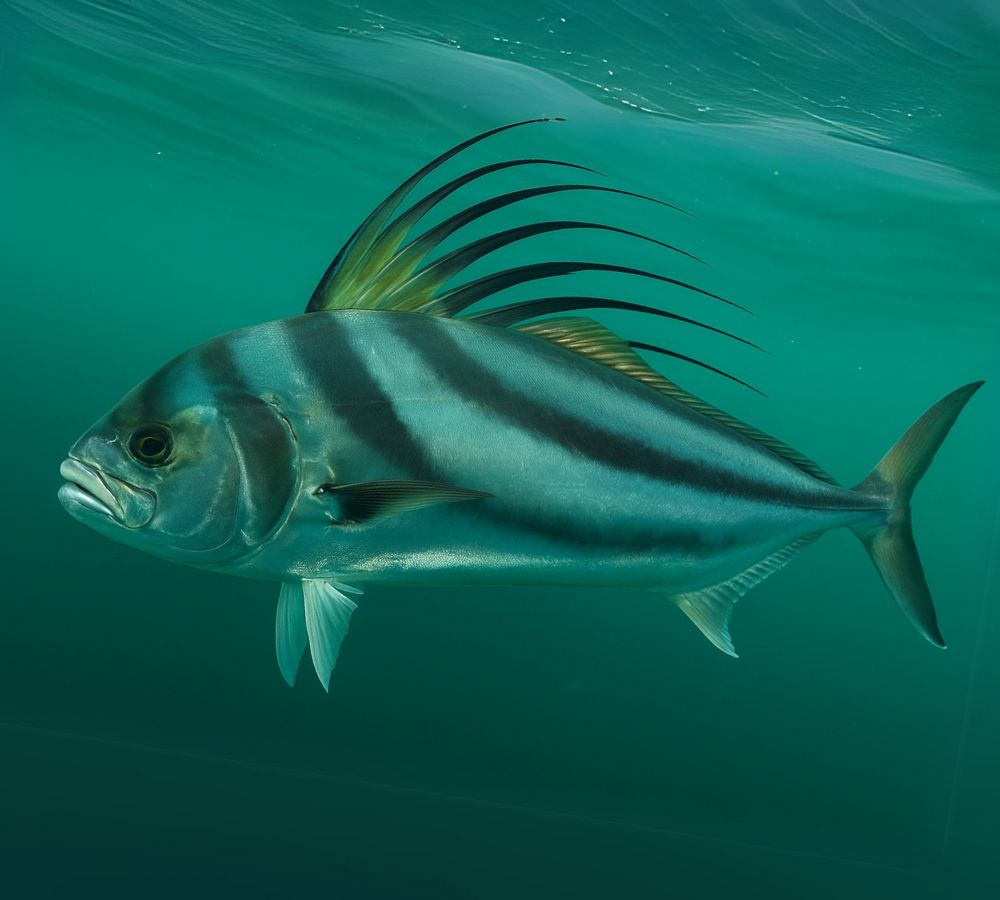
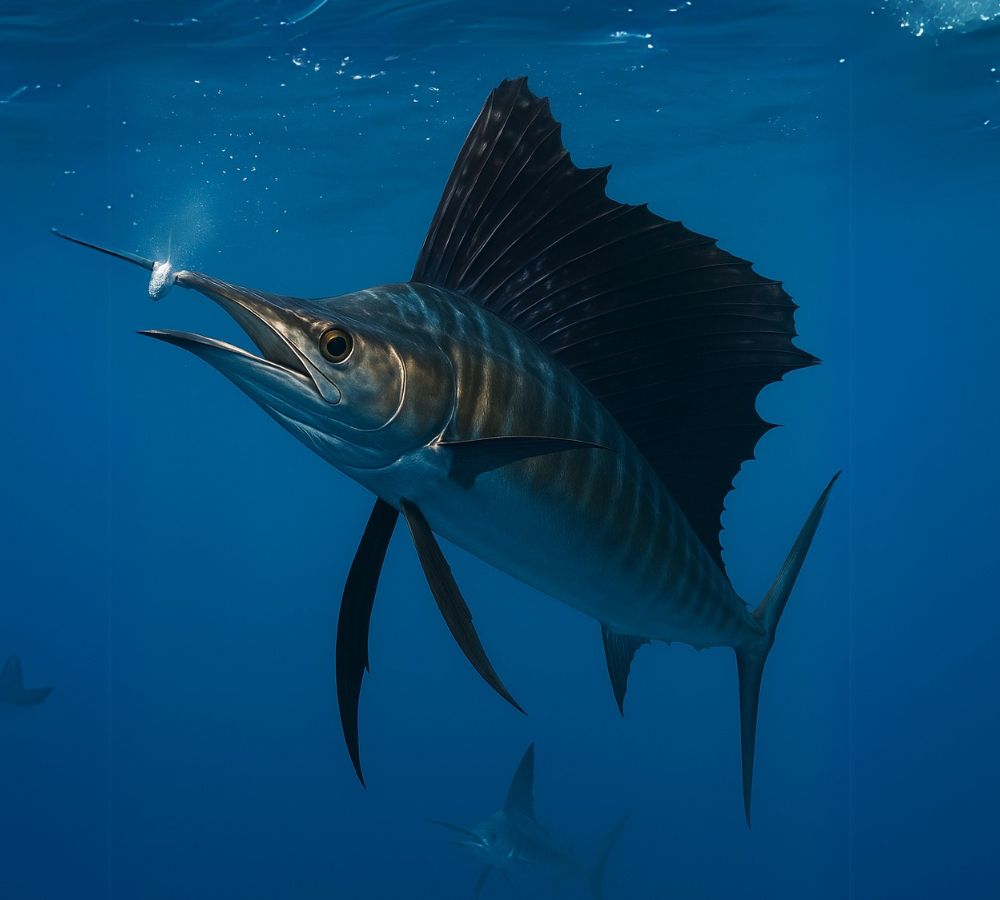
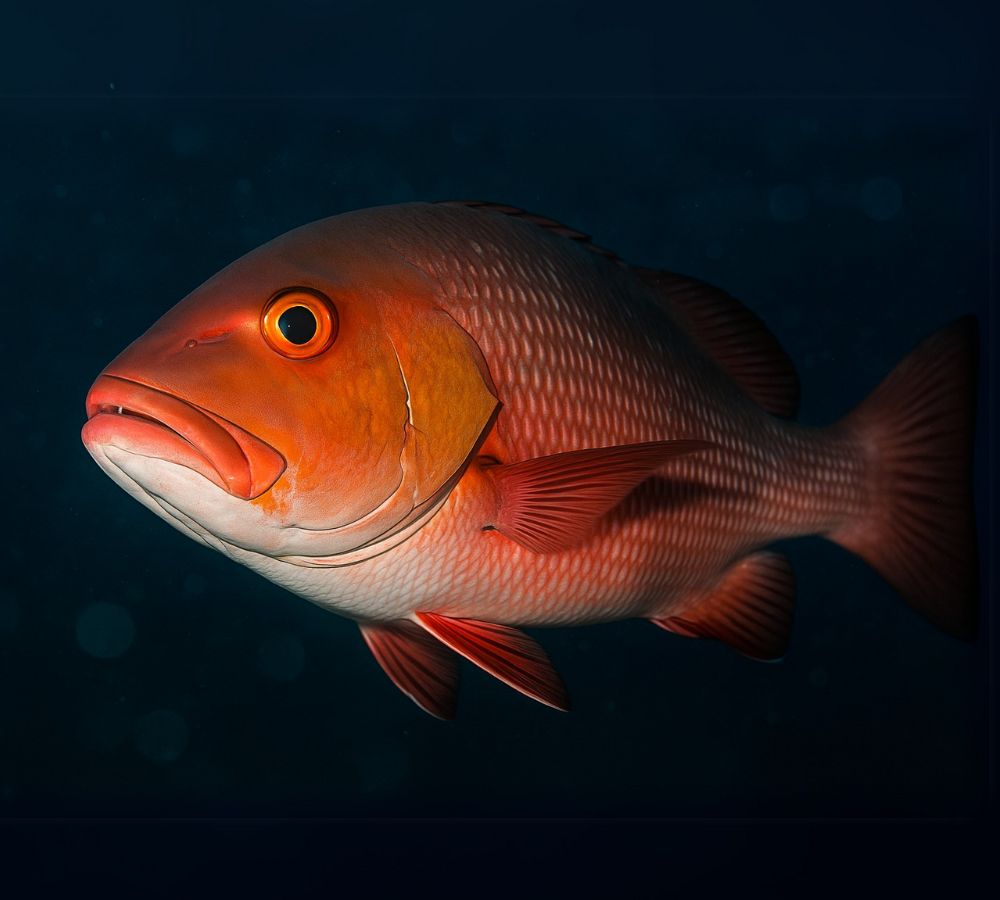
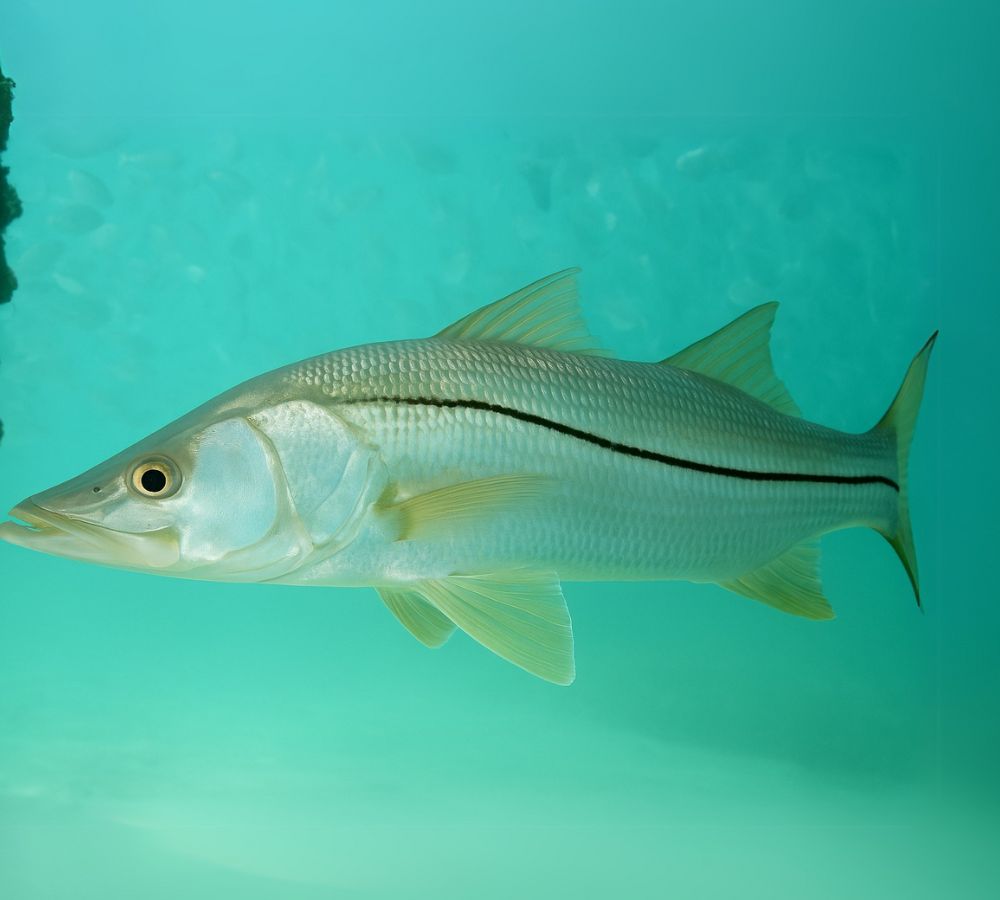
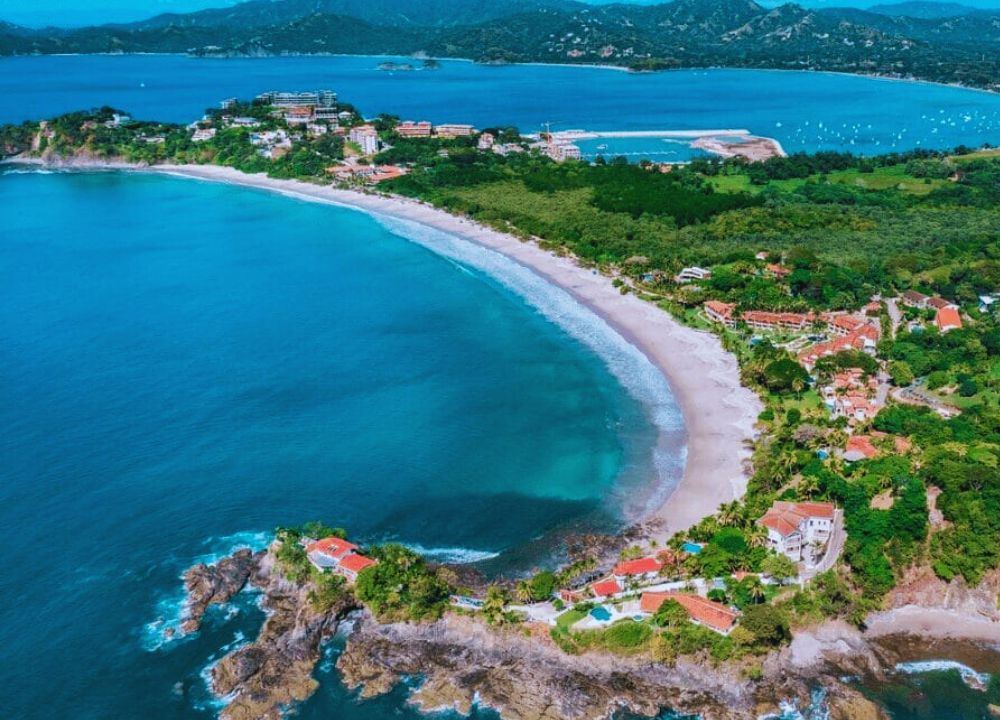
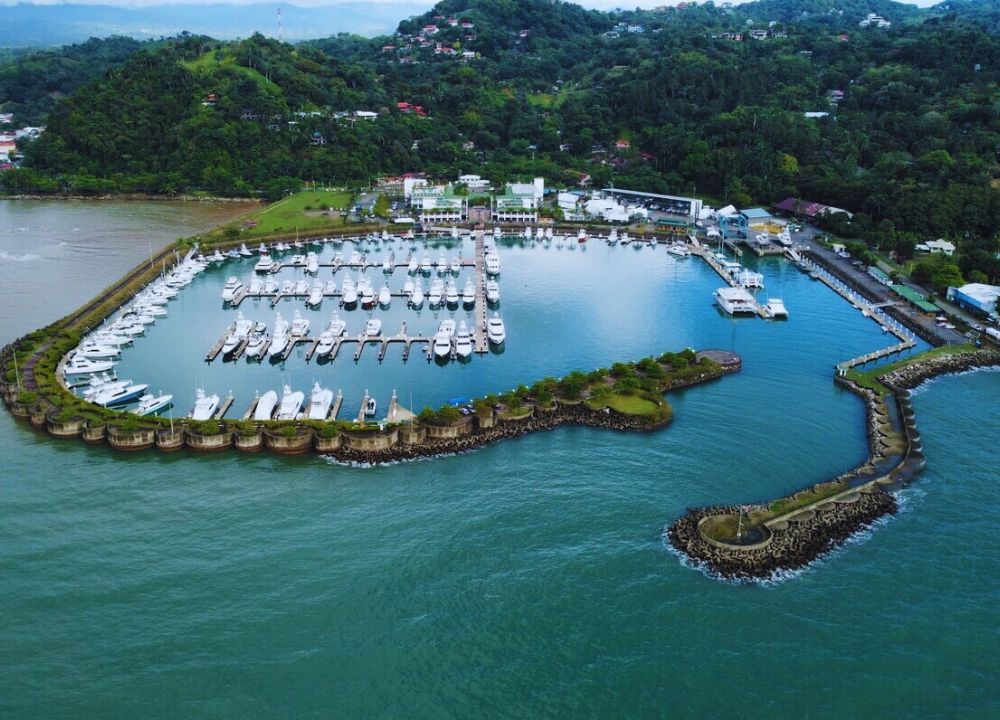
El Vaquero Sportfishing puts you on the fish in Puerto Jiménez, one of Costa Rica's top sportfishing destinations. Work the inshore waters for hard-fighting roosterfish, snapper,...
Fishing charter in Puerto Jiménez offering both inshore and offshore fishing in one of Costa Rica’s most productive regions. This guided fishing tour targets yellowfin tuna,...
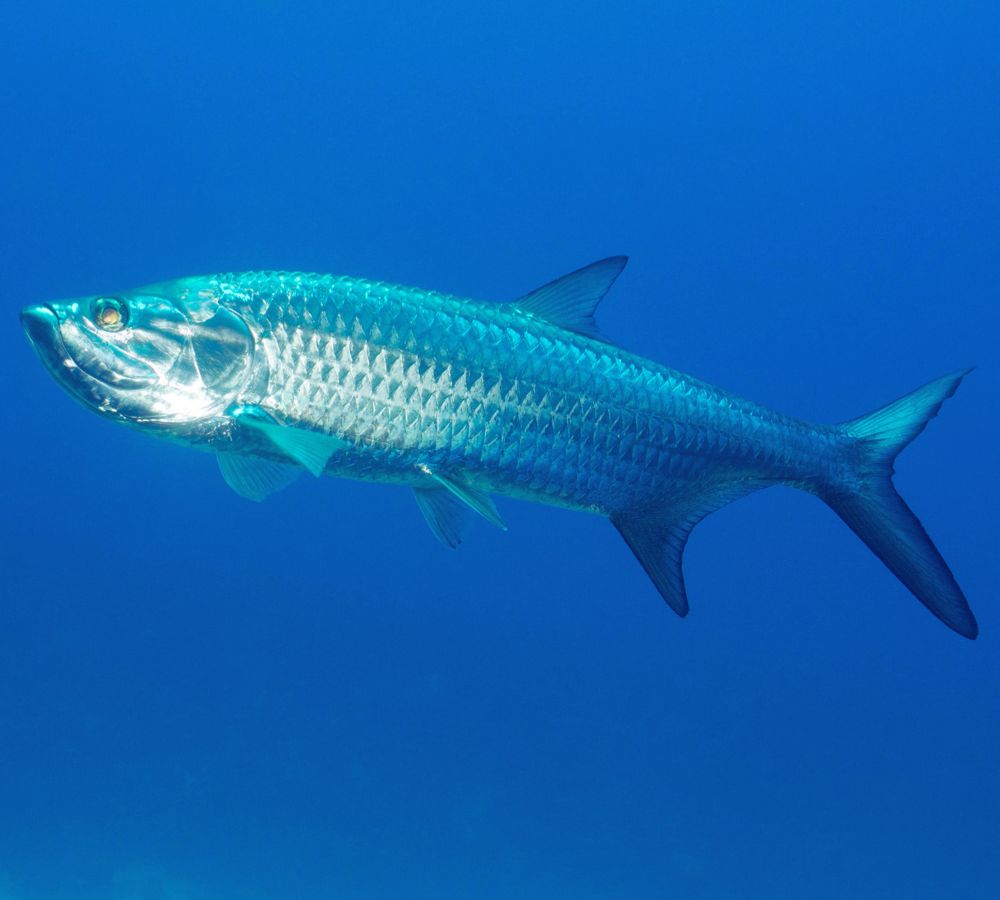
Sailfish numbers climb on the Central Pacific as the green-season tuna, marlin and dorado taper off. Conditions turn sunny and calm, with short runs from Los Sueños and Quepos. On the Caribbean, tarpon season opens as the seas settle. A great month to start a billfish trip.
Dry season
February
Prime time for sailfish — the Central Pacific peak is on, with double-digit release days possible out of Los Sueños and Quepos. Occasional marlin, tuna and dorado mix in. Calm seas and clear water make February one of the best months of the year.
Dry season
March
Sailfish fishing stays red-hot across the Central Pacific. Marlin show up more often, and inshore roosterfish and snapper bite well along the rocky points. Dry-season seas are flat and the marinas are buzzing — book early to land a top boat.
Dry season
April
Sailfish are still strong early before numbers ease mid-month, and blue marlin start to appear. Roosterfish fishing heats up inshore along Guanacaste and the South Pacific. The last of the calm dry-season weather makes April a reliable, do-it-all month.
Wet season
May
The rains arrive and the bite broadens. Sailfish begin moving north and the Guanacaste season fires up; dorado show on the weed lines and tuna feed offshore. Mornings stay bright, prices drop, and the variety is excellent across the Pacific.
Wet season
June
Peak variety. Guanacaste's sailfish and marlin bite is at its best, dorado are everywhere, and yellowfin tuna feed in big schools. Inshore roosterfish turn aggressive along the points. A superb month for a mixed-bag day on the water.
Wet season
July
Big-game season in the north — sailfish and blue marlin run strong off Guanacaste, while tuna and dorado keep rods bent on the Central Pacific. Roosterfish peak inshore. Expect afternoon showers, but the mornings are prime fishing time
Wet season
August
Marlin and sailfish stay hot off Guanacaste, tuna schools are thick, and the Caribbean snook run begins to build at Barra del Colorado. Roosterfish remain excellent inshore. Low-season prices meet high-season fishing — a smart angler's month.
Wet season
September
Offshore stays strong with blue marlin, sailfish and tuna, plus dorado around the floating debris. On the Caribbean, the tarpon and the big snook run hit their stride. It's the quietest, greenest time of year — and one of the most productive.
Wet season
October
Blue marlin and tuna keep producing on the Pacific, while the Caribbean tarpon-and-snook bite is excellent. Rain peaks this month, so plan morning departures. Few crowds, low prices and wide-open water reward anglers who make the trip.
Transition
November
The dry season returns to the Central Pacific and marlin fishing turns excellent off Quepos and Jacó. Sailfish numbers build back, tuna and dorado stay strong, and the seas begin to calm. A standout month for billfish before the high season.
Dry season
December
The marlin bite peaks off the Central Pacific and sailfish return in force as the dry season sets in. Calm seas, festive marinas and world-class offshore action make December one of Costa Rica's finest months on the water.
Frequently Asked Questions about Fishing Charters in Puerto Jimenez
No. Many inshore fishing tours are designed for beginners and families. Captains adjust the trip based on your experience level and provide guidance throughout the day.
Most fishing charters in Puerto Jiménez are private, meaning the boat is exclusively for your group. Shared trips may be available on limited dates, depending on demand and operator availability.
Inshore fishing takes place closer to the coast or inside Golfo Dulce, with calmer waters and shorter travel times.
Offshore fishing involves heading into the open Pacific Ocean to target larger pelagic species, usually requiring a longer trip.
Common inshore species include:
Roosterfish
Cubera snapper
Jacks
Snook (seasonal)
Mackerel
Inshore fishing is known for strong fights and consistent action, even on shorter trips.
Offshore trips typically target:
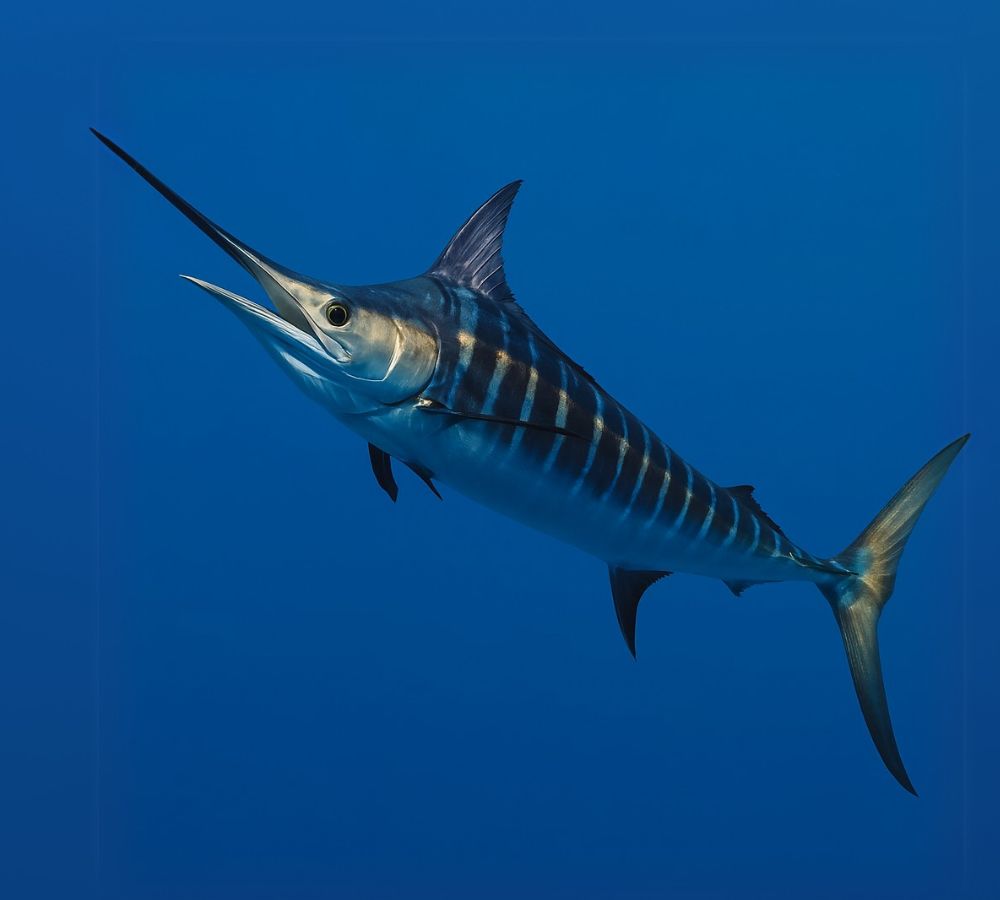
Sailfish
Marlin (blue and black)
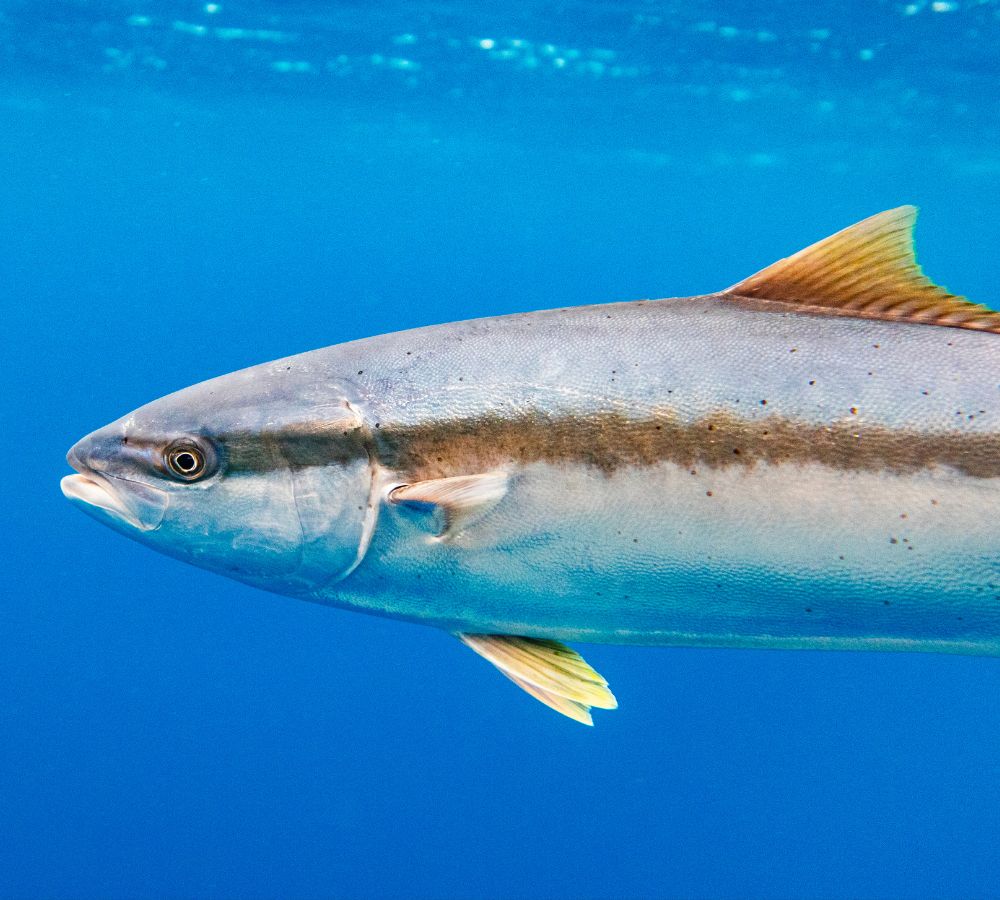
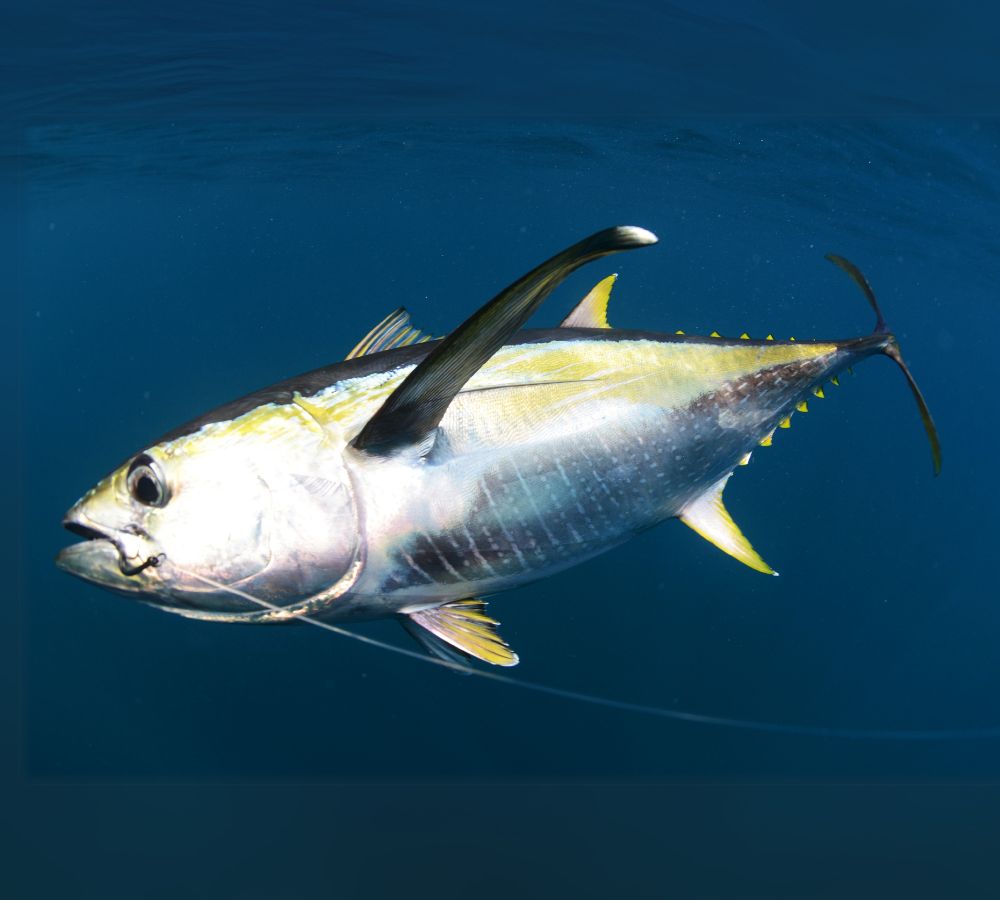
Yellowfin tuna
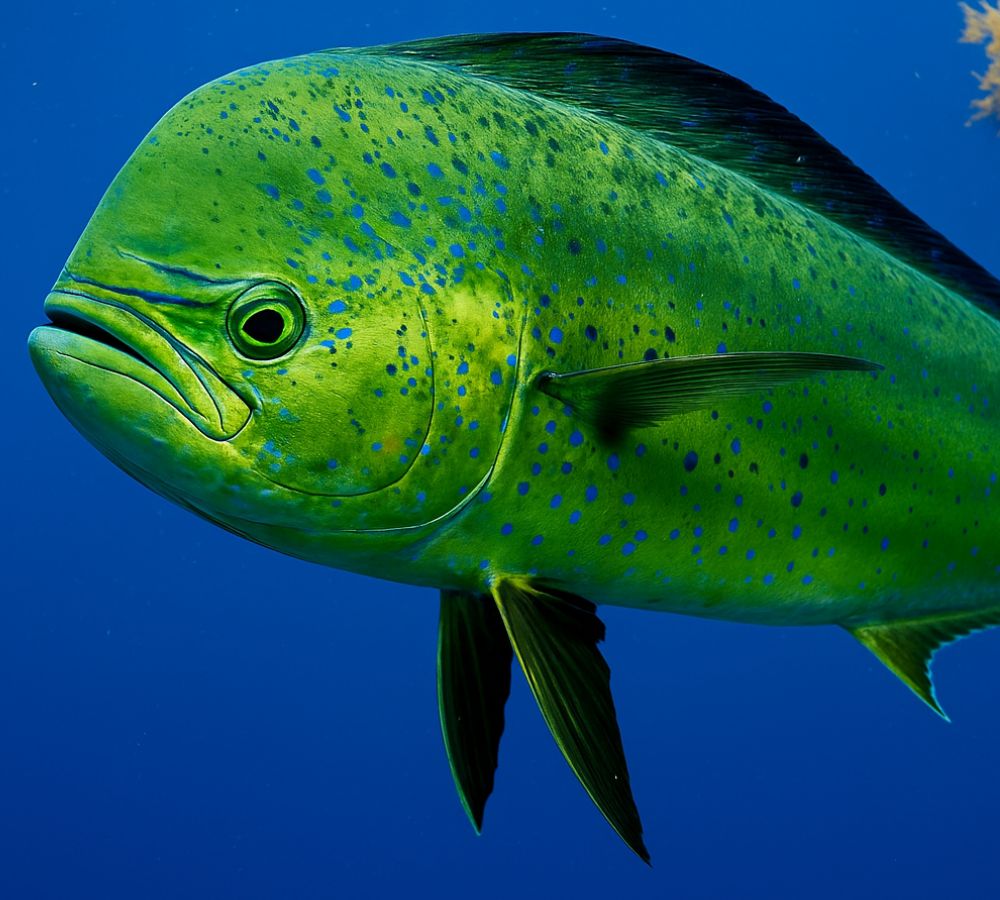
Dorado (Mahi Mahi, seasonal)
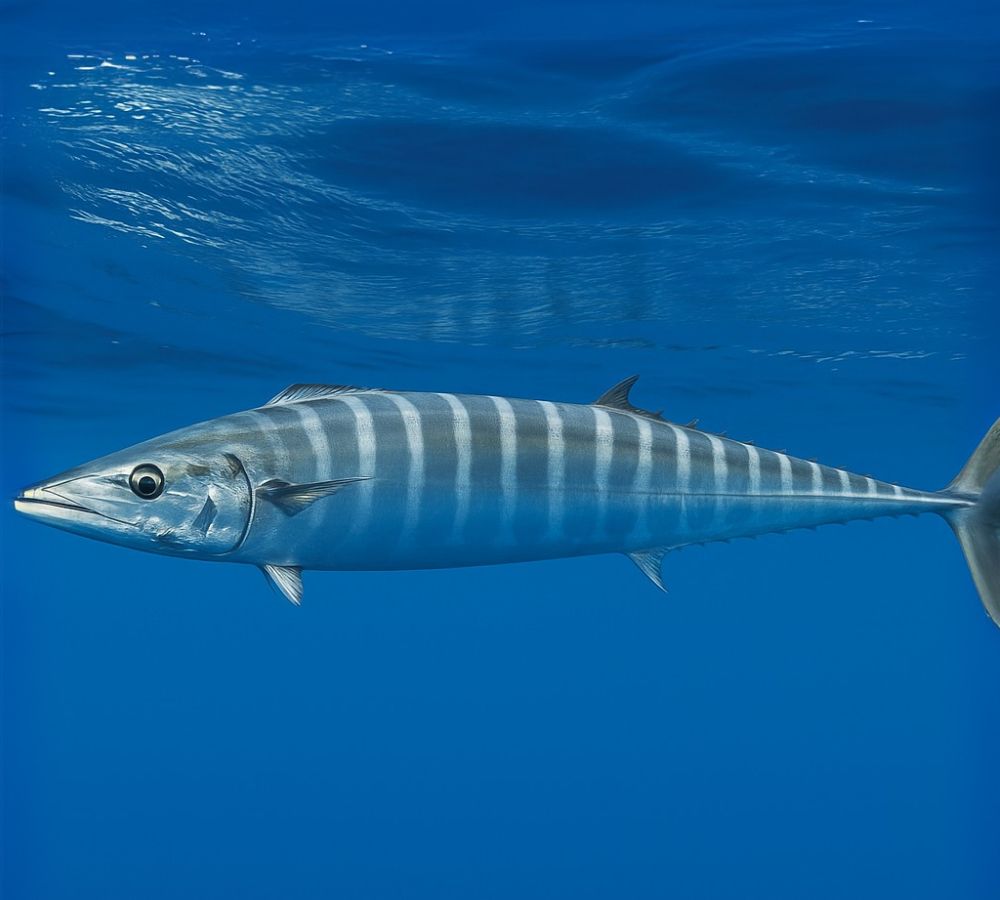
Wahoo (seasonal)
These trips are ideal for anglers seeking trophy fish and big-game action.
Prices vary based on trip type and duration, but typical ranges are:
Inshore half-day trips: approximately $350–$600 USD
Offshore full-day charters: approximately $800–$1,500+ USD
Factors affecting price include trip length, fuel distance, boat size, group size, and what’s included.
Most charters include:
Licensed captain and crew
Fishing gear (rods, reels, tackle)
Bait
Drinks (water, sodas)
Safety equipment
Some full-day trips may include snacks or lunch.
Yes. Every angler must have a valid Costa Rican fishing license. It’s low-cost and easy to obtain online or with help from the captain.
Trips typically range from:
Half-day: 4–5 hours
Full-day: 8 hours or more
Offshore fishing almost always requires a full-day trip.
This depends on the species and local regulations. Billfish such as Sailfish and Marlin are usually catch-and-release. Edible species like Tuna or Dorado may be kept if regulations allow.
Yes. Fishing is productive year-round, with different species peaking in different seasons.
Puerto Jiménez sits on the edge of the Osa Peninsula, right between the calm waters of Golfo Dulce and the open Pacific. That unique location gives anglers access to productive inshore fishing and serious offshore action without dealing with crowded marinas or long travel times.
This page brings together the fishing charters in Puerto Jiménez available in the area, making it easy to compare trip types, understand what you can catch, and choose the option that fits your group, experience level, and budget. No guesswork, no dockside pressure—just clear options and reliable local operators.
Available Fishing Tours in Puerto Jiménez
Inshore Fishing Tours
Best for: beginners, families, relaxed fishing days
Thank you for your interest in joining PescaYa! We are currently in our testing phase and, for now, we are accepting captain registrations manually. If you're interested, please contact us directly via WhatsApp at +507 6685-8732. Thank you for your understanding – we look forward to hearing from you!